
Contents
- 🌍 Introduction to the Levant
- 🏛️ Historical Context of the Levant
- 🌄 Geography and Climate of the Levant
- 🎨 Cultural Heritage of the Levant
- 🕊️ Religious Diversity in the Levant
- 📚 Literary and Intellectual Contributions
- 🎵 Music and Arts in the Levant
- 🍴 Cuisine of the Levant
- 🏙️ Urbanization and Architecture
- 🌟 Contemporary Issues and Challenges
- 📈 Economic Development and Trade
- 👥 Social Dynamics and Community
- Frequently Asked Questions
- Related Topics
Overview
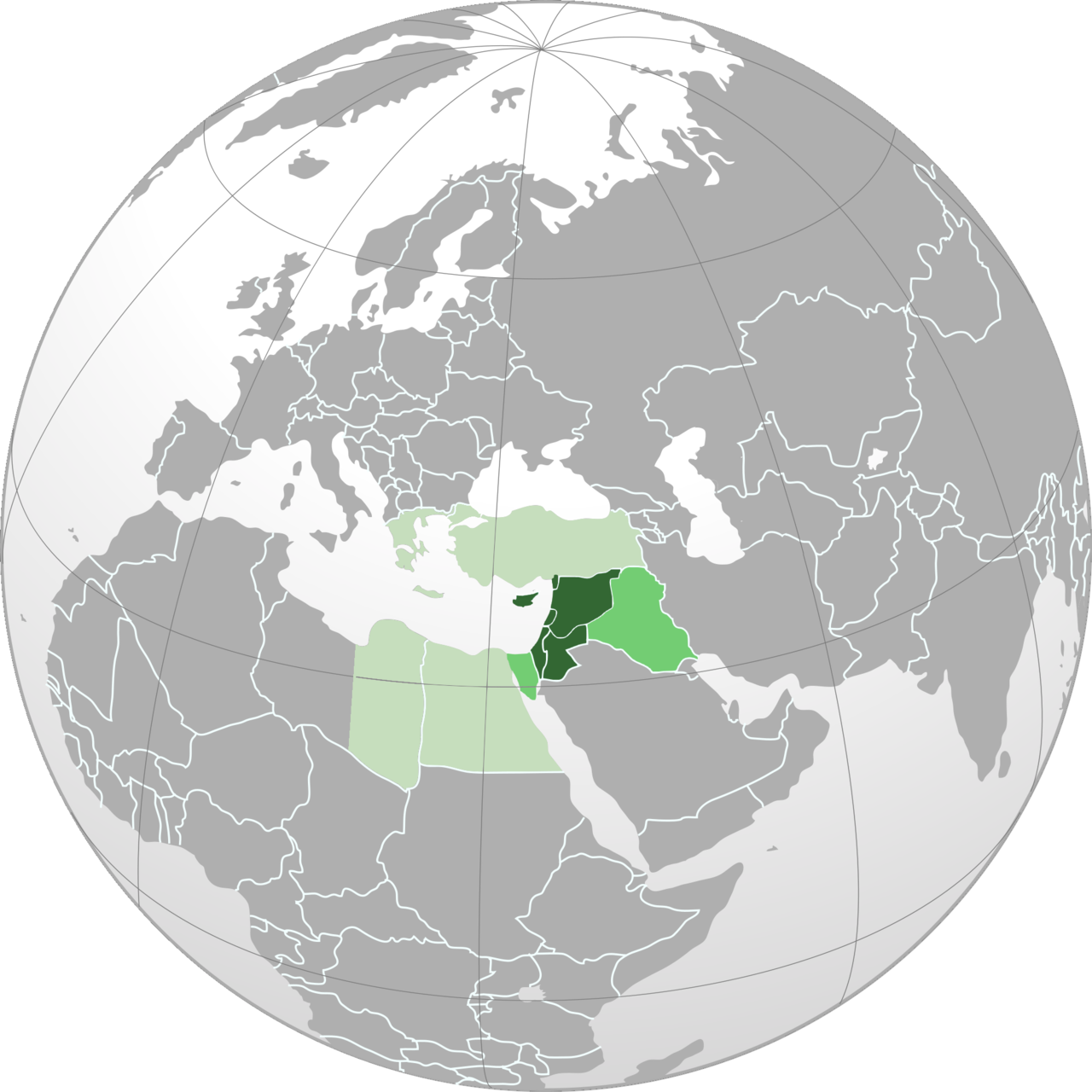
The Levant, a region in the Eastern Mediterranean, has been a melting pot of cultures, empires, and ideas for millennia. From the ancient civilizations of Phoenicia, Israel, and Babylon, to the modern-day countries of Lebanon, Syria, Jordan, Israel, and Palestine, the Levant has played a pivotal role in shaping global history, politics, and culture. With a vibe score of 8, the Levant is a place of vibrant energy, where East meets West and tradition meets innovation. However, it is also a region marked by controversy and tension, with ongoing conflicts over borders, resources, and identity. As we look to the future, the Levant will continue to be a critical player in global affairs, with its unique blend of history, culture, and geography making it a fascinating and complex region to explore. The influence flows of the Levant can be seen in the works of authors like Amin Maalouf and Assia Djebar, who have written extensively about the region's rich cultural heritage.
🌍 Introduction to the Levant
The Levant, a subregion of West Asia, has been a crossroads of history and culture for thousands of years. As a Middle East hub, it has been influenced by various civilizations, including the Ancient Egyptians, Ancient Greeks, and Roman Empire. The term 'Levant' is often used in conjunction with historical or cultural references, highlighting its significance in the region. The Levant's strategic location has made it a crucial center for trade and cultural exchange, with major cities like Jerusalem and Damascus serving as melting pots for different cultures. The region's rich history is a testament to its importance, with many archaeological sites and historical landmarks, such as the City of Petra, attracting visitors from around the world.
🏛️ Historical Context of the Levant
Historically, the Levant has been a battleground for various empires and civilizations, with each leaving its mark on the region. The Byzantine Empire, for example, played a significant role in shaping the Levant's early Christian heritage, while the Ottoman Empire later influenced the region's Islamic culture. The Levant's complex history is reflected in its diverse cultural landscape, with many ethnic groups and religious minorities coexisting in the region. The Crusades, a series of religious wars, also had a profound impact on the Levant, leading to the establishment of Christian kingdoms and the Islamic Golden Age. The region's history is intricately linked with the History of Islam and the History of Christianity.
🌄 Geography and Climate of the Levant
Geographically, the Levant is characterized by its diverse landscape, which includes mountain ranges, coastal plains, and deserts. The region's climate is generally Mediterranean, with mild winters and hot summers. The Jordan River, which flows through the Levant, has been a vital source of water and a symbol of the region's natural beauty. The Levant's geography has also played a significant role in shaping its culture, with many traditional farming practices and nomadic lifestyles still prevalent in the region. The Dead Sea, a saltwater lake, is another notable geographical feature of the Levant, known for its unique ecosystem and therapeutic properties.
🎨 Cultural Heritage of the Levant
The Levant is renowned for its rich cultural heritage, with a unique blend of Middle Eastern, Mediterranean, and Islamic influences. The region is home to many World Heritage sites, including the Old City of Hebron and the Ancient City of Bosra. The Levant's cultural landscape is also reflected in its vibrant arts and crafts, with many traditional music and dance forms still practiced in the region. The Levantine cuisine is another notable aspect of the region's culture, with popular dishes like hummus and falafel enjoyed worldwide. The region's cultural heritage is deeply connected to its History of Art and History of Literature.
🕊️ Religious Diversity in the Levant
The Levant is a region of great religious diversity, with Islam, Christianity, and Judaism all having a significant presence. The region is home to many important religious sites, including the Al-Aqsa Mosque and the Church of the Holy Sepulchre. The Levant's religious diversity is reflected in its many interfaith dialogue initiatives, which aim to promote understanding and cooperation between different religious communities. The region's complex religious landscape is also influenced by its History of Religion and Philosophy. The Baha'i Faith and the Druze community are also present in the Levant, adding to the region's rich religious tapestry.
📚 Literary and Intellectual Contributions
The Levant has a long tradition of literary and intellectual contributions, with many famous poets and writers hailing from the region. The Arabic literature of the Levant is particularly renowned, with authors like Al-Khansa and Ibn Arabi making significant contributions to the field. The region's intellectual heritage is also reflected in its many universities and research institutions, which have played a crucial role in advancing knowledge and understanding in various fields. The House of Wisdom in Baghdad is a notable example of the region's intellectual achievements. The Levant's literary and intellectual contributions are deeply connected to its History of Science and Philosophy.
🎵 Music and Arts in the Levant
Music and arts are an integral part of Levantine culture, with many traditional instruments and music genres still popular in the region. The oud, a stringed instrument, is a staple of Levantine music, while the qraqeb is a popular percussion instrument. The region's vibrant arts scene is reflected in its many galleries and museums, which showcase the work of local and international artists. The Levantine folk dance is another notable aspect of the region's cultural heritage, with many dance companies and festivals celebrating the region's rich cultural diversity. The Levant's music and arts are deeply connected to its History of Music and History of Art.
🍴 Cuisine of the Levant
The cuisine of the Levant is a unique blend of Middle Eastern, Mediterranean, and Islamic influences. Popular dishes like shawarma and kebabs are enjoyed throughout the region, while mezze is a staple of Levantine cuisine. The region's cuisine is also reflected in its many food festivals, which celebrate the diversity and richness of Levantine food. The Levantine cuisine is deeply connected to its History of Food and Agriculture. The region's cuisine has also been influenced by its Trade and Commerce with other regions.
🏙️ Urbanization and Architecture
The Levant is home to many historic cities, with Jerusalem and Damascus being two of the most notable examples. The region's urbanization is reflected in its many architectural styles, with Islamic architecture being a dominant feature of many cities. The Old City of Jerusalem is a UNESCO World Heritage site, while the Old City of Damascus is a testament to the region's rich cultural heritage. The Levant's urbanization is deeply connected to its History of Urbanization and Architecture. The region's cities have been shaped by its History of Trade and Commerce.
🌟 Contemporary Issues and Challenges
The Levant faces many contemporary issues and challenges, including political instability, economic development, and environmental degradation. The region's complex politics are reflected in its many conflict zones, with the Israeli-Palestinian conflict being one of the most notable examples. The Levant's economic development is also a major challenge, with many countries in the region struggling to achieve sustainable economic growth. The region's environmental degradation is a pressing issue, with many environmental problems affecting the region's natural resources. The Levant's contemporary issues are deeply connected to its History of Politics and Economics.
📈 Economic Development and Trade
The Levant has a long history of trade and commerce, with many trade routes passing through the region. The Silk Road is one of the most notable examples, with many caravanserais and markets still existing in the region. The Levant's economic development is also reflected in its many industries, with agriculture and manufacturing being two of the most significant sectors. The region's trade and commerce are deeply connected to its History of Trade and Commerce. The Levant's economic development is also influenced by its Globalization and International Trade.
Key Facts
- Year
- 2023
- Origin
- Eastern Mediterranean
- Category
- History, Geography, Culture
- Type
- Geographic Region
Frequently Asked Questions
What is the Levant?
The Levant is a subregion of West Asia along the Eastern Mediterranean that forms part of the Middle East. It is a region of great cultural and historical significance, with many important cities, including Jerusalem and Damascus. The Levant is also home to many ethnic groups and religious minorities, making it a region of great social diversity. The Levant's cultural heritage is deeply connected to its History of Culture and Anthropology.
What is the history of the Levant?
The Levant has a long and complex history, with many empires and civilizations rising and falling in the region. The region has been influenced by the Ancient Egyptians, Ancient Greeks, and Roman Empire, among others. The Levant's history is also reflected in its many archaeological sites and historical landmarks, such as the City of Petra. The Levant's history is deeply connected to its History of the Middle East and World History.
What is the culture of the Levant?
The culture of the Levant is a unique blend of Middle Eastern, Mediterranean, and Islamic influences. The region is home to many important cultural sites, including the Old City of Jerusalem and the Old City of Damascus. The Levant's cultural heritage is also reflected in its many traditional music and dance forms, as well as its vibrant arts scene. The Levant's culture is deeply connected to its History of Art and History of Literature.
What are the main challenges facing the Levant today?
The Levant faces many contemporary issues and challenges, including political instability, economic development, and environmental degradation. The region's complex politics are reflected in its many conflict zones, with the Israeli-Palestinian conflict being one of the most notable examples. The Levant's economic development is also a major challenge, with many countries in the region struggling to achieve sustainable economic growth. The region's environmental degradation is a pressing issue, with many environmental problems affecting the region's natural resources. The Levant's challenges are deeply connected to its History of Politics and Economics.
What is the significance of the Levant in the modern world?
The Levant is a region of great significance in the modern world, with many important cultural, historical, and economic ties to the rest of the world. The region is home to many important cities, including Jerusalem and Damascus, and is a major center for trade and commerce. The Levant's cultural heritage is also reflected in its many traditional music and dance forms, as well as its vibrant arts scene. The Levant's significance is deeply connected to its History of Globalization and International Relations.
How has the Levant influenced the world?
The Levant has had a profound influence on the world, with many important cultural, historical, and economic contributions. The region is home to many important cities, including Jerusalem and Damascus, and is a major center for trade and commerce. The Levant's cultural heritage is also reflected in its many traditional music and dance forms, as well as its vibrant arts scene. The Levant's influence is deeply connected to its History of Culture and Anthropology. The region's influence can be seen in its Influence on Europe and Influence on Asia.
What are the main ethnic groups in the Levant?
The Levant is a region of great ethnic diversity, with many ethnic groups coexisting in the region. The main ethnic groups in the Levant include Arabs, Jews, Turks, and Kurds, among others. The region's ethnic diversity is reflected in its many cultural and linguistic traditions, with many languages spoken in the region, including Arabic, Hebrew, and Turkish. The Levant's ethnic diversity is deeply connected to its History of Ethnicity and Sociology.
👥 Social Dynamics and Community
The Levant is a region of great social diversity, with many ethnic groups and religious minorities coexisting in the region. The region's social dynamics are reflected in its many social movements, with many human rights organizations and civil society groups active in the region. The Levant's social dynamics are deeply connected to its History of Society and Culture. The region's social diversity is also influenced by its Migration and Urbanization.