
Contents
- 🎨 Introduction to Limited Animation
- 📺 History of Limited Animation
- 👥 Pioneers of Limited Animation
- 📊 Techniques of Limited Animation
- 🎬 Applications of Limited Animation
- 🤔 Criticisms and Controversies
- 📈 Evolution of Limited Animation
- 👀 Modern Uses of Limited Animation
- 📊 Economic Impact of Limited Animation
- 👍 Influence of Limited Animation on Other Media
- 🤝 Connections to Other Animation Techniques
- Frequently Asked Questions
- Related Topics
Overview
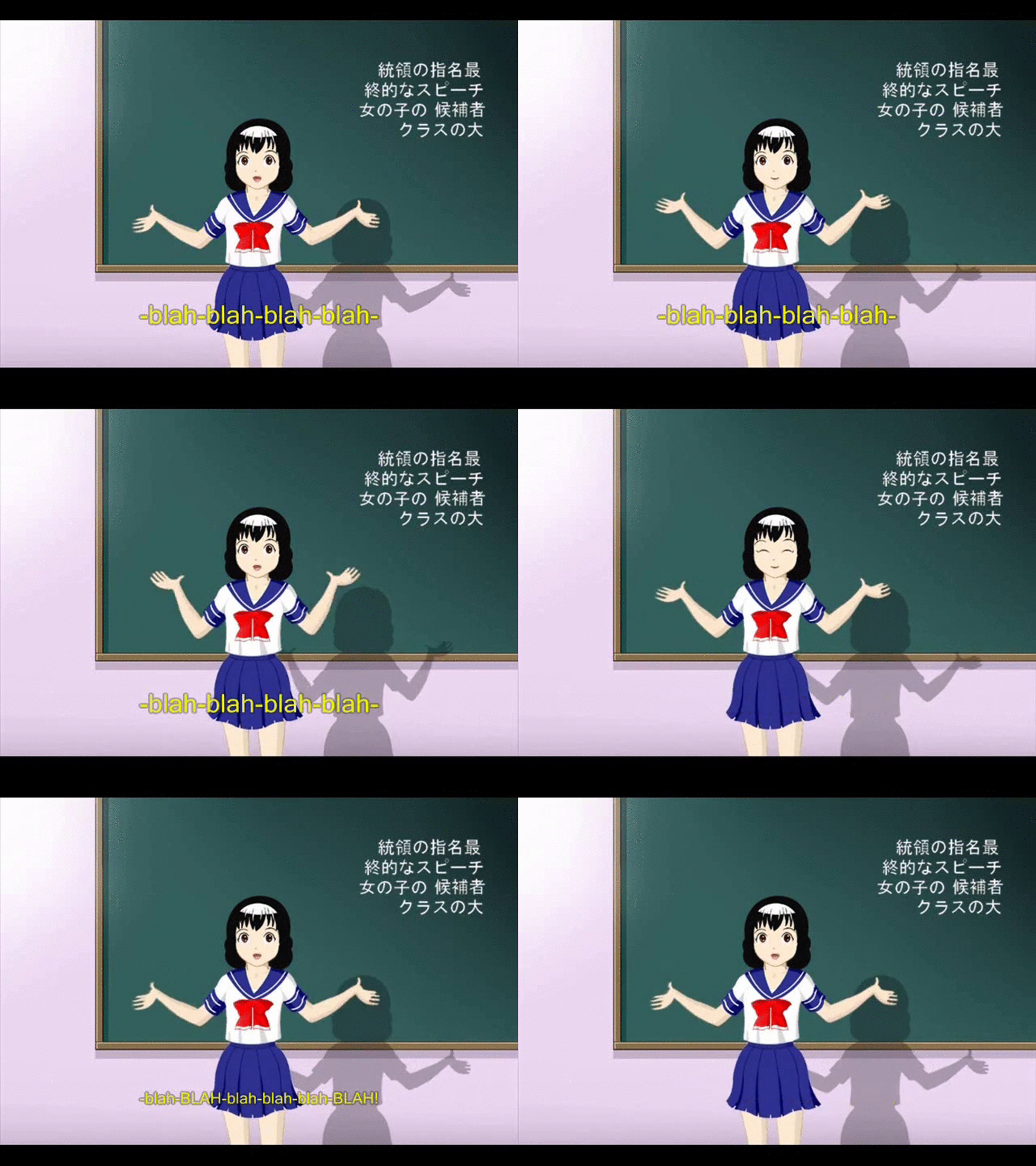
Limited animation, a technique pioneered by studios like Hanna-Barbera and UPA, revolutionized the animation industry by reducing the number of unique drawings required per second. This approach, which emerged in the 1950s, allowed for faster production times and lower costs, making it possible to produce cartoons for television. The style, characterized by repetitive backgrounds, limited character movement, and a focus on dialogue, was popularized by shows like The Flintstones and The Jetsons. Despite its constraints, limited animation enabled the creation of iconic characters and storylines that continue to influence contemporary animation. With a vibe score of 8, limited animation remains a significant part of animation history, with its influence visible in modern productions. As the industry continues to evolve, the legacy of limited animation serves as a reminder of the power of creative restraint, with many contemporary animators and studios drawing inspiration from this pioneering technique.
🎨 Introduction to Limited Animation
Limited animation is a process in the overall technique of traditional animation that reuses frames of character animation. This technique was first introduced by Animation studios in the 1950s and 1960s as a way to reduce production costs and increase efficiency. By reusing frames, animators could focus on other aspects of the animation process, such as Storytelling and character development. The use of limited animation allowed for the creation of more complex and detailed backgrounds, which added to the overall visual appeal of the animation. As a result, limited animation became a staple of Television Animation and was used in many popular shows, including Looney Tunes and Tom and Jerry. The technique also influenced the development of Anime, which often incorporates limited animation techniques.
📺 History of Limited Animation
The history of limited animation dates back to the early days of animation, when studios were looking for ways to reduce production costs. One of the pioneers of limited animation was Osamu Tezuka, a Japanese animator and manga artist who is often referred to as the 'God of Manga'. Tezuka's studio, Mushi Productions, developed a style of limited animation that emphasized simplicity and efficiency. This style, which became known as the 'Tezuka style', was characterized by the use of limited frames and a focus on storytelling and character development. The Tezuka style was highly influential and was adopted by many other animation studios, including Hanna-Barbera and Disney. The use of limited animation in these studios led to the creation of many beloved Cartoon characters, including Scooby-Doo and Yogi Bear.
👥 Pioneers of Limited Animation
The pioneers of limited animation were a group of innovative animators and studio owners who were looking for ways to reduce production costs and increase efficiency. One of the most influential pioneers of limited animation was William Hanna, who co-founded Hanna-Barbera with Joseph Barbera. Hanna and Barbera developed a style of limited animation that emphasized simplicity and efficiency, and their studio became one of the most successful animation studios of the 1960s and 1970s. Another pioneer of limited animation was Jay Ward, who founded Jay Ward Productions and created the popular animated series Rocky and Bullwinkle. Ward's use of limited animation allowed him to focus on the comedic aspects of his shows, which became known for their witty Dialogue and humorous characters. The work of these pioneers paved the way for the development of new animation techniques, including Computer-Generated Imagery and Motion Capture.
📊 Techniques of Limited Animation
The techniques of limited animation involve reusing frames of character animation to reduce production costs and increase efficiency. This is achieved by creating a limited number of frames, known as 'key frames', which are then reused throughout the animation. The key frames are often created by experienced animators, who use their skills and expertise to create detailed and nuanced characters. The reuse of key frames allows for the creation of more complex and detailed backgrounds, which can be animated using a variety of techniques, including Cel Shading and Digital Painting. The use of limited animation also allows for the creation of more realistic special effects, such as Fire and Water. The combination of limited animation and special effects has been used in many popular animated films, including The Lion King and Shrek.
🎬 Applications of Limited Animation
The applications of limited animation are diverse and widespread. Limited animation has been used in a variety of contexts, including Television Animation, Film, and Video Games. In television animation, limited animation has been used to create many popular shows, including The Simpsons and Family Guy. In film, limited animation has been used to create a range of animated features, from Disney classics like Snow White to more recent films like Frozen. In video games, limited animation has been used to create a range of characters and environments, from the Mario brothers to the Lara Croft series. The use of limited animation in these contexts has allowed for the creation of more complex and detailed worlds, which have captivated audiences around the world.
🤔 Criticisms and Controversies
Despite its many applications, limited animation has also been subject to criticisms and controversies. Some critics have argued that limited animation is too simplistic and lacks the nuance and detail of traditional animation. Others have argued that limited animation is too focused on efficiency and cost-cutting, and that it can lead to a lack of creativity and originality. However, proponents of limited animation argue that it allows for a focus on storytelling and character development, and that it can be used to create complex and detailed worlds. The debate over limited animation has been ongoing for many years, with some studios, like Studio Ghibli, opting for more traditional animation techniques, while others, like Pixar, have embraced limited animation and Computer-Generated Imagery.
📈 Evolution of Limited Animation
The evolution of limited animation has been shaped by a range of technological and artistic developments. The introduction of Computer-Generated Imagery and Motion Capture has allowed for the creation of more complex and detailed characters and environments. The use of digital tools has also allowed for greater efficiency and flexibility in the animation process, enabling animators to focus on the creative aspects of their work. The evolution of limited animation has also been influenced by changes in audience expectations and preferences, with many viewers now expecting high-quality animation and complex storytelling. The combination of technological and artistic developments has led to the creation of new and innovative animation techniques, including Stop-Motion Animation and Cutout Animation.
👀 Modern Uses of Limited Animation
Modern uses of limited animation can be seen in a range of contexts, from Television Animation to Video Games. Many modern animated shows, such as Adventure Time and Regular Show, use limited animation techniques to create complex and detailed worlds. In video games, limited animation is often used to create characters and environments, and to add visual effects to gameplay. The use of limited animation in these contexts has allowed for the creation of more immersive and engaging experiences, which have captivated audiences around the world. The influence of limited animation can also be seen in other forms of media, including Film and Literature.
📊 Economic Impact of Limited Animation
The economic impact of limited animation has been significant, allowing studios to reduce production costs and increase efficiency. The use of limited animation has enabled studios to produce more content, which has led to an increase in the number of animated shows and films being produced. This has had a positive impact on the animation industry, creating more jobs and opportunities for animators and other industry professionals. The economic impact of limited animation has also been felt in other industries, such as Video Games and Film, where animation is often used to create special effects and characters. The combination of limited animation and other animation techniques has led to the creation of new and innovative products, which have generated significant revenue and profits.
👍 Influence of Limited Animation on Other Media
The influence of limited animation on other media has been profound, with many forms of media incorporating animation techniques. The use of limited animation in Film has allowed for the creation of complex and detailed special effects, which have become a staple of many modern films. In Video Games, limited animation has been used to create characters and environments, and to add visual effects to gameplay. The influence of limited animation can also be seen in Literature, where animation techniques are often used to create illustrations and graphics. The combination of limited animation and other animation techniques has led to the creation of new and innovative forms of media, which have captivated audiences around the world.
🤝 Connections to Other Animation Techniques
The connections between limited animation and other animation techniques are complex and multifaceted. Limited animation has influenced the development of other animation techniques, such as Computer-Generated Imagery and Motion Capture. The use of limited animation has also been influenced by other animation techniques, such as Traditional Animation and Stop-Motion Animation. The combination of limited animation and other animation techniques has led to the creation of new and innovative animation styles, which have captivated audiences around the world. The connections between limited animation and other animation techniques are a testament to the creativity and innovation of animators and studios, who continue to push the boundaries of what is possible in the world of animation.
Key Facts
- Year
- 1950
- Origin
- United States
- Category
- Animation
- Type
- Animation Technique
Frequently Asked Questions
What is limited animation?
Limited animation is a process in the overall technique of traditional animation that reuses frames of character animation. This technique was first introduced by animation studios in the 1950s and 1960s as a way to reduce production costs and increase efficiency. The use of limited animation allows for the creation of more complex and detailed backgrounds, which can be animated using a variety of techniques, including Cel Shading and Digital Painting.
Who are the pioneers of limited animation?
The pioneers of limited animation include Osamu Tezuka, William Hanna, and Jay Ward. These individuals developed and refined the techniques of limited animation, which have been used in a wide range of contexts, including Television Animation, Film, and Video Games.
What are the applications of limited animation?
The applications of limited animation are diverse and widespread. Limited animation has been used in a variety of contexts, including Television Animation, Film, and Video Games. The use of limited animation has allowed for the creation of more complex and detailed worlds, which have captivated audiences around the world.
What are the criticisms of limited animation?
Some critics have argued that limited animation is too simplistic and lacks the nuance and detail of traditional animation. Others have argued that limited animation is too focused on efficiency and cost-cutting, and that it can lead to a lack of creativity and originality. However, proponents of limited animation argue that it allows for a focus on storytelling and character development, and that it can be used to create complex and detailed worlds.
How has limited animation evolved over time?
The evolution of limited animation has been shaped by a range of technological and artistic developments. The introduction of Computer-Generated Imagery and Motion Capture has allowed for the creation of more complex and detailed characters and environments. The use of digital tools has also allowed for greater efficiency and flexibility in the animation process, enabling animators to focus on the creative aspects of their work.
What is the economic impact of limited animation?
The economic impact of limited animation has been significant, allowing studios to reduce production costs and increase efficiency. The use of limited animation has enabled studios to produce more content, which has led to an increase in the number of animated shows and films being produced. This has had a positive impact on the animation industry, creating more jobs and opportunities for animators and other industry professionals.
How has limited animation influenced other media?
The influence of limited animation on other media has been profound, with many forms of media incorporating animation techniques. The use of limited animation in Film has allowed for the creation of complex and detailed special effects, which have become a staple of many modern films. In Video Games, limited animation has been used to create characters and environments, and to add visual effects to gameplay.