
Contents
- 📈 Introduction to Loyalty Programs
- 💰 The Benefits of Loyalty Programs
- 📊 The Psychology of Loyalty Programs
- 👥 Types of Loyalty Programs
- 📈 Measuring the Success of Loyalty Programs
- 🚨 The Dark Side of Loyalty Programs
- 🤝 Building Trust with Loyalty Programs
- 📊 The Future of Loyalty Programs
- 📈 Case Studies of Successful Loyalty Programs
- 📊 The Role of Technology in Loyalty Programs
- 📊 Personalization in Loyalty Programs
- Frequently Asked Questions
- Related Topics
Overview
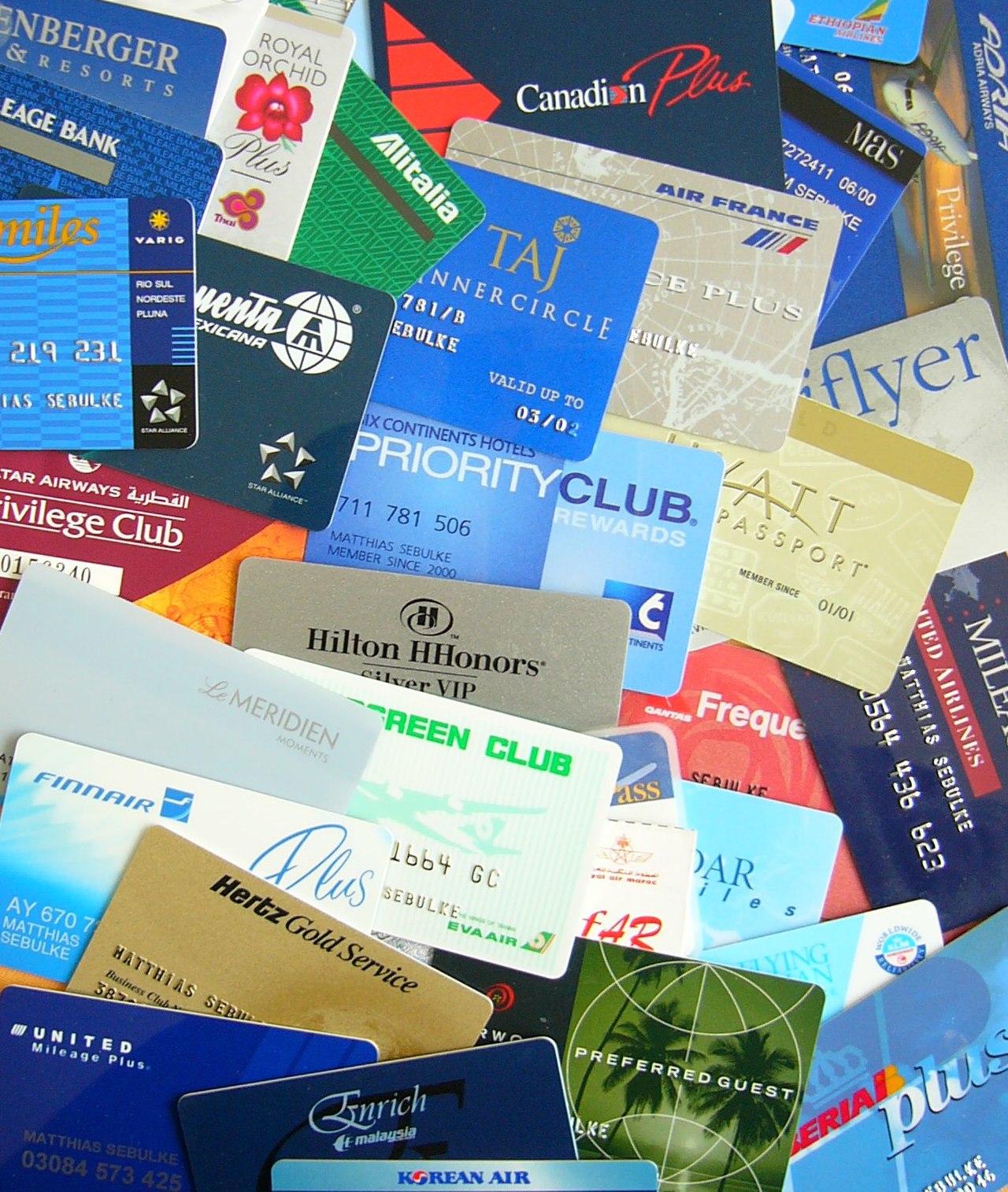
Loyalty programs have been a staple of consumer marketing since the 1980s, with the first frequent flyer program launched by American Airlines in 1981. Today, over 90% of companies have some form of loyalty program in place, with the global loyalty market projected to reach $15.5 billion by 2025. However, critics argue that these programs often prioritize short-term gains over long-term customer satisfaction, with 60% of loyalty program members reporting that they have never redeemed their rewards. The rise of digital loyalty platforms has also raised concerns about data privacy and the potential for companies to exploit customer loyalty for profit. As the loyalty landscape continues to evolve, companies must navigate the delicate balance between rewarding customer devotion and respecting their autonomy. With the average American household participating in 14 loyalty programs, the stakes are high for companies to get it right. The future of loyalty programs will depend on their ability to adapt to changing consumer behaviors and technological advancements, with a focus on personalization, transparency, and mutual benefit.
📈 Introduction to Loyalty Programs
Loyalty programs are a marketing strategy designed to encourage customers to continue to shop at or use the services of one or more businesses associated with the program. As discussed in Marketing Strategy, loyalty programs can be an effective way to increase customer retention and drive sales. However, as noted in Customer Retention, loyalty programs can also be complex and difficult to manage. With the rise of Digital Marketing, loyalty programs have become more sophisticated and data-driven. For example, companies like Amazon and Starbucks have developed loyalty programs that use data and analytics to personalize the customer experience.
💰 The Benefits of Loyalty Programs
The benefits of loyalty programs are numerous. As outlined in Customer Loyalty, loyalty programs can increase customer retention, drive sales, and provide valuable customer data. Additionally, loyalty programs can help to build trust and loyalty with customers, as discussed in Brand Loyalty. However, as noted in Marketing Ethics, loyalty programs can also be used to manipulate customers and encourage overspending. Companies like Costco and Target have developed loyalty programs that offer rewards and discounts to customers, while also providing valuable customer data to inform marketing strategies.
📊 The Psychology of Loyalty Programs
The psychology of loyalty programs is complex and multifaceted. As discussed in Consumer Behavior, loyalty programs can tap into psychological motivations such as rewards, recognition, and social status. For example, companies like American Express and Visa offer loyalty programs that provide rewards and recognition to customers, while also offering exclusive benefits and perks. However, as noted in Psychology of Marketing, loyalty programs can also be used to manipulate customers and encourage overspending. As outlined in Influence Marketing, loyalty programs can be used to influence customer behavior and drive sales.
👥 Types of Loyalty Programs
There are many different types of loyalty programs, each with its own unique characteristics and benefits. As discussed in Loyalty Program Types, some common types of loyalty programs include points-based programs, tiered programs, and coalition programs. Companies like United Airlines and Delta Air Lines offer loyalty programs that provide rewards and recognition to customers, while also offering exclusive benefits and perks. However, as noted in Program Comparison, loyalty programs can be complex and difficult to compare. As outlined in Rewards Programs, loyalty programs can offer a range of rewards and benefits to customers, including discounts, free products, and exclusive experiences.
📈 Measuring the Success of Loyalty Programs
Measuring the success of loyalty programs is crucial to their effectiveness. As discussed in Program Evaluation, companies can use a range of metrics to measure the success of their loyalty programs, including customer retention rates, sales lift, and customer satisfaction. However, as noted in Metrics Challenges, measuring the success of loyalty programs can be complex and challenging. Companies like Walgreens and CVS Pharmacy have developed loyalty programs that use data and analytics to measure the success of their programs and inform marketing strategies. As outlined in Data-Driven Marketing, loyalty programs can provide valuable customer data to inform marketing strategies and drive sales.
🚨 The Dark Side of Loyalty Programs
The dark side of loyalty programs is a topic of increasing concern. As discussed in Program Abuse, some customers may abuse loyalty programs by exploiting loopholes or using fake accounts. Additionally, loyalty programs can be used to manipulate customers and encourage overspending, as noted in Marketing Manipulation. Companies like Best Buy and Sears have faced criticism for their loyalty programs, which some customers have accused of being overly complex and difficult to use. As outlined in Consumer Protection, loyalty programs must be designed and implemented in a way that is fair and transparent to customers.
🤝 Building Trust with Loyalty Programs
Building trust with loyalty programs is essential to their success. As discussed in Trust Building, companies can build trust with customers by being transparent and fair in their loyalty programs. Additionally, loyalty programs can be used to provide value and rewards to customers, as noted in Customer Value. Companies like Patagonia and The Body Shop have developed loyalty programs that prioritize customer trust and loyalty, while also promoting sustainability and social responsibility. As outlined in Corporate Social Responsibility, loyalty programs can be used to promote positive social and environmental outcomes.
📊 The Future of Loyalty Programs
The future of loyalty programs is likely to be shaped by technological advancements and changing consumer behaviors. As discussed in Program Innovation, companies are using new technologies such as artificial intelligence and blockchain to create more personalized and secure loyalty programs. Additionally, loyalty programs are becoming more integrated with other marketing strategies, such as Social Media Marketing and Influencer Marketing. Companies like Uber and Airbnb have developed loyalty programs that use data and analytics to provide personalized rewards and experiences to customers. As outlined in Marketing Trends, loyalty programs must evolve to meet the changing needs and expectations of customers.
📈 Case Studies of Successful Loyalty Programs
Case studies of successful loyalty programs can provide valuable insights and lessons for companies. As discussed in Case Studies, companies like McDonald's and Subway have developed loyalty programs that have driven sales and increased customer retention. Additionally, loyalty programs can be used to promote positive social and environmental outcomes, as noted in Social Impact. Companies like Whole Foods and Trader Joe's have developed loyalty programs that prioritize customer trust and loyalty, while also promoting sustainability and social responsibility. As outlined in Best Practices, loyalty programs must be designed and implemented in a way that is fair, transparent, and effective.
📊 The Role of Technology in Loyalty Programs
The role of technology in loyalty programs is becoming increasingly important. As discussed in Technology Trends, companies are using new technologies such as artificial intelligence and blockchain to create more personalized and secure loyalty programs. Additionally, loyalty programs are becoming more integrated with other marketing strategies, such as Mobile Marketing and Email Marketing. Companies like Spotify and Netflix have developed loyalty programs that use data and analytics to provide personalized rewards and experiences to customers. As outlined in Digital Transformation, loyalty programs must evolve to meet the changing needs and expectations of customers.
📊 Personalization in Loyalty Programs
Personalization is a key aspect of successful loyalty programs. As discussed in Personalization Trends, companies are using data and analytics to create more personalized and relevant loyalty programs. Additionally, loyalty programs can be used to provide value and rewards to customers, as noted in Customer Engagement. Companies like Sephora and Ulta Beauty have developed loyalty programs that prioritize customer trust and loyalty, while also promoting personalization and relevance. As outlined in Customer Experience, loyalty programs must be designed and implemented in a way that is fair, transparent, and effective.
Key Facts
- Year
- 1981
- Origin
- American Airlines
- Category
- Marketing and Consumer Behavior
- Type
- Marketing Strategy
Frequently Asked Questions
What is a loyalty program?
A loyalty program is a marketing strategy designed to encourage customers to continue to shop at or use the services of one or more businesses associated with the program. As discussed in Marketing Strategy, loyalty programs can be an effective way to increase customer retention and drive sales. However, as noted in Customer Retention, loyalty programs can also be complex and difficult to manage. For example, companies like Amazon and Starbucks have developed loyalty programs that use data and analytics to personalize the customer experience.
What are the benefits of loyalty programs?
The benefits of loyalty programs are numerous. As outlined in Customer Loyalty, loyalty programs can increase customer retention, drive sales, and provide valuable customer data. Additionally, loyalty programs can help to build trust and loyalty with customers, as discussed in Brand Loyalty. However, as noted in Marketing Ethics, loyalty programs can also be used to manipulate customers and encourage overspending. Companies like Costco and Target have developed loyalty programs that offer rewards and discounts to customers, while also providing valuable customer data to inform marketing strategies.
What are the different types of loyalty programs?
There are many different types of loyalty programs, each with its own unique characteristics and benefits. As discussed in Loyalty Program Types, some common types of loyalty programs include points-based programs, tiered programs, and coalition programs. Companies like United Airlines and Delta Air Lines offer loyalty programs that provide rewards and recognition to customers, while also offering exclusive benefits and perks. However, as noted in Program Comparison, loyalty programs can be complex and difficult to compare.
How do companies measure the success of loyalty programs?
Measuring the success of loyalty programs is crucial to their effectiveness. As discussed in Program Evaluation, companies can use a range of metrics to measure the success of their loyalty programs, including customer retention rates, sales lift, and customer satisfaction. However, as noted in Metrics Challenges, measuring the success of loyalty programs can be complex and challenging. Companies like Walgreens and CVS Pharmacy have developed loyalty programs that use data and analytics to measure the success of their programs and inform marketing strategies.
What are the challenges of implementing a loyalty program?
Implementing a loyalty program can be complex and challenging. As discussed in Program Implementation, companies must consider a range of factors, including program design, technology, and customer engagement. Additionally, loyalty programs must be designed and implemented in a way that is fair, transparent, and effective, as noted in Customer Experience. Companies like Best Buy and Sears have faced criticism for their loyalty programs, which some customers have accused of being overly complex and difficult to use.
How can companies build trust with loyalty programs?
Building trust with loyalty programs is essential to their success. As discussed in Trust Building, companies can build trust with customers by being transparent and fair in their loyalty programs. Additionally, loyalty programs can be used to provide value and rewards to customers, as noted in Customer Value. Companies like Patagonia and The Body Shop have developed loyalty programs that prioritize customer trust and loyalty, while also promoting sustainability and social responsibility.
What is the future of loyalty programs?
The future of loyalty programs is likely to be shaped by technological advancements and changing consumer behaviors. As discussed in Program Innovation, companies are using new technologies such as artificial intelligence and blockchain to create more personalized and secure loyalty programs. Additionally, loyalty programs are becoming more integrated with other marketing strategies, such as Social Media Marketing and Influencer Marketing. Companies like Uber and Airbnb have developed loyalty programs that use data and analytics to provide personalized rewards and experiences to customers.