
Contents
- 🏯 Introduction to Madhyamaka
- 📚 The Foundational Texts of Madhyamaka
- 👥 The Life and Influence of Nāgārjuna
- 💡 The Core Principles of Madhyamaka Philosophy
- 🔍 The Concept of Emptiness in Madhyamaka
- 🙏 The Role of Meditation in Madhyamaka Practice
- 🌐 The Relationship Between Madhyamaka and Other Buddhist Traditions
- 📊 The Influence of Madhyamaka on Western Philosophy
- 🤝 The Debate Over Madhyamaka's Interpretation
- 📚 Contemporary Madhyamaka Scholarship
- 👨🎓 The Future of Madhyamaka Studies
- 🕊️ Conclusion: The Enduring Significance of Madhyamaka
- Frequently Asked Questions
- Related Topics
Overview
Madhyamaka, founded by Nagarjuna in the 2nd century CE, is a Mahayana Buddhist school that emphasizes the concept of emptiness (shunyata) and the rejection of extremes. This philosophy, with a vibe rating of 8, is known for its critiques of essentialism and inherent existence, and has been influential in Tibetan Buddhism, particularly in the Gelug and Kagyu traditions. The Madhyamaka school has been the subject of much debate and controversy, with some critics arguing that its rejection of inherent existence leads to nihilism. However, its proponents argue that it offers a nuanced and subtle understanding of reality, one that avoids the extremes of eternalism and nihilism. With a controversy spectrum of 6, Madhyamaka continues to be a topic of discussion and study among scholars and practitioners today. As the Indian philosopher Chandrakirti (7th century CE) noted, Madhyamaka is not just a philosophical system, but a way of life, one that seeks to cultivate wisdom and compassion through the understanding of emptiness.
🏯 Introduction to Madhyamaka
Madhyamaka, also known as Madhyamika, is a tradition of Buddhist philosophy and practice that has its roots in ancient India. Founded by the Indian Buddhist monk and philosopher Nāgārjuna, Madhyamaka is a complex and nuanced philosophical system that seeks to understand the ultimate nature of reality. At its core, Madhyamaka is concerned with the concept of emptiness, which refers to the idea that all phenomena lack inherent existence. This concept is central to the Mādhyamaka tradition and is explored in depth in Nāgārjuna's foundational text, the Mūlamadhyamakakārikā. As a philosophical system, Madhyamaka has had a profound impact on the development of Mahayana Buddhism and continues to be studied and practiced by scholars and practitioners around the world.
📚 The Foundational Texts of Madhyamaka
The foundational text of the Mādhyamaka tradition is Nāgārjuna's Mūlamadhyamakakārikā, which is a comprehensive and systematic exposition of the Madhyamaka philosophy. This text is considered one of the most important works of Buddhist philosophy and has been widely studied and translated. In addition to the Mūlamadhyamakakārikā, other key texts in the Madhyamaka tradition include the Dharmasamgraha and the Abhidharmasamuccaya. These texts provide a detailed and nuanced understanding of the Madhyamaka philosophy and its relationship to other Buddhist traditions, such as Theravada and Vajrayana. The study of these texts is essential for anyone seeking to understand the complexities of Madhyamaka philosophy and its significance within the broader context of Buddhist studies.
👥 The Life and Influence of Nāgārjuna
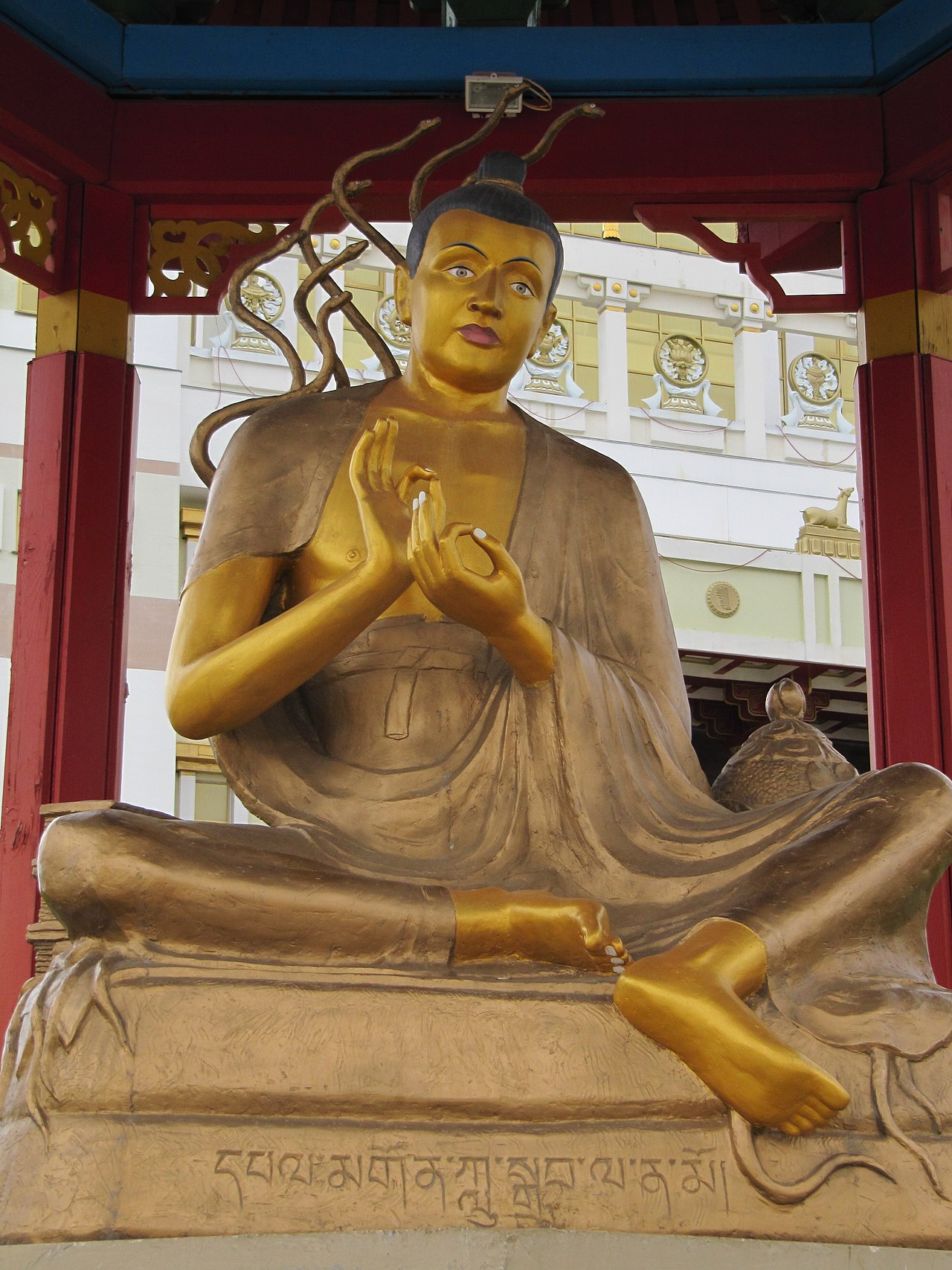
Nāgārjuna is widely regarded as one of the most important figures in the history of Buddhism. Born in ancient India in the 2nd century CE, Nāgārjuna was a monk and philosopher who founded the Madhyamaka tradition. His life and influence are not well documented, but it is clear that he had a profound impact on the development of Mahayana Buddhism. Nāgārjuna's philosophy is characterized by its emphasis on the concept of emptiness and the rejection of inherent existence. This philosophy has been highly influential in the development of Tibetan Buddhism and continues to be studied and practiced by scholars and practitioners around the world. The influence of Nāgārjuna can be seen in the work of other important Buddhist thinkers, such as Chandrakirti and Tsongkhapa.
💡 The Core Principles of Madhyamaka Philosophy
The core principles of Madhyamaka philosophy are centered on the concept of emptiness and the rejection of inherent existence. According to Madhyamaka, all phenomena lack inherent existence and are empty of inherent nature. This concept is often misunderstood as a form of nihilism, but it is actually a nuanced and complex philosophical position that seeks to understand the ultimate nature of reality. The Madhyamaka philosophy is also characterized by its emphasis on the two truths, which refers to the distinction between conventional truth and ultimate truth. This distinction is central to the Madhyamaka philosophy and is used to understand the relationship between the world of appearances and the ultimate nature of reality. The study of Madhyamaka philosophy is essential for anyone seeking to understand the complexities of Buddhist philosophy and its significance within the broader context of philosophy.
🔍 The Concept of Emptiness in Madhyamaka
The concept of emptiness is central to the Madhyamaka philosophy and is often misunderstood as a form of nihilism. However, emptiness is actually a nuanced and complex philosophical position that seeks to understand the ultimate nature of reality. According to Madhyamaka, all phenomena lack inherent existence and are empty of inherent nature. This concept is often illustrated using the example of a chariot, which is composed of various parts but lacks an inherent nature. The concept of emptiness is also closely related to the concept of dependent origination, which refers to the idea that all phenomena arise in dependence upon other factors. The study of emptiness is essential for anyone seeking to understand the complexities of Madhyamaka philosophy and its significance within the broader context of Buddhist studies.
🙏 The Role of Meditation in Madhyamaka Practice
Meditation plays a central role in the practice of Madhyamaka, as it is seen as a means of realizing the ultimate nature of reality. According to Madhyamaka, the ultimate nature of reality can be realized through the practice of mindfulness and the cultivation of wisdom. The practice of meditation is also closely related to the concept of emptiness, as it is seen as a means of realizing the empty nature of all phenomena. The Madhyamaka tradition places a strong emphasis on the importance of meditation and the cultivation of wisdom, and it is seen as an essential part of the path to enlightenment. The study of Madhyamaka meditation is essential for anyone seeking to understand the complexities of Buddhist meditation and its significance within the broader context of spirituality.
🌐 The Relationship Between Madhyamaka and Other Buddhist Traditions
Madhyamaka has a complex and nuanced relationship with other Buddhist traditions, such as Theravada and Vajrayana. While Madhyamaka is often seen as a distinct tradition within Mahayana Buddhism, it has also been influential in the development of other Buddhist traditions. The Madhyamaka philosophy has been highly influential in the development of Tibetan Buddhism, and it continues to be studied and practiced by scholars and practitioners around the world. The study of Madhyamaka is essential for anyone seeking to understand the complexities of Buddhist philosophy and its significance within the broader context of Buddhist studies.
📊 The Influence of Madhyamaka on Western Philosophy
Madhyamaka has also had a significant influence on Western philosophy, particularly in the areas of metaphysics and epistemology. The concept of emptiness has been influential in the development of postmodernism and deconstruction, and it continues to be studied and debated by philosophers around the world. The Madhyamaka philosophy has also been influential in the development of cognitive science and philosophy of mind, and it continues to be studied and applied in a variety of fields. The study of Madhyamaka is essential for anyone seeking to understand the complexities of philosophy and its significance within the broader context of Western philosophy.
🤝 The Debate Over Madhyamaka's Interpretation
The interpretation of Madhyamaka is a highly debated topic among scholars and practitioners. Some scholars interpret Madhyamaka as a form of nihilism, while others see it as a nuanced and complex philosophical position that seeks to understand the ultimate nature of reality. The debate over Madhyamaka's interpretation is ongoing, and it continues to be a topic of discussion and debate among scholars and practitioners around the world. The study of Madhyamaka is essential for anyone seeking to understand the complexities of Buddhist philosophy and its significance within the broader context of philosophy.
📚 Contemporary Madhyamaka Scholarship
Contemporary Madhyamaka scholarship is a thriving field of study, with scholars and practitioners around the world contributing to the ongoing discussion and debate about the nature and significance of Madhyamaka. The study of Madhyamaka is essential for anyone seeking to understand the complexities of Buddhist philosophy and its significance within the broader context of Buddhist studies. Contemporary Madhyamaka scholarship is characterized by its emphasis on the importance of interdisciplinary approaches and the need for a nuanced and complex understanding of the Madhyamaka philosophy. The study of Madhyamaka is essential for anyone seeking to understand the complexities of philosophy and its significance within the broader context of Western philosophy.
👨🎓 The Future of Madhyamaka Studies
The future of Madhyamaka studies is bright, with scholars and practitioners around the world continuing to contribute to the ongoing discussion and debate about the nature and significance of Madhyamaka. The study of Madhyamaka is essential for anyone seeking to understand the complexities of Buddhist philosophy and its significance within the broader context of Buddhist studies. The future of Madhyamaka studies will likely be characterized by its emphasis on the importance of interdisciplinary approaches and the need for a nuanced and complex understanding of the Madhyamaka philosophy. The study of Madhyamaka is essential for anyone seeking to understand the complexities of philosophy and its significance within the broader context of Western philosophy.
🕊️ Conclusion: The Enduring Significance of Madhyamaka
In conclusion, Madhyamaka is a complex and nuanced philosophical system that seeks to understand the ultimate nature of reality. The study of Madhyamaka is essential for anyone seeking to understand the complexities of Buddhist philosophy and its significance within the broader context of Buddhist studies. The Madhyamaka philosophy has had a profound impact on the development of Mahayana Buddhism and continues to be studied and practiced by scholars and practitioners around the world. The future of Madhyamaka studies is bright, and it will likely continue to be a topic of discussion and debate among scholars and practitioners for years to come.
Key Facts
- Year
- 150
- Origin
- Ancient India
- Category
- Philosophy and Religion
- Type
- Philosophical School
Frequently Asked Questions
What is Madhyamaka?
Madhyamaka is a tradition of Buddhist philosophy and practice that seeks to understand the ultimate nature of reality. It is characterized by its emphasis on the concept of emptiness and the rejection of inherent existence. Madhyamaka is a complex and nuanced philosophical system that has had a profound impact on the development of Mahayana Buddhism.
Who founded Madhyamaka?
Madhyamaka was founded by the Indian Buddhist monk and philosopher Nāgārjuna. Nāgārjuna is widely regarded as one of the most important figures in the history of Buddhism, and his philosophy has had a profound impact on the development of Mahayana Buddhism.
What is the concept of emptiness in Madhyamaka?
The concept of emptiness is central to the Madhyamaka philosophy and refers to the idea that all phenomena lack inherent existence. This concept is often misunderstood as a form of nihilism, but it is actually a nuanced and complex philosophical position that seeks to understand the ultimate nature of reality. The concept of emptiness is closely related to the concept of dependent origination, which refers to the idea that all phenomena arise in dependence upon other factors.
How does Madhyamaka relate to other Buddhist traditions?
Madhyamaka has a complex and nuanced relationship with other Buddhist traditions, such as Theravada and Vajrayana. While Madhyamaka is often seen as a distinct tradition within Mahayana Buddhism, it has also been influential in the development of other Buddhist traditions. The Madhyamaka philosophy has been highly influential in the development of Tibetan Buddhism, and it continues to be studied and practiced by scholars and practitioners around the world.
What is the significance of Madhyamaka in Western philosophy?
Madhyamaka has had a significant influence on Western philosophy, particularly in the areas of metaphysics and epistemology. The concept of emptiness has been influential in the development of postmodernism and deconstruction, and it continues to be studied and debated by philosophers around the world. The Madhyamaka philosophy has also been influential in the development of cognitive science and philosophy of mind, and it continues to be studied and applied in a variety of fields.
How does Madhyamaka relate to meditation and spiritual practice?
Meditation plays a central role in the practice of Madhyamaka, as it is seen as a means of realizing the ultimate nature of reality. According to Madhyamaka, the ultimate nature of reality can be realized through the practice of mindfulness and the cultivation of wisdom. The practice of meditation is also closely related to the concept of emptiness, as it is seen as a means of realizing the empty nature of all phenomena. The Madhyamaka tradition places a strong emphasis on the importance of meditation and the cultivation of wisdom, and it is seen as an essential part of the path to enlightenment.
What is the future of Madhyamaka studies?
The future of Madhyamaka studies is bright, with scholars and practitioners around the world continuing to contribute to the ongoing discussion and debate about the nature and significance of Madhyamaka. The study of Madhyamaka is essential for anyone seeking to understand the complexities of Buddhist philosophy and its significance within the broader context of Buddhist studies. The future of Madhyamaka studies will likely be characterized by its emphasis on the importance of interdisciplinary approaches and the need for a nuanced and complex understanding of the Madhyamaka philosophy.