
Contents
Overview
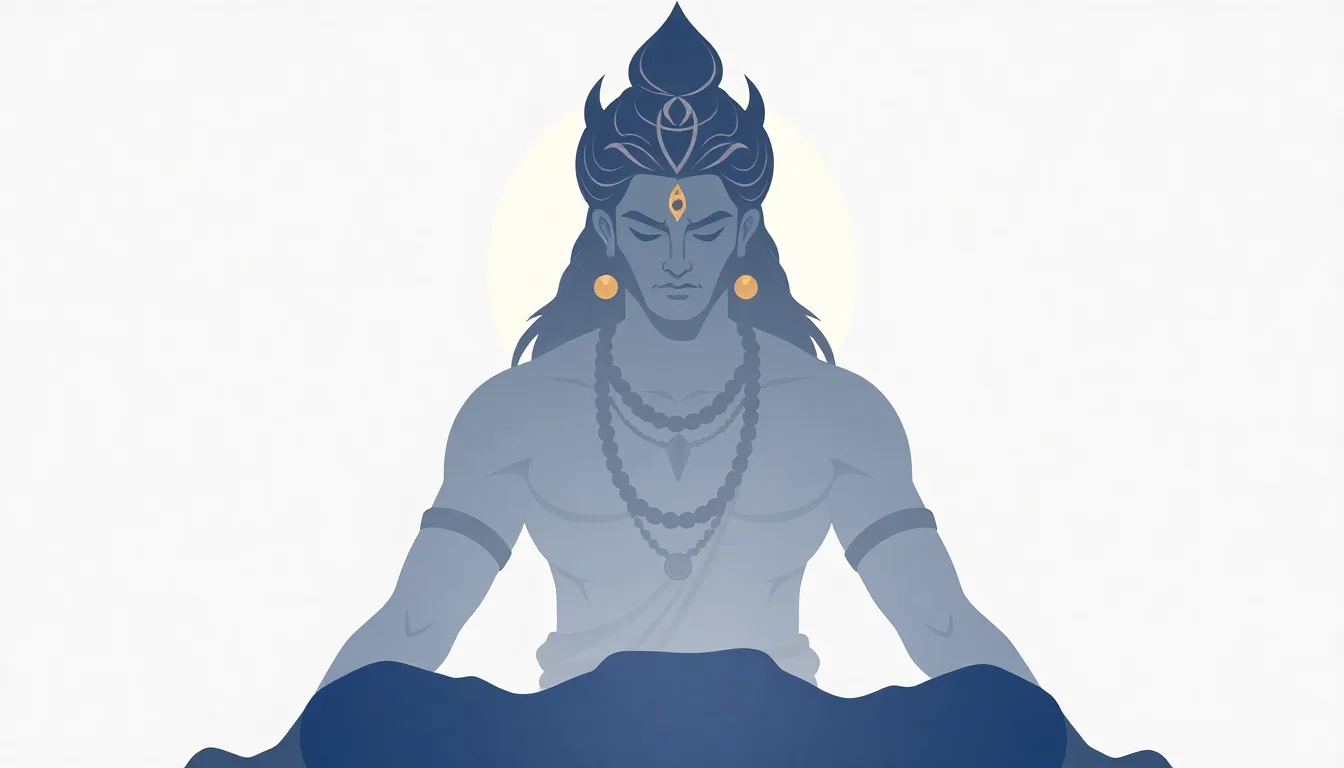
Mahadeva, a term that resonates deeply within the realms of Hindu mythology and Buddhist philosophy, holds a multitude of meanings and interpretations. At its core, Mahadeva is often associated with Lord Shiva, one of the principal deities of Hinduism, known for his role as the destroyer of the universe. This concept is intricately linked with the cyclical nature of time in Hinduism, where creation, preservation, and destruction are seen as eternal and interconnected processes. The worship of Mahadeva, or Shiva, is widespread and can be observed in various forms across Indian subcontinent. For those interested in the philosophical underpinnings of Mahadeva, exploring the Vedic scriptures and the Upanishadic teachings can provide profound insights.
🕉️ Mahadeva in Hinduism
In the context of Hinduism, Mahadeva embodies the supreme deity who transcends the mundane and represents the infinite and the eternal. His depiction as a yogi, a householder, and a destroyer symbolizes the complexity and multifaceted nature of human existence. The Puranic stories about Mahadeva offer a glimpse into his divine interventions in human affairs, highlighting the delicate balance between the divine and the human. The significance of Mahadeva in Hinduism is also reflected in the numerous Shiva Lingas found across the country, which serve as focal points for worship and meditation. For a deeper understanding of Mahadeva's role in Hindu mythology, one can refer to the Mahabharata and the Ramayana.
👑 Mahadeva as a Title
Beyond its religious connotations, Mahadeva has also been used as a title of reverence and respect for individuals who have achieved a high level of spiritual enlightenment or have demonstrated extraordinary capabilities. This title is bestowed upon those who embody the qualities of Mahadeva, such as wisdom, courage, and compassion. The concept of Mahadeva as a title underscores the human aspiration to transcend the mundane and achieve a state of unity with the divine. This idea is beautifully encapsulated in the teachings of Adi Shankaracharya, who emphasized the path of non-dualism as a means to attain spiritual liberation. The life and teachings of Ramana Maharshi also offer valuable insights into the concept of Mahadeva as a state of consciousness.
🕊️ Mahadeva in Buddhism
In Buddhism, Mahadeva is associated with the concept of the Bodhisattva ideal, where an individual strives to attain enlightenment not just for personal liberation but for the benefit of all sentient beings. This altruistic approach to spirituality resonates with the compassionate aspects of Mahadeva, highlighting the interconnectedness of all existence. The Buddhist scriptures, such as the Mahayana sutras, provide a detailed exposition of the Bodhisattva path and its relevance to the concept of Mahadeva. The influence of Buddhist thought on the evolution of Mahadeva as a concept can be seen in the Tantric traditions of both Hinduism and Buddhism.
🌍 Mahadeva in Geography
Geographically, the term Mahadeva is also associated with various locations and landmarks, such as the Mahadeva temples found in different parts of India and Nepal. These sites are not only significant for their architectural beauty but also for their historical and cultural importance. The Kailash Mountain in Tibet, considered the abode of Mahadeva, is a prominent pilgrimage site for both Hindus and Buddhists. The journey to these sites, such as the Char Dham Yatra, is often seen as a spiritual quest, symbolizing the journey of the soul towards its ultimate destination. For those interested in the geographical and cultural aspects of Mahadeva, exploring the Himalayan region can be a rewarding experience.
🏞️ Mahadeva Temples
The Mahadeva temples, scattered across the Indian subcontinent, are testaments to the enduring legacy of Mahadeva. These temples, with their intricate carvings and majestic structures, serve as centers of worship, learning, and cultural exchange. The Konark Sun Temple in Odisha and the Khajuraho temples in Madhya Pradesh are examples of the architectural excellence and artistic expression associated with the worship of Mahadeva. The Ellora Caves in Maharashtra, with their stunning sculptures and paintings, offer a glimpse into the rich cultural heritage of India. For a deeper appreciation of the artistic and architectural aspects of Mahadeva temples, one can refer to the works of Abanindranath Tagore and other artists who have been inspired by these monuments.
📚 Mahadeva in Literature
In literature, Mahadeva has been a subject of fascination for many authors and poets, who have explored his multifaceted personality and the philosophical themes associated with him. The works of Kalidasa, one of the greatest poets of ancient India, offer a beautiful portrayal of Mahadeva's divine love and his role in the cosmic drama. The Bhagavata Purana, with its detailed narratives of Mahadeva's exploits, is another significant literary work that sheds light on the mythology surrounding this deity. For those interested in the literary aspects of Mahadeva, reading the works of Rabindranath Tagore and other authors who have written about Mahadeva can be a enriching experience.
🎨 Mahadeva in Art
The depiction of Mahadeva in art, whether through paintings, sculptures, or dance, reflects the diverse and complex nature of this deity. The Nataraja form of Mahadeva, which represents the cosmic dance of creation and destruction, is a powerful symbol of the dynamic and eternal nature of the universe. The Tibetan thangkas, with their vivid colors and intricate designs, offer a glimpse into the mystical and spiritual aspects of Mahadeva. For a deeper understanding of the artistic representations of Mahadeva, one can explore the works of Amrita Sher-Gil and other artists who have been inspired by the mythology and philosophy of Mahadeva.
🕴️ Mahadeva in Popular Culture
In popular culture, Mahadeva has appeared in various forms of media, from films and television series to music and dance performances. The Bollywood film industry has produced numerous movies that feature Mahadeva as a central character or draw inspiration from his mythology. The Indian classical music tradition also reflects the influence of Mahadeva, with many compositions and ragas dedicated to his worship. For those interested in the cultural and social aspects of Mahadeva, exploring the Indian festival calendar can be a fascinating experience, as many festivals are associated with the worship and celebration of Mahadeva.
🤔 Controversies and Debates
Despite the profound cultural and spiritual significance of Mahadeva, there are controversies and debates surrounding his worship and the interpretation of his mythology. Some of these debates center around the caste system and the accessibility of Mahadeva worship to all segments of society. Others relate to the feminist critique of Mahadeva's role in Hindu mythology, particularly in relation to his treatment of women. For a nuanced understanding of these debates, one can refer to the works of Arundhati Roy and other authors who have written about the social and cultural implications of Mahadeva worship.
📊 Conclusion
In conclusion, Mahadeva represents a complex and multifaceted concept that encompasses the divine, the human, and the universal. Through his various forms and interpretations, Mahadeva continues to inspire, guide, and challenge individuals across different cultures and societies. As we reflect on the significance of Mahadeva, we are reminded of the profound impact of mythology and spirituality on human consciousness and the eternal quest for meaning and transcendence. For those who wish to delve deeper into the mysteries of Mahadeva, the Vibepedia platform offers a wealth of information and resources, including articles, videos, and podcasts that explore the many facets of this fascinating topic.
Key Facts
- Category
- topic
- Type
- topic
Frequently Asked Questions
Who is Mahadeva?
Mahadeva, often associated with Lord Shiva, is a concept that embodies the supreme deity in Hinduism, known for his role as the destroyer of the universe. He is also revered in Buddhism as a symbol of compassion and enlightenment. The worship of Mahadeva is widespread and can be observed in various forms across the Indian subcontinent. For a deeper understanding of Mahadeva, one can explore the Hindu mythology and the Buddhist philosophy.
What is the significance of Mahadeva in Hinduism?
In Hinduism, Mahadeva represents the supreme deity who transcends the mundane and represents the infinite and the eternal. His worship is significant as it symbolizes the human aspiration to transcend the mundane and achieve a state of unity with the divine. The Puranic stories about Mahadeva offer a glimpse into his divine interventions in human affairs, highlighting the delicate balance between the divine and the human. For a nuanced understanding of Mahadeva's role in Hinduism, one can refer to the Mahabharata and the Ramayana.
How is Mahadeva depicted in art?
The depiction of Mahadeva in art reflects the diverse and complex nature of this deity. The Nataraja form of Mahadeva, which represents the cosmic dance of creation and destruction, is a powerful symbol of the dynamic and eternal nature of the universe. The Tibetan thangkas, with their vivid colors and intricate designs, offer a glimpse into the mystical and spiritual aspects of Mahadeva. For a deeper understanding of the artistic representations of Mahadeva, one can explore the works of Amrita Sher-Gil and other artists who have been inspired by the mythology and philosophy of Mahadeva.
What is the relationship between Mahadeva and Buddhism?
In Buddhism, Mahadeva is associated with the concept of the Bodhisattva ideal, where an individual strives to attain enlightenment not just for personal liberation but for the benefit of all sentient beings. This altruistic approach to spirituality resonates with the compassionate aspects of Mahadeva, highlighting the interconnectedness of all existence. The Buddhist scriptures, such as the Mahayana sutras, provide a detailed exposition of the Bodhisattva path and its relevance to the concept of Mahadeva. For a nuanced understanding of the relationship between Mahadeva and Buddhism, one can refer to the works of Dalai Lama and other Buddhist scholars.
What are some of the controversies surrounding Mahadeva?
Despite the profound cultural and spiritual significance of Mahadeva, there are controversies and debates surrounding his worship and the interpretation of his mythology. Some of these debates center around the caste system and the accessibility of Mahadeva worship to all segments of society. Others relate to the feminist critique of Mahadeva's role in Hindu mythology, particularly in relation to his treatment of women. For a nuanced understanding of these debates, one can refer to the works of Arundhati Roy and other authors who have written about the social and cultural implications of Mahadeva worship.
How can one learn more about Mahadeva?
For those who wish to delve deeper into the mysteries of Mahadeva, the Vibepedia platform offers a wealth of information and resources, including articles, videos, and podcasts that explore the many facets of this fascinating topic. One can also explore the Hindu mythology and the Buddhist philosophy to gain a deeper understanding of Mahadeva's significance in these traditions. Additionally, reading the works of Rabindranath Tagore and other authors who have written about Mahadeva can be a enriching experience.
What is the cultural significance of Mahadeva?
Mahadeva represents a complex and multifaceted concept that encompasses the divine, the human, and the universal. Through his various forms and interpretations, Mahadeva continues to inspire, guide, and challenge individuals across different cultures and societies. The cultural significance of Mahadeva can be seen in the numerous festivals and rituals that are associated with his worship, as well as in the artistic and literary works that have been inspired by his mythology. For a nuanced understanding of the cultural significance of Mahadeva, one can refer to the works of Abanindranath Tagore and other artists who have been inspired by the mythology and philosophy of Mahadeva.