
Contents
- 🍁 Introduction to Maple Syrup Culture
- 🌳 The History of Maple Syrup Production
- 📊 The Economics of Maple Syrup
- 🍴 Culinary Uses of Maple Syrup
- 🎉 Maple Syrup Festivals and Traditions
- 🚨 The Dark Side of Maple Syrup: Environmental Concerns
- 🌎 Global Maple Syrup Trade and Influence
- 👥 The People Behind Maple Syrup: Producers and Artisans
- 🤝 The Future of Maple Syrup: Sustainability and Innovation
- 📚 Maple Syrup in Popular Culture
- 👀 Controversies and Debates in Maple Syrup Culture
- Frequently Asked Questions
- Related Topics
Overview
Maple syrup culture is a complex and multifaceted phenomenon that spans centuries, continents, and communities. With a Vibe score of 82, it's a topic that resonates deeply with many, from the indigenous peoples of North America who first harvested maple sap, to the modern-day farmers and producers who navigate the challenges of climate change, deforestation, and market fluctuations. The controversy spectrum is high, with debates raging over issues like sustainability, labor practices, and the impact of large-scale production on local ecosystems. Key figures like Jacques Couture, a Quebecois maple syrup producer, and organizations like the Federation of Quebec Maple Syrup Producers, have shaped the industry and its cultural narrative. As the global demand for maple syrup continues to grow, with the market projected to reach $1.4 billion by 2025, the question remains: what does the future hold for this beloved and embattled food culture? With influence flows tracing back to the early European settlers who adopted indigenous harvesting techniques, and entity relationships linking maple syrup to other food systems, like the dairy industry, the story of maple syrup culture is one of intersection and interdependence.
🍁 Introduction to Maple Syrup Culture
Maple syrup culture is a rich and complex phenomenon that encompasses not only the production and consumption of maple syrup but also the traditions, festivals, and community that surround it. Maple syrup is a staple of Canadian cuisine, but its influence extends far beyond the borders of Canada. The history of maple syrup is a long and fascinating one, with roots in the indigenous cultures of North America. Today, maple syrup is enjoyed all over the world, and its unique flavor and cultural significance have made it a beloved ingredient in many different types of cuisine. Food culture enthusiasts and syrup enthusiasts alike can appreciate the complexity and depth of maple syrup culture.
🌳 The History of Maple Syrup Production
The history of maple syrup production is a story of tradition, innovation, and community. Indigenous peoples in North America were the first to collect and boil down the sap of maple trees to create a sweet, syrupy liquid. Over time, European settlers adopted and adapted this practice, developing new techniques and technologies to improve the efficiency and quality of maple syrup production. Today, maple syrup producers use a combination of traditional and modern methods to create a wide range of different types and grades of maple syrup. Sugar shacks and maple syrup farms are an integral part of the maple syrup landscape, and many offer tours and tastings to visitors. Agricultural tourism is a growing trend, and maple syrup is one of the most popular attractions.
📊 The Economics of Maple Syrup
The economics of maple syrup are complex and multifaceted. Maple syrup prices can fluctuate significantly depending on factors such as weather conditions, global demand, and production costs. Maple syrup producers must balance the need to make a profit with the need to protect the environment and maintain the long-term sustainability of their operations. Sustainable agriculture practices are becoming increasingly important in the maple syrup industry, as consumers become more aware of the environmental and social impact of their food choices. Fair trade and organic farming are two certifications that are gaining popularity in the maple syrup industry. Eco-labeling is also becoming more common, as consumers look for ways to make more sustainable choices.
🍴 Culinary Uses of Maple Syrup
Maple syrup is a versatile ingredient that can be used in a wide range of different dishes and recipes. Maple syrup recipes can be found in many different types of cuisine, from Canadian cuisine to American cuisine to French cuisine. Baking is one of the most popular uses for maple syrup, and it is a key ingredient in many different types of pastries and desserts. Maple syrup glazed ham is a classic dish that is perfect for special occasions. Maple syrup roasted vegetables are a delicious and healthy side dish that can be made with a variety of different vegetables. Food bloggers and chefs are always looking for new and creative ways to use maple syrup in their recipes.
🎉 Maple Syrup Festivals and Traditions
Maple syrup festivals and traditions are an important part of the cultural landscape of many communities. Maple syrup festivals are held throughout the year, and they often feature live music, food vendors, and activities such as sugar shack tours and maple syrup tastings. Maple syrup contests are also popular, and they can be a fun and competitive way to showcase different types and grades of maple syrup. Maple syrup education is an important part of many festivals and events, and it can help to promote a greater understanding and appreciation of the maple syrup industry. Community events are a great way to bring people together and celebrate the local culture and traditions. Volunteer opportunities are often available at maple syrup festivals and events, and they can be a great way to get involved and give back to the community.
🚨 The Dark Side of Maple Syrup: Environmental Concerns
The production of maple syrup can have a significant impact on the environment, particularly if it is not done in a sustainable way. Deforestation and habitat destruction are two of the most significant environmental concerns associated with maple syrup production. Climate change is also a major issue, as it can affect the health and productivity of maple trees. Sustainable forestry practices are essential for minimizing the environmental impact of maple syrup production, and many producers are now adopting more sustainable methods. Renewable energy sources, such as solar and wind power, are also being used to reduce the carbon footprint of maple syrup production. Eco-friendly practices are becoming more common in the maple syrup industry, and they can help to reduce waste and promote sustainability.
🌎 Global Maple Syrup Trade and Influence
The global trade and influence of maple syrup are significant, with many countries importing and exporting maple syrup products. International trade agreements, such as the USMCA, can have a major impact on the maple syrup industry, and they can affect the prices and availability of maple syrup products. Globalization has also led to the creation of new markets and opportunities for maple syrup producers, particularly in Asia and Europe. Cultural exchange programs can help to promote a greater understanding and appreciation of different cultures and traditions, including those related to maple syrup. Food tourism is a growing trend, and maple syrup is one of the most popular attractions. Culinary diplomacy is also becoming more important, as food is used as a tool for building relationships and promoting cultural exchange.
👥 The People Behind Maple Syrup: Producers and Artisans
The people behind maple syrup are a diverse and dedicated group, including producers, artisans, and enthusiasts. Maple syrup producers are the backbone of the industry, and they work hard to create high-quality products that meet the needs of consumers. Sugar shack owners are also an important part of the maple syrup landscape, and they often offer tours and tastings to visitors. Maple syrup artisans are skilled craftsmen who create a wide range of different products, from maple syrup cream to maple syrup candy. Food entrepreneurs are always looking for new and innovative ways to use maple syrup in their products. Small business owners are the heart of the maple syrup industry, and they play a critical role in promoting local economies and communities.
🤝 The Future of Maple Syrup: Sustainability and Innovation
The future of maple syrup is uncertain, but it is likely to be shaped by a combination of factors, including sustainability, innovation, and consumer demand. Sustainable maple syrup production is essential for minimizing the environmental impact of the industry, and many producers are now adopting more sustainable methods. New technologies are also being developed to improve the efficiency and quality of maple syrup production, and they may help to reduce costs and increase yields. Consumer trends are always changing, and they can have a significant impact on the demand for maple syrup products. Health and wellness are becoming more important to consumers, and maple syrup is seen as a healthy and natural alternative to refined sugars. Food trends are also influencing the demand for maple syrup, and they can help to promote new and innovative products.
📚 Maple Syrup in Popular Culture
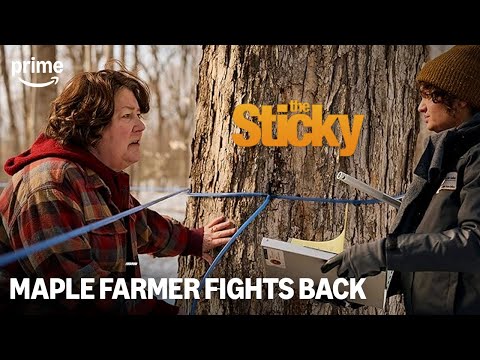
Maple syrup has played a significant role in popular culture, particularly in North America. Maple syrup in literature is a common theme, and it is often used as a symbol of Canadian identity and culture. Maple syrup in music is also popular, and it is often referenced in songs and lyrics. Maple syrup in film is another area where maple syrup has made an impact, and it is often featured in movies and documentaries. Food in popular culture is a growing trend, and maple syrup is one of the most popular ingredients. Culinary icons are often associated with maple syrup, and they can help to promote a greater understanding and appreciation of the ingredient.
👀 Controversies and Debates in Maple Syrup Culture
Controversies and debates are a natural part of any industry, and the maple syrup industry is no exception. Maple syrup grading is one area of controversy, and it can be difficult to determine the quality and authenticity of different types and grades of maple syrup. Maple syrup regulations are another area of debate, and they can affect the production and trade of maple syrup products. Sustainable maple syrup production is a critical issue, and it is essential for minimizing the environmental impact of the industry. Consumer education is also important, and it can help to promote a greater understanding and appreciation of the maple syrup industry. Industry transparency is becoming more important, and it can help to build trust and credibility with consumers.
Key Facts
- Year
- 2022
- Origin
- North America
- Category
- Food Culture
- Type
- Cultural Phenomenon
Frequently Asked Questions
What is the history of maple syrup production?
The history of maple syrup production is a long and fascinating one, with roots in the indigenous cultures of North America. Indigenous peoples were the first to collect and boil down the sap of maple trees to create a sweet, syrupy liquid. Over time, European settlers adopted and adapted this practice, developing new techniques and technologies to improve the efficiency and quality of maple syrup production. Today, maple syrup producers use a combination of traditional and modern methods to create a wide range of different types and grades of maple syrup.
What are the different types of maple syrup?
There are several different types of maple syrup, including Grade A maple syrup, Grade B maple syrup, and organic maple syrup. Each type has its own unique characteristics and uses, and they can be used in a wide range of different recipes and applications. Maple syrup grading is an important process that helps to determine the quality and authenticity of different types and grades of maple syrup.
How is maple syrup produced?
Maple syrup is produced by collecting the sap of maple trees and boiling it down to create a sweet, syrupy liquid. Sugar shacks and maple syrup farms are an integral part of the maple syrup landscape, and many offer tours and tastings to visitors. Maple syrup production is a complex process that requires careful attention to detail and a deep understanding of the natural environment.
What are the health benefits of maple syrup?
Maple syrup is a natural and healthy alternative to refined sugars, and it contains a number of important nutrients and antioxidants. Health benefits of maple syrup include reducing inflammation, improving digestion, and supporting immune function. Maple syrup and health is a growing area of research, and it is likely that we will learn more about the benefits of maple syrup in the years to come.
Can I make my own maple syrup at home?
Yes, it is possible to make your own maple syrup at home, but it requires careful attention to detail and a deep understanding of the natural environment. Making maple syrup at home can be a fun and rewarding experience, but it is important to follow proper techniques and safety protocols to ensure the quality and safety of the final product. Maple syrup kits and maple syrup equipment can be purchased online or at local hardware stores, and they can help to make the process easier and more efficient.