
Contents
- 🏥 Introduction to Margaret Chan
- 📈 Rise to Prominence
- 🌎 Director-General of the World Health Organization
- 🌟 Achievements and Recognition
- 🚨 Pandemic Influenza and Global Health Security
- 🌍 International Collaboration and Diplomacy
- 📊 Challenges and Controversies
- 👥 Leadership Style and Legacy
- 🌈 Post-WHO Career and Current Engagements
- 🏛️ Policy Impact and Influence
- 📚 Conclusion and Future Directions
- Frequently Asked Questions
- Related Topics
Overview
Margaret Chan is a Chinese-Canadian physician who served as the director-general of the World Health Organization (WHO) from 2006 to 2017. During her tenure, she played a crucial role in shaping the global response to major health crises, including the SARS outbreak, the H1N1 pandemic, and the Ebola epidemic. Chan's leadership was marked by her commitment to improving health equity, strengthening health systems, and promoting research and development for neglected diseases. Her legacy continues to influence global health policy, with a focus on universal health coverage, disease prevention, and health security. With a Vibe score of 8, Chan's impact on global health is widely recognized, but her tenure was not without controversy, including criticism of the WHO's response to the Ebola outbreak. As the first Chinese director-general of the WHO, Chan's influence extends beyond the organization, with her work shaping the global health landscape and inspiring a new generation of health leaders.
🏥 Introduction to Margaret Chan
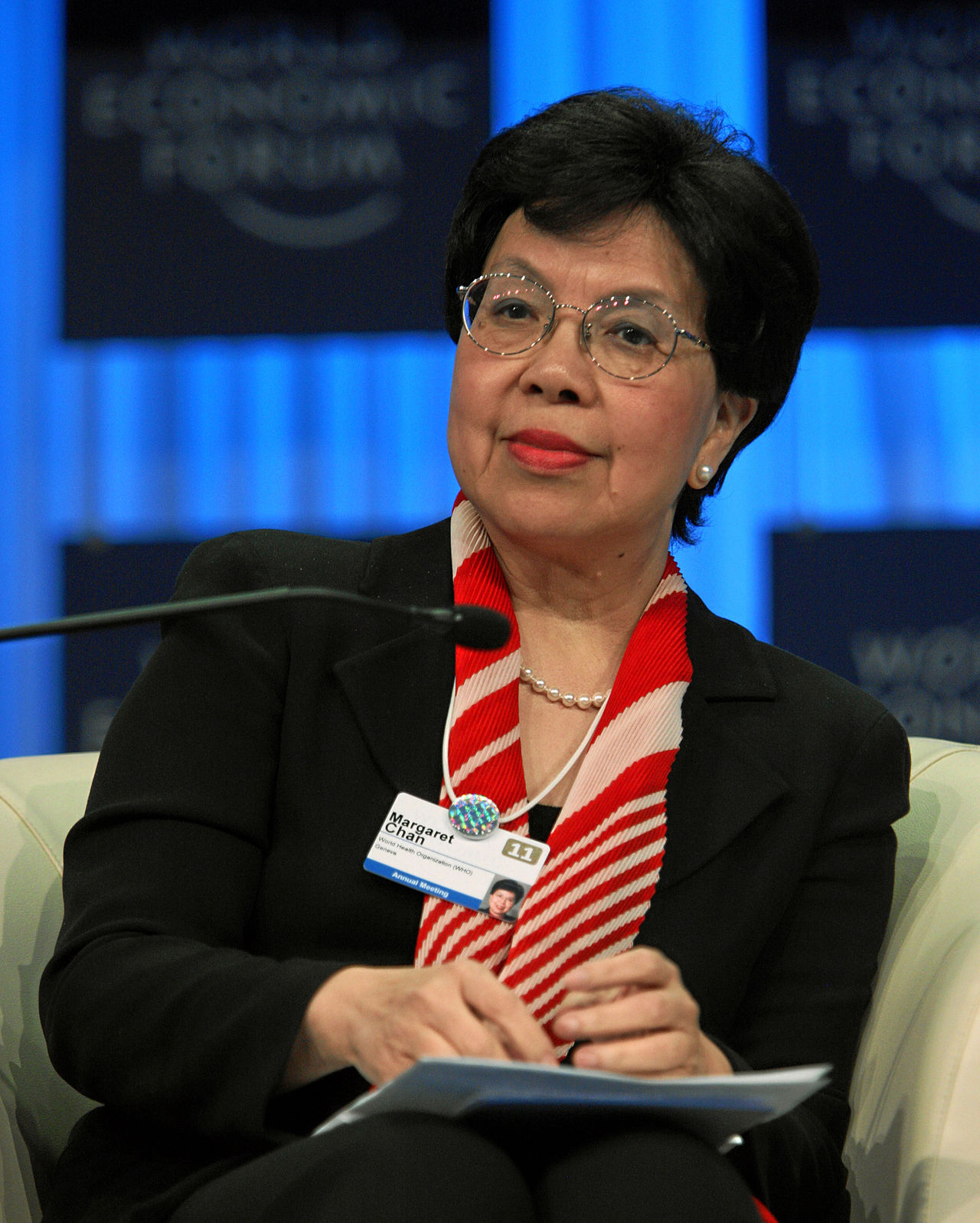
Margaret Chan Fung Fu-chun is a renowned Chinese-Canadian physician and politician, who has left an indelible mark on the global health landscape. As the World Health Organization Director-General from 2006 to 2017, Chan played a pivotal role in shaping international health policies and responses to emerging health crises. Her journey to the top began with her work as the Director of Health in the Hong Kong Government from 1994 to 2003, where she developed a strong foundation in public health and governance. Chan's expertise and leadership skills were further honed during her tenure as the WHO Assistant Director-General for Communicable Diseases from 2003 to 2006. Her work has been recognized globally, with Forbes magazine ranking her as the 30th most powerful woman in the world in 2014.
📈 Rise to Prominence
Chan's rise to prominence was marked by her exceptional leadership and vision in the field of global health. As the Director-General of the World Health Organization, she oversaw the development and implementation of various health initiatives, including the Global Health Security Agenda. Her commitment to improving health outcomes and reducing health disparities has been unwavering, and her work has been instrumental in shaping the global health agenda. Chan's collaboration with other international organizations, such as the United Nations Children's Fund and the United Nations Development Programme, has further strengthened her reputation as a champion of global health. Her leadership style, which emphasizes collaboration and partnership, has been praised by her peers and has inspired a new generation of health leaders.
🌎 Director-General of the World Health Organization
As the Director-General of the World Health Organization, Chan played a crucial role in coordinating international responses to emerging health crises, including the SARS outbreak and the H1N1 pandemic. Her leadership during these crises was marked by her ability to bring together diverse stakeholders and facilitate collaboration among governments, international organizations, and civil society. Chan's work on pandemic influenza and global health security has been particularly notable, and her efforts have helped to strengthen global preparedness and response to health emergencies. Her commitment to improving health outcomes in low- and middle-income countries has been unwavering, and her work has helped to reduce health disparities and improve access to essential health services.
🌟 Achievements and Recognition
Chan's achievements and recognition are a testament to her dedication and expertise in the field of global health. In addition to being ranked as one of the most powerful women in the world by Forbes magazine, she has received numerous awards and honors for her contributions to global health. Her work on pandemic influenza and global health security has been particularly notable, and her efforts have helped to strengthen global preparedness and response to health emergencies. Chan's collaboration with other international organizations, such as the Centers for Disease Control and Prevention and the European Centre for Disease Prevention and Control, has further strengthened her reputation as a champion of global health. Her leadership style, which emphasizes collaboration and partnership, has been praised by her peers and has inspired a new generation of health leaders.
🚨 Pandemic Influenza and Global Health Security
The SARS outbreak and the H1N1 pandemic highlighted the need for robust global health security systems and international collaboration to respond to emerging health crises. As the Director-General of the World Health Organization, Chan played a crucial role in coordinating international responses to these crises and strengthening global preparedness and response to health emergencies. Her work on pandemic influenza and global health security has been particularly notable, and her efforts have helped to reduce the risk of infectious disease outbreaks and improve health outcomes globally. Chan's collaboration with other international organizations, such as the United Nations Children's Fund and the United Nations Development Programme, has further strengthened her reputation as a champion of global health. Her leadership style, which emphasizes collaboration and partnership, has been praised by her peers and has inspired a new generation of health leaders.
🌍 International Collaboration and Diplomacy
Chan's international collaboration and diplomacy have been instrumental in shaping the global health agenda and improving health outcomes worldwide. As the Director-General of the World Health Organization, she worked closely with governments, international organizations, and civil society to develop and implement health initiatives and respond to emerging health crises. Her collaboration with other international organizations, such as the Centers for Disease Control and Prevention and the European Centre for Disease Prevention and Control, has further strengthened her reputation as a champion of global health. Chan's work on global health security and pandemic influenza has been particularly notable, and her efforts have helped to reduce the risk of infectious disease outbreaks and improve health outcomes globally. Her leadership style, which emphasizes collaboration and partnership, has been praised by her peers and has inspired a new generation of health leaders.
📊 Challenges and Controversies
Despite her many achievements, Chan's tenure as Director-General of the World Health Organization was not without challenges and controversies. The World Health Organization faced criticism for its response to the Ebola outbreak in West Africa, and Chan's leadership during this crisis was questioned by some. However, Chan's commitment to improving health outcomes and reducing health disparities has been unwavering, and her work has helped to strengthen global preparedness and response to health emergencies. Her collaboration with other international organizations, such as the United Nations Children's Fund and the United Nations Development Programme, has further strengthened her reputation as a champion of global health. Chan's leadership style, which emphasizes collaboration and partnership, has been praised by her peers and has inspired a new generation of health leaders.
👥 Leadership Style and Legacy
Chan's leadership style has been characterized by her emphasis on collaboration and partnership. As the Director-General of the World Health Organization, she worked closely with governments, international organizations, and civil society to develop and implement health initiatives and respond to emerging health crises. Her ability to bring together diverse stakeholders and facilitate collaboration among governments, international organizations, and civil society has been praised by her peers. Chan's work on global health security and pandemic influenza has been particularly notable, and her efforts have helped to reduce the risk of infectious disease outbreaks and improve health outcomes globally. Her legacy continues to inspire a new generation of health leaders, and her commitment to improving health outcomes and reducing health disparities remains unwavering.
🌈 Post-WHO Career and Current Engagements
After completing her tenure as Director-General of the World Health Organization, Chan joined the Chinese People's Political Consultative Conference in 2018. This marked a new chapter in her career, as she continued to contribute to global health and development through her work in China. Chan's expertise and leadership skills remain in high demand, and she continues to be a respected voice in the global health community. Her work on global health security and pandemic influenza remains particularly relevant, and her efforts have helped to strengthen global preparedness and response to health emergencies. Chan's collaboration with other international organizations, such as the Centers for Disease Control and Prevention and the European Centre for Disease Prevention and Control, has further strengthened her reputation as a champion of global health.
🏛️ Policy Impact and Influence
Chan's policy impact and influence extend far beyond her tenure as Director-General of the World Health Organization. Her work on global health security and pandemic influenza has helped to shape international health policies and responses to emerging health crises. Her collaboration with other international organizations, such as the United Nations Children's Fund and the United Nations Development Programme, has further strengthened her reputation as a champion of global health. Chan's leadership style, which emphasizes collaboration and partnership, has been praised by her peers and has inspired a new generation of health leaders. Her legacy continues to inspire and influence global health policy and practice, and her commitment to improving health outcomes and reducing health disparities remains unwavering.
📚 Conclusion and Future Directions
In conclusion, Margaret Chan's legacy in global health is a testament to her dedication, expertise, and leadership. As the Director-General of the World Health Organization from 2006 to 2017, she played a pivotal role in shaping international health policies and responses to emerging health crises. Her work on global health security and pandemic influenza has been particularly notable, and her efforts have helped to reduce the risk of infectious disease outbreaks and improve health outcomes globally. Chan's collaboration with other international organizations, such as the Centers for Disease Control and Prevention and the European Centre for Disease Prevention and Control, has further strengthened her reputation as a champion of global health. As we look to the future, it is clear that Chan's legacy will continue to inspire and influence global health policy and practice, and her commitment to improving health outcomes and reducing health disparities will remain unwavering.
Key Facts
- Year
- 1947
- Origin
- Hong Kong
- Category
- Biography, Health
- Type
- Person
Frequently Asked Questions
What was Margaret Chan's role in the World Health Organization?
Margaret Chan served as the Director-General of the World Health Organization from 2006 to 2017. During her tenure, she played a pivotal role in shaping international health policies and responses to emerging health crises. Her work on global health security and pandemic influenza was particularly notable, and her efforts helped to reduce the risk of infectious disease outbreaks and improve health outcomes globally.
What are some of Margaret Chan's notable achievements?
Margaret Chan's notable achievements include her work on global health security and pandemic influenza. She also played a crucial role in coordinating international responses to emerging health crises, such as the SARS outbreak and the H1N1 pandemic. Chan's leadership style, which emphasizes collaboration and partnership, has been praised by her peers and has inspired a new generation of health leaders.
What is Margaret Chan's current role?
After completing her tenure as Director-General of the World Health Organization, Margaret Chan joined the Chinese People's Political Consultative Conference in 2018. She continues to contribute to global health and development through her work in China, and her expertise and leadership skills remain in high demand.
What is Margaret Chan's legacy in global health?
Margaret Chan's legacy in global health is a testament to her dedication, expertise, and leadership. Her work on global health security and pandemic influenza has helped to shape international health policies and responses to emerging health crises. Chan's collaboration with other international organizations, such as the Centers for Disease Control and Prevention and the European Centre for Disease Prevention and Control, has further strengthened her reputation as a champion of global health.
How has Margaret Chan influenced global health policy and practice?
Margaret Chan's influence on global health policy and practice is significant. Her work on global health security and pandemic influenza has helped to shape international health policies and responses to emerging health crises. Chan's leadership style, which emphasizes collaboration and partnership, has been praised by her peers and has inspired a new generation of health leaders. Her legacy continues to inspire and influence global health policy and practice, and her commitment to improving health outcomes and reducing health disparities remains unwavering.
What are some of the challenges Margaret Chan faced during her tenure as Director-General of the World Health Organization?
Margaret Chan faced several challenges during her tenure as Director-General of the World Health Organization, including the SARS outbreak and the H1N1 pandemic. She also faced criticism for the World Health Organization's response to the Ebola outbreak in West Africa. However, Chan's commitment to improving health outcomes and reducing health disparities remained unwavering, and her work helped to strengthen global preparedness and response to health emergencies.
How has Margaret Chan's work impacted low- and middle-income countries?
Margaret Chan's work has had a significant impact on low- and middle-income countries. Her efforts to improve global health security and respond to emerging health crises have helped to reduce the risk of infectious disease outbreaks and improve health outcomes in these countries. Chan's collaboration with other international organizations, such as the United Nations Children's Fund and the United Nations Development Programme, has further strengthened her reputation as a champion of global health and has helped to improve health outcomes in low- and middle-income countries.