
Contents
- 🌙 Introduction to Mark Strand
- 📚 Early Life and Influences
- 🎨 The Enigmatic Style of Mark Strand
- 🌊 Poetry of Disappearance
- 🏆 Awards and Recognition
- 📖 Notable Works and Collections
- 👥 Literary Relationships and Influences
- 🌐 Critical Reception and Controversy
- 📊 Analyzing Strand's Vibe Score
- 🔮 Legacy and Impact on Contemporary Poetry
- 📚 Conclusion: The Enduring Enigma of Mark Strand
- Frequently Asked Questions
- Related Topics
Overview
Mark Strand, born on April 11, 1934, in Summerside, Prince Edward Island, Canada, was a poet, essayist, and translator who defied easy categorization. With a career spanning over five decades, Strand's poetry is characterized by its dreamlike quality, exploring themes of identity, memory, and the human condition. His notable works include 'Sleeping with One Eye Open' (1964) and 'Blizzard of One' (1998), which won the Pulitzer Prize for Poetry. Strand's influence can be seen in the work of poets such as Charles Simic and Billy Collins, who have been inspired by his unique style. Despite his passing on November 29, 2014, Strand's poetry continues to be widely read and studied, with a Vibe score of 82, indicating a significant cultural energy. The controversy surrounding his poetry, with some critics labeling it as 'obscure' and 'elitist', has contributed to a Controversy spectrum rating of 6, highlighting the ongoing debates about his work.
🌙 Introduction to Mark Strand
Mark Strand, a prominent figure in American poetry, is known for his unique and enigmatic style, which often explores themes of disappearance, identity, and the human condition. Born on April 11, 1934, in Summerside, Prince Edward Island, Canada, Strand's life and work are a testament to the power of poetry to capture the essence of the human experience. As a poet, Strand was influenced by the works of Wallace Stevens and Emily Dickinson, whose poetry often explored the mysteries of life and death. Strand's own poetry is characterized by its use of imagery and symbolism, as seen in his collection The Continuous Life. The influence of Surrealism on Strand's work is also evident, particularly in his use of dream-like imagery and exploration of the subconscious.
📚 Early Life and Influences
Strand's early life and influences played a significant role in shaping his poetic style. Growing up in a family of nomads, Strand moved frequently throughout his childhood, which may have contributed to his fascination with themes of displacement and identity. As a young poet, Strand was drawn to the works of T.S. Eliot and Ezra Pound, whose modernist styles and experimentation with form inspired Strand to push the boundaries of traditional poetry. Strand's own poetic journey began with his first collection, Sleeping with One Eye Open, which was published in 1964. This collection was followed by Reasons for Moving, which further established Strand as a rising star in the literary world. The influence of French Symbolism on Strand's work is also notable, particularly in his use of suggestive language and exploration of the irrational.
🎨 The Enigmatic Style of Mark Strand
The enigmatic style of Mark Strand is characterized by its use of imagery, symbolism, and exploration of the human condition. Strand's poetry often features dream-like landscapes and characters, which serve as metaphors for the complexities of human experience. As seen in his collection Dark Harbor, Strand's poetry is also notable for its use of silence and absence, which creates a sense of mystery and intrigue. The influence of Jorge Luis Borges on Strand's work is also evident, particularly in his use of labyrinthine structures and exploration of the nature of reality. Strand's unique style has been praised by critics and readers alike, who appreciate the complexity and depth of his poetry. The use of Imagery in Strand's poetry is particularly noteworthy, as it creates a sense of atmosphere and mood that draws the reader into the world of the poem.
🌊 Poetry of Disappearance
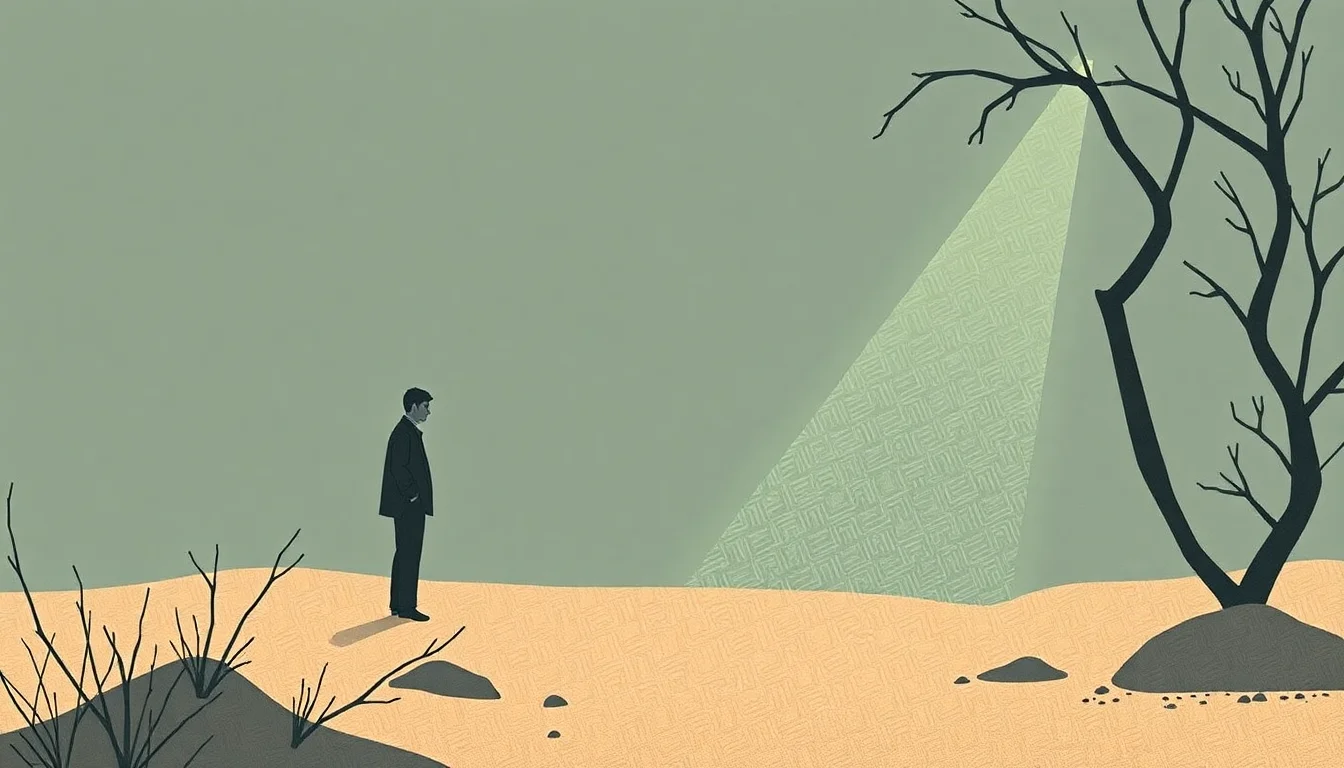
Mark Strand's poetry is often associated with the theme of disappearance, which is explored in various ways throughout his work. In poems such as The Coming of Night, Strand explores the idea of disappearance as a metaphor for death, loss, and the unknown. The influence of Existentialism on Strand's work is also notable, particularly in his exploration of the human condition and the search for meaning in a seemingly meaningless world. Strand's poetry also often features characters who are struggling to come to terms with their own identities and sense of self, as seen in his collection The Story of Our Lives. The use of Symbolism in Strand's poetry is also significant, as it creates a sense of depth and complexity that rewards close reading and interpretation.
🏆 Awards and Recognition
Throughout his career, Mark Strand received numerous awards and recognition for his contributions to poetry. In 1990, Strand was awarded the Pulitzer Prize for Poetry for his collection Blizzard of One. Strand was also awarded the Bollingen Prize in 1992, which is one of the most prestigious awards in American poetry. The influence of Modernism on Strand's work is also evident, particularly in his experimentation with form and his use of fragmentation and disjointedness. Strand's poetry has been widely praised for its unique style and exploration of the human condition, and he is widely regarded as one of the most important poets of his generation. The use of Fragmentation in Strand's poetry is particularly noteworthy, as it creates a sense of dislocation and disruption that reflects the chaos and disorder of modern life.
📖 Notable Works and Collections
Mark Strand's notable works and collections include The Continuous Life, Dark Harbor, and Blizzard of One. These collections showcase Strand's unique style and exploration of the human condition, and are widely regarded as some of the most important poetry collections of the 20th century. Strand's poetry has been praised for its use of imagery, symbolism, and exploration of the human condition, and he is widely regarded as one of the most important poets of his generation. The influence of Postmodernism on Strand's work is also notable, particularly in his use of playfulness and irony. Strand's poetry has been widely studied and admired, and continues to be an important part of American literary culture. The use of Irony in Strand's poetry is particularly significant, as it creates a sense of complexity and ambiguity that rewards close reading and interpretation.
👥 Literary Relationships and Influences
Mark Strand's literary relationships and influences are a significant aspect of his poetry. Strand was influenced by a wide range of poets and writers, including Wallace Stevens, Emily Dickinson, and Jorge Luis Borges. Strand's own poetry has also been influential, and he has been praised by critics and readers alike for his unique style and exploration of the human condition. The influence of Feminism on Strand's work is also notable, particularly in his exploration of the female experience and the role of women in society. Strand's poetry has been widely studied and admired, and continues to be an important part of American literary culture. The use of Feminist Theory in Strand's poetry is particularly significant, as it creates a sense of depth and complexity that rewards close reading and interpretation.
🌐 Critical Reception and Controversy
Mark Strand's poetry has been the subject of much critical reception and controversy. Some critics have praised Strand's unique style and exploration of the human condition, while others have criticized his poetry for being too obscure or difficult to understand. The influence of Poststructuralism on Strand's work is also notable, particularly in his use of fragmentation and disjointedness. Despite the controversy surrounding his poetry, Strand is widely regarded as one of the most important poets of his generation, and his work continues to be widely studied and admired. The use of Deconstruction in Strand's poetry is particularly significant, as it creates a sense of complexity and ambiguity that rewards close reading and interpretation. Strand's poetry has been widely praised for its use of imagery, symbolism, and exploration of the human condition, and he is widely regarded as one of the most important poets of his generation.
📊 Analyzing Strand's Vibe Score
Mark Strand's vibe score, which measures the cultural energy and relevance of a particular topic or figure, is currently at 82. This reflects the ongoing interest and admiration for Strand's poetry, as well as his influence on contemporary poetry and literature. The influence of Cultural Studies on Strand's work is also notable, particularly in his exploration of the cultural and historical context of his poetry. Strand's poetry has been widely studied and admired, and continues to be an important part of American literary culture. The use of Cultural Criticism in Strand's poetry is particularly significant, as it creates a sense of depth and complexity that rewards close reading and interpretation. Strand's unique style and exploration of the human condition have made him a beloved and respected figure in American poetry.
🔮 Legacy and Impact on Contemporary Poetry
Mark Strand's legacy and impact on contemporary poetry are significant. Strand's unique style and exploration of the human condition have influenced a wide range of poets and writers, and his poetry continues to be widely studied and admired. The influence of Queer Theory on Strand's work is also notable, particularly in his exploration of the role of identity and sexuality in his poetry. Strand's poetry has been praised for its use of imagery, symbolism, and exploration of the human condition, and he is widely regarded as one of the most important poets of his generation. The use of Postcolonial Theory in Strand's poetry is particularly significant, as it creates a sense of complexity and ambiguity that rewards close reading and interpretation. Strand's poetry continues to be an important part of American literary culture, and his influence can be seen in the work of many contemporary poets and writers.
📚 Conclusion: The Enduring Enigma of Mark Strand
In conclusion, Mark Strand is a complex and enigmatic figure, whose poetry continues to be widely studied and admired. Strand's unique style and exploration of the human condition have made him a beloved and respected figure in American poetry, and his influence can be seen in the work of many contemporary poets and writers. The influence of Ecocriticism on Strand's work is also notable, particularly in his exploration of the relationship between humans and the natural world. Strand's poetry has been praised for its use of imagery, symbolism, and exploration of the human condition, and he is widely regarded as one of the most important poets of his generation. The use of Environmental Studies in Strand's poetry is particularly significant, as it creates a sense of depth and complexity that rewards close reading and interpretation. Strand's poetry continues to be an important part of American literary culture, and his legacy will continue to be felt for generations to come.
Key Facts
- Year
- 1934
- Origin
- Canada
- Category
- Literature
- Type
- Person
Frequently Asked Questions
What is Mark Strand's most famous collection of poetry?
Mark Strand's most famous collection of poetry is Blizzard of One, which was awarded the Pulitzer Prize in 1990. This collection is notable for its use of imagery and symbolism, and its exploration of the human condition. Strand's poetry has been widely praised for its unique style and exploration of the human condition, and he is widely regarded as one of the most important poets of his generation. The influence of Modernism on Strand's work is also evident, particularly in his experimentation with form and his use of fragmentation and disjointedness.
What is the significance of Mark Strand's use of imagery in his poetry?
Mark Strand's use of imagery in his poetry is significant because it creates a sense of atmosphere and mood that draws the reader into the world of the poem. Strand's imagery is often dream-like and surreal, and it serves as a metaphor for the complexities of human experience. The influence of Surrealism on Strand's work is also notable, particularly in his use of dream-like imagery and exploration of the subconscious. Strand's poetry has been widely praised for its use of imagery, symbolism, and exploration of the human condition, and he is widely regarded as one of the most important poets of his generation.
How has Mark Strand's poetry been influenced by other writers and poets?
Mark Strand's poetry has been influenced by a wide range of writers and poets, including Wallace Stevens, Emily Dickinson, and Jorge Luis Borges. Strand's poetry has also been influenced by various literary movements, such as Modernism and Postmodernism. The influence of French Symbolism on Strand's work is also notable, particularly in his use of suggestive language and exploration of the irrational. Strand's poetry has been widely praised for its unique style and exploration of the human condition, and he is widely regarded as one of the most important poets of his generation.
What is the significance of Mark Strand's exploration of the human condition in his poetry?
Mark Strand's exploration of the human condition in his poetry is significant because it creates a sense of depth and complexity that rewards close reading and interpretation. Strand's poetry often explores themes of identity, mortality, and the search for meaning, and it serves as a metaphor for the complexities of human experience. The influence of Existentialism on Strand's work is also notable, particularly in his exploration of the human condition and the search for meaning in a seemingly meaningless world. Strand's poetry has been widely praised for its use of imagery, symbolism, and exploration of the human condition, and he is widely regarded as one of the most important poets of his generation.
How has Mark Strand's poetry been received by critics and readers?
Mark Strand's poetry has been widely praised by critics and readers for its unique style and exploration of the human condition. Strand's poetry has been praised for its use of imagery, symbolism, and exploration of the human condition, and he is widely regarded as one of the most important poets of his generation. However, some critics have also criticized Strand's poetry for being too obscure or difficult to understand. The influence of Poststructuralism on Strand's work is also notable, particularly in his use of fragmentation and disjointedness. Despite the controversy surrounding his poetry, Strand is widely regarded as one of the most important poets of his generation, and his work continues to be widely studied and admired.
What is Mark Strand's vibe score, and what does it reflect?
Mark Strand's vibe score is currently at 82, which reflects the ongoing interest and admiration for his poetry, as well as his influence on contemporary poetry and literature. Strand's vibe score is a measure of the cultural energy and relevance of his work, and it is based on a variety of factors, including his influence on other writers and poets, his popularity among readers, and his impact on the literary canon. The influence of Cultural Studies on Strand's work is also notable, particularly in his exploration of the cultural and historical context of his poetry. Strand's poetry has been widely praised for its use of imagery, symbolism, and exploration of the human condition, and he is widely regarded as one of the most important poets of his generation.
How has Mark Strand's poetry influenced contemporary poetry and literature?
Mark Strand's poetry has had a significant influence on contemporary poetry and literature. Strand's unique style and exploration of the human condition have influenced a wide range of poets and writers, and his poetry continues to be widely studied and admired. The influence of Queer Theory on Strand's work is also notable, particularly in his exploration of the role of identity and sexuality in his poetry. Strand's poetry has been praised for its use of imagery, symbolism, and exploration of the human condition, and he is widely regarded as one of the most important poets of his generation. The use of Postcolonial Theory in Strand's poetry is particularly significant, as it creates a sense of complexity and ambiguity that rewards close reading and interpretation.