
Contents
- 🔍 Introduction to Memory
- 💡 The Science of Memory Encoding
- 📚 The Role of Memory in Learning
- 👥 Memory and Social Relationships
- 🔒 Memory Loss and Forgetting
- 💭 The Impact of Technology on Memory
- 🧠 The Neuroscience of Memory
- 📊 Memory and Decision Making
- 📈 The Future of Memory Research
- 🤝 Memory and Personal Identity
- 📝 Conclusion: The Shifting Landscape of Memory
- Frequently Asked Questions
- Related Topics
Overview
Memory, a fundamental aspect of human experience, has been a subject of fascination across disciplines, from neuroscience and psychology to philosophy and literature. The concept of memory encompasses not only the biological processes that enable us to store and retrieve information but also the cultural, social, and personal narratives that shape our understanding of the past. With advancements in neurotechnology and the advent of digital storage, the boundaries between human and artificial memory are becoming increasingly blurred. This raises critical questions about the nature of identity, the reliability of recollection, and the future of human memory in the digital age. Researchers like Eric Kandel and Suzanne Corkin have significantly contributed to our understanding of memory through their studies on the neural basis of memory formation and consolidation. As we move forward, the intersection of memory and technology will continue to redefine how we perceive, retain, and recall information, challenging traditional notions of memory and its role in defining who we are.
🔍 Introduction to Memory
The concept of memory is complex and multifaceted, and has been studied extensively in the field of Cognitive Science. Memory is the faculty of the mind by which data or information is encoded, stored, and retrieved when needed. It is the retention of information over time for the purpose of influencing future action. As noted by Elizabeth Loftus, a renowned psychologist, memory is a crucial aspect of human cognition, and its study has significant implications for our understanding of Human Behavior. For instance, the work of Daniel Schacter has highlighted the importance of memory in shaping our sense of Personal Identity.
💡 The Science of Memory Encoding
The process of memory encoding is a critical aspect of memory formation. According to Robert Bjork, a leading researcher in the field, encoding is the process by which information is converted into a format that can be stored in memory. This process involves the activation of specific Neural Networks in the brain, which are responsible for the consolidation of information from short-term to long-term memory. As discussed in Memory Theories, the process of encoding is influenced by a range of factors, including attention, motivation, and prior knowledge. Furthermore, the concept of Working Memory plays a crucial role in this process, as it allows us to temporarily hold and manipulate information in our minds.
📚 The Role of Memory in Learning
Memory plays a vital role in the learning process, as it enables us to retain and recall information over time. As noted by Benjamin Bloom, a prominent educational psychologist, memory is a critical component of the learning process, and its development is essential for academic success. The process of learning involves the formation of new connections between Neurons in the brain, which are strengthened through repetition and practice. This process is influenced by a range of factors, including Motivation, Attention, and prior knowledge. For example, the concept of Spaced Repetition has been shown to be an effective technique for improving memory and learning outcomes.
🔒 Memory Loss and Forgetting
Memory loss is a common experience that can have significant consequences for individuals and society. As noted by Alan Baddeley, a leading researcher in the field, memory loss can result from a range of factors, including Aging, Brain Injury, and Neurological Disorders. The process of forgetting is a complex and multifaceted phenomenon, which is influenced by a range of factors, including Memory Decay, Interference, and Retrieval Failure. For example, the concept of Tip of the Tongue Phenomenon highlights the frustration and difficulty that can occur when we are unable to retrieve information from memory.
💭 The Impact of Technology on Memory
The impact of technology on memory is a topic of significant interest and debate. According to Clive Thompson, a technology writer, the widespread use of digital devices and social media has led to a range of changes in the way we process and retain information. The process of Information Overload can result in a range of negative consequences, including Memory Impairment and Cognitive Overload. However, technology also offers a range of tools and strategies for improving memory and learning outcomes, such as Mnemonic Devices and Spaced Repetition. For instance, the concept of Lifelogging has been shown to be an effective technique for improving memory and reflection.
🧠 The Neuroscience of Memory
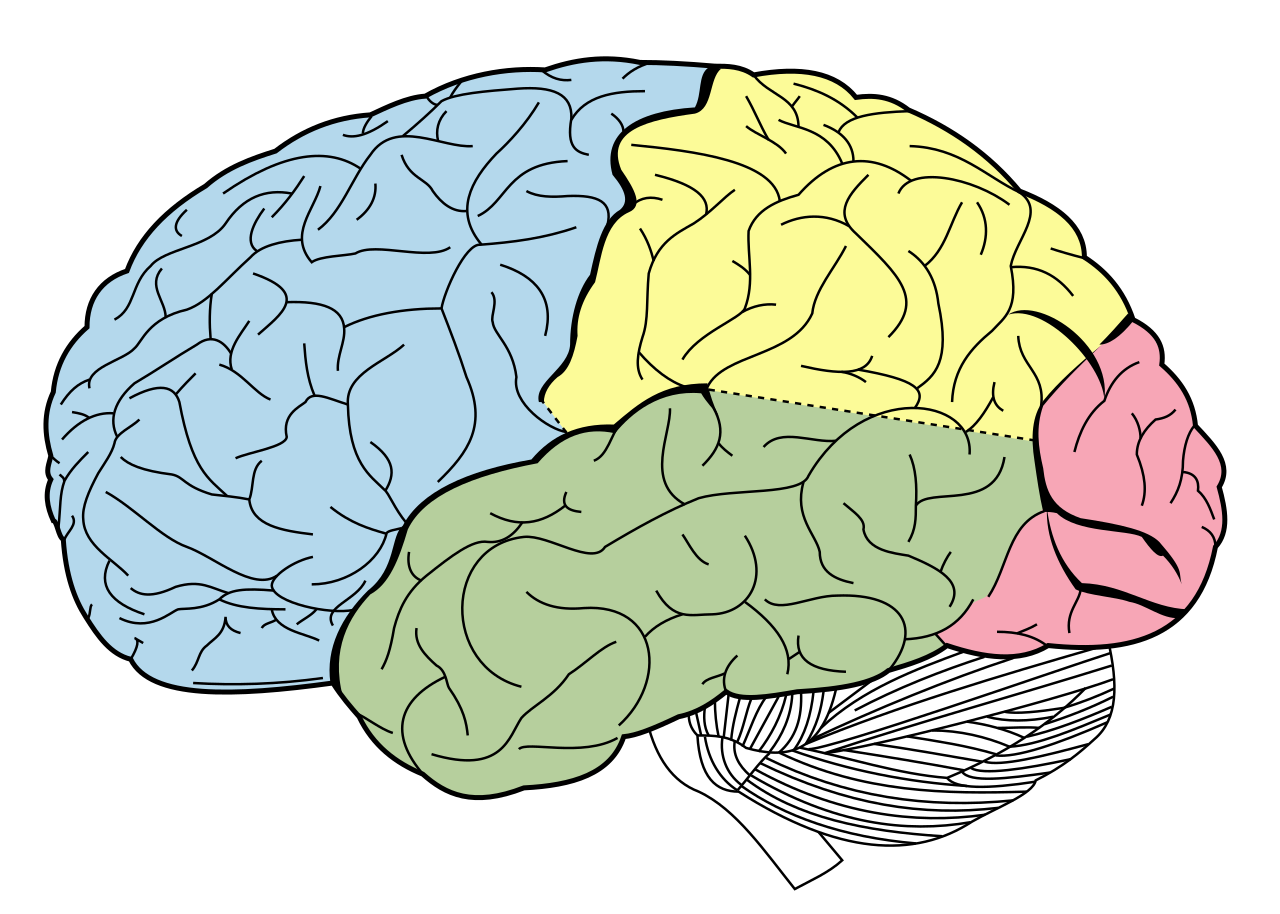
The neuroscience of memory is a rapidly evolving field, which has significant implications for our understanding of the neural basis of memory. According to Eric Kandel, a Nobel laureate, the process of memory formation involves the activation of specific Neural Pathways in the brain, which are responsible for the consolidation of information from short-term to long-term memory. The process of Neuroplasticity enables the brain to reorganize and adapt in response to new experiences and learning. For example, the concept of Synaptic Pruning highlights the importance of eliminating unnecessary neural connections in order to refine and strengthen memory.
📊 Memory and Decision Making
Memory plays a critical role in decision making, as it enables us to recall and evaluate information over time. According to Daniel Kahneman, a Nobel laureate, memory is a key component of the decision-making process, and its impairment can have significant consequences for judgment and choice. The process of Memory Bias can result in a range of negative consequences, including Confirmation Bias and Hindsight Bias. However, memory also offers a range of opportunities for improving decision making, such as Experience-Based Decision Making and Reflective Practice. For instance, the concept of Sunk Cost Fallacy highlights the importance of considering the potential consequences of our decisions.
📈 The Future of Memory Research
The future of memory research is a topic of significant interest and debate. According to James McGilchrist, a neuroscientist, the development of new technologies and methodologies has significant implications for our understanding of the neural basis of memory. The process of Brain-Computer Interfaces enables individuals to control devices with their thoughts, and has significant potential for improving memory and learning outcomes. For example, the concept of Neurofeedback has been shown to be an effective technique for improving cognitive function and memory.
🤝 Memory and Personal Identity
Memory is closely tied to personal identity, as it enables us to recall and recognize our experiences, relationships, and achievements. According to Daniel Schacter, a leading researcher in the field, memory is a critical component of personal identity, and its impairment can have significant consequences for self-awareness and self-concept. The process of Autobiographical Memory enables us to recall and reflect on our past experiences, and has significant implications for our understanding of Self-Identity. For instance, the concept of Narrative Identity highlights the importance of storytelling and reflection in shaping our sense of self.
📝 Conclusion: The Shifting Landscape of Memory
In conclusion, the shifting landscape of memory is a complex and multifaceted topic, which has significant implications for our understanding of human cognition and behavior. As noted by Elizabeth Loftus, the study of memory has significant implications for a range of fields, including Psychology, Education, and Neuroscience. The process of memory formation and retrieval is influenced by a range of factors, including Attention, Motivation, and prior knowledge. By understanding the complex and dynamic nature of memory, we can develop new strategies and technologies for improving memory and learning outcomes, and enhancing our overall quality of life.
Key Facts
- Year
- 2023
- Origin
- Ancient Greece, with contributions from philosophers like Plato and Aristotle
- Category
- Cognitive Science
- Type
- Concept
Frequently Asked Questions
What is memory and why is it important?
Memory is the faculty of the mind by which data or information is encoded, stored, and retrieved when needed. It is essential for learning, social relationships, and personal identity. Without memory, it would be impossible for language, relationships, or personal identity to develop.
What are the different types of memory?
There are several types of memory, including Sensory Memory, Short-Term Memory, and Long-Term Memory. Each type of memory has a distinct function and plays a critical role in the process of memory formation and retrieval.
How does memory loss occur?
Memory loss can occur due to a range of factors, including Aging, Brain Injury, and Neurological Disorders. The process of forgetting is complex and multifaceted, and is influenced by a range of factors, including Memory Decay, Interference, and Retrieval Failure.
Can memory be improved?
Yes, memory can be improved through a range of strategies and techniques, including Mnemonic Devices, Spaced Repetition, and Cognitive Training. Additionally, a healthy lifestyle, including regular exercise, a balanced diet, and adequate sleep, can also help to support memory and cognitive function.
What is the relationship between memory and technology?
The impact of technology on memory is a topic of significant interest and debate. While technology offers a range of tools and strategies for improving memory and learning outcomes, it also poses a range of challenges, including Information Overload and Cognitive Overload. By understanding the complex and dynamic nature of memory, we can develop new strategies and technologies for improving memory and learning outcomes, and enhancing our overall quality of life.
How does memory relate to personal identity?
Memory is closely tied to personal identity, as it enables us to recall and recognize our experiences, relationships, and achievements. The process of Autobiographical Memory enables us to recall and reflect on our past experiences, and has significant implications for our understanding of Self-Identity.
What are the implications of memory research for education and learning?
The study of memory has significant implications for education and learning, as it enables us to develop new strategies and technologies for improving memory and learning outcomes. By understanding the complex and dynamic nature of memory, we can develop more effective teaching methods and learning strategies, and enhance our overall quality of life.