
Contents
- 🌄 Introduction to Mesopotamia
- 🏙️ The Rise of Urban Centers
- 🌾 Agriculture and the Fertile Crescent
- 📚 The Emergence of Writing
- 👑 Governance and Politics
- 🏛️ Architecture and Engineering
- 💡 Science and Technology
- 📜 Culture and Society
- 🕊️ Religion and Mythology
- 📊 Economy and Trade
- 🔪 Conflict and Warfare
- 👋 Legacy of Mesopotamia
- Frequently Asked Questions
- Related Topics
Overview
Mesopotamian civilization, which flourished between 4500 and 539 BCE, is widely regarded as one of the most influential and formative periods in human history. The region, situated between the Tigris and Euphrates rivers, saw the emergence of complex cities, sophisticated irrigation systems, and the development of writing, with the Sumerians creating cuneiform around 3200 BCE. The Mesopotamians made significant contributions to astronomy, mathematics, and governance, with the Code of Hammurabi (circa 1754 BCE) being one of the earliest surviving legal codes. The civilization was marked by a series of rises and falls of powerful city-states and empires, including the Akkadian, Babylonian, and Assyrian empires. With a Vibe score of 85, Mesopotamian civilization continues to captivate historians and the general public alike, offering insights into the evolution of human society and the enduring legacy of its achievements. As we look to the future, understanding the dynamics of Mesopotamian civilization can provide valuable lessons for modern urban planning, governance, and cultural development.
🌄 Introduction to Mesopotamia
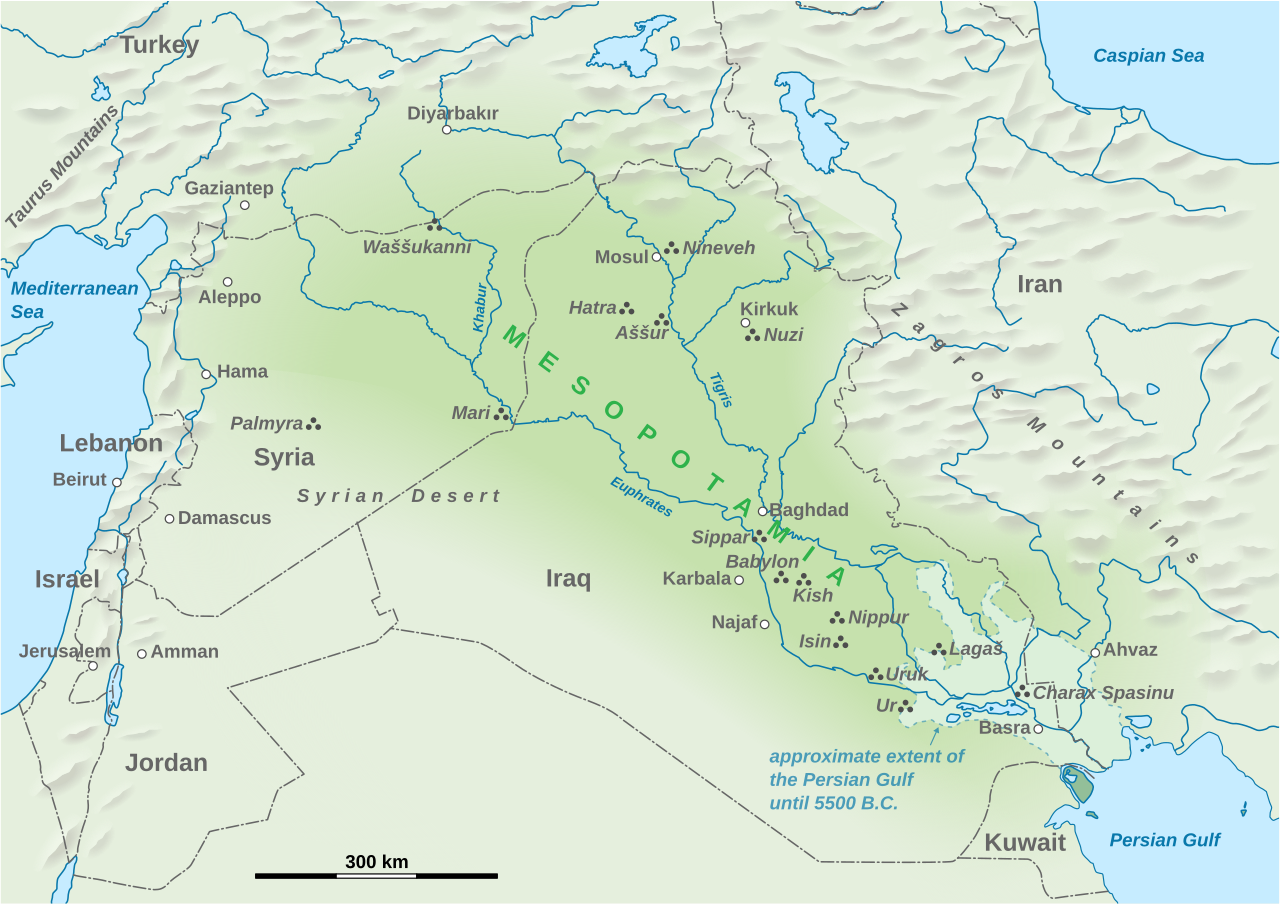
Mesopotamia, which translates to 'land between the rivers,' is a historical region of West Asia situated within the Tigris–Euphrates river system, in the northern part of the Fertile Crescent. This region corresponds roughly to the territory of modern Iraq. Just beyond it lies southwestern Iran, where the region transitions into the Persian plateau, marking the shift from the Arab world to Iran. The strategic location of Mesopotamia made it a hub for trade and cultural exchange. The region's fertile soil and abundant water supply supported the growth of agriculture, which in turn enabled the development of urban centers. As the cradle of urbanity, Mesopotamia played a significant role in shaping the course of human history.
🏙️ The Rise of Urban Centers
The rise of urban centers in Mesopotamia was a gradual process that began around 4500 BCE. The Sumerians, one of the earliest civilizations in Mesopotamia, established cities such as Ur and Uruk. These cities were characterized by their sophisticated irrigation systems, which allowed for the cultivation of crops in the fertile plains. The growth of cities led to the development of specialization and division of labor, which in turn drove innovation and progress. The Babylonians and Assyrians also made significant contributions to the development of urban centers in Mesopotamia, with cities like Babylon and Nineveh becoming major centers of trade and culture.
🌾 Agriculture and the Fertile Crescent
Agriculture was the backbone of Mesopotamian civilization, and the region's fertile soil and favorable climate made it an ideal place for farming. The Fertile Crescent was home to some of the earliest domesticated plants and animals, including wheat, barley, and sheep. The development of irrigation systems allowed for the cultivation of crops in areas that would otherwise be unsuitable for farming. This led to the growth of cities and the development of trade networks, which connected Mesopotamia to other regions in the ancient world. The Sumerians and other Mesopotamian civilizations made significant contributions to the development of agriculture, including the invention of the plow and the development of crop rotation.
📚 The Emergence of Writing
The emergence of writing in Mesopotamia was a major milestone in the development of human civilization. The Sumerians invented cuneiform, one of the earliest forms of writing, around 3500 BCE. This allowed for the recording of laws, business transactions, and literary works, which in turn enabled the development of complex societies. The Babylonians and Assyrians also made significant contributions to the development of writing, with the creation of libraries and scribal schools. The most famous literary work from Mesopotamia is the Epic of Gilgamesh, which is considered to be one of the earliest surviving works of literature.
👑 Governance and Politics
Governance and politics played a significant role in the development of Mesopotamian civilization. The Sumerians established a system of city-states, each with its own ruler and government. The Babylonians and Assyrians developed more complex systems of government, with the creation of empires and bureaucracies. The Code of Hammurabi, created by the Babylonians, is one of the earliest surviving examples of a written code of law. This code established rules for governance, trade, and social behavior, and it had a significant impact on the development of law and governance in the ancient world.
🏛️ Architecture and Engineering
The architecture and engineering of Mesopotamia were characterized by the use of mud bricks and the development of irrigation systems. The ziggurat, a type of stepped pyramid, was a common feature of Mesopotamian cities. The Hanging Gardens of Babylon, one of the Seven Wonders of the Ancient World, was a testament to the engineering skills of the Babylonians. The Sumerians and other Mesopotamian civilizations also made significant contributions to the development of architecture, including the invention of the arch and the development of vaulted roofs.
💡 Science and Technology
The science and technology of Mesopotamia were highly developed, with significant contributions to the fields of astronomy, mathematics, and medicine. The Babylonians developed a system of mathematics that was based on the number 60, which is why we have 60 seconds in a minute and 60 minutes in an hour. The Sumerians and other Mesopotamian civilizations also made significant contributions to the development of astronomy, including the creation of star catalogs and the development of astrology.
📜 Culture and Society
The culture and society of Mesopotamia were highly developed, with a strong emphasis on family and community. The Sumerians and other Mesopotamian civilizations placed a high value on education and literacy, with the creation of schools and libraries. The Babylonians and Assyrians also made significant contributions to the development of art and music, with the creation of intricate mosaics and lyres.
🕊️ Religion and Mythology
The religion and mythology of Mesopotamia were highly developed, with a complex pantheon of gods and goddesses. The Sumerians and other Mesopotamian civilizations believed in a multitude of gods, each with their own powers and responsibilities. The Babylonians and Assyrians also made significant contributions to the development of mythology, with the creation of epic stories like the Epic of Gilgamesh. The Mesopotamian cosmology was complex and multifaceted, with a strong emphasis on the role of the gods in shaping the universe.
📊 Economy and Trade
The economy and trade of Mesopotamia were highly developed, with a strong emphasis on agriculture and commerce. The Sumerians and other Mesopotamian civilizations developed a system of trade that connected them to other regions in the ancient world. The Babylonians and Assyrians also made significant contributions to the development of economy, with the creation of markets and merchants. The Mesopotamian economy was characterized by a strong emphasis on bartering and mercantilism.
🔪 Conflict and Warfare
The conflict and warfare of Mesopotamia were frequent and intense, with many cities and empires rising and falling over the centuries. The Sumerians and other Mesopotamian civilizations developed a system of warfare that was characterized by the use of chariots and infantry. The Babylonians and Assyrians also made significant contributions to the development of military tactics, with the creation of siege engines and fortifications. The Mesopotamian wars had a significant impact on the development of the region, with many cities and empires rising and falling over the centuries.
👋 Legacy of Mesopotamia
The legacy of Mesopotamia is profound and far-reaching, with significant contributions to the development of writing, governance, and science. The Sumerians and other Mesopotamian civilizations laid the foundations for the development of Western civilization, with the creation of cities, governments, and institutions. The Babylonians and Assyrians also made significant contributions to the development of art, literature, and architecture. The Mesopotamian legacy continues to shape our world today, with many of the ideas and innovations developed in Mesopotamia still influencing our lives.
Key Facts
- Year
- 4500
- Origin
- Mesopotamia (modern-day Iraq, Kuwait, and parts of Syria, Turkey, and Iran)
- Category
- History
- Type
- Historical Civilization
Frequently Asked Questions
What was the significance of Mesopotamia in the ancient world?
Mesopotamia was a significant region in the ancient world, with major contributions to the development of writing, governance, and science. The region was home to some of the earliest civilizations, including the Sumerians, Babylonians, and Assyrians. Mesopotamia was also a hub for trade and cultural exchange, with connections to other regions in the ancient world.
What were some of the major achievements of the Mesopotamian civilizations?
The Mesopotamian civilizations achieved many significant things, including the invention of writing, the development of governance and politics, and the creation of architecture and engineering marvels like the Hanging Gardens of Babylon. They also made significant contributions to the development of science, mathematics, and medicine.
What was the role of women in Mesopotamian society?
The role of women in Mesopotamian society varied depending on the civilization and the time period. In general, women played a significant role in family and community life, with responsibilities for childcare, household management, and agriculture. Women also played a role in trade and commerce, with some women owning and operating their own businesses.
What was the significance of the [[epic_of_gilgamesh|Epic of Gilgamesh]] in Mesopotamian literature?
The Epic of Gilgamesh is one of the most famous works of literature from Mesopotamia, and it is considered to be one of the earliest surviving examples of a written epic. The epic tells the story of Gilgamesh, a king of Uruk who embarks on a series of adventures and quests. The epic explores themes of friendship, love, and mortality, and it has had a significant influence on literature and art throughout history.
What was the impact of Mesopotamia on the development of Western civilization?
Mesopotamia had a significant impact on the development of Western civilization, with contributions to the development of writing, governance, and science. The region was also a hub for trade and cultural exchange, with connections to other regions in the ancient world. The ideas and innovations developed in Mesopotamia, such as the concept of cities and governments, have continued to shape our world today.
What were some of the major challenges faced by the Mesopotamian civilizations?
The Mesopotamian civilizations faced many significant challenges, including drought, famine, and warfare. The region was also prone to natural disasters, such as floods and earthquakes. The civilizations also faced challenges related to governance and politics, with the need to balance the power of the ruler with the needs and interests of the people.
What was the significance of the [[code_of_hammurabi|Code of Hammurabi]] in Mesopotamian law?
The Code of Hammurabi was a significant development in Mesopotamian law, as it established a set of rules and regulations that governed the behavior of individuals and societies. The code covered a wide range of topics, including crime, punishment, and family law. It also established the principle of justice and the idea that the ruler was responsible for upholding the law and protecting the people.