
Contents
- 🌆 Introduction to Minneapolis
- 🏙️ Geography and Climate
- 🌊 The City of Lakes
- 🏞️ Parks and Recreation
- 📸 Cultural Attractions
- 🎨 Arts and Entertainment
- 📚 Education and Economy
- 👥 Demographics and Diversity
- 🚗 Transportation and Infrastructure
- 🌈 Tourism and Events
- 🤝 Community and Neighborhoods
- 📊 Conclusion and Future Outlook
- Frequently Asked Questions
- Related Topics
Overview
Minneapolis, with a vibe score of 82, is a city of striking contrasts, from the serene beauty of its 22 lakes to the bustling streets of its downtown area. Founded in 1867, Minneapolis has a rich history, with the Washburn A Mill, a National Historic Landmark, standing as a testament to its industrial past. The city is home to a thriving arts scene, with institutions like the Walker Art Center and the Minneapolis Institute of Art, and a diverse range of neighborhoods, such as the trendy Uptown and the historic Mill District. However, Minneapolis also grapples with issues of racial tension and economic inequality, as seen in the 2020 protests following the death of George Floyd. With a population of over 430,000, Minneapolis is a city that is constantly evolving, with new developments like the US Bank Stadium and the revitalization of the North Loop neighborhood. As the city looks to the future, it must balance its growth with the need to address its social and economic challenges, making it a fascinating case study for urban planners and social commentators alike.
🌆 Introduction to Minneapolis
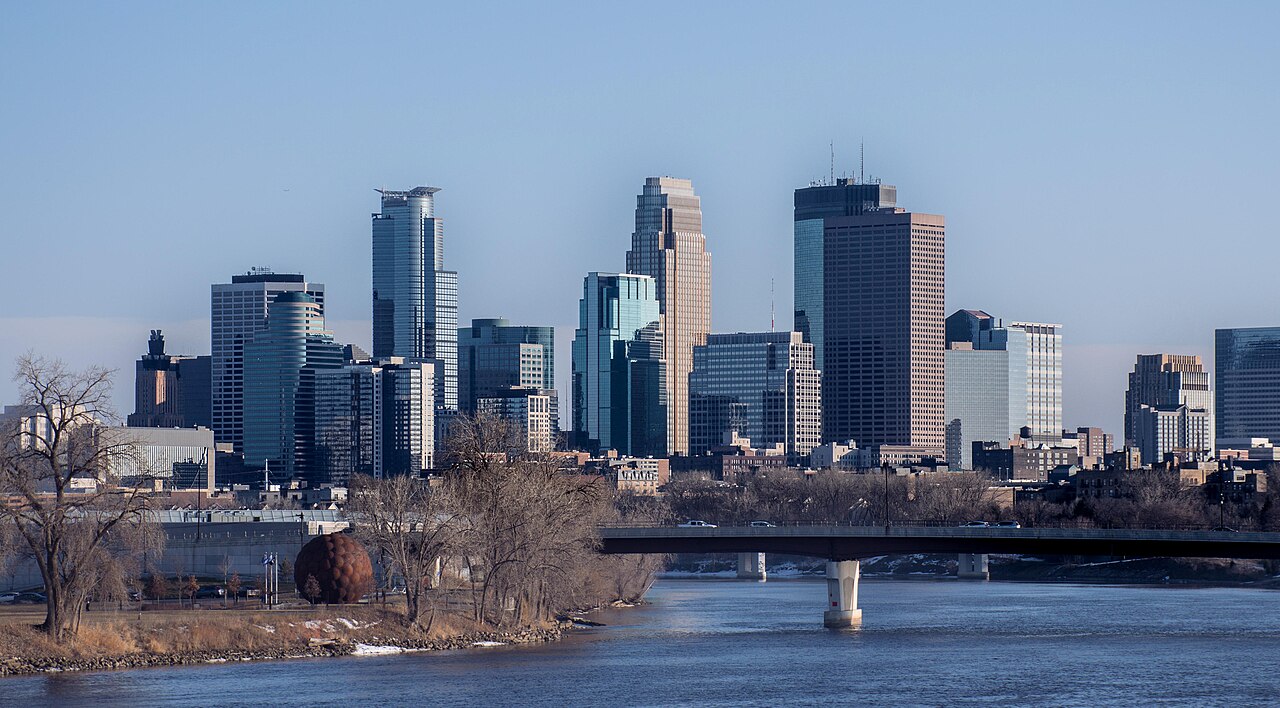
Minneapolis, the largest city in Minnesota, is a thriving metropolis with a rich history and culture. With a population of 429,954 as of the 2020 census, it is the state's most populous city. Located in the state's center near the eastern border, it occupies both banks of the Upper Mississippi River and adjoins Saint Paul, the state capital of Minnesota. The city is part of the Twin Cities metropolitan area, which has a total population of 3.69 million residents. Minneapolis is known for its cold, snowy winters and hot, humid summers, making it a great destination for outdoor enthusiasts who enjoy visiting the Minneapolis Parks system.
🏙️ Geography and Climate
Minneapolis is built on an artesian aquifer on relatively flat terrain, which makes it prone to flooding. The city's geography is also characterized by its numerous lakes, wetlands, and waterways, including the Mississippi River. The city's public park system is connected by the Grand Rounds National Scenic Byway, a 13-mile parkway that takes visitors through some of the city's most beautiful parks and lakes. Visitors can also explore the city's many Minneapolis Neighborhoods, each with its own unique character and charm.
🌊 The City of Lakes
Minneapolis is often referred to as the 'City of Lakes', and for good reason. The city is home to thirteen lakes, including Lake Calhoun, Lake Harriet, and Lake Nokomis. These lakes offer a range of recreational activities, including boating, fishing, and swimming. The city's lakes are also surrounded by beautiful parks and trails, making them a great destination for outdoor enthusiasts who enjoy visiting the Minneapolis Lakes. In addition to its lakes, Minneapolis is also home to numerous wetlands, creeks, and waterfalls, making it a nature lover's paradise.
🏞️ Parks and Recreation
The city's public park system is one of its most prized assets, with over 80 parks and parkways. The Minneapolis Park and Recreation Board is responsible for maintaining and improving the city's parks, and offers a range of programs and activities for residents and visitors. Visitors can explore the city's many parks, including Loring Park, Mill Ruins Park, and Minnehaha Falls Park. The city's parks are also home to numerous cultural attractions, including the Walker Art Center and the Minneapolis Sculpture Garden.
📸 Cultural Attractions
Minneapolis is a city with a rich cultural scene, with numerous museums, galleries, and performance venues. The Minneapolis Institute of Art is one of the city's most popular cultural attractions, with a collection of over 89,000 works of art. The city is also home to the Weisman Art Museum, which features a collection of modern and contemporary art. Visitors can also explore the city's many Minneapolis Galleries, which showcase the work of local and national artists.
🎨 Arts and Entertainment
The city's arts and entertainment scene is thriving, with numerous theaters, music venues, and festivals. The Guthrie Theater is one of the city's most renowned theaters, with a range of productions throughout the year. The city is also home to the First Avenue Nightclub, a popular music venue that has hosted some of the biggest names in music. Visitors can also explore the city's many Minneapolis Festivals, including the Twin Cities Jazz Festival and the Minneapolis Fringe Festival.
📚 Education and Economy
Minneapolis is a city with a strong economy, with a range of industries including healthcare, technology, and manufacturing. The city is home to numerous major corporations, including Target Corporation and United Health Group. The city is also a hub for education, with numerous universities and colleges, including the University of Minnesota. Visitors can explore the city's many Minneapolis Libraries, which offer a range of resources and programs for residents and visitors.
👥 Demographics and Diversity
Minneapolis is a diverse city, with a population that reflects the city's history as a major immigration hub. The city has a strong African American Community, as well as significant Latinx Community and Asian American Community populations. Visitors can explore the city's many Minneapolis Neighborhoods, each with its own unique character and charm. The city is also home to numerous cultural festivals and events, including the Twin Cities Pride parade and the Minneapolis Somali Festival.
🚗 Transportation and Infrastructure
Minneapolis has a comprehensive transportation system, with numerous options for getting around the city. The city is served by the Minneapolis-Saint Paul International Airport, which offers flights to destinations around the world. The city is also home to a range of public transportation options, including buses and light rail. Visitors can explore the city's many Minneapolis Bike Trails, which offer a great way to see the city's many parks and lakes.
🌈 Tourism and Events
Minneapolis is a popular tourist destination, with numerous attractions and activities to suit all interests. Visitors can explore the city's many museums and galleries, including the Minneapolis Institute of Art and the Weisman Art Museum. The city is also home to numerous festivals and events, including the Twin Cities Jazz Festival and the Minneapolis Fringe Festival. Visitors can also explore the city's many Minneapolis Parks, which offer a range of recreational activities and stunning views of the city's lakes and skyline.
🤝 Community and Neighborhoods
Minneapolis is a city with a strong sense of community, with numerous neighborhoods and communities that offer a range of amenities and activities. The city is home to numerous Minneapolis Neighborhoods, each with its own unique character and charm. Visitors can explore the city's many Minneapolis Community Centers, which offer a range of programs and services for residents and visitors. The city is also home to numerous cultural festivals and events, including the Twin Cities Pride parade and the Minneapolis Somali Festival.
📊 Conclusion and Future Outlook
In conclusion, Minneapolis is a city that offers something for everyone. From its beautiful lakes and parks to its thriving cultural scene and strong economy, the city is a great destination for visitors and residents alike. With its rich history and diverse community, Minneapolis is a city that is sure to continue to thrive and grow in the years to come. As the city looks to the future, it is likely to remain a hub for innovation and creativity, with numerous opportunities for growth and development. Visitors can explore the city's many Minneapolis Attractions, including the Mill City Museum and the American Swedish Institute.
Key Facts
- Year
- 1867
- Origin
- Named after the Dakota word 'mni' meaning water and the Greek word 'polis' meaning city
- Category
- Cities
- Type
- City
Frequently Asked Questions
What is the population of Minneapolis?
The population of Minneapolis is 429,954 as of the 2020 census. The city is the most populous city in Minnesota and is part of the Twin Cities metropolitan area, which has a total population of 3.69 million residents. Visitors can explore the city's many Minneapolis Neighborhoods, each with its own unique character and charm. The city is also home to numerous cultural festivals and events, including the Twin Cities Pride parade and the Minneapolis Somali Festival.
What is the geography of Minneapolis like?
Minneapolis is built on an artesian aquifer on relatively flat terrain, which makes it prone to flooding. The city's geography is also characterized by its numerous lakes, wetlands, and waterways, including the Mississippi River. The city's public park system is connected by the Grand Rounds National Scenic Byway, a 13-mile parkway that takes visitors through some of the city's most beautiful parks and lakes. Visitors can explore the city's many Minneapolis Parks, which offer a range of recreational activities and stunning views of the city's lakes and skyline.
What are some popular cultural attractions in Minneapolis?
Minneapolis is a city with a rich cultural scene, with numerous museums, galleries, and performance venues. The Minneapolis Institute of Art is one of the city's most popular cultural attractions, with a collection of over 89,000 works of art. The city is also home to the Weisman Art Museum, which features a collection of modern and contemporary art. Visitors can also explore the city's many Minneapolis Galleries, which showcase the work of local and national artists.
What is the economy of Minneapolis like?
Minneapolis is a city with a strong economy, with a range of industries including healthcare, technology, and manufacturing. The city is home to numerous major corporations, including Target Corporation and United Health Group. The city is also a hub for education, with numerous universities and colleges, including the University of Minnesota. Visitors can explore the city's many Minneapolis Libraries, which offer a range of resources and programs for residents and visitors.
What are some popular festivals and events in Minneapolis?
Minneapolis is a city with a thriving festival and event scene, with numerous events throughout the year. The city is home to the Twin Cities Jazz Festival, which features live music performances by local and national jazz musicians. The city is also home to the Minneapolis Fringe Festival, which features a range of theater, dance, and music performances. Visitors can also explore the city's many Minneapolis Parks, which offer a range of recreational activities and stunning views of the city's lakes and skyline.
What are some popular neighborhoods in Minneapolis?
Minneapolis is a city with numerous neighborhoods, each with its own unique character and charm. Some popular neighborhoods include Downtown Minneapolis, Uptown Minneapolis, and Nordeast Minneapolis. Visitors can explore the city's many Minneapolis Neighborhoods, which offer a range of amenities and activities, including restaurants, shops, and cultural attractions. The city is also home to numerous cultural festivals and events, including the Twin Cities Pride parade and the Minneapolis Somali Festival.
What is the transportation system like in Minneapolis?
Minneapolis has a comprehensive transportation system, with numerous options for getting around the city. The city is served by the Minneapolis-Saint Paul International Airport, which offers flights to destinations around the world. The city is also home to a range of public transportation options, including buses and light rail. Visitors can explore the city's many Minneapolis Bike Trails, which offer a great way to see the city's many parks and lakes.