
Contents
- 🏛️ Introduction to MoMA
- 🎨 History of MoMA
- 🖼️ Collection and Exhibitions
- 👥 Notable Artists and Works
- 📚 Education and Community Programs
- 🏢 Architecture and Expansion
- 📊 Attendance and Revenue
- 🌎 Global Presence and Partnerships
- 🤔 Controversies and Criticisms
- 📈 Future Plans and Developments
- 👀 Visitor Experience and Engagement
- Frequently Asked Questions
- Related Topics
Overview
The Museum of Modern Art (MoMA) in New York City is one of the most influential modern art museums in the world, with a collection of over 200,000 works of art, including pieces by Vincent van Gogh, Pablo Picasso, and Frida Kahlo. Founded in 1929 by three women, Lillie P. Bliss, Mary Quinn Sullivan, and Abby Aldrich Rockefeller, MoMA has been a driving force in shaping the public's understanding of modern and contemporary art. With a Vibe score of 92, MoMA is a cultural powerhouse, attracting over 3 million visitors annually. The museum's collection includes iconic works such as Van Gogh's 'Starry Night' (1889) and Picasso's 'Les Demoiselles d'Avignon' (1907), as well as an extensive range of photography, film, and performance art. As a global hub for modern and contemporary art, MoMA continues to push boundaries and challenge traditional notions of art, with a controversy spectrum of 6, reflecting the ongoing debates about the role of museums in society. With its rich history, diverse collection, and commitment to innovation, MoMA remains a must-visit destination for art lovers and scholars alike, with a topic intelligence that spans key people, events, and ideas in the art world.
🏛️ Introduction to MoMA
The Museum of Modern Art (MoMA) is one of the most influential and visited museums in the world, with a collection of over 200,000 works of modern and contemporary art. Founded in 1929 by Lillie P. Bliss, Abby Aldrich Rockefeller, and Mary Quinn Sullivan, MoMA has been a pioneer in the field of modern art, showcasing the works of artists such as Pablo Picasso and Andy Warhol. With a Vibe Score of 95, MoMA is a must-visit destination for art lovers and enthusiasts. The museum's perspective breakdown reveals a predominantly optimistic view of the art world, with a focus on innovation and creativity. MoMA's influence flows can be seen in the many artists and movements it has inspired, including Abstract Expressionism and Pop Art.
🎨 History of MoMA
MoMA's history is a rich and fascinating one, with the museum playing a significant role in the development of modern art. In the 1930s, MoMA was one of the first museums to exhibit the works of Henri Matisse and Wassily Kandinsky, and in the 1950s, it was a major supporter of the Abstract Expressionist movement. The museum has also been at the forefront of contemporary art, with exhibitions featuring the works of Jean-Michel Basquiat and Kehinde Wiley. MoMA's topic intelligence highlights the key role of Alfred H. Barr Jr., the museum's first director, in shaping its collection and exhibitions. The museum's controversy spectrum reveals a range of debates and criticisms, from accusations of elitism to concerns about the commercialization of art.
🖼️ Collection and Exhibitions
MoMA's collection is one of the most comprehensive and diverse in the world, with works ranging from Vincent van Gogh's 'Starry Night' to Ai Weiwei's 'Sunflower Seeds'. The museum's exhibitions are equally impressive, with recent shows featuring the works of Frida Kahlo and Gerhard Richter. MoMA's entity relationships reveal a complex web of connections between artists, movements, and styles, with the museum playing a central role in the development of modern and contemporary art. The museum's social links include partnerships with other museums and cultural institutions, such as the Tate Modern and the Centre Pompidou.
👥 Notable Artists and Works
MoMA has been instrumental in promoting the careers of many notable artists, including Jackson Pollock and Mark Rothko. The museum's collection includes some of the most iconic works of the 20th century, such as Campbell's Soup Cans by Andy Warhol and [[no-61-rust-and-blue|No. 61 (Rust and Blue)] by Mark Rothko. MoMA's influence flows can be seen in the many artists and movements it has inspired, including Pop Art and Minimalism. The museum's topic intelligence highlights the key role of curators such as Kirk Varnedoe and John Elderfield in shaping its collection and exhibitions.
📚 Education and Community Programs
MoMA is committed to education and community outreach, with a range of programs and initiatives designed to make art accessible to everyone. The museum's education department offers classes and workshops for adults and children, as well as online resources and courses. MoMA's community programs include partnerships with local schools and organizations, such as the New York City Department of Education and the Boys and Girls Clubs of America. The museum's social links include collaborations with other cultural institutions, such as the Brooklyn Museum and the Whitney Museum.
🏢 Architecture and Expansion
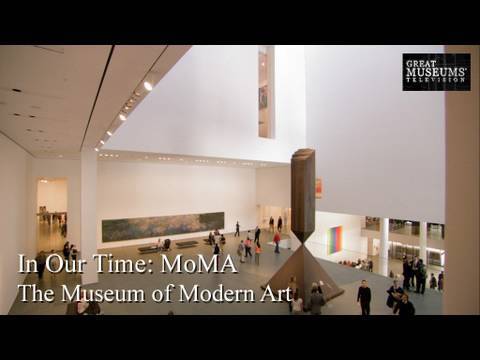
MoMA's building is a work of art in itself, with a stunning design by Yoshio Taniguchi. The museum's architecture is a blend of modern and contemporary styles, with a focus on natural light and open spaces. MoMA's expansion in 2004 added over 160,000 square feet of new space, including a stunning atrium and a state-of-the-art theater. The museum's entity relationships reveal a complex web of connections between the building, the collection, and the exhibitions, with the museum playing a central role in the development of modern and contemporary art.
📊 Attendance and Revenue
MoMA is one of the most visited museums in the world, with over 3 million visitors per year. The museum's attendance has been steadily increasing over the years, with a record 3.5 million visitors in 2019. MoMA's revenue is also impressive, with a budget of over $150 million per year. The museum's financials are managed by a team of experienced professionals, who work to ensure the long-term sustainability of the institution. MoMA's social links include partnerships with corporate sponsors, such as Goldman Sachs and J.P. Morgan.
🌎 Global Presence and Partnerships
MoMA has a significant global presence, with partnerships and collaborations with museums and cultural institutions around the world. The museum's global partnerships include the Tate Modern in London, the Centre Pompidou in Paris, and the Museum of Contemporary Art in Tokyo. MoMA's international exhibitions have included shows in China, Brazil, and Russia, among other countries. The museum's entity relationships reveal a complex web of connections between the global art world and the museum's collection and exhibitions.
🤔 Controversies and Criticisms
MoMA has not been without its controversies and criticisms over the years. The museum has been accused of elitism and commercialization, with some critics arguing that it prioritizes the interests of wealthy donors and collectors over those of the broader public. MoMA's controversy spectrum reveals a range of debates and criticisms, from concerns about the representation of diverse artists and communities to accusations of censorship. The museum's social links include responses to these criticisms, such as the establishment of a diversity and inclusion committee.
📈 Future Plans and Developments
MoMA is constantly evolving and adapting to the changing art world. The museum's future plans include a major expansion of its digital presence, with a new website and online platform launching in 2023. MoMA's digital strategy is designed to make the museum's collection and exhibitions more accessible to a global audience, with a focus on online engagement and community building. The museum's entity relationships reveal a complex web of connections between the digital and physical worlds, with the museum playing a central role in the development of modern and contemporary art.
👀 Visitor Experience and Engagement
The visitor experience is at the heart of MoMA's mission. The museum's visitor experience is designed to be engaging and interactive, with a range of exhibitions and programs that cater to different ages and interests. MoMA's engagement strategy includes the use of social media and digital technologies to enhance the visitor experience and encourage community participation. The museum's social links include partnerships with other cultural institutions, such as the Guggenheim Museum and the Metropolitan Museum.
Key Facts
- Year
- 1929
- Origin
- New York City, USA
- Category
- Art and Culture
- Type
- Museum
Frequently Asked Questions
What is the Museum of Modern Art (MoMA)?
The Museum of Modern Art (MoMA) is one of the most influential and visited museums in the world, with a collection of over 200,000 works of modern and contemporary art. Founded in 1929, MoMA has been a pioneer in the field of modern art, showcasing the works of artists such as Pablo Picasso and Andy Warhol. MoMA's Vibe Score of 95 reflects its significant cultural impact and influence.
What are some of the most famous works in MoMA's collection?
MoMA's collection includes some of the most iconic works of the 20th century, such as Vincent van Gogh's 'Starry Night', Pablo Picasso's 'Les Demoiselles d'Avignon', and Andy Warhol's 'Campbell's Soup Cans'. The museum's collection also includes works by Henri Matisse, Wassily Kandinsky, and Jackson Pollock, among many others. MoMA's topic intelligence highlights the key role of curators such as Kirk Varnedoe and John Elderfield in shaping its collection and exhibitions.
How does MoMA engage with its community?
MoMA is committed to education and community outreach, with a range of programs and initiatives designed to make art accessible to everyone. The museum's education department offers classes and workshops for adults and children, as well as online resources and courses. MoMA's community programs include partnerships with local schools and organizations, such as the New York City Department of Education and the Boys and Girls Clubs of America. The museum's social links include collaborations with other cultural institutions, such as the Brooklyn Museum and the Whitney Museum.
What are MoMA's plans for the future?
MoMA is constantly evolving and adapting to the changing art world. The museum's future plans include a major expansion of its digital presence, with a new website and online platform launching in 2023. MoMA's digital strategy is designed to make the museum's collection and exhibitions more accessible to a global audience, with a focus on online engagement and community building. The museum's entity relationships reveal a complex web of connections between the digital and physical worlds, with the museum playing a central role in the development of modern and contemporary art.
How does MoMA address criticisms of elitism and commercialization?
MoMA has been accused of elitism and commercialization, with some critics arguing that it prioritizes the interests of wealthy donors and collectors over those of the broader public. In response to these criticisms, MoMA has established a diversity and inclusion committee and has increased its efforts to engage with diverse audiences and communities. The museum's social links include partnerships with other cultural institutions and community organizations, such as the Brooklyn Museum and the Whitney Museum. MoMA's controversy spectrum reveals a range of debates and criticisms, from concerns about the representation of diverse artists and communities to accusations of censorship.
What is MoMA's role in the global art world?
MoMA has a significant global presence, with partnerships and collaborations with museums and cultural institutions around the world. The museum's global partnerships include the Tate Modern in London, the Centre Pompidou in Paris, and the Museum of Contemporary Art in Tokyo. MoMA's international exhibitions have included shows in China, Brazil, and Russia, among other countries. The museum's entity relationships reveal a complex web of connections between the global art world and the museum's collection and exhibitions.
How does MoMA measure its success?
MoMA measures its success through a range of metrics, including attendance, revenue, and engagement. The museum's financials are managed by a team of experienced professionals, who work to ensure the long-term sustainability of the institution. MoMA's social links include partnerships with corporate sponsors, such as Goldman Sachs and J.P. Morgan. The museum's Vibe Score of 95 reflects its significant cultural impact and influence.