
Contents
- 🤝 The Bedrock of Conscious Communication
- ⚖️ Beyond Politeness: The Active Practice of Respect
- 🗣️ Nonviolent Communication: A Framework for Respectful Dialogue
- 💖 Empathy as the Engine of Mutual Regard
- 🌐 The Global Vibe: Respect in Intercultural Exchange
- 💰 New Economics: Respecting Value Beyond Monetary Worth
- 🌱 Regenerative Culture: Respect for Life's Interconnectedness
- 🏛️ Conscious Governance: Respecting Collective Will
- Frequently Asked Questions
- Related Topics
Overview
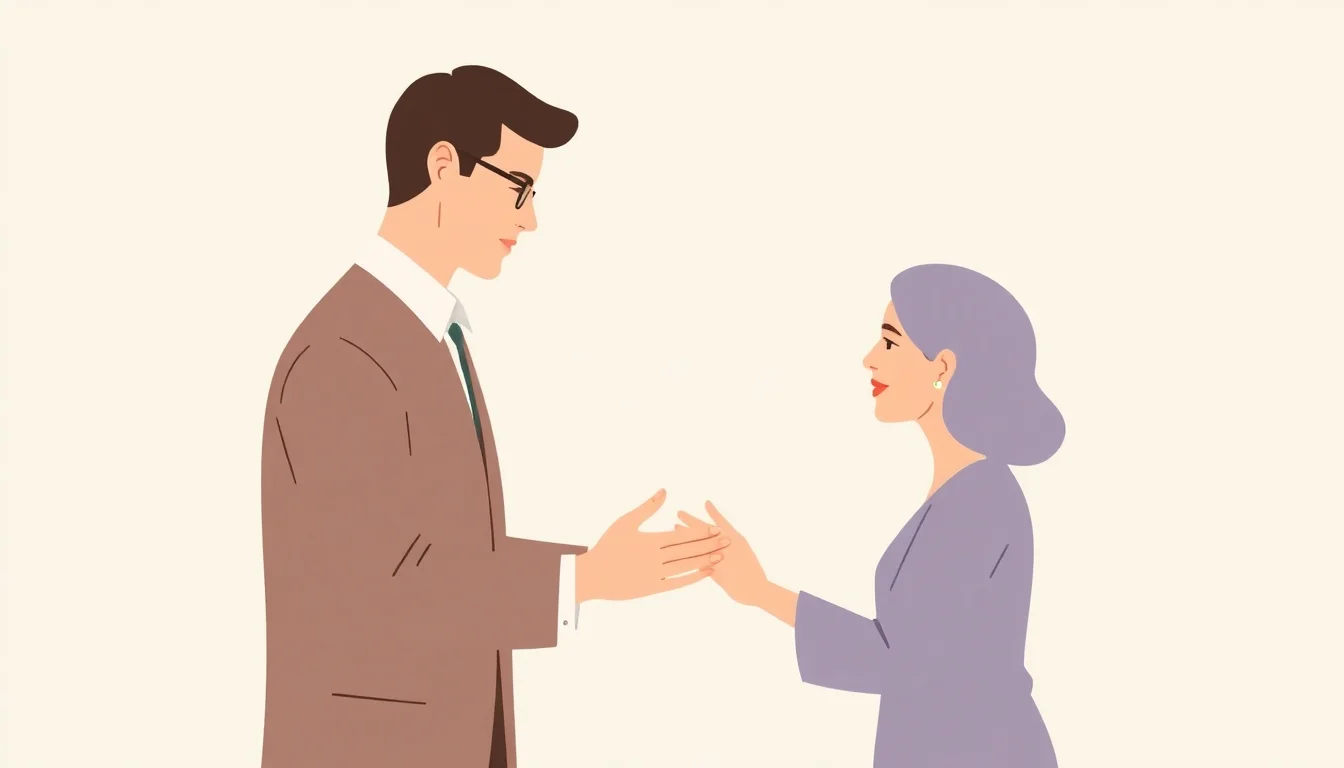
Mutual respect is the foundational principle for fostering genuine connection and navigating the complexities of the Golden Age. It moves beyond mere politeness to an active recognition of the inherent worth and autonomy of every individual, regardless of their beliefs, background, or current state of awareness. This practice is essential for the effective implementation of conscious communication techniques like Nonviolent Communication (NVC), enabling dialogue that honors both needs and feelings. It underpins the collaborative spirit required for building intentional communities and exploring new economic models like the gift economy, where value is recognized beyond monetary exchange. Cultivating mutual respect is a vital step in individual awakening, fostering self-compassion and the capacity to engage with others from a place of wholeness.
🤝 The Bedrock of Conscious Communication
Mutual respect isn't mere politeness; it's the foundational element for any truly conscious communication. Without it, words become weapons, and dialogue devolves into monologue or conflict. On the Golden Age path, this means actively choosing to see the inherent worth in another, even when their views diverge sharply from your own. It’s about creating a safe container where vulnerability can be expressed without fear of judgment or dismissal. This practice underpins everything from personal relationships to large-scale societal transformation, making it the first step in building any new paradigm.
⚖️ Beyond Politeness: The Active Practice of Respect
Respect, in this context, is an active verb, not a passive state. It demands more than simply not offending someone; it requires a genuine effort to understand their perspective, acknowledge their feelings, and validate their experience. This is the essence of conscious communication, moving beyond superficial pleasantries to engage with the deeper currents of human connection. It involves listening not just to respond, but to comprehend, recognizing that each individual holds a unique truth shaped by their journey. This active engagement is crucial for fostering trust and building resilient relationships.
🗣️ Nonviolent Communication: A Framework for Respectful Dialogue
The principles of Nonviolent Communication (NVC), developed by Marshall Rosenberg, offer a powerful roadmap for cultivating mutual respect in dialogue. NVC emphasizes expressing oneself through clear observations, feelings, needs, and requests, while actively listening to others with empathy. By focusing on universal human needs rather than judgments or demands, NVC helps to de-escalate conflict and foster understanding. This approach transforms conversations from potential battlegrounds into opportunities for connection and collaborative problem-solving, embodying respect in action.
💖 Empathy as the Engine of Mutual Regard
Empathy is the vital current that fuels mutual respect. It's the capacity to step into another's shoes, to feel what they might be feeling, and to understand their world from their vantage point. This isn't about agreeing with them, but about acknowledging the validity of their emotional experience. Cultivating empathy allows us to move beyond our own biases and assumptions, opening the door to genuine connection. It’s a cornerstone of individual awakening, as it expands our awareness beyond the self to encompass the shared human experience.
🌐 The Global Vibe: Respect in Intercultural Exchange
As we envision a global Golden Age, mutual respect becomes paramount in intercultural exchange. Different cultures possess unique values, communication styles, and worldviews, all of which deserve recognition and honor. Navigating these differences requires a conscious effort to suspend ethnocentrism and approach others with curiosity and openness. Understanding the subtle nuances of respect across various cultures prevents misunderstandings and builds bridges of cooperation, essential for a unified global consciousness.
💰 New Economics: Respecting Value Beyond Monetary Worth
The emerging new economics models inherently demand a redefinition of value that extends beyond mere monetary exchange, thereby fostering mutual respect. Systems like the gift economy or resource-based economies recognize the intrinsic worth of contributions, skills, and well-being, regardless of their immediate market price. This shift acknowledges that true wealth lies in community health, ecological balance, and individual fulfillment, not just profit. By valuing all forms of contribution, these economic structures promote a more equitable and respectful distribution of resources and opportunities.
🌱 Regenerative Culture: Respect for Life's Interconnectedness
Respect for the intricate web of life is central to regenerative culture. This perspective extends mutual regard not only to fellow humans but also to the natural world, recognizing its intrinsic value and our interdependence. Practices like permaculture and ecological stewardship are manifestations of this deep respect, aiming to heal and restore ecosystems rather than exploit them. Understanding that the health of the planet is inextricably linked to our own well-being encourages a more responsible and respectful relationship with all living systems.
🏛️ Conscious Governance: Respecting Collective Will
In the realm of conscious governance, mutual respect is the bedrock upon which legitimate authority and collective decision-making are built. Models like sociocracy and holacracy are designed to ensure that all voices are heard and valued, even those that are not the loudest. This involves creating transparent processes where dissent is welcomed as a valuable input, and decisions are made through consent rather than coercion. Such systems foster a deep sense of shared ownership and responsibility, reflecting a profound respect for the collective will and wisdom of the community.
Key Facts
- Year
- 2023
- Origin
- Golden Age
- Category
- Communication & Relating
- Type
- Practice
Frequently Asked Questions
How does mutual respect differ from simple politeness?
Mutual respect goes beyond surface-level pleasantries; it involves a genuine effort to understand, validate, and honor another's perspective and inherent worth, even in disagreement. Politeness can be a social convention, while respect is a deeper, active engagement with the other person's being.
What role does empathy play in mutual respect?
Empathy is the engine of mutual respect. It's the ability to feel with another person, to understand their emotional state and perspective from their point of view. This deep understanding is crucial for truly valuing and respecting someone, moving beyond judgment.
Can mutual respect be learned and practiced?
Absolutely. Practices like Nonviolent Communication, active listening, and mindfulness meditation are powerful tools for cultivating empathy and learning to engage with others respectfully. It's a skill that develops with conscious effort and intention.
How is mutual respect relevant to new economic models?
New economic models, such as the gift economy, often emphasize valuing contributions beyond monetary worth, recognizing the intrinsic value of people and community well-being. This inherently fosters mutual respect by acknowledging diverse forms of value and contribution.
What happens when mutual respect is absent in communication?
When mutual respect is absent, communication breaks down. It can lead to misunderstandings, conflict, defensiveness, and a lack of trust. This hinders collaboration, personal growth, and the ability to build strong, healthy relationships or communities.
How does respecting nature tie into mutual respect?
Respecting nature, as seen in regenerative culture, extends the concept of mutual regard to all life. It acknowledges our interdependence with the environment and the intrinsic value of ecosystems, fostering a sense of responsibility and care for the planet.