
Contents
- 🌎 Introduction to Nematoda
- 🧬 Phylum Nematoda: Characteristics and Classification
- 🌿 Free-Living Nematodes: Ecological Roles
- 🐛 Parasitic Nematodes: Impact on Human Health
- 🌟 Soil-Transmitted Helminthiases: A Major Public Health Concern
- 🔬 Diagnosis and Treatment of Nematode Infections
- 🌐 Global Distribution and Prevalence of Nematode Infections
- 👥 Key Players in Nematode Research
- 📊 Economic Impact of Nematode Infections
- 🔮 Future Directions in Nematode Research
- 🌈 Conclusion: The Unseen Majority
- 🤔 FAQs and Controversies
- Frequently Asked Questions
- Related Topics
Overview
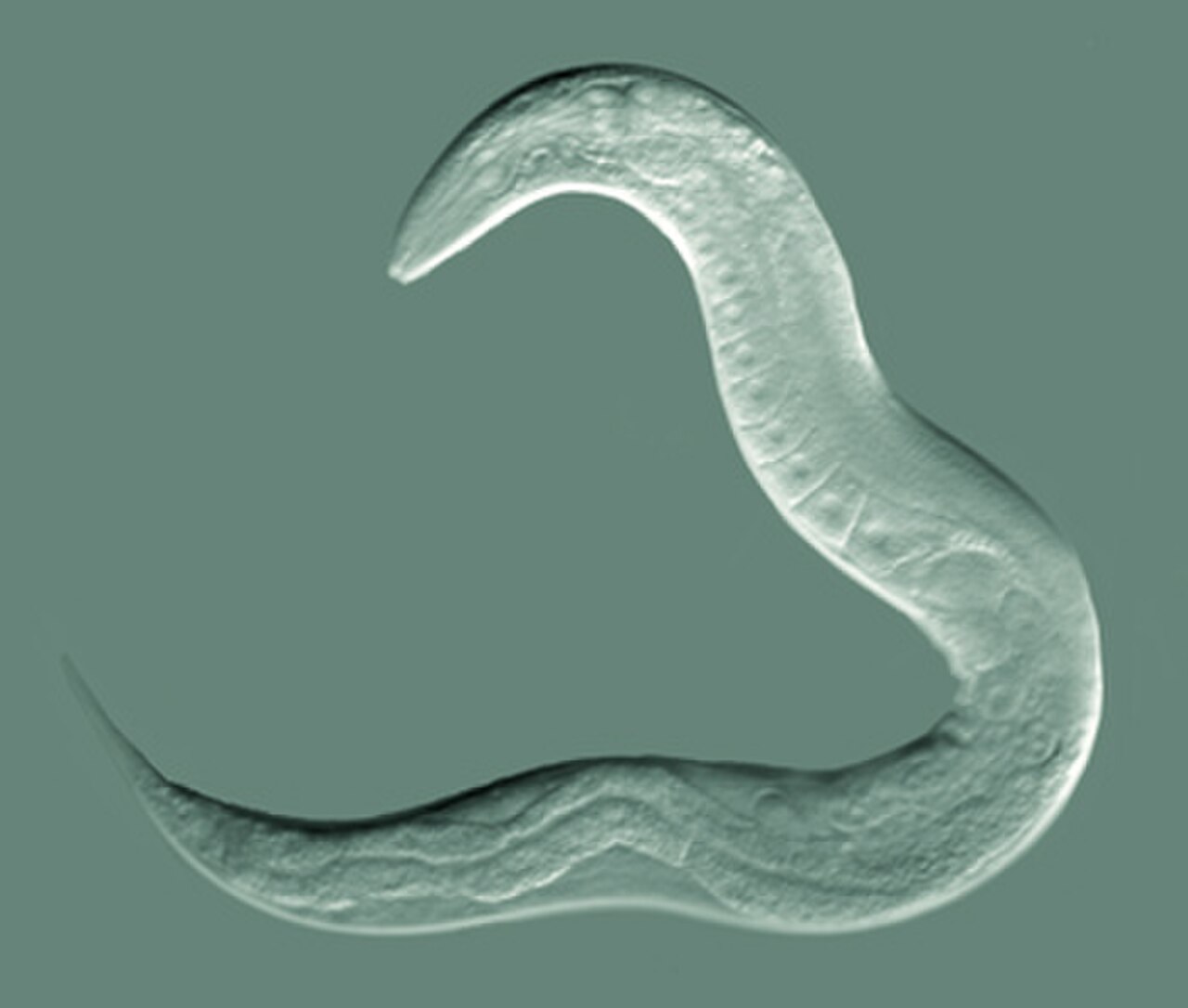
Nematoda, a phylum of unsegmented, bilaterally symmetrical worms, comprises over 20,000 known species, with estimates suggesting up to 1 million more awaiting discovery. These roundworms, ranging from 0.1 to 8 meters in length, inhabit nearly every environment on Earth, from the freezing tundra to the hottest deserts. Nematoda have been a crucial part of the ecosystem for over 1 billion years, with species like Caenorhabditis elegans becoming a cornerstone of scientific research, particularly in the fields of developmental biology and neurology. However, some species, such as the parasitic roundworms, pose significant threats to human health and agriculture, causing diseases like river blindness and root knot. The study of Nematoda is a rapidly evolving field, with advancements in genetic sequencing and microbiome research shedding new light on the intricate relationships between these worms and their environments. As scientists continue to explore the vast diversity of Nematoda, they are forced to confront the tension between the benefits and drawbacks of these ubiquitous creatures, sparking debates about the ethics of exploiting them for scientific gain and the need for sustainable coexistence.
🌎 Introduction to Nematoda
The phylum Nematoda, comprising roundworms or eelworms, is a diverse group of organisms that inhabit a broad range of environments, from Soil to Human Gut. With over 20,000 described species, nematodes are one of the most abundant and widespread groups of organisms on the planet. Most species are free-living, feeding on Microorganisms such as bacteria and fungi, but many are parasitic, infecting plants and animals, including Humans. The study of nematodes is crucial for understanding the complex interactions between organisms and their environments, as well as the impact of parasitic nematodes on human health and agriculture.
🧬 Phylum Nematoda: Characteristics and Classification
The phylum Nematoda is characterized by its unique body structure, which includes a long, slender body and a cuticle that is shed periodically. Nematodes are classified into several classes, including the Secernentea and Adiphorea. The Secernentea class includes many parasitic species, such as the Hookworm and the Roundworm, which infect humans and other animals. In contrast, the Adiphorea class includes many free-living species, such as the Caenorhabditis elegans, which is a popular model organism in scientific research.
🌿 Free-Living Nematodes: Ecological Roles
Free-living nematodes play important ecological roles in many ecosystems, including Soil Ecosystems and Marine Ecosystems. They feed on microorganisms, helping to regulate the decomposition of organic matter and the cycling of nutrients. Some species of free-living nematodes are also important predators, feeding on other invertebrates and helping to regulate their populations. For example, the Nematode species Steinernema carpocapsae is a parasite of insects and is used as a biological control agent to manage pest populations.
🐛 Parasitic Nematodes: Impact on Human Health
Parasitic nematodes, on the other hand, have a significant impact on human health, causing a range of diseases and disorders. Soil-Transmitted Helminthiases are a major public health concern in many parts of the world, particularly in tropical and subtropical regions. These diseases are caused by parasitic nematodes such as the Hookworm, Roundworm, and Whipworm, which infect humans through contact with contaminated Soil or Water.
🌟 Soil-Transmitted Helminthiases: A Major Public Health Concern
Soil-transmitted helminthiases are a major public health concern, affecting over a billion people worldwide. These diseases are caused by parasitic nematodes that infect humans through contact with contaminated soil or water. The most common species of parasitic nematodes that cause soil-transmitted helminthiases are the Hookworm, Roundworm, and Whipworm. These diseases can cause a range of symptoms, including Diarrhea, Abdominal Pain, and Malnutrition.
🔬 Diagnosis and Treatment of Nematode Infections
The diagnosis and treatment of nematode infections are crucial for controlling the spread of these diseases. Diagnosis typically involves the use of Microscopy and Molecular Biology techniques to detect the presence of parasitic nematodes in stool or tissue samples. Treatment usually involves the use of Anthelmintic Drugs, such as Albendazole and Mebendazole. However, the development of resistance to these drugs is a major concern, and new treatments and control strategies are urgently needed.
🌐 Global Distribution and Prevalence of Nematode Infections
Nematode infections are found in many parts of the world, with the highest prevalence in tropical and subtropical regions. The global distribution of nematode infections is influenced by a range of factors, including Climate, Soil Type, and Human Population Density. In general, nematode infections are more common in areas with poor Sanitation and Hygiene, and in areas where people are more likely to come into contact with contaminated soil or water.
👥 Key Players in Nematode Research
Many researchers and scientists are working to understand the biology and ecology of nematodes, and to develop new treatments and control strategies for nematode infections. Some of the key players in nematode research include the World Health Organization and the National Institutes of Health. These organizations are working to develop new Diagnostic Tools and Treatments for nematode infections, as well as to improve our understanding of the ecology and evolution of these parasites.
📊 Economic Impact of Nematode Infections
Nematode infections have a significant economic impact, particularly in areas where they are most prevalent. The economic burden of nematode infections is estimated to be in the billions of dollars, with the majority of this burden falling on low-income countries. The economic impact of nematode infections is due to a range of factors, including the cost of Healthcare, the loss of Productivity, and the impact on Agriculture and Food Security.
🔮 Future Directions in Nematode Research
Future directions in nematode research include the development of new treatments and control strategies, as well as a better understanding of the ecology and evolution of these parasites. Some of the most promising areas of research include the use of Genomics and Proteomics to understand the biology of nematodes, and the development of new Vaccines and Drugs to control nematode infections. Additionally, there is a need for more research on the impact of Climate Change on the distribution and prevalence of nematode infections.
🌈 Conclusion: The Unseen Majority
In conclusion, the phylum Nematoda is a diverse and fascinating group of organisms that play important ecological roles in many ecosystems. However, parasitic nematodes also have a significant impact on human health, causing a range of diseases and disorders. Further research is needed to understand the biology and ecology of nematodes, and to develop new treatments and control strategies for nematode infections. By working together, we can reduce the burden of nematode infections and improve the health and well-being of people around the world.
🤔 FAQs and Controversies
Some of the most frequently asked questions about nematodes include: What are nematodes? How do nematodes infect humans? What are the symptoms of nematode infections? How are nematode infections diagnosed and treated? What can be done to prevent nematode infections?
Key Facts
- Year
- 1980
- Origin
- Ancient Lineage
- Category
- Biology
- Type
- Biological Phylum
Frequently Asked Questions
What are nematodes?
Nematodes are a diverse group of organisms that include roundworms and eelworms. They are found in a wide range of environments, from soil to human gut, and play important ecological roles in many ecosystems. However, some species of nematodes are parasitic, infecting plants and animals, including humans.
How do nematodes infect humans?
Nematodes can infect humans through contact with contaminated soil or water. The most common species of parasitic nematodes that cause soil-transmitted helminthiases are the hookworm, roundworm, and whipworm. These diseases can cause a range of symptoms, including diarrhea, abdominal pain, and malnutrition.
What are the symptoms of nematode infections?
The symptoms of nematode infections can vary depending on the species of nematode and the severity of the infection. Common symptoms include diarrhea, abdominal pain, and malnutrition. In severe cases, nematode infections can cause more serious health problems, such as intestinal blockages and respiratory problems.
How are nematode infections diagnosed and treated?
The diagnosis of nematode infections typically involves the use of microscopy and molecular biology techniques to detect the presence of parasitic nematodes in stool or tissue samples. Treatment usually involves the use of anthelmintic drugs, such as albendazole and mebendazole. However, the development of resistance to these drugs is a major concern, and new treatments and control strategies are urgently needed.
What can be done to prevent nematode infections?
Prevention of nematode infections involves a range of strategies, including improving sanitation and hygiene, using protective clothing and equipment when working with soil or water, and avoiding contact with contaminated soil or water. Additionally, regular screening and treatment of nematode infections can help to reduce the burden of these diseases.