
Contents
- 🎨 Introduction to Network Visualization
- 📊 Key Concepts and Principles
- 🌐 Applications in Social Networks and Community Building
- 📈 Best Practices for Effective Network Visualization
- 🤝 Case Studies and Success Stories
- 📊 Tools and Technologies for Network Visualization
- 🌈 Future Directions and Emerging Trends
- 📚 Related Topics and Further Reading
- 👥 Key People and Organizations
- 💻 Practical Applications and Exercises
- Frequently Asked Questions
- References
- Related Topics
Overview
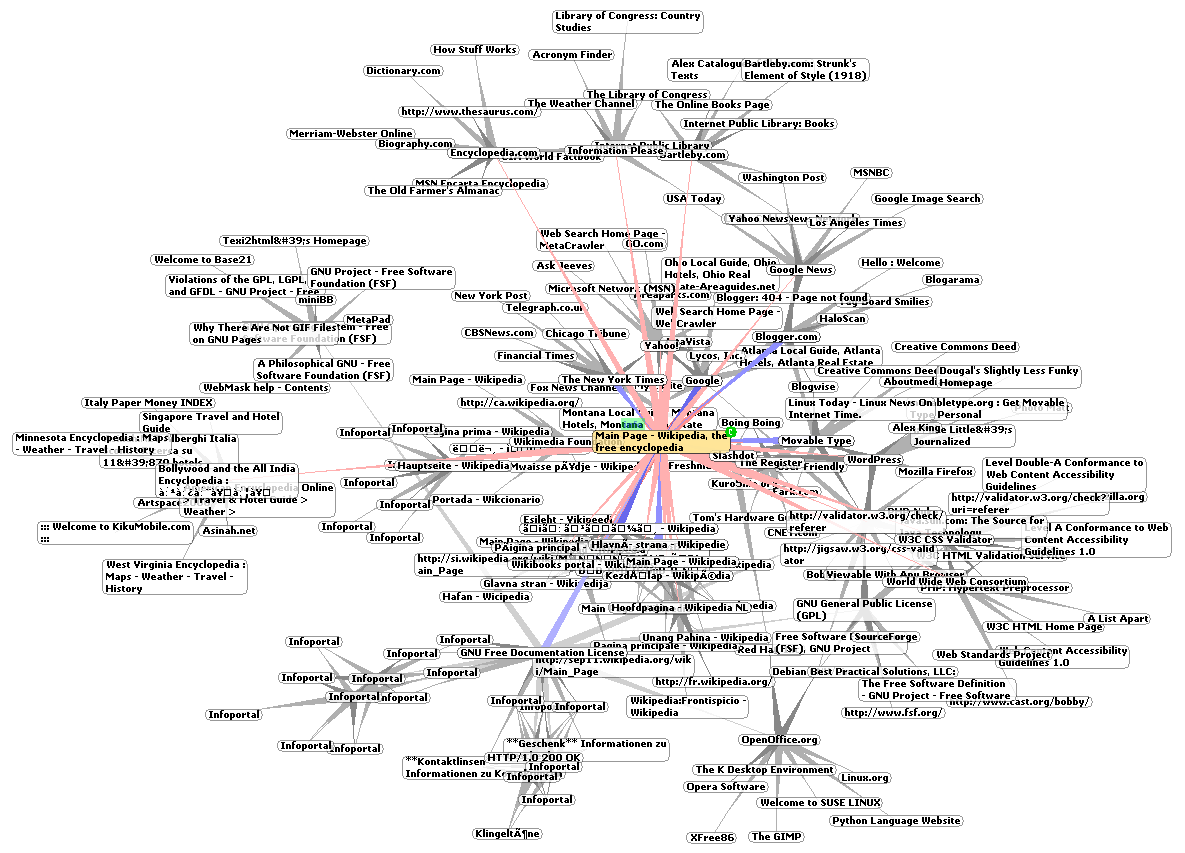
Network visualization is a powerful tool for understanding complex systems and relationships. By mapping nodes and edges, individuals can gain insights into social networks, community structures, and information flows. This practice is rooted in graph theory and information visualization, with applications in fields like sociology, anthropology, and ecology. As a key component of conscious communication, network visualization enables individuals to navigate and make sense of intricate systems, fostering a deeper understanding of interconnectedness and interdependence. With the rise of digital technologies, network visualization has become an essential skill for anyone seeking to understand and engage with complex systems. By applying network visualization principles, individuals can uncover hidden patterns, identify key influencers, and develop more effective strategies for communication and collaboration. As we move towards a more holistic and regenerative culture, network visualization will play an increasingly important role in facilitating conscious communication and community building.
🎨 Introduction to Network Visualization
The concept of visualization was expanded upon by computer scientists like John Tukey and Ben Shneiderman, who recognized the importance of visual representation in understanding complex data. Today, network visualization is a key component of conscious communication, enabling individuals to navigate and make sense of intricate systems. For example, Manfred Max-Neef's work on human-scale development highlights the importance of understanding complex systems and relationships in order to foster more equitable and sustainable communities.
📊 Key Concepts and Principles
The process of network visualization involves several key steps, including data collection, data cleaning, and visualization. Mark Newman's work on network analysis and visualization has been instrumental in developing tools and techniques for understanding complex networks. By applying these principles, individuals can uncover hidden patterns, identify key influencers, and develop more effective strategies for communication and collaboration. For instance, Valdis Krebs' work on social network analysis has shown how network visualization can be used to understand and improve community engagement and participation.
📈 Best Practices for Effective Network Visualization
There are several key people and organizations involved in the development and application of network visualization. Gephi is an open-source platform for network data analysis, and Cytoscape is a popular tool for visualizing and analyzing biological networks. NetworkX is a Python library for creating and analyzing complex networks. By applying these tools and techniques, individuals can develop a deeper understanding of complex systems and relationships, and foster more effective strategies for communication and collaboration.
🤝 Case Studies and Success Stories
Network visualization has a wide range of cultural and societal implications, from understanding social networks and community structures to identifying key influencers and trends. Manuel Castells' work on the information age has highlighted the importance of network visualization in understanding the complex relationships between technology, economy, and society. By applying network visualization principles, individuals can develop a deeper understanding of the interconnectedness and interdependence of complex systems, and foster more holistic and regenerative approaches to social change and community building.
📊 Tools and Technologies for Network Visualization
The current state of network visualization is rapidly evolving, with new tools and technologies emerging all the time. Sigma.js is a popular JavaScript library for graph visualization, and Graph-Tool is a Python library for statistical analysis of graphs. By applying these tools and techniques, individuals can develop a deeper understanding of complex systems and relationships, and foster more effective strategies for communication and collaboration.
🌈 Future Directions and Emerging Trends
There are several controversies and debates surrounding network visualization, from concerns about data privacy and security to debates about the most effective methods and tools for visualization. Katya Fogel's work on data visualization has highlighted the importance of considering the ethical implications of network visualization, and Jennifer Berkowitz's work on information visualization has emphasized the need for more nuanced and contextual approaches to understanding complex systems.
👥 Key People and Organizations
There are several practical applications of network visualization, from understanding social networks and community structures to identifying key influencers and trends. Martin Krzywinski's work on data visualization has highlighted the importance of considering the cognitive and perceptual aspects of network visualization, and Helen Thompson's work on information visualization has emphasized the need for more nuanced and contextual approaches to understanding complex systems.
💻 Practical Applications and Exercises
Network visualization is related to a wide range of topics, from graph theory and information visualization to sociology and anthropology. Stuart Russell's work on artificial intelligence has highlighted the importance of considering the complex relationships between technology, economy, and society, and Peter Norvig's work on data science has emphasized the need for more nuanced and contextual approaches to understanding complex systems.
Key Facts
- Year
- 1980s
- Origin
- Computer science
- Category
- communication
- Type
- concept
Frequently Asked Questions
What is network visualization?
Network visualization is a process of creating visual representations of complex systems and relationships. It involves collecting and analyzing data, and using visualization tools and techniques to create interactive and dynamic graphs and networks. For example, Manfred Max-Neef's work on human-scale development highlights the importance of understanding complex systems and relationships in order to foster more equitable and sustainable communities.
What are the key applications of network visualization?
Network visualization has a wide range of applications, from understanding social networks and community structures to identifying key influencers and trends.