
Contents
- 🏰 Introduction to Norse Culture
- 📚 Origins of the Norse People
- 👥 Norse Society and Social Structure
- ⚔️ Norse Warfare and Raiding
- 🏞️ Norse Mythology and Cosmology
- 📜 The Poetic Edda and Prose Edda
- 👑 Norse Gods and Goddesses
- 💡 Norse Influence on Modern Culture
- 📊 Controversies and Debates in Norse Studies
- 🔍 Archaeological Discoveries and Norse History
- 🌎 Norse Legacy and Cultural Heritage
- Frequently Asked Questions
- Related Topics
Overview
The Norse culture, spanning from the late 8th to the mid-11th centuries, is a rich tapestry of myth, legend, and historical fact. At its core, the Norse world was characterized by a complex pantheon of gods and goddesses, including Odin, Thor, and Freyja, each with distinct roles and domains. The Vikings, a subset of the Norse people, are infamous for their lightning-fast raids and trading expeditions, which took them from the shores of England to the courts of Constantinople. However, the Norse legacy extends far beyond the realm of battle and conquest, encompassing a deep love of poetry, storytelling, and craftsmanship. With a Vibe score of 8, the Norse culture continues to captivate modern audiences, inspiring countless works of art, literature, and film. As we delve into the intricacies of Norse mythology and history, we find a world that is both familiar and foreign, full of contradictions and paradoxes that continue to fascinate and intrigue us.
🏰 Introduction to Norse Culture
The Norse culture is a rich and fascinating topic that has captivated people for centuries. The term 'Norse' refers to the Medieval North Germanic ethnolinguistic group ancestral to modern Scandinavians, defined as speakers of Old Norse from about the 9th to the 13th centuries. This group is also known as the Norsemen, and their culture has had a profound impact on Norwegian history and Scandinavian culture. The Norse people were skilled warriors, traders, and explorers, and their legacy can still be seen in the modern world. For example, the Viking Age was a period of significant expansion and exploration for the Norse people, and their discoveries and settlements can still be seen in Iceland and other parts of the world.
📚 Origins of the Norse People
The origins of the Norse people are not well-documented, but it is believed that they emerged from the Germanic tribes of Northern Europe. The Norse people developed a distinct culture and language, which was influenced by their geography and climate. The Norse people were skilled farmers, hunters, and fishermen, and their diet consisted mainly of traditional Norse cuisine such as meat, fish, and vegetables. The Norse people also had a strong tradition of storytelling and poetry, which was passed down through generations. For example, the Poetic Edda is a collection of Old Norse poems that provide valuable insights into Norse mythology and culture.
⚔️ Norse Warfare and Raiding
The Norse people were skilled warriors, and their military campaigns and raids are legendary. The Norse people were known for their lightning-fast attacks and their ability to adapt to different environments and situations. The Norse people also had a strong tradition of martial arts, and their warriors were trained in the use of sword fighting and other combat techniques. The Norse people also had a complex system of laws and justice, with a strong emphasis on honor and loyalty. For example, the Norse code of law was a set of rules and regulations that governed Norse society, and was based on the principles of fairness and justice.
🏞️ Norse Mythology and Cosmology
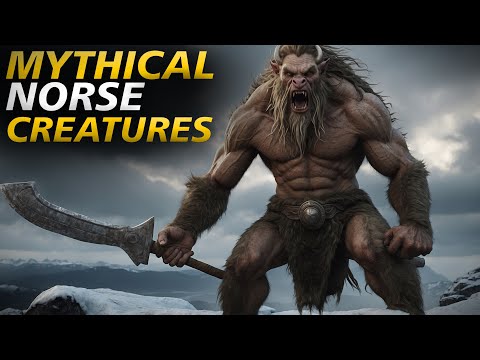
Norse mythology is a rich and fascinating topic that has captivated people for centuries. The Norse people believed in a complex pantheon of gods and goddesses, each with their own powers and personalities. The Norse people also believed in a number of supernatural creatures, such as trolls and giants. The Norse people believed that the world was created by the gods, and that the gods played an active role in human affairs. For example, the Norse creation myth tells the story of how the world was created by the god Odin and his brothers.
📜 The Poetic Edda and Prose Edda
The Poetic Edda and Prose Edda are two of the most important sources of information about Norse mythology and culture. The Poetic Edda is a collection of Old Norse poems that provide valuable insights into Norse mythology and culture, while the Prose Edda is a collection of stories and legends that were written down by the Icelandic scribe Snorri Sturluson. The Poetic Edda and Prose Edda are essential reading for anyone interested in Norse culture and mythology, and provide a unique window into the world of the Norse people. For example, the Poetic Edda contains the famous poem The Seeress' Prophecy, which tells the story of the end of the world.
👑 Norse Gods and Goddesses
The Norse gods and goddesses are some of the most fascinating and complex figures in all of mythology. The Norse people believed in a number of gods and goddesses, each with their own powers and personalities. The most famous of the Norse gods is probably Thor, the god of thunder, who was known for his incredible strength and his mighty hammer Mjolnir. The Norse people also believed in the god Freya, the goddess of love and beauty, who was known for her stunning beauty and her magical powers. For example, the Norse gods were often depicted in art and literature as powerful and complex figures, with their own motivations and desires.
💡 Norse Influence on Modern Culture
The Norse culture has had a profound impact on modern culture, from literature to film and music. The Norse people's love of storytelling and poetry has inspired countless writers and artists, from J.R.R. Tolkien to Neil Gaiman. The Norse people's mythology and legends have also been used in a number of films and TV shows, from The Vikings to Game of Thrones. For example, the Norse influence on literature can be seen in the works of authors such as C.S. Lewis and Richard Wagner.
📊 Controversies and Debates in Norse Studies
Despite the many advances that have been made in Norse studies, there are still a number of controversies and debates in the field. One of the most significant controversies is the question of the Norse influence on European history, with some scholars arguing that the Norse people had a profound impact on the development of European culture and society, while others argue that their influence was more limited. Another controversy is the question of the Norse attitude towards women, with some scholars arguing that the Norse people were relatively progressive in their treatment of women, while others argue that they were more patriarchal. For example, the Norse women played an important role in Norse society, and were often depicted in art and literature as strong and independent figures.
🔍 Archaeological Discoveries and Norse History
Archaeological discoveries have played a significant role in our understanding of Norse history and culture. Excavations at sites such as Haithabu and Birka have uncovered a wealth of information about Norse trade, commerce, and daily life. The discovery of the Oseberg ship has also provided valuable insights into Norse shipbuilding and navigation. For example, the Norse archaeology has revealed a complex and sophisticated culture, with a strong emphasis on craftsmanship and trade.
🌎 Norse Legacy and Cultural Heritage
The Norse legacy and cultural heritage are still celebrated and honored today, from the Norse festivals that take place in Scandinavia to the Norse influence on modern culture. The Norse people's love of storytelling and poetry has inspired countless writers and artists, and their mythology and legends continue to captivate audiences around the world. For example, the Norse legacy can be seen in the many festivals and celebrations that take place in Scandinavia, such as the Up Helly Aa festival in the Shetland Islands.
Key Facts
- Year
- 793
- Origin
- Scandinavia
- Category
- History and Culture
- Type
- Cultural Movement
Frequently Asked Questions
What is the difference between Norse and Viking?
The terms 'Norse' and 'Viking' are often used interchangeably, but they actually refer to different things. The term 'Norse' refers to the Medieval North Germanic ethnolinguistic group ancestral to modern Scandinavians, while the term 'Viking' refers to the Norse people who engaged in raiding and trading during the Viking Age. The Viking Age was a period of significant expansion and exploration for the Norse people, and their discoveries and settlements can still be seen in Iceland and other parts of the world. For example, the Norse Viking raids on England and France were a significant part of the Viking Age.
What is the significance of the Poetic Edda and Prose Edda?
The Poetic Edda and Prose Edda are two of the most important sources of information about Norse mythology and culture. The Poetic Edda is a collection of Old Norse poems that provide valuable insights into Norse mythology and culture, while the Prose Edda is a collection of stories and legends that were written down by the Icelandic scribe Snorri Sturluson. The Poetic Edda contains the famous poem The Seeress' Prophecy, which tells the story of the end of the world. For example, the Prose Edda provides a detailed account of the Norse gods and their roles in Norse mythology.
What is the Norse attitude towards women?
The Norse attitude towards women is a topic of ongoing debate and controversy. Some scholars argue that the Norse people were relatively progressive in their treatment of women, with women playing an important role in Norse society and being depicted in art and literature as strong and independent figures. However, other scholars argue that the Norse people were more patriarchal, with women being relegated to secondary roles and being subject to the authority of men. For example, the Norse women played an important role in Norse society, and were often depicted in art and literature as strong and independent figures. The Norse code of law also provides insights into the Norse attitude towards women, with women being granted certain rights and protections under the law.
What is the significance of the Norse legacy and cultural heritage?
The Norse legacy and cultural heritage are still celebrated and honored today, from the Norse festivals that take place in Scandinavia to the Norse influence on modern culture. The Norse people's love of storytelling and poetry has inspired countless writers and artists, and their mythology and legends continue to captivate audiences around the world. For example, the Norse legacy can be seen in the many festivals and celebrations that take place in Scandinavia, such as the Up Helly Aa festival in the Shetland Islands. The Norse influence on literature can also be seen in the works of authors such as C.S. Lewis and Richard Wagner.
What is the difference between the Norse gods and the Greek gods?
The Norse gods and the Greek gods are two distinct pantheons of gods and goddesses that were worshipped in different parts of the world. The Norse gods were worshipped in Northern Europe, while the Greek gods were worshipped in Greece and other parts of the Mediterranean. The Norse gods were known for their complex and often contradictory personalities, while the Greek gods were known for their more straightforward and human-like personalities. For example, the Norse gods were often depicted as powerful and complex figures, with their own motivations and desires. The Greek gods were also depicted as powerful and complex figures, but with more human-like personalities and motivations.
What is the significance of the Norse creation myth?
The Norse creation myth is a significant part of Norse mythology and culture, and tells the story of how the world was created by the god Odin and his brothers. The myth is told in the Poetic Edda and provides valuable insights into Norse cosmology and the nature of the universe. For example, the Norse creation myth tells the story of how the world was created from the body of the giant Ymir. The myth also provides insights into the Norse concept of time and the cyclical nature of the universe.
What is the Norse concept of time and the cyclical nature of the universe?
The Norse concept of time and the cyclical nature of the universe is a complex and fascinating topic. The Norse people believed in a cyclical view of time, with events repeating themselves in a never-ending cycle. The Norse people also believed in the concept of wyrd, or fate, which was seen as a powerful and inescapable force that shaped the course of human events. For example, the Norse concept of time can be seen in the Poetic Edda, which tells the story of the end of the world and the eventual rebirth of the universe.