
Contents
- 💣 Introduction to Nuclear Weapons
- 🔍 History of Nuclear Development
- 🌎 Global Nuclear Arsenal
- 🤝 Nuclear Non-Proliferation Efforts
- 🚀 Nuclear Delivery Systems
- 💥 Nuclear Explosion and Effects
- 🕊️ Nuclear Disarmament and Reduction
- 🔒 Nuclear Security and Safety
- 📊 Nuclear Weapons by Country
- 📰 Nuclear Weapons in International Relations
- 🔮 The Future of Nuclear Weapons
- Frequently Asked Questions
- Related Topics
Overview
Nuclear weapons, first developed in the 1940s by the Manhattan Project, a research and development undertaking led by the United States during World War II, have become a cornerstone of international relations and global security. The devastating effects of the atomic bombings of Hiroshima and Nagasaki in 1945, which killed an estimated 140,000 people immediately, underscore the catastrophic potential of these arms. Today, nine countries possess nuclear weapons, with the United States and Russia holding the largest arsenals, totaling over 12,000 warheads. The Treaty on the Non-Proliferation of Nuclear Weapons (NPT), signed by 191 countries, aims to prevent the spread of nuclear weapons and facilitate disarmament, but challenges persist, including the threat of nuclear terrorism and the modernization of nuclear forces by major powers. The vibe surrounding nuclear weapons is complex, reflecting both a deep-seated fear of their destructive power and a reliance on them as a deterrent against aggression. As the world navigates the complexities of the 21st century, the role and future of nuclear weapons remain highly contentious and debated, with some arguing for complete disarmament and others seeing them as an indispensable component of national security.
💣 Introduction to Nuclear Weapons
The concept of nuclear weapons has been a cornerstone of international relations and global security for decades. A nuclear weapon is an explosive device that derives its destructive force from nuclear reactions, either nuclear fission or a combination of fission and nuclear fusion reactions, producing a nuclear explosion. The development of nuclear weapons is closely tied to the history of nuclear physics and the work of scientists such as Albert Einstein and Enrico Fermi. As of 2026, nine sovereign states are believed to possess nuclear weapons: United States, Russia, United Kingdom, France, China, India, Pakistan, North Korea, and Israel. The Nuclear Non-Proliferation Treaty aims to prevent the spread of nuclear weapons and promote disarmament.
🔍 History of Nuclear Development
The history of nuclear development is a complex and fascinating topic. The first nuclear weapon was developed during the Manhattan Project in the 1940s, led by the United States with the help of scientists from the United Kingdom and Canada. The first nuclear test, codenamed Trinity, was conducted on July 16, 1945. Since then, nuclear weapons have been developed and tested by several countries, including Russia, China, and France. The development of nuclear weapons has been driven by the desire for military superiority and the need for a deterrent against potential threats. The Cold War played a significant role in the development of nuclear weapons, with the United States and Russia engaging in a nuclear arms race.
🌎 Global Nuclear Arsenal
The global nuclear arsenal is a significant concern for international security. The nine countries that possess nuclear weapons have a combined total of over 13,000 nuclear warheads. The United States and Russia possess the largest nuclear arsenals, with over 5,000 warheads each. The United Kingdom, France, and China also possess significant nuclear arsenals. The spread of nuclear weapons to other countries, such as North Korea and Pakistan, has raised concerns about the potential for nuclear conflict. The Nuclear Non-Proliferation Treaty aims to prevent the spread of nuclear weapons and promote disarmament. The International Atomic Energy Agency plays a crucial role in monitoring and regulating nuclear activities.
🤝 Nuclear Non-Proliferation Efforts
Nuclear non-proliferation efforts have been ongoing for several decades. The Nuclear Non-Proliferation Treaty was signed in 1968 and has been ratified by over 190 countries. The treaty aims to prevent the spread of nuclear weapons and promote disarmament. The United Nations has also played a significant role in promoting nuclear non-proliferation, with the UN Security Council passing several resolutions on the topic. The United States and Russia have also engaged in bilateral negotiations to reduce their nuclear arsenals. The Strategic Arms Reduction Treaty is an example of such an agreement. However, the spread of nuclear weapons to other countries, such as North Korea and Pakistan, remains a significant challenge.
🚀 Nuclear Delivery Systems
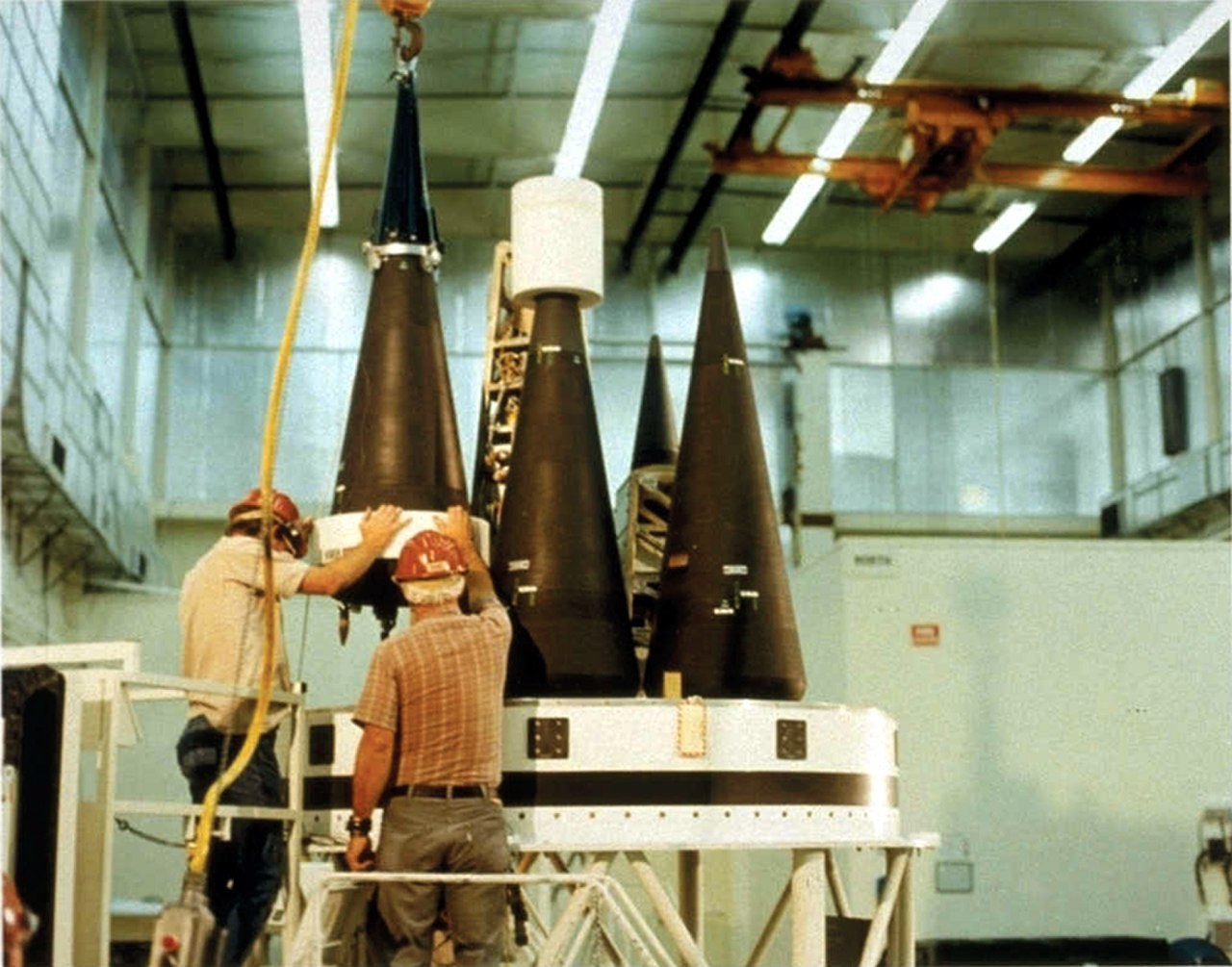
Nuclear delivery systems are a critical component of nuclear deterrence. The United States and Russia possess a range of nuclear delivery systems, including intercontinental ballistic missiles, submarine-launched ballistic missiles, and bombers. The United Kingdom and France also possess nuclear delivery systems, although on a smaller scale. The development of new nuclear delivery systems, such as hypersonic missiles, has raised concerns about the potential for nuclear conflict. The Nuclear Posture Review is a document that outlines the nuclear policy of the United States. The review highlights the importance of nuclear deterrence and the need for a modernized nuclear arsenal.
💥 Nuclear Explosion and Effects
A nuclear explosion is an incredibly destructive event. The energy released by a nuclear explosion is enormous, with a single warhead capable of destroying an entire city. The effects of a nuclear explosion include a blast wave, thermal radiation, and nuclear radiation. The nuclear explosion also produces a significant amount of fallout, which can contaminate the environment and pose a risk to human health. The Chernobyl disaster is an example of the devastating effects of a nuclear accident. The Fukushima Daiichi nuclear disaster is another example of the risks associated with nuclear power. The World Health Organization has highlighted the need for improved nuclear safety and security.
🕊️ Nuclear Disarmament and Reduction
Nuclear disarmament and reduction are critical goals for international security. The Nuclear Non-Proliferation Treaty aims to prevent the spread of nuclear weapons and promote disarmament. The United States and Russia have engaged in bilateral negotiations to reduce their nuclear arsenals. The Strategic Arms Reduction Treaty is an example of such an agreement. However, the spread of nuclear weapons to other countries, such as North Korea and Pakistan, remains a significant challenge. The International Campaign to Abolish Nuclear Weapons is a global movement that aims to eliminate nuclear weapons. The nuclear disarmament process is complex and requires the cooperation of all countries.
🔒 Nuclear Security and Safety
Nuclear security and safety are critical concerns for international security. The nuclear security of a country's nuclear arsenal is essential to prevent the theft or diversion of nuclear materials. The nuclear safety of a country's nuclear power plants is also essential to prevent accidents and minimize the risk of nuclear radiation. The International Atomic Energy Agency plays a crucial role in promoting nuclear safety and security. The Nuclear Regulatory Commission is responsible for regulating nuclear activities in the United States. The European Nuclear Safety Regulatory Group is a similar organization in Europe.
📊 Nuclear Weapons by Country
The number of nuclear weapons possessed by each country is a closely guarded secret. However, estimates suggest that the United States and Russia possess over 5,000 nuclear warheads each. The United Kingdom and France possess smaller nuclear arsenals, with around 200 warheads each. The China nuclear arsenal is estimated to be around 300 warheads. The India and Pakistan nuclear arsenals are estimated to be around 150 warheads each. The North Korea nuclear arsenal is estimated to be around 30 warheads. The Israel nuclear arsenal is estimated to be around 80 warheads. The nuclear weapons by country is a complex and sensitive topic.
📰 Nuclear Weapons in International Relations
Nuclear weapons play a significant role in international relations. The nuclear deterrence theory suggests that the possession of nuclear weapons can prevent conflict by deterring an adversary from attacking. The nuclear umbrella is a concept that refers to the protection provided by a country's nuclear arsenal to its allies. The United States provides a nuclear umbrella to several countries, including Japan and South Korea. The Nuclear Non-Proliferation Treaty aims to prevent the spread of nuclear weapons and promote disarmament. The international relations of nuclear-armed states are complex and sensitive.
🔮 The Future of Nuclear Weapons
The future of nuclear weapons is uncertain and complex. The nuclear disarmament process is ongoing, with the United States and Russia engaging in bilateral negotiations to reduce their nuclear arsenals. The Nuclear Non-Proliferation Treaty aims to prevent the spread of nuclear weapons and promote disarmament. However, the spread of nuclear weapons to other countries, such as North Korea and Pakistan, remains a significant challenge. The nuclear security of a country's nuclear arsenal is essential to prevent the theft or diversion of nuclear materials. The nuclear safety of a country's nuclear power plants is also essential to prevent accidents and minimize the risk of nuclear radiation.
Key Facts
- Year
- 1945
- Origin
- Los Alamos, New Mexico, USA
- Category
- Politics and Warfare
- Type
- Military Technology
Frequently Asked Questions
What is a nuclear weapon?
A nuclear weapon is an explosive device that derives its destructive force from nuclear reactions, either nuclear fission or a combination of fission and nuclear fusion reactions, producing a nuclear explosion. The development of nuclear weapons is closely tied to the history of nuclear physics and the work of scientists such as Albert Einstein and Enrico Fermi. The Manhattan Project was a research and development project that produced the first nuclear weapons during World War II.
Which countries possess nuclear weapons?
As of 2026, nine sovereign states are believed to possess nuclear weapons: United States, Russia, United Kingdom, France, China, India, Pakistan, North Korea, and Israel. The Nuclear Non-Proliferation Treaty aims to prevent the spread of nuclear weapons and promote disarmament.
What is the purpose of nuclear deterrence?
The purpose of nuclear deterrence is to prevent conflict by deterring an adversary from attacking. The nuclear deterrence theory suggests that the possession of nuclear weapons can prevent conflict by deterring an adversary from attacking. The nuclear umbrella is a concept that refers to the protection provided by a country's nuclear arsenal to its allies.
What is the Nuclear Non-Proliferation Treaty?
The Nuclear Non-Proliferation Treaty is an international treaty that aims to prevent the spread of nuclear weapons and promote disarmament. The treaty was signed in 1968 and has been ratified by over 190 countries. The United Nations has also played a significant role in promoting nuclear non-proliferation, with the UN Security Council passing several resolutions on the topic.
What is the future of nuclear weapons?
The future of nuclear weapons is uncertain and complex. The nuclear disarmament process is ongoing, with the United States and Russia engaging in bilateral negotiations to reduce their nuclear arsenals. The Nuclear Non-Proliferation Treaty aims to prevent the spread of nuclear weapons and promote disarmament. However, the spread of nuclear weapons to other countries, such as North Korea and Pakistan, remains a significant challenge.
What is the role of the International Atomic Energy Agency?
The International Atomic Energy Agency plays a crucial role in promoting nuclear safety and security. The agency is responsible for regulating nuclear activities and providing technical assistance to countries to improve their nuclear safety and security. The agency also plays a key role in monitoring and verifying the implementation of the Nuclear Non-Proliferation Treaty.
What is the impact of nuclear weapons on the environment?
The impact of nuclear weapons on the environment is significant. A nuclear explosion can release large quantities of radioactive materials into the environment, which can contaminate the air, water, and soil. The Chernobyl disaster and the Fukushima Daiichi nuclear disaster are examples of the devastating effects of nuclear accidents on the environment. The World Health Organization has highlighted the need for improved nuclear safety and security to prevent such disasters.