
Contents
- 🌿 Origins & History
- 🔬 How It Works
- 📊 Key Facts & Numbers
- 👥 Key People & Organizations
- 🌍 Cultural Impact & Influence
- ⚡ Current State & Latest Developments
- 🤔 Controversies & Debates
- 🔮 Future Outlook & Predictions
- 💡 Practical Applications
- 📚 Related Topics & Deeper Reading
- Frequently Asked Questions
- References
- Related Topics
Overview
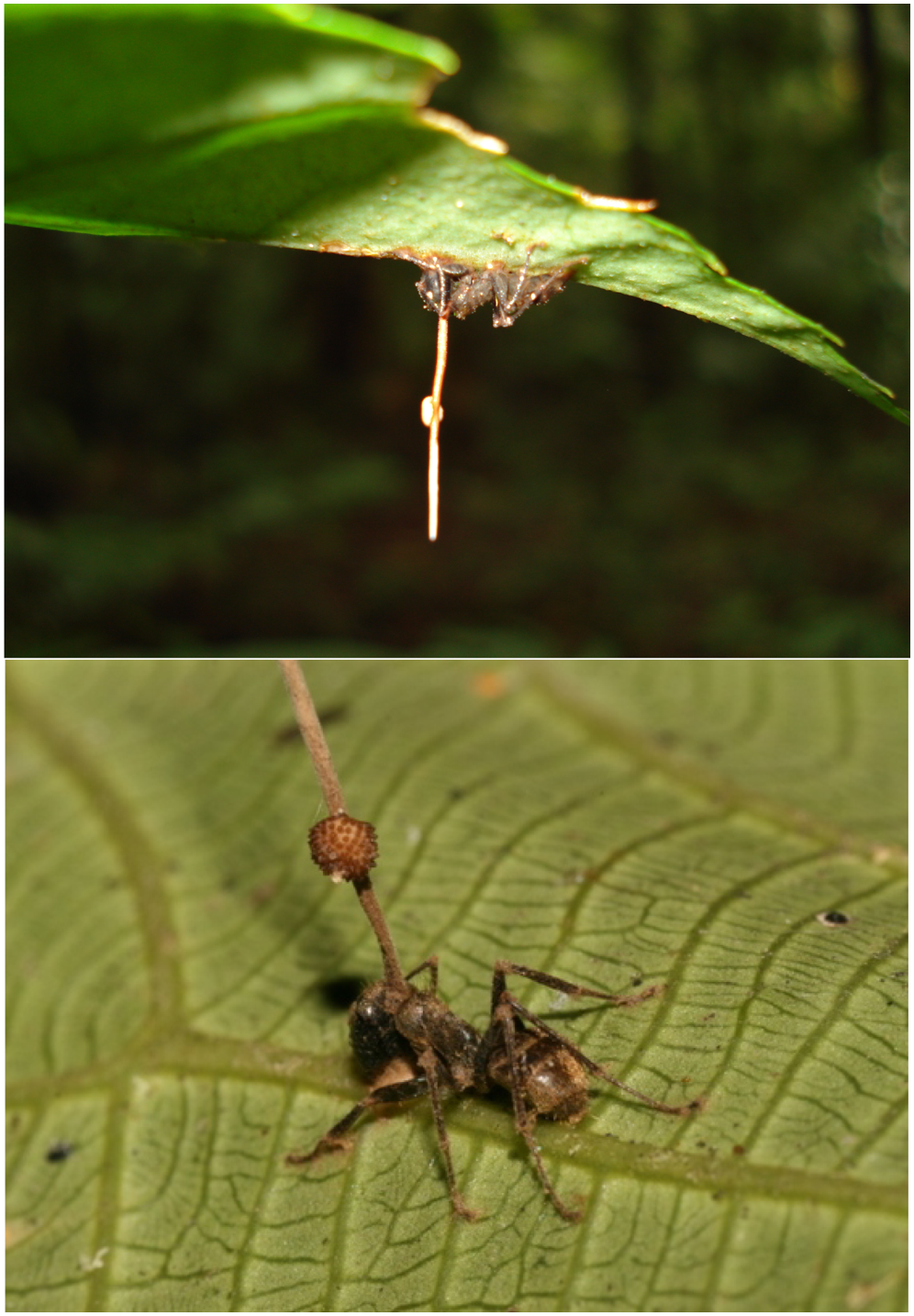
Ophiocordyceps, a genus of fungi, has been found to have a profound impact on the behavior of insects, particularly ants, by altering their instinctive fear of heights and causing them to climb to high locations before producing fruiting bodies. This phenomenon, known as 'summit disease,' raises important questions about the boundaries of consciousness and the interconnectedness of species. With reportedly over 140 species, Ophiocordyceps has been the subject of extensive research, including studies on its potential applications in medicine and its role in the ecosystem. As we explore the complex relationships between fungi, insects, and their environments, we may uncover new insights into the nature of consciousness and the interconnectedness of all living beings. For example, the work of Paul Stamets on mycoremediation has highlighted the potential of fungi to heal damaged ecosystems. The study of Ophiocordyceps also intersects with the concept of holistic ecology, which recognizes the intricate web of relationships between species and their environments. By examining the symbiotic relationships between Ophiocordyceps and insects, we may gain a deeper understanding of the complex dynamics at play in ecosystems and the potential for mutualistic relationships to promote healing and balance.
🌿 Origins & History
The study of Ophiocordyceps has led to a greater understanding of the importance of ecological awareness in promoting sustainability and environmental balance. According to some sources, the fungus has been found to have a range of potential applications, including the production of medicines. However, the exact nature and extent of these applications are not well understood and require further research.
🔬 How It Works
The cultural impact of Ophiocordyceps has been significant, with the fungus featuring in a range of artistic and literary works. The fungus has also been the subject of extensive media coverage, with many articles and documentaries exploring its unique life cycle and potential applications. For example, the fungus has been featured in the documentary series Planet Earth, which highlighted the complex relationships between species in ecosystems.
📊 Key Facts & Numbers
The current state of research on Ophiocordyceps is highly active, with many scientists and researchers exploring the potential applications of the fungus. However, the field is not without its controversies, with some researchers raising concerns about the potential impact of the fungus on ecosystems, as well as debates about the ethics of using the fungus for medicinal purposes.
👥 Key People & Organizations
The future outlook for Ophiocordyceps is reportedly highly promising, with many potential applications for the fungus in fields such as medicine and ecology. However, further research is needed to fully understand the potential of the fungus and to address the controversies and debates surrounding its use.
🌍 Cultural Impact & Influence
Practical applications of Ophiocordyceps are still being explored, but the fungus has been found to have potential uses in the production of medicines. However, the exact nature and extent of these applications are not well understood and require further research.
⚡ Current State & Latest Developments
Related topics to Ophiocordyceps include the study of fungi and their potential applications, as well as the exploration of the complex relationships between species in ecosystems. Other topics of interest include the study of mycoremediation and the potential for mutualistic relationships to promote healing and balance in ecosystems.
🤔 Controversies & Debates
The study of Ophiocordyceps has also led to a greater understanding of the importance of interdisciplinary research in promoting innovation and discovery. By examining the symbiotic relationships between Ophiocordyceps and insects, we may gain a deeper understanding of the complex dynamics at play in ecosystems and the potential for mutualistic relationships to promote healing and balance.
🔮 Future Outlook & Predictions
Controversies surrounding Ophiocordyceps include concerns about the potential impact of the fungus on ecosystems, as well as debates about the ethics of using the fungus for medicinal purposes. Some researchers have raised concerns about the potential for the fungus to be used as a biological weapon, while others have argued that the fungus has the potential to be used for beneficial purposes.
💡 Practical Applications
The study of Ophiocordyceps has also led to a greater understanding of the importance of responsible innovation in promoting sustainability and environmental balance. By exploring the potential applications of the fungus, we may uncover new insights into the nature of consciousness and the interconnectedness of all living beings.
Key Facts
- Origin
- Tropical regions
- Category
- environment
- Type
- topic
Frequently Asked Questions
What is Ophiocordyceps?
Ophiocordyceps is a genus of fungi that infects insects, particularly ants, and manipulates their behavior to facilitate the growth of the fungus. However, the exact nature and extent of this process are not well understood and require further research.