
Contents
- 🌟 Introduction to the Pancreas
- 👀 Anatomy of the Pancreas
- 💡 Endocrine Function of the Pancreas
- 🍴 Exocrine Function of the Pancreas
- 🔬 Regulation of Blood Sugar Levels
- 📊 Pancreatic Juice Composition
- 👥 Relationship Between the Pancreas and Other Organs
- 🚨 Pancreatic Disorders and Diseases
- 🔍 Current Research and Developments
- 👨⚕️ Diagnosis and Treatment of Pancreatic Conditions
- 💻 Future Directions in Pancreatic Health
- Frequently Asked Questions
- Related Topics
Overview
The pancreas, an organ situated behind the stomach, plays a pivotal role in digestion and metabolism by producing enzymes and hormones such as insulin and glucagon. With a vibe score of 8, reflecting its significant cultural and medical importance, the pancreas is a subject of intense study and debate. Historically, the understanding of the pancreas has evolved significantly, from its first detailed description by Leonardo da Vinci to current research on pancreatic cancer, which affects over 60,000 people annually in the United States alone. The pancreas's dual function - both as an exocrine gland producing digestive enzymes and as an endocrine gland regulating blood sugar levels - underscores its complexity. Despite advancements in medical science, pancreatic cancer remains one of the most lethal forms of cancer, with a five-year survival rate of less than 10% for those diagnosed with distant metastasis. As research continues into the functions and diseases of the pancreas, including the development of new treatments for pancreatic cancer and diabetes, the importance of this organ in maintaining human health cannot be overstated.
🌟 Introduction to the Pancreas
The pancreas is a vital organ that plays a crucial role in human health, and its functions are closely linked to the digestive system and the endocrine system. Located in the abdomen behind the stomach, the pancreas is a mixed or heterocrine gland, meaning it has both endocrine and exocrine functions. The pancreas is composed of approximately 99% exocrine tissue and 1% endocrine tissue, with the exocrine function being responsible for the production of pancreatic juice and the endocrine function being responsible for the production of hormones such as insulin and glucagon. The pancreas works closely with other organs, including the liver and the stomach, to regulate various bodily functions. For example, the pancreas and the liver work together to regulate blood sugar levels and maintain proper nutrition.
👀 Anatomy of the Pancreas
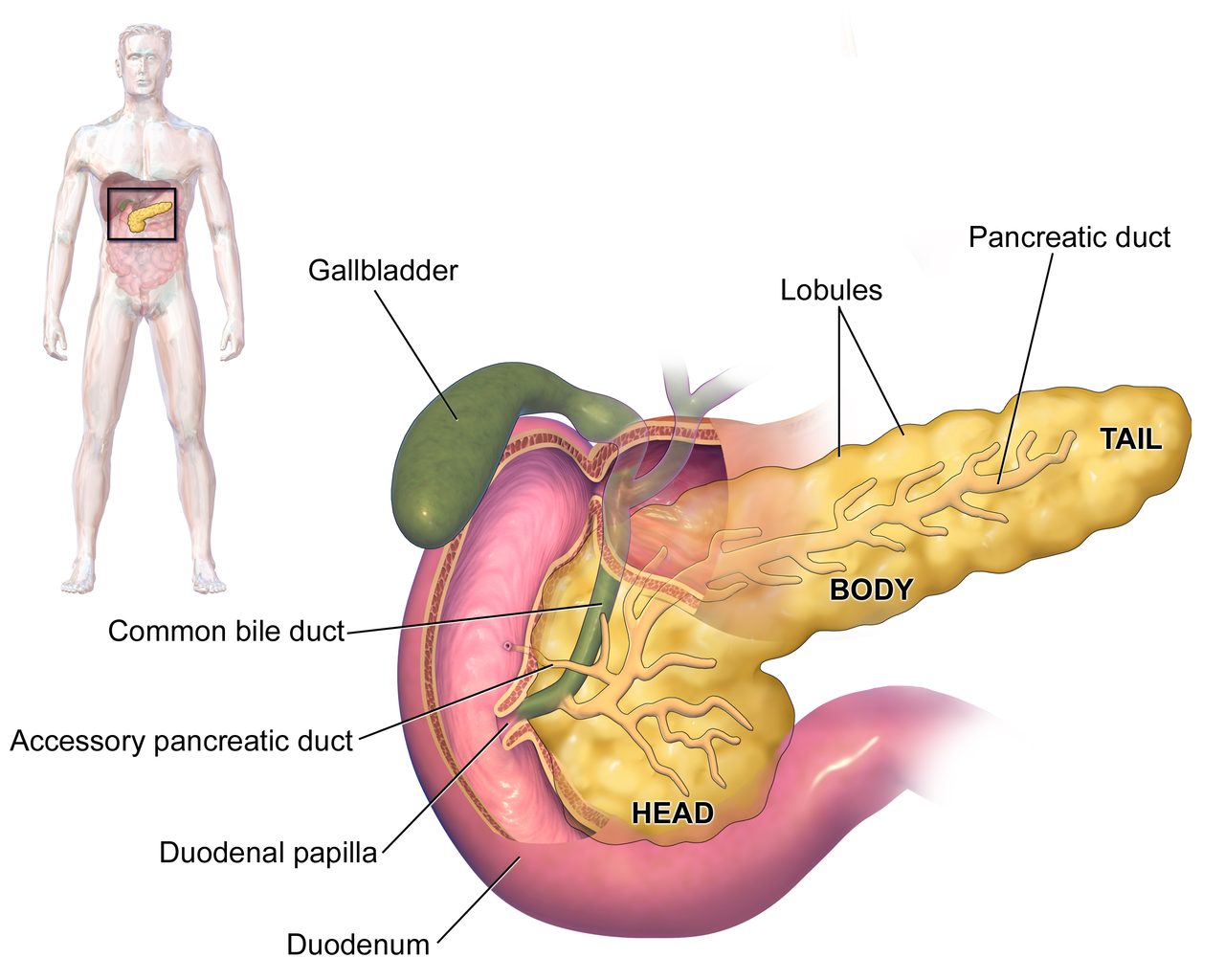
The pancreas is located in the abdominal cavity, behind the stomach and near the small intestine. It is a long, flat gland that is approximately 6 inches in length and 2 inches in width. The pancreas is divided into three main sections: the head, body, and tail. The head of the pancreas is located near the duodenum, the first part of the small intestine, and is responsible for the production of pancreatic juice. The body and tail of the pancreas are responsible for the production of hormones such as insulin and glucagon. The pancreas is also closely linked to the nervous system, which plays a crucial role in regulating its functions. For example, the nervous system helps to regulate the release of hormones from the pancreas, such as insulin and glucagon.
💡 Endocrine Function of the Pancreas
The endocrine function of the pancreas is primarily responsible for the regulation of blood sugar levels. The pancreas produces several hormones, including insulin, glucagon, somatostatin, and pancreatic polypeptide. These hormones work together to regulate the levels of glucose in the blood and maintain proper glucose metabolism. For example, insulin helps to lower blood sugar levels by facilitating the uptake of glucose by cells, while glucagon helps to raise blood sugar levels by stimulating the release of glucose from stored energy sources. The pancreas also produces other hormones, such as somatostatin, which helps to regulate the release of other hormones from the pancreas. The endocrine function of the pancreas is closely linked to the endocrine system, which includes other organs such as the thyroid gland and the adrenal glands.
🍴 Exocrine Function of the Pancreas
The exocrine function of the pancreas is primarily responsible for the production of pancreatic juice, which is secreted into the duodenum through the pancreatic duct. Pancreatic juice contains several enzymes, including amylase, lipase, and trypsin, which help to break down carbohydrates, proteins, and fats in food. The pancreatic juice also contains bicarbonate, which helps to neutralize the acid entering the duodenum from the stomach. The exocrine function of the pancreas is closely linked to the digestive system, which includes other organs such as the mouht, esophagus, and stomach. For example, the pancreas works closely with the stomach to regulate the digestion of food and the absorption of nutrients. The pancreas also works closely with the small intestine to regulate the absorption of nutrients and the elimination of waste products.
🔬 Regulation of Blood Sugar Levels
The pancreas plays a crucial role in the regulation of blood sugar levels. The pancreas produces insulin and glucagon, which work together to regulate the levels of glucose in the blood. Insulin helps to lower blood sugar levels by facilitating the uptake of glucose by cells, while glucagon helps to raise blood sugar levels by stimulating the release of glucose from stored energy sources. The pancreas also produces other hormones, such as somatostatin, which helps to regulate the release of other hormones from the pancreas. The regulation of blood sugar levels is closely linked to the endocrine system, which includes other organs such as the thyroid gland and the adrenal glands. For example, the thyroid gland produces hormones that help to regulate metabolism, which is closely linked to the regulation of blood sugar levels.
📊 Pancreatic Juice Composition
Pancreatic juice is a clear, alkaline fluid that is secreted by the pancreas into the duodenum through the pancreatic duct. The pancreatic juice contains several enzymes, including amylase, lipase, and trypsin, which help to break down carbohydrates, proteins, and fats in food. The pancreatic juice also contains bicarbonate, which helps to neutralize the acid entering the duodenum from the stomach. The composition of pancreatic juice is closely linked to the digestive system, which includes other organs such as the mouht, esophagus, and stomach. For example, the pancreas works closely with the stomach to regulate the digestion of food and the absorption of nutrients. The pancreas also works closely with the small intestine to regulate the absorption of nutrients and the elimination of waste products.
👥 Relationship Between the Pancreas and Other Organs
The pancreas works closely with other organs to regulate various bodily functions. For example, the pancreas and the liver work together to regulate blood sugar levels and maintain proper nutrition. The pancreas and the stomach work together to regulate the digestion of food and the absorption of nutrients. The pancreas and the small intestine work together to regulate the absorption of nutrients and the elimination of waste products. The pancreas is also closely linked to the nervous system, which plays a crucial role in regulating its functions. For example, the nervous system helps to regulate the release of hormones from the pancreas, such as insulin and glucagon.
🚨 Pancreatic Disorders and Diseases
Several disorders and diseases can affect the pancreas, including diabetes, pancreatitis, and pancreatic cancer. Diabetes is a condition in which the pancreas is unable to produce enough insulin to regulate blood sugar levels. Pancreatitis is a condition in which the pancreas becomes inflamed, leading to pain and digestive problems. Pancreatic cancer is a type of cancer that affects the pancreas and can be difficult to treat. The pancreas is also susceptible to other conditions, such as cystic fibrosis, which can affect the production of pancreatic juice and lead to digestive problems.
🔍 Current Research and Developments
Current research and developments are focused on improving our understanding of the pancreas and its functions. For example, researchers are studying the role of the pancreas in the regulation of blood sugar levels and the development of diabetes. Researchers are also studying the role of the pancreas in the development of pancreatic cancer and the potential for new treatments. The pancreas is also being studied in the context of regenerative medicine, which involves the use of stem cells to repair or replace damaged tissues. For example, researchers are studying the potential for using stem cells to repair damaged pancreatic tissue and improve insulin production.
👨⚕️ Diagnosis and Treatment of Pancreatic Conditions
Diagnosis and treatment of pancreatic conditions can be challenging. For example, diabetes is often diagnosed through blood tests and physical examinations, while pancreatitis is often diagnosed through imaging tests and blood tests. Pancreatic cancer is often diagnosed through imaging tests and biopsies. Treatment for pancreatic conditions can include medications, surgery, and lifestyle changes. For example, diabetes can be managed through medications and lifestyle changes, such as diet and exercise. Pancreatitis can be treated with medications and surgery, while pancreatic cancer can be treated with surgery, chemotherapy, and radiation therapy.
💻 Future Directions in Pancreatic Health
The future of pancreatic health is focused on improving our understanding of the pancreas and its functions. For example, researchers are studying the role of the pancreas in the regulation of blood sugar levels and the development of diabetes. Researchers are also studying the role of the pancreas in the development of pancreatic cancer and the potential for new treatments. The pancreas is also being studied in the context of regenerative medicine, which involves the use of stem cells to repair or replace damaged tissues. For example, researchers are studying the potential for using stem cells to repair damaged pancreatic tissue and improve insulin production.
Key Facts
- Year
- 2023
- Origin
- Ancient Greece, with descriptions found in the works of Galen and other early anatomists
- Category
- Human Biology
- Type
- Organ
Frequently Asked Questions
What is the main function of the pancreas?
The main function of the pancreas is to regulate blood sugar levels and produce pancreatic juice to aid in digestion. The pancreas produces insulin and glucagon to regulate blood sugar levels, and pancreatic juice contains enzymes that help to break down carbohydrates, proteins, and fats in food. The pancreas works closely with other organs, including the liver and the stomach, to regulate various bodily functions.
What are the symptoms of pancreatic cancer?
The symptoms of pancreatic cancer can vary depending on the location and size of the tumor. Common symptoms include abdominal pain, weight loss, and digestive problems. In some cases, pancreatic cancer can cause diabetes or jaundice. If you are experiencing any of these symptoms, it is essential to consult a doctor for proper diagnosis and treatment. The pancreas is also closely linked to the nervous system, which plays a crucial role in regulating its functions.
How is diabetes diagnosed?
Diabetes is often diagnosed through blood tests and physical examinations. A doctor may perform a fasting plasma glucose test or an oral glucose tolerance test to measure blood sugar levels. In some cases, a doctor may also perform a hemoglobin A1c test to measure average blood sugar levels over time. If you are experiencing symptoms of diabetes, such as increased thirst and urination, it is essential to consult a doctor for proper diagnosis and treatment. The pancreas plays a crucial role in regulating blood sugar levels, and its functions are closely linked to the endocrine system.
What is pancreatitis?
Pancreatitis is a condition in which the pancreas becomes inflamed, leading to pain and digestive problems. Pancreatitis can be acute or chronic, and it is often caused by gallstones or excessive alcohol consumption. Symptoms of pancreatitis include abdominal pain, nausea, and vomiting. If you are experiencing any of these symptoms, it is essential to consult a doctor for proper diagnosis and treatment. The pancreas is also closely linked to the digestive system, which includes other organs such as the stomach and the small intestine.
How can I keep my pancreas healthy?
To keep your pancreas healthy, it is essential to maintain a healthy diet and lifestyle. This includes eating a balanced diet that is rich in fruits, vegetables, and whole grains, and avoiding excessive sugar and fat. It is also important to stay hydrated by drinking plenty of water and limiting alcohol consumption. Regular exercise can also help to improve insulin sensitivity and reduce the risk of developing diabetes. Additionally, managing stress and getting enough sleep can help to regulate the functions of the pancreas. The pancreas plays a crucial role in regulating blood sugar levels, and its functions are closely linked to the endocrine system.
What are the complications of pancreatic cancer?
The complications of pancreatic cancer can vary depending on the location and size of the tumor. Common complications include diabetes, jaundice, and digestive problems. In some cases, pancreatic cancer can also cause malnutrition and weight loss. If you are experiencing any of these symptoms, it is essential to consult a doctor for proper diagnosis and treatment. The pancreas is also closely linked to the nervous system, which plays a crucial role in regulating its functions. The pancreas works closely with other organs, including the liver and the stomach, to regulate various bodily functions.
How is pancreatic cancer treated?
The treatment of pancreatic cancer depends on the location and size of the tumor. Common treatments include surgery, chemotherapy, and radiation therapy. In some cases, a doctor may also recommend palliative care to manage symptoms and improve quality of life. If you are experiencing any symptoms of pancreatic cancer, it is essential to consult a doctor for proper diagnosis and treatment. The pancreas plays a crucial role in regulating blood sugar levels, and its functions are closely linked to the endocrine system. The pancreas is also closely linked to the digestive system, which includes other organs such as the stomach and the small intestine.