
Contents
- 🎥 Introduction to Pather Panchali
- 📽️ The Making of a Classic
- 🌟 Satyajit Ray: The Visionary Director
- 📚 Literary Roots: Bibhutibhushan Bandopadhyay's Novel
- 🎬 Cinematic Innovations and Influences
- 👥 The Cast and Crew: Bringing the Story to Life
- 🏆 Awards and Recognition: A Critical and Commercial Success
- 🌎 Global Reception and Legacy
- 📊 Box Office Performance and Cultural Impact
- 👀 Themes and Symbolism: Unpacking the Film's Depth
- 🎥 Preservation and Restoration Efforts
- Frequently Asked Questions
- Related Topics
Overview
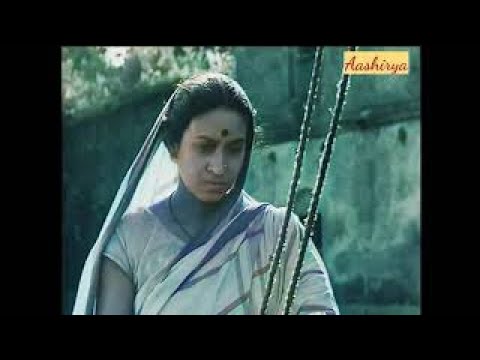
Pather Panchali, released in 1955, is a landmark film in the history of Indian cinema, directed by the acclaimed Satyajit Ray. This film marked the beginning of Ray's Apu Trilogy, which includes Aparajito and The World of Apu. Pather Panchali is an adaptation of Bibhutibhushan Bandopadhyay's novel of the same name, exploring themes of poverty, family, and the struggle for survival in rural Bengal. The film's success can be attributed to its realistic portrayal of life, thanks to Ray's meticulous direction and the outstanding performances by the cast, including Kanu Banerjee and Karuna Banerjee. The cinematography by Subrata Mitra added to the film's aesthetic, capturing the essence of rural Bengal. Pather Panchali has been recognized as one of the greatest films of all time, featuring in various lists and polls, including those by Sight and Sound and The Criterion Collection.
📽️ The Making of a Classic
The production of Pather Panchali was not without its challenges. Satyajit Ray faced numerous obstacles, including funding issues and the lack of experienced crew members. Despite these challenges, Ray persevered, driven by his vision to create a film that would showcase the realities of life in rural India. The film's script was written by Ray himself, in collaboration with Bibhutibhushan Bandopadhyay, ensuring that the essence of the novel was preserved. The film's music, composed by Raichand Boral, added to the overall mood and atmosphere of the film. Pather Panchali's success paved the way for Indian cinema to gain international recognition, influencing filmmakers such as Mrinal Sen and Ritwik Ghatak. The film's influence can also be seen in the work of international filmmakers, including Martin Scorsese and Francis Ford Coppola.
🌟 Satyajit Ray: The Visionary Director
Satyajit Ray is widely regarded as one of the most influential filmmakers in the history of Indian cinema. Born in Kolkata in 1921, Ray developed an interest in film at an early age, inspired by the works of Jean Renoir and Vittorio De Sica. Ray's direction of Pather Panchali marked the beginning of his illustrious career, which spanned over three decades and included films such as Jalsaghar and Charulata. Ray's films often explored themes of social inequality, family, and personal struggle, resonating with audiences worldwide. His collaboration with Subrata Mitra and Raichand Boral resulted in some of the most iconic films in Indian cinema. Ray's influence extends beyond Indian cinema, with filmmakers such as Steven Spielberg and Oliver Stone citing him as an inspiration.
📚 Literary Roots: Bibhutibhushan Bandopadhyay's Novel
Pather Panchali is an adaptation of Bibhutibhushan Bandopadhyay's novel of the same name. The novel, published in 1929, is a semi-autobiographical account of Bandopadhyay's childhood in rural Bengal. The story follows the life of Apu, a young boy growing up in a poor family, as he navigates the challenges of poverty, family, and personal struggle. The novel's success can be attributed to its realistic portrayal of life in rural Bengal, which resonated with readers across India. The novel's influence extends beyond literature, with its themes and characters being adapted into various forms of art, including film, theater, and music. Satyajit Ray's adaptation of the novel brought the story to a wider audience, introducing the world to the vibrant culture and rich heritage of Bengal.
🎬 Cinematic Innovations and Influences
Pather Panchali was a cinematic innovation in its time, introducing techniques such as location shooting and natural lighting. The film's cinematography, handled by Subrata Mitra, captured the essence of rural Bengal, showcasing the beauty and simplicity of life in the countryside. The film's influence can be seen in the work of later filmmakers, including Mrinal Sen and Ritwik Ghatak, who also explored themes of social inequality and personal struggle. Pather Panchali's success paved the way for Indian cinema to gain international recognition, with films such as Aparajito and The World of Apu receiving critical acclaim worldwide. The film's influence extends beyond Indian cinema, with filmmakers such as Martin Scorsese and Francis Ford Coppola citing it as an inspiration.
👥 The Cast and Crew: Bringing the Story to Life
The cast and crew of Pather Panchali played a crucial role in the film's success. Kanu Banerjee and Karuna Banerjee delivered outstanding performances as the parents of Apu, bringing depth and nuance to their characters. The film's cinematography, handled by Subrata Mitra, captured the essence of rural Bengal, showcasing the beauty and simplicity of life in the countryside. The film's music, composed by Raichand Boral, added to the overall mood and atmosphere of the film. The crew, including Satyajit Ray and Bibhutibhushan Bandopadhyay, worked tirelessly to ensure that the film stayed true to its vision, resulting in a masterpiece that continues to inspire audiences worldwide. The film's success can also be attributed to the contributions of other crew members, including Banshi Chandragupta and Dulal Dutt.
🏆 Awards and Recognition: A Critical and Commercial Success
Pather Panchali received widespread critical acclaim upon its release, winning several awards and nominations. The film won the National Film Award for Best Feature Film in 1955, recognizing its contribution to Indian cinema. The film also received international recognition, winning the Best Human Documentary award at the Cannes Film Festival in 1956. Pather Panchali's success paved the way for Indian cinema to gain global recognition, with films such as Aparajito and The World of Apu receiving critical acclaim worldwide. The film's influence extends beyond Indian cinema, with filmmakers such as Martin Scorsese and Francis Ford Coppola citing it as an inspiration. The film's legacy continues to inspire new generations of filmmakers, including Sanjay Leela Bhansali and Anurag Kashyap.
🌎 Global Reception and Legacy
Pather Panchali received widespread critical acclaim upon its release, with audiences worldwide appreciating its realistic portrayal of life in rural Bengal. The film's success can be attributed to its universal themes, which resonated with audiences across cultures and geographical boundaries. The film's influence extends beyond Indian cinema, with filmmakers such as Martin Scorsese and Francis Ford Coppola citing it as an inspiration. Pather Panchali's legacy continues to inspire new generations of filmmakers, including Sanjay Leela Bhansali and Anurag Kashyap. The film's impact on global cinema is undeniable, with its influence visible in films such as The 400 Blows and Bicycle Thieves. The film's cultural significance extends beyond the film industry, with its themes and characters being referenced in various forms of art, including literature, music, and theater.
📊 Box Office Performance and Cultural Impact
Pather Panchali was a commercial success upon its release, grossing over ₹10 million at the box office. The film's success can be attributed to its realistic portrayal of life in rural Bengal, which resonated with audiences across India. The film's influence extends beyond Indian cinema, with its themes and characters being adapted into various forms of art, including film, theater, and music. The film's cultural significance is undeniable, with its legacy continuing to inspire new generations of filmmakers and artists. Pather Panchali's impact on the Indian film industry is significant, with its success paving the way for other filmmakers to explore themes of social inequality and personal struggle. The film's influence can be seen in the work of later filmmakers, including Mrinal Sen and Ritwik Ghatak, who also explored themes of social inequality and personal struggle.
👀 Themes and Symbolism: Unpacking the Film's Depth
Pather Panchali explores several themes, including poverty, family, and personal struggle. The film's portrayal of life in rural Bengal is both realistic and poignant, showcasing the struggles faced by families living in poverty. The film's use of symbolism, including the train and the river, adds depth and nuance to the narrative. The film's exploration of the human condition is both powerful and thought-provoking, inviting audiences to reflect on their own experiences and struggles. The film's influence extends beyond Indian cinema, with its themes and characters being adapted into various forms of art, including film, theater, and music. Pather Panchali's legacy continues to inspire new generations of filmmakers and artists, with its impact on global cinema undeniable.
🎥 Preservation and Restoration Efforts
Pather Panchali has undergone several preservation and restoration efforts over the years, ensuring that the film remains accessible to audiences worldwide. The film's original negative was restored by the National Film Archive of India in the 1990s, using advanced technology to preserve the film's quality. The film has also been digitized and released on various formats, including DVD and Blu-ray, making it accessible to a wider audience. The film's preservation is a testament to its cultural significance, with its legacy continuing to inspire new generations of filmmakers and artists. Pather Panchali's influence extends beyond Indian cinema, with its themes and characters being adapted into various forms of art, including film, theater, and music.
Key Facts
- Year
- 1955
- Origin
- India
- Category
- Film
- Type
- Film
Frequently Asked Questions
What is Pather Panchali about?
Pather Panchali is a film about the life of a young boy named Apu, growing up in a poor family in rural Bengal. The film explores themes of poverty, family, and personal struggle, showcasing the struggles faced by families living in poverty. The film is an adaptation of Bibhutibhushan Bandopadhyay's novel of the same name, and is directed by Satyajit Ray.
Who directed Pather Panchali?
Pather Panchali was directed by Satyajit Ray, a renowned Indian filmmaker. Ray is widely regarded as one of the most influential filmmakers in the history of Indian cinema, and his direction of Pather Panchali marked the beginning of his illustrious career.
What is the significance of Pather Panchali?
Pather Panchali is significant because it marked a turning point in Indian cinema, introducing realistic portrayals of life in rural India. The film's success paved the way for other filmmakers to explore themes of social inequality and personal struggle, and its influence can be seen in the work of later filmmakers, including Mrinal Sen and Ritwik Ghatak.
What awards did Pather Panchali win?
Pather Panchali won several awards, including the National Film Award for Best Feature Film in 1955, and the Best Human Documentary award at the Cannes Film Festival in 1956.
Is Pather Panchali available to stream?
Yes, Pather Panchali is available to stream on various platforms, including The Criterion Channel and Amazon Prime Video. The film has also been released on DVD and Blu-ray, making it accessible to a wider audience.