
Contents
- 🚶 Introduction to Pedestrian Footpaths
- 🌆 History of Pedestrian Footpaths
- 🚧 Designing Pedestrian-Friendly Infrastructure
- 👥 Social Benefits of Pedestrian Footpaths
- 🚲 Integrating Pedestrian and Cyclist Infrastructure
- 🌈 Urban Planning Strategies for Pedestrian Footpaths
- 🏙️ Case Studies: Successful Pedestrian Footpath Implementations
- 📊 Economic Benefits of Pedestrian Footpaths
- 🚫 Challenges and Controversies Surrounding Pedestrian Footpaths
- 🌐 Future of Pedestrian Footpaths: Innovations and Trends
- 👍 Conclusion: The Importance of Pedestrian Footpaths in Urban Mobility
- Frequently Asked Questions
- Related Topics
Overview
Pedestrian footpaths, with a vibe score of 60, are a ubiquitous feature of urban landscapes, yet their design and implementation are often contentious. Historically, footpaths have evolved from simple dirt tracks to sophisticated, engineered pathways, with notable examples like the 19th-century Parisian boulevards and modern-day pedestrianized zones in Copenhagen. However, the rise of car-centric urban planning in the mid-20th century led to a decline in pedestrian infrastructure, sparking controversy and debates about prioritizing people over vehicles. Today, cities like New York and London are reimagining their footpaths, incorporating green spaces, public art, and smart technology to enhance the walking experience. With over 270 million pedestrians injured annually, according to the World Health Organization, the importance of safe and accessible footpaths cannot be overstated. As urban populations continue to grow, the future of pedestrian footpaths will be shaped by the interplay between technological innovation, environmental concerns, and social equity, with cities like Barcelona and Vancouver already implementing pioneering designs, such as 'superblocks' and 'woonerfs', which prioritize pedestrian-friendly and traffic-calmed environments.
🚶 Introduction to Pedestrian Footpaths
The humble pedestrian footpath is often overlooked as a crucial component of urban mobility. However, as discussed in Urban Planning, pedestrian footpaths play a vital role in connecting communities and facilitating the movement of people within cities. According to Transportation Engineering experts, well-designed pedestrian footpaths can significantly reduce traffic congestion and promote more sustainable modes of transportation. For instance, the city of Copenhagen has implemented a comprehensive network of pedestrian footpaths, resulting in a significant increase in Cycling and walking among its residents. Furthermore, pedestrian footpaths can also have a positive impact on local businesses, as seen in the revitalized Downtown Areas of many cities.
🌆 History of Pedestrian Footpaths
The history of pedestrian footpaths dates back to ancient civilizations, where Ancient Rome and Ancient Greece built extensive networks of roads and pathways for pedestrians. As cities evolved, so did the design and functionality of pedestrian footpaths. In the 19th century, the introduction of Streetcars and Subways led to the development of more complex pedestrian infrastructure. Today, urban planners and Landscape Architecture experts work together to create pedestrian-friendly environments that prioritize safety, accessibility, and aesthetics. The New Urbanism movement, for example, emphasizes the importance of walkable and mixed-use communities, with pedestrian footpaths playing a central role in this vision.
🚧 Designing Pedestrian-Friendly Infrastructure
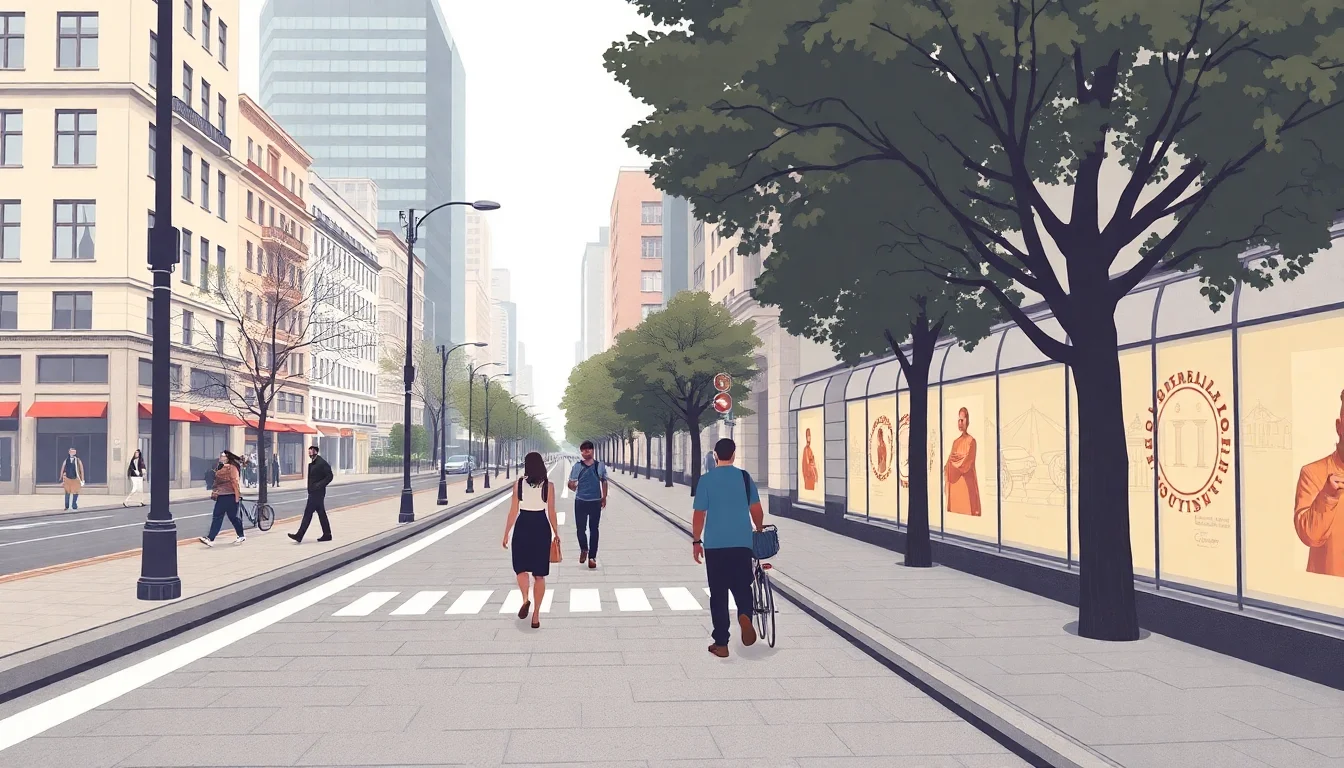
Designing pedestrian-friendly infrastructure requires careful consideration of various factors, including Traffic Engineering, Urban Design, and Sustainability. Pedestrian footpaths should be wide enough to accommodate large numbers of people, with clear signage and minimal obstacles. The use of Green Infrastructure, such as trees and gardens, can also enhance the pedestrian experience and mitigate the urban heat island effect. Moreover, the integration of Public Art and Wayfinding systems can create a more engaging and navigable environment for pedestrians. As discussed in Universal Design, pedestrian footpaths should be accessible and inclusive for all users, regardless of age or ability.
🚲 Integrating Pedestrian and Cyclist Infrastructure
The integration of pedestrian and cyclist infrastructure is crucial for creating a comprehensive and sustainable transportation network. As discussed in Bicycle Infrastructure, the provision of dedicated bike lanes and pedestrianized zones can significantly reduce conflicts between different modes of transportation. The city of Amsterdam, for example, has implemented a comprehensive network of bike lanes and pedestrian footpaths, resulting in a significant increase in cycling and walking among its residents. Moreover, the use of Smart Traffic Management systems can optimize traffic flow and minimize congestion, making it easier for pedestrians and cyclists to navigate urban environments.
🌈 Urban Planning Strategies for Pedestrian Footpaths
Urban planning strategies for pedestrian footpaths involve a range of approaches, from the creation of pedestrianized zones to the implementation of Traffic Calming measures. As discussed in Urban Renewal, the revitalization of urban areas often involves the transformation of underutilized spaces into vibrant public spaces, with pedestrian footpaths playing a central role in this process. The use of Participatory Planning approaches can also ensure that the needs and concerns of local communities are taken into account, resulting in more inclusive and effective urban planning strategies. Furthermore, the integration of Green Spaces and Public Parks can enhance the aesthetic and recreational value of pedestrian footpaths, making them more attractive and inviting to users.
🏙️ Case Studies: Successful Pedestrian Footpath Implementations
Successful pedestrian footpath implementations can be seen in various cities around the world, from the pedestrianized zones of Tokyo to the bike-friendly streets of Copenhagen. The city of New York City, for example, has implemented a comprehensive network of pedestrian footpaths and bike lanes, resulting in a significant increase in walking and cycling among its residents. As discussed in Sustainable Transportation, the promotion of walking and cycling can have numerous environmental benefits, including reduced greenhouse gas emissions and improved air quality. Moreover, the use of Data-Driven Planning approaches can help urban planners and policymakers evaluate the effectiveness of pedestrian infrastructure and identify areas for improvement.
📊 Economic Benefits of Pedestrian Footpaths
The economic benefits of pedestrian footpaths are numerous, including increased Local Economic Development and Property Values. As people walk and shop in local areas, they are more likely to support small businesses and contribute to the local economy. Furthermore, the creation of vibrant public spaces can attract tourists and visitors, generating revenue and stimulating economic growth. The Creative Class theory, for example, suggests that the presence of walkable and livable urban environments can attract talented and creative individuals, driving innovation and entrepreneurship. As discussed in Urban Economics, the investment in pedestrian infrastructure can have a significant return on investment, with benefits extending beyond the immediate area to the broader regional economy.
🚫 Challenges and Controversies Surrounding Pedestrian Footpaths
Despite the numerous benefits of pedestrian footpaths, there are also challenges and controversies surrounding their implementation. As discussed in Transportation Policy, the allocation of resources and funding for pedestrian infrastructure can be a contentious issue, with competing demands from different modes of transportation. The use of Congestion Pricing schemes, for example, can generate revenue for pedestrian infrastructure while also reducing traffic congestion. Moreover, the Equity and Accessibility of pedestrian footpaths can be a concern, particularly in areas with limited resources or inadequate infrastructure. The Transportation Justice movement, for example, emphasizes the need for more equitable and inclusive transportation systems that prioritize the needs of marginalized communities.
🌐 Future of Pedestrian Footpaths: Innovations and Trends
The future of pedestrian footpaths is likely to involve the integration of innovative technologies and sustainable design principles. As discussed in Smart Cities, the use of Internet of Things sensors and Data Analytics can optimize pedestrian infrastructure and improve the overall user experience. The incorporation of Green Technology, such as solar-powered lighting and Rainwater Harvesting systems, can also reduce the environmental impact of pedestrian footpaths. Moreover, the use of Virtual Reality and Augmented Reality can enhance the design and planning process, allowing urban planners and policymakers to simulate and visualize different scenarios and outcomes.
👍 Conclusion: The Importance of Pedestrian Footpaths in Urban Mobility
In conclusion, pedestrian footpaths play a vital role in urban mobility, connecting communities and facilitating the movement of people within cities. As urban planners and policymakers continue to prioritize the development of pedestrian-friendly infrastructure, it is essential to consider the complex interplay of social, economic, and environmental factors that shape the urban environment. By investing in pedestrian footpaths and promoting more sustainable modes of transportation, cities can create more livable, sustainable, and equitable environments that support the well-being of their residents. As discussed in Urban Futures, the future of cities will depend on the ability to balance competing demands and priorities, with pedestrian footpaths playing a central role in this vision.
Key Facts
- Year
- 2022
- Origin
- Vibepedia.wiki
- Category
- Urban Planning
- Type
- Infrastructure
Frequently Asked Questions
What are the benefits of pedestrian footpaths?
Pedestrian footpaths have numerous benefits, including the promotion of physical activity, social interaction, and community engagement. They can also reduce traffic congestion, improve air quality, and support local economic development. Furthermore, pedestrian footpaths can serve as vibrant public spaces, hosting various events and activities that foster a sense of community and cultural diversity.
How can pedestrian footpaths be designed to prioritize safety and accessibility?
Pedestrian footpaths should be designed with safety and accessibility in mind, taking into account factors such as width, signage, and obstacles. The use of green infrastructure, such as trees and gardens, can also enhance the pedestrian experience and mitigate the urban heat island effect. Moreover, the integration of public art and wayfinding systems can create a more engaging and navigable environment for pedestrians.
What is the role of technology in improving pedestrian infrastructure?
Technology can play a significant role in improving pedestrian infrastructure, from the use of smart traffic management systems to optimize traffic flow to the integration of internet of things sensors and data analytics to optimize pedestrian infrastructure. The use of virtual reality and augmented reality can also enhance the design and planning process, allowing urban planners and policymakers to simulate and visualize different scenarios and outcomes.
How can pedestrian footpaths be integrated with other modes of transportation?
Pedestrian footpaths should be integrated with other modes of transportation, such as cycling and public transportation, to create a comprehensive and sustainable transportation network. The provision of dedicated bike lanes and pedestrianized zones can significantly reduce conflicts between different modes of transportation, while the use of smart traffic management systems can optimize traffic flow and minimize congestion.
What are the economic benefits of investing in pedestrian infrastructure?
The economic benefits of investing in pedestrian infrastructure are numerous, including increased local economic development and property values. The creation of vibrant public spaces can attract tourists and visitors, generating revenue and stimulating economic growth. Moreover, the investment in pedestrian infrastructure can have a significant return on investment, with benefits extending beyond the immediate area to the broader regional economy.
How can pedestrian footpaths be made more accessible and inclusive for all users?
Pedestrian footpaths should be designed to be accessible and inclusive for all users, regardless of age or ability. The use of universal design principles, such as wheelchair-accessible ramps and audio signals for visually impaired pedestrians, can enhance the accessibility of pedestrian footpaths. Moreover, the integration of public art and wayfinding systems can create a more engaging and navigable environment for pedestrians, while the provision of amenities such as seating and restrooms can improve the overall user experience.
What is the role of urban planning in creating pedestrian-friendly environments?
Urban planning plays a crucial role in creating pedestrian-friendly environments, from the design of pedestrian infrastructure to the allocation of resources and funding. Urban planners and policymakers should prioritize the development of pedestrian-friendly infrastructure, taking into account factors such as safety, accessibility, and aesthetics. The use of participatory planning approaches can also ensure that the needs and concerns of local communities are taken into account, resulting in more inclusive and effective urban planning strategies.
👥 Social Benefits of Pedestrian Footpaths
Pedestrian footpaths have numerous social benefits, including the promotion of physical activity, social interaction, and community engagement. As people walk and interact with their surroundings, they are more likely to develop a sense of Community Development and Social Cohesion. Furthermore, pedestrian footpaths can serve as vibrant public spaces, hosting various events and activities that foster a sense of community and Cultural Diversity. The Placemaking movement, for example, emphasizes the importance of creating vibrant and inclusive public spaces that reflect the unique character of a community. By investing in pedestrian infrastructure, cities can create more livable and sustainable environments that support the well-being of their residents.