
Contents
- 🎸 Introduction to Percussion
- 🔍 History of Percussion Instruments
- 🎶 Types of Percussion Instruments
- 👥 Percussionists and Their Role
- 📚 Organology and Percussion Classification
- 🎵 Idiophone: The First Percussion Instruments
- 🥁 Membranophone: Drums and Their Variations
- 📊 Aerophone and Chordophone: Unconventional Percussion
- 🌎 Cultural Significance of Percussion
- 🤝 Influence of Percussion on Modern Music
- 🎧 The Future of Percussion
- Frequently Asked Questions
- Related Topics
Overview
Percussion instruments have been an integral part of music-making for thousands of years, with a rich history that spans across various cultures and continents. The term 'percussion' refers to the act of striking or scraping an instrument to produce sound, and it encompasses a wide range of instruments, from Drums and Xylophones to Cymbals and Gongs. As a category, percussion is not systematic, but rather a term used to describe the way an instrument is played, as explained by the scientific field of Organology. Percussion instruments can be found in various genres of music, including Classical Music, Jazz, and Rock Music. The versatility of percussion instruments has led to their widespread use in different musical contexts, from Orchestras to Rock Bands.
🔍 History of Percussion Instruments
The history of percussion instruments dates back to ancient civilizations, with evidence of drum-like instruments found in Ancient Mesopotamia and Ancient Egypt. These early instruments were often made from natural materials such as wood, stone, and animal hides, and were used in various cultural and religious contexts. As civilizations evolved, so did the design and construction of percussion instruments, with the development of new materials and techniques. The introduction of Metalworking and Woodworking allowed for the creation of more complex and sophisticated instruments, such as Timpani and Glockenspiels. The history of percussion instruments is closely tied to the history of music itself, with percussion playing a central role in the development of various musical genres, including Blues and Hip-Hop.
🎶 Types of Percussion Instruments
Percussion instruments can be broadly classified into several categories, including Idiophones, Membranophones, Aerophones, and Chordophones. Idiophones, such as Xylophones and Glockenspiels, produce sound when struck, while Membranophones, such as Drums and Timpani, produce sound when a membrane is struck. Aerophones, such as Whistles and Saxophones, produce sound when air is blown through them, while Chordophones, such as Pianos and Guitars, produce sound when a string is struck. Each type of percussion instrument has its unique characteristics and playing techniques, and is often used in specific musical contexts, such as Classical Music or Jazz.
👥 Percussionists and Their Role
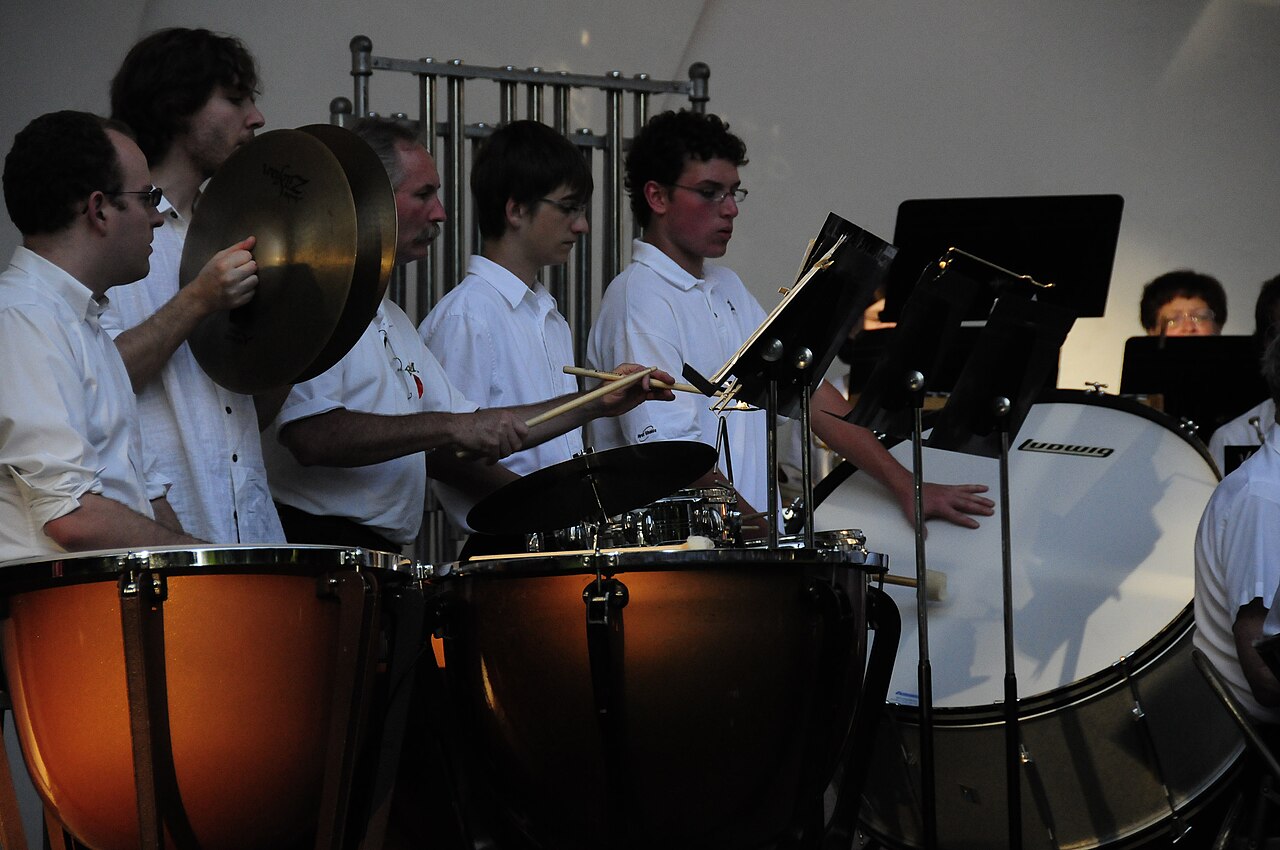
Percussionists are musicians who specialize in playing percussion instruments, and their role is crucial in various musical genres. A percussionist may play a single instrument, such as a Drum Set, or multiple instruments, such as Timpani and Xylophone. Percussionists must have a strong sense of rhythm and timing, as well as the ability to produce a wide range of dynamics and tonal colors. Many famous percussionists, such as Buddy Rich and Neil Peart, have become renowned for their technical skill and musicality. Percussionists often work with Conductors and other musicians to create a cohesive and engaging musical performance, and may also work as Session Musicians or Music Educators.
📚 Organology and Percussion Classification
The scientific field of Organology provides a systematic approach to classifying musical instruments, including percussion instruments. Organology categorizes instruments into several classes, including Idiophones, Membranophones, Aerophones, and Chordophones. This classification system allows for a deeper understanding of the characteristics and playing techniques of each instrument, and provides a framework for comparing and contrasting different instruments. By studying organology, musicians and musicologists can gain a greater appreciation for the diversity and complexity of musical instruments, and can develop a more nuanced understanding of the role of percussion in different musical genres, including Classical Music and Jazz.
🎵 Idiophone: The First Percussion Instruments
Idiophones are a type of percussion instrument that produces sound when struck, and are often made from materials such as wood, metal, or stone. Examples of idiophones include Xylophones, Glockenspiels, and Chimes. Idiophones have been used in various musical contexts, including Classical Music, Folk Music, and Pop Music. The unique sound and playing technique of idiophones make them a popular choice for many musicians, including Percussionists and Composers. Idiophones are often used in combination with other percussion instruments, such as Drums and Cymbals, to create a wide range of tonal colors and textures.
🥁 Membranophone: Drums and Their Variations
Membranophones are a type of percussion instrument that produces sound when a membrane is struck, and are often made from materials such as animal hides or synthetic materials. Examples of membranophones include Drums, Timpani, and Tambourines. Membranophones have been used in various musical contexts, including Classical Music, Jazz, and Rock Music. The unique sound and playing technique of membranophones make them a popular choice for many musicians, including Percussionists and Drummers. Membranophones are often used in combination with other percussion instruments, such as Cymbals and Gongs, to create a wide range of tonal colors and textures.
📊 Aerophone and Chordophone: Unconventional Percussion
Aerophones and chordophones are two types of instruments that are not typically considered percussion instruments, but can be used as such in certain musical contexts. Aerophones, such as Whistles and Saxophones, produce sound when air is blown through them, while chordophones, such as Pianos and Guitars, produce sound when a string is struck. In some cases, these instruments can be used as percussion instruments, such as when a pianist uses the body of the piano as a drum or when a guitarist uses the guitar as a percussion instrument. The use of aerophones and chordophones as percussion instruments allows for a greater range of tonal colors and textures, and can add a unique dimension to musical performances, including Classical Music and Jazz.
🌎 Cultural Significance of Percussion
Percussion instruments have played a significant role in the cultural and social development of various societies throughout history. In many cultures, percussion instruments are used in traditional music and dance, and are often associated with spiritual or ceremonial practices. The use of percussion instruments in these contexts allows for a sense of community and shared experience, and can provide a means of expression and communication. The cultural significance of percussion instruments is reflected in their widespread use in various musical genres, including Classical Music, Folk Music, and Pop Music.
🤝 Influence of Percussion on Modern Music
The influence of percussion on modern music is profound, with percussion instruments playing a central role in many genres, including Rock Music, Hip-Hop, and Electronic Music. The development of new percussion instruments and techniques has allowed for a greater range of tonal colors and textures, and has enabled musicians to create new and innovative sounds. The use of percussion instruments in modern music has also led to the creation of new musical genres and sub-genres, such as Drum and Bass and Techno. The influence of percussion on modern music is a testament to the versatility and expressiveness of percussion instruments, and demonstrates the ongoing importance of percussion in the development of new musical styles and genres.
🎧 The Future of Percussion
The future of percussion is likely to be shaped by advances in technology and the development of new instruments and techniques. The use of electronic percussion instruments, such as Electronic Drum Sets, has become increasingly popular in recent years, and has allowed for a greater range of tonal colors and textures. The development of new materials and manufacturing techniques has also enabled the creation of new and innovative percussion instruments, such as Hybrid Drum Sets and Carbon Fiber Drums. As music continues to evolve and change, it is likely that percussion will play an increasingly important role in shaping the sound and style of new musical genres and styles.
Key Facts
- Category
- topic
- Type
- topic
Frequently Asked Questions
What is the definition of percussion?
Percussion refers to the act of striking or scraping an instrument to produce sound. Percussion instruments are a diverse group of instruments that can be made from a wide range of materials, including wood, metal, and animal hides. The term 'percussion' encompasses a broad range of instruments, from Drums and Xylophones to Cymbals and Gongs. Percussion instruments are used in various musical genres, including Classical Music, Jazz, and Rock Music.
What are the different types of percussion instruments?
Percussion instruments can be broadly classified into several categories, including Idiophones, Membranophones, Aerophones, and Chordophones. Idiophones, such as Xylophones and Glockenspiels, produce sound when struck, while Membranophones, such as Drums and Timpani, produce sound when a membrane is struck. Aerophones, such as Whistles and Saxophones, produce sound when air is blown through them, while Chordophones, such as Pianos and Guitars, produce sound when a string is struck.
What is the role of a percussionist?
A percussionist is a musician who specializes in playing percussion instruments. Percussionists may play a single instrument, such as a Drum Set, or multiple instruments, such as Timpani and Xylophone. Percussionists must have a strong sense of rhythm and timing, as well as the ability to produce a wide range of dynamics and tonal colors. Many famous percussionists, such as Buddy Rich and Neil Peart, have become renowned for their technical skill and musicality.
What is the cultural significance of percussion instruments?
Percussion instruments have played a significant role in the cultural and social development of various societies throughout history. In many cultures, percussion instruments are used in traditional music and dance, and are often associated with spiritual or ceremonial practices. The use of percussion instruments in these contexts allows for a sense of community and shared experience, and can provide a means of expression and communication. The cultural significance of percussion instruments is reflected in their widespread use in various musical genres, including Classical Music, Folk Music, and Pop Music.
What is the future of percussion?
The future of percussion is likely to be shaped by advances in technology and the development of new instruments and techniques. The use of electronic percussion instruments, such as Electronic Drum Sets, has become increasingly popular in recent years, and has allowed for a greater range of tonal colors and textures. The development of new materials and manufacturing techniques has also enabled the creation of new and innovative percussion instruments, such as Hybrid Drum Sets and Carbon Fiber Drums.