
Contents
- 🦷 Introduction to Periodontics
- 🧬 The Periodontium: Understanding the Supporting Structures
- 👨⚕️ The Role of a Periodontist
- 🚽 Prevention of Periodontal Disease
- 🤕 Diagnosis and Treatment of Periodontal Disease
- 💉 Non-Surgical Treatment Options
- 🏥 Surgical Treatment Options
- 📊 The Cost of Periodontal Disease
- 🌎 Global Impact of Periodontal Disease
- 📈 Future Directions in Periodontics
- 🤝 Collaboration with Other Dental Specialties
- Frequently Asked Questions
- Related Topics
Overview
Periodontics, the branch of dentistry focused on the prevention, diagnosis, and treatment of diseases affecting the gums and supporting tissues of the teeth, has a rich history dating back to the 18th century. The work of pioneers like Pierre Fauchard (1678-1761) and Willoughby D. Miller (1853-1907) laid the foundation for modern periodontics. However, the field is not without controversy, with debates surrounding the use of antibiotics, the role of genetics in periodontal disease, and the impact of systemic diseases like diabetes on gum health. According to the American Academy of Periodontology, over 47% of adults in the United States have some form of periodontal disease, with numbers increasing to 70% among those 65 and older. The economic burden of periodontal disease is substantial, with estimated annual costs exceeding $14 billion in the United States alone. As research continues to uncover the complex relationships between periodontal disease and overall health, the future of periodontics is likely to involve increased collaboration between dentists, medical professionals, and researchers, with a focus on preventive care and personalized treatment approaches.
🦷 Introduction to Periodontics
Periodontics, also known as periodontology, is a specialty of Dentistry that focuses on the study of supporting structures of teeth, as well as diseases and conditions that affect them. The supporting tissues are known as the Periodontium, which includes the Gingiva (gums), Alveolar Bone, Cementum, and the Periodontal Ligament. A periodontist is a dentist who specializes in the prevention, diagnosis, and treatment of Periodontal Disease, and in the placement of Dental Implants. Periodontics is a crucial aspect of maintaining good oral health, as Gum Disease can lead to serious complications if left untreated. The American Academy of Periodontology (AAP) recommends regular check-ups with a periodontist to prevent and treat periodontal disease. According to the American Dental Association (ADA), periodontal disease is a major cause of tooth loss in adults.
🧬 The Periodontium: Understanding the Supporting Structures
The periodontium is a complex system that plays a vital role in maintaining the health and stability of teeth. The Gingiva (gums) is the most visible part of the periodontium, and it provides a protective barrier against bacterial invasion. The Alveolar Bone provides support and anchorage for the teeth, while the Cementum helps to attach the teeth to the surrounding bone. The Periodontal Ligament connects the teeth to the surrounding bone and helps to distribute the forces of chewing. Understanding the structure and function of the periodontium is essential for the diagnosis and treatment of periodontal disease. The International Journal of Periodontics and Restorative Dentistry publishes research on the latest advances in periodontics and restorative dentistry.
👨⚕️ The Role of a Periodontist
A periodontist is a dentist who has received advanced training in the prevention, diagnosis, and treatment of periodontal disease. Periodontists are skilled in a range of procedures, including Root Planing and Scaling, as well as the placement of Dental Implants. They also provide guidance on Oral Hygiene and Nutrition to help patients maintain good oral health. The American Board of Periodontology (ABP) certifies periodontists who have completed advanced training and have demonstrated expertise in the field. According to the American Academy of Periodontology (AAP), periodontists play a critical role in the prevention and treatment of periodontal disease.
🚽 Prevention of Periodontal Disease
Prevention is a key aspect of periodontics, and it involves a range of strategies to prevent the development of periodontal disease. Regular Brushing and Flossing are essential for removing plaque and bacteria from the teeth and gums. A healthy Diet that is low in sugar and acid can also help to prevent periodontal disease. Additionally, regular check-ups with a periodontist can help to identify and treat periodontal disease in its early stages. The National Institutes of Health (NIH) provides funding for research on the prevention and treatment of periodontal disease. According to the Centers for Disease Control and Prevention (CDC), periodontal disease is a major public health concern.
🤕 Diagnosis and Treatment of Periodontal Disease
Diagnosis and treatment of periodontal disease involve a range of procedures, including Clinical Exam and Radiographic Exam. A periodontist will typically perform a thorough examination of the teeth and gums to identify any signs of periodontal disease. They may also use Radiographs (x-rays) to evaluate the health of the surrounding bone. Treatment options may include Root Planing and Scaling, as well as Antibiotics to treat any underlying infection. The Journal of Periodontology publishes research on the latest advances in the diagnosis and treatment of periodontal disease. According to the American Dental Association (ADA), periodontal disease can be treated and prevented with proper care and maintenance.
💉 Non-Surgical Treatment Options
Non-surgical treatment options are often the first line of defense against periodontal disease. Root Planing and Scaling are procedures that involve removing plaque and bacteria from the teeth and gums. Antibiotics may also be prescribed to treat any underlying infection. In some cases, a periodontist may recommend Laser Therapy to help reduce inflammation and promote healing. The International Journal of Periodontics and Restorative Dentistry publishes research on the latest advances in non-surgical treatment options. According to the American Academy of Periodontology (AAP), non-surgical treatment options can be effective in treating mild to moderate periodontal disease.
🏥 Surgical Treatment Options
Surgical treatment options are often necessary for more advanced cases of periodontal disease. Gingivectomy and Gingivoplasty are procedures that involve removing or reshaping the gums to eliminate pockets and reduce inflammation. Bone Grafting may also be necessary to repair damaged bone and promote healing. In some cases, a periodontist may recommend Dental Implants to replace missing teeth. The Journal of Periodontology publishes research on the latest advances in surgical treatment options. According to the American Dental Association (ADA), surgical treatment options can be effective in treating advanced periodontal disease.
📊 The Cost of Periodontal Disease
The cost of periodontal disease can be significant, both in terms of financial burden and impact on overall health. According to the Centers for Disease Control and Prevention (CDC), periodontal disease is a major public health concern, with estimated annual costs exceeding $14 billion. The cost of treatment can range from a few hundred dollars for mild cases to tens of thousands of dollars for more advanced cases. The National Institutes of Health (NIH) provides funding for research on the prevention and treatment of periodontal disease. According to the American Academy of Periodontology (AAP), the cost of periodontal disease can be reduced with proper prevention and treatment.
🌎 Global Impact of Periodontal Disease
The global impact of periodontal disease is significant, with an estimated 743 million people worldwide suffering from the condition. According to the World Health Organization (WHO), periodontal disease is a major cause of tooth loss and disability worldwide. The International Journal of Periodontics and Restorative Dentistry publishes research on the latest advances in the prevention and treatment of periodontal disease. According to the American Dental Association (ADA), periodontal disease can be prevented and treated with proper care and maintenance.
📈 Future Directions in Periodontics
Future directions in periodontics involve a range of advances in diagnosis, treatment, and prevention. Genetic Testing may become more common to identify individuals at risk of developing periodontal disease. Stem Cell Therapy may also become a promising treatment option for regenerating damaged tissue. The National Institutes of Health (NIH) provides funding for research on the latest advances in periodontics. According to the American Academy of Periodontology (AAP), future directions in periodontics will focus on personalized medicine and targeted therapies.
🤝 Collaboration with Other Dental Specialties
Collaboration with other dental specialties is essential for providing comprehensive care to patients. Periodontists often work with Orthodontists to address issues related to tooth alignment and bite. They may also work with Prosthodontists to design and place Dental Implants. The American Dental Association (ADA) recommends that patients see a periodontist as part of their regular dental care. According to the American Academy of Periodontology (AAP), collaboration with other dental specialties is critical for providing optimal care to patients.
Key Facts
- Year
- 1685
- Origin
- Europe
- Category
- Dentistry
- Type
- Medical Specialty
Frequently Asked Questions
What is periodontics?
Periodontics is a specialty of dentistry that focuses on the study of supporting structures of teeth, as well as diseases and conditions that affect them. A periodontist is a dentist who specializes in the prevention, diagnosis, and treatment of periodontal disease, and in the placement of dental implants. According to the American Academy of Periodontology (AAP), periodontics is a crucial aspect of maintaining good oral health.
What is the periodontium?
The periodontium is a complex system that plays a vital role in maintaining the health and stability of teeth. It includes the Gingiva (gums), Alveolar Bone, Cementum, and the Periodontal Ligament. Understanding the structure and function of the periodontium is essential for the diagnosis and treatment of periodontal disease. The International Journal of Periodontics and Restorative Dentistry publishes research on the latest advances in periodontics and restorative dentistry.
What is the role of a periodontist?
A periodontist is a dentist who has received advanced training in the prevention, diagnosis, and treatment of periodontal disease. Periodontists are skilled in a range of procedures, including Root Planing and Scaling, as well as the placement of Dental Implants. They also provide guidance on Oral Hygiene and Nutrition to help patients maintain good oral health. The American Board of Periodontology (ABP) certifies periodontists who have completed advanced training and have demonstrated expertise in the field.
How can I prevent periodontal disease?
Prevention is a key aspect of periodontics, and it involves a range of strategies to prevent the development of periodontal disease. Regular Brushing and Flossing are essential for removing plaque and bacteria from the teeth and gums. A healthy Diet that is low in sugar and acid can also help to prevent periodontal disease. Additionally, regular check-ups with a periodontist can help to identify and treat periodontal disease in its early stages. The National Institutes of Health (NIH) provides funding for research on the prevention and treatment of periodontal disease.
What are the symptoms of periodontal disease?
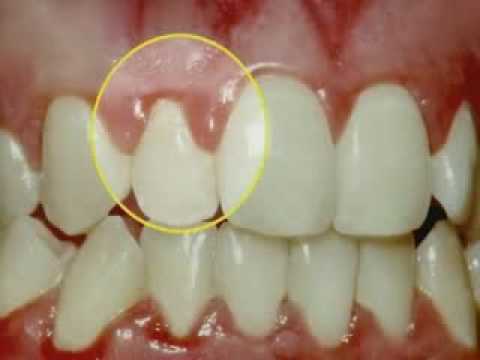
The symptoms of periodontal disease can vary, but they may include Bleeding Gums, Swollen Gums, and Bad Breath. In advanced cases, periodontal disease can lead to Loose Teeth and Tooth Loss. If you are experiencing any of these symptoms, it is essential to see a periodontist for proper diagnosis and treatment. The American Dental Association (ADA) recommends that patients see a periodontist as part of their regular dental care.
How is periodontal disease treated?
Treatment of periodontal disease depends on the severity of the condition. Mild cases may be treated with Root Planing and Scaling, while more advanced cases may require Surgical Treatment. In some cases, Antibiotics may be prescribed to treat any underlying infection. The Journal of Periodontology publishes research on the latest advances in the diagnosis and treatment of periodontal disease. According to the American Academy of Periodontology (AAP), periodontal disease can be treated and prevented with proper care and maintenance.
Can periodontal disease be prevented?
Yes, periodontal disease can be prevented with proper Oral Hygiene and regular check-ups with a periodontist. A healthy Diet that is low in sugar and acid can also help to prevent periodontal disease. Additionally, avoiding Tobacco and other harmful substances can reduce the risk of developing periodontal disease. The National Institutes of Health (NIH) provides funding for research on the prevention and treatment of periodontal disease. According to the American Dental Association (ADA), periodontal disease can be prevented and treated with proper care and maintenance.