
Contents
- 🌼 Introduction to Pollination Ecology
- 🐝 The Role of Pollinators
- 🌺 Plant-Pollinator Interactions
- 📊 Key Facts and Numbers
- 👥 Key People and Organizations
- 🌍 Cultural Impact and Influence
- ⚡ Current State and Latest Developments
- 🤔 Controversies and Debates
- 🔮 Future Outlook and Predictions
- 💡 Practical Applications
- Frequently Asked Questions
- References
- Related Topics
Overview
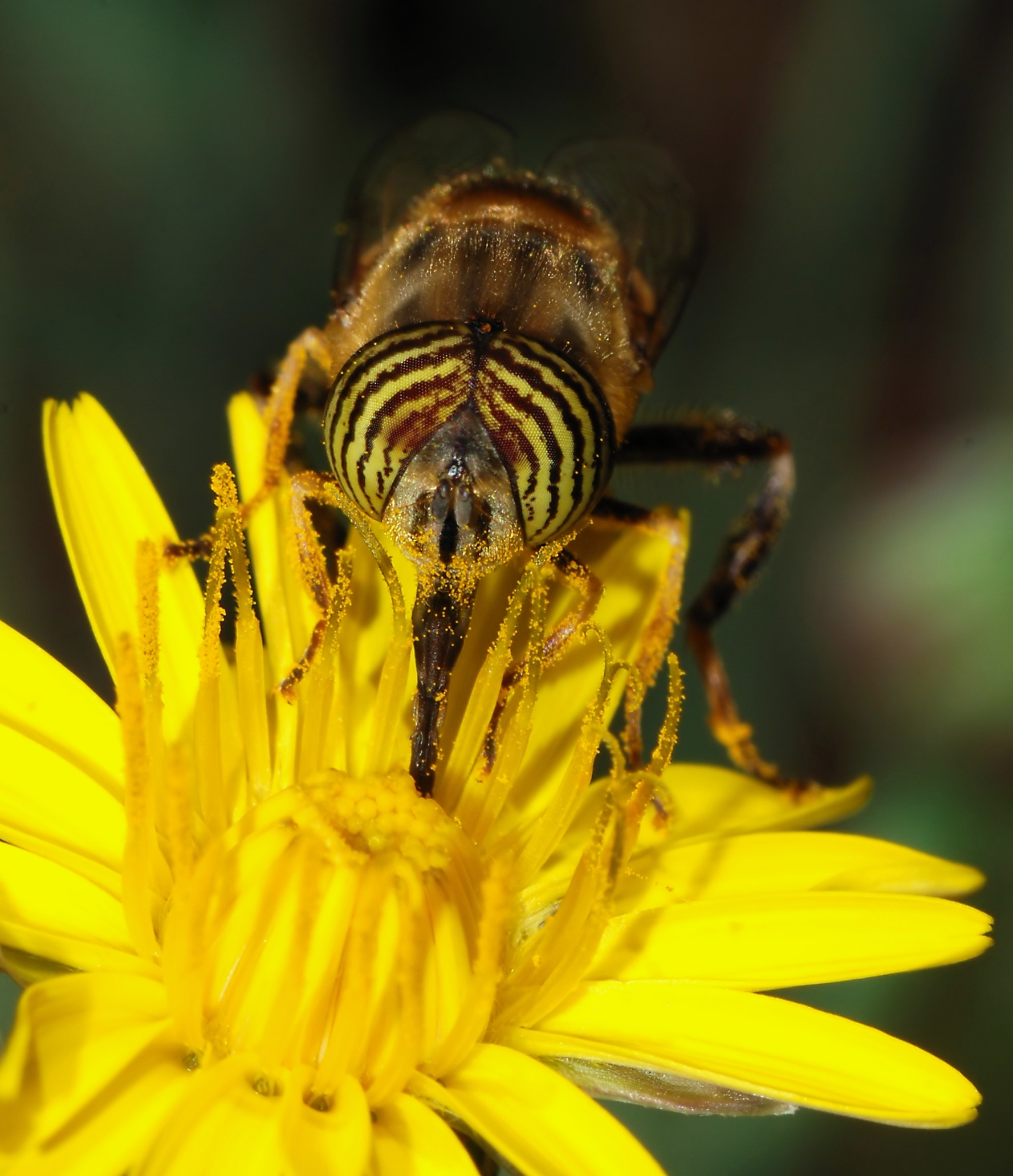
Pollination ecology is the study of the interactions between pollinators, such as bees, butterflies, and birds, and the plants they pollinate. This complex relationship is crucial for the reproduction of many plant species and has significant implications for ecosystem health and biodiversity. With over 80% of the world's crop species relying on animal pollination, the importance of pollination ecology cannot be overstated. The field of pollination ecology has been shaped by the work of scientists such as Charles Darwin and Carl Linnaeus, who recognized the importance of pollination in plant reproduction. Today, researchers like Dr. Jane Goodall continue to study and advocate for the conservation of pollinators and their habitats. As we face the challenges of climate change, habitat destruction, and species extinction, the study of pollination ecology is more critical than ever.
🌼 Introduction to Pollination Ecology
Pollination ecology is a vital field of study that has been shaped by the work of scientists such as Charles Darwin and Carl Linnaeus. The concept of pollination has its roots in the 18th century, when scientists like Antonie van Leeuwenhoek discovered the existence of pollen and its role in plant reproduction. Today, researchers like Dr. Jane Goodall continue to study and advocate for the conservation of pollinators and their habitats, with organizations like the Xerces Society working to protect pollinator populations.
🐝 The Role of Pollinators
The role of pollinators in pollination ecology is multifaceted and complex. Insects like Western honey bees and Monarch butterflies are responsible for pollinating many plant species, while vertebrates like hummingbirds and bats also play important roles. The decline of pollinators could have significant impacts on ecosystem health and biodiversity.
🌺 Plant-Pollinator Interactions
Plant-pollinator interactions are a key area of study in pollination ecology. The shape, size, and color of flowers all play a role in attracting pollinators, and the type of pollen produced by a plant can also affect its attractiveness to pollinators. For example, the sunflower produces large, showy flowers that attract a variety of pollinators, including bees and butterflies. In contrast, the orchid produces small, delicate flowers that are often pollinated by specific species of wasps or flies.
📊 Key Facts and Numbers
Some key facts and numbers about pollination ecology include the fact that over 80% of the world's crop species rely on animal pollination, with a value of over $200 billion annually. The decline of pollinators could have significant economic and environmental impacts.
👥 Key People and Organizations
Key people and organizations involved in pollination ecology include researchers like Dr. Jane Goodall and organizations like the Xerces Society. The Food and Agriculture Organization of the United Nations is also working to promote the conservation of pollinators and their habitats, with initiatives like the International Pollinators Initiative.
🌍 Cultural Impact and Influence
The cultural impact and influence of pollination ecology can be seen in the many different cultures and societies that have recognized the importance of pollinators. For example, the Native American tribe of the Navajo people have a deep respect for the bee and its role in pollination, with a rich cultural heritage of beekeeping and pollinator conservation. Similarly, the indigenous people of Australia have a long history of recognizing the importance of pollinators in their ecosystems.
⚡ Current State and Latest Developments
The current state of pollination ecology is one of concern and urgency. The decline of pollinators is a pressing issue that requires immediate attention and action. Researchers and organizations are working to develop new strategies for conserving pollinators and their habitats, including the use of genetic engineering and artificial intelligence to improve pollinator health and resilience.
🤔 Controversies and Debates
There are many controversies and debates surrounding pollination ecology, including the use of genetic engineering and pesticides in agriculture. Some argue that these practices are necessary to ensure food security and to protect crops from pests and diseases, while others argue that they pose a significant threat to pollinator health and biodiversity. For example, the use of neonicotinoids has been linked to the decline of pollinator populations.
🔮 Future Outlook and Predictions
The future outlook for pollination ecology is uncertain and depends on the actions that we take today. If we can develop new strategies for conserving pollinators and their habitats, and if we can reduce our impact on the environment, then we may be able to mitigate the decline of pollinators and ensure the long-term health of our ecosystems.
💡 Practical Applications
There are many practical applications of pollination ecology, including the development of new strategies for conserving pollinators and their habitats. For example, the use of bee-friendly plants and pollinator gardens can help to support pollinator populations and to promote biodiversity. Additionally, the development of new technologies, such as drone pollination, could potentially help to improve crop yields and to reduce the impact of pollinator decline.
Key Facts
- Year
- 2020
- Origin
- Global
- Category
- environment
- Type
- concept
Frequently Asked Questions
What is pollination ecology?
Pollination ecology is the study of the interactions between pollinators, such as bees and butterflies, and the plants they pollinate. It is a vital field of study that has significant implications for ecosystem health and biodiversity.
Why is pollination ecology important?
Pollination ecology is important because it helps to ensure the reproduction of many plant species and has significant implications for ecosystem health and biodiversity. The decline of pollinators could have significant economic and environmental impacts.
What can I do to help conserve pollinators?
There are many ways to help conserve pollinators, including planting bee-friendly plants, reducing pesticide use, and supporting conservation efforts. You can also support organizations like the Xerces Society and the Food and Agriculture Organization of the United Nations, which work to protect pollinator populations and promote their conservation.