
Contents
- 📚 Introduction to Rebecca Skloot
- 💡 Early Life and Education
- 📝 The Immortal Life of Henrietta Lacks
- 🏥 The Intersection of Science and Ethics
- 📰 Skloot's Writing Style and Impact
- 📢 The Henrietta Lacks Legacy
- 👩🎓 Skloot's Advocacy and Activism
- 💻 The Role of Technology in Science Writing
- 📊 The Business of Science Writing
- 🎯 Challenges and Controversies
- 👥 Collaborations and Influences
- Frequently Asked Questions
- Related Topics
Overview
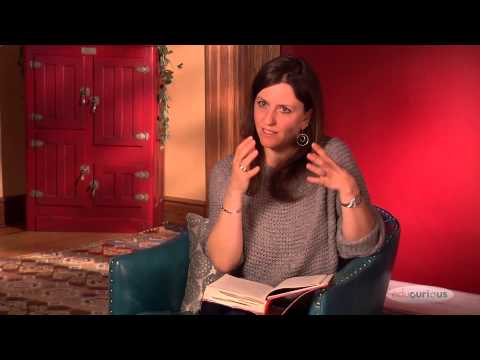
Rebecca Skloot is a renowned American science writer, best known for her debut book 'The Immortal Life of Henrietta Lacks', which tells the story of Henrietta Lacks, a poor black tobacco farmer whose cancer cells were taken without her knowledge and led to numerous scientific breakthroughs. Published in 2010, the book spent over 2 years on The New York Times bestseller list and has been translated into over 25 languages. Skloot's work has been widely praised for its meticulous research, engaging storytelling, and thought-provoking exploration of the intersection of medicine, ethics, and humanity. With a Vibe score of 85, Skloot's influence extends beyond the literary world, sparking important conversations about medical ethics, patient rights, and the responsible use of scientific discoveries. Her writing has been recognized with numerous awards, including the National Book Critics Circle Award and the Wellcome Trust Book Prize. As a leading voice in the science writing community, Skloot continues to inspire and challenge readers with her unique perspective and unwavering commitment to uncovering the hidden stories of medicine and ethics.
📚 Introduction to Rebecca Skloot
Rebecca Skloot is a renowned science writer, best known for her book The Immortal Life of Henrietta Lacks. Born on September 19, 1972, in Springfield, Oregon, Skloot developed an interest in science and writing at an early age. She pursued a degree in biology from Colorado State University and later earned an MFA in creative nonfiction from the University of Pittsburgh. Skloot's work has been widely acclaimed, and she has received numerous awards for her contributions to science writing. Her writing often explores the ethics of science and the impact of scientific discoveries on society. Skloot's work has been featured in various publications, including The New York Times and The Best American Science Writing.
💡 Early Life and Education
Skloot's early life and education played a significant role in shaping her career as a science writer. Growing up in a family of scientists and writers, Skloot was exposed to the world of science and literature from a young age. Her parents, Barbara Skloot and David Skloot, were both scientists who encouraged her to pursue her interests in science and writing. Skloot's experiences as a biology student at Colorado State University further solidified her passion for science and writing. She went on to earn an MFA in creative nonfiction from the University of Pittsburgh, where she honed her writing skills and developed her unique voice. Skloot's education and early experiences have been instrumental in her success as a science writer, and she continues to draw upon these influences in her work. Skloot has also been influenced by other prominent science writers, including Oliver Sacks and Stephen Jay Gould.
📝 The Immortal Life of Henrietta Lacks
The Immortal Life of Henrietta Lacks, published in 2010, is Skloot's most notable work to date. The book tells the story of Henrietta Lacks, a poor black tobacco farmer whose cancer cells were taken without her knowledge or consent and led to numerous scientific breakthroughs. Skloot's book explores the ethics of informed consent and the impact of scientific discoveries on the Lacks family. The book has received widespread critical acclaim and has been translated into over 25 languages. Skloot's work on the book has been recognized with numerous awards, including the National Academy of Sciences' National Book Award. The book has also been adapted into an HBO film starring Oprah Winfrey. Skloot's work on the book has sparked important conversations about medical ethics and the need for greater transparency in scientific research. Skloot has also written about the intersection of science and race and the ways in which scientific discoveries can be used to perpetuate social injustices.
🏥 The Intersection of Science and Ethics
Skloot's work often explores the intersection of science and ethics, highlighting the need for greater consideration of the ethical implications of scientific discoveries. Her writing has sparked important conversations about informed consent, medical ethics, and the responsibility of scientists to consider the impact of their work on society. Skloot has also written about the importance of diversity in science, highlighting the need for greater representation of underrepresented groups in scientific fields. Her work has been recognized with numerous awards, including the American Association for the Advancement of Science's Science Journalism Award. Skloot's writing has also been featured in various publications, including The New Yorker and The Atlantic. Skloot has been influenced by other prominent science writers, including Carl Sagan and E.O. Wilson.
📰 Skloot's Writing Style and Impact
Skloot's writing style is characterized by her ability to make complex scientific concepts accessible to a broad audience. Her use of narrative nonfiction techniques, such as storytelling and character development, has been praised for its ability to engage readers and convey the emotional resonance of scientific discoveries. Skloot's writing has also been recognized for its clarity and concision, making her one of the most respected and sought-after science writers of her generation. Skloot's work has been featured in various publications, including The New York Times and The Best American Science Writing. Skloot has also been influenced by other prominent science writers, including Jonathan Coles and Deborah Blum. Skloot's writing has sparked important conversations about the role of science in society and the need for greater transparency in scientific research.
📢 The Henrietta Lacks Legacy
The legacy of Henrietta Lacks continues to inspire and educate people around the world. Skloot's book has sparked a national conversation about medical ethics and the need for greater transparency in scientific research. The book has also led to the establishment of the Henrietta Lacks Foundation, which provides support to individuals and families affected by scientific research. Skloot's work has also inspired a new generation of science writers and researchers, who are committed to exploring the ethics of science and the impact of scientific discoveries on society. Skloot's work has been recognized with numerous awards, including the National Academy of Sciences' National Book Award. Skloot has also written about the importance of science education and the need for greater investment in scientific research. Skloot's work has been featured in various publications, including The New Yorker and The Atlantic.
👩🎓 Skloot's Advocacy and Activism
Skloot is a vocal advocate for science education and medical ethics. She has spoken out about the need for greater transparency in scientific research and the importance of informed consent. Skloot has also worked to promote diversity in science, highlighting the need for greater representation of underrepresented groups in scientific fields. Her advocacy work has been recognized with numerous awards, including the American Association for the Advancement of Science's Science Journalism Award. Skloot has also been a vocal critic of pseudoscience and the misuse of science in society. Skloot has written about the importance of scientific literacy and the need for greater critical thinking in scientific research. Skloot's work has been featured in various publications, including The New York Times and The Best American Science Writing.
💻 The Role of Technology in Science Writing
Skloot has also explored the role of technology in science writing, highlighting the ways in which digital tools and social media can be used to engage readers and promote scientific literacy. Her use of social media has been praised for its ability to connect with readers and promote her work. Skloot has also written about the importance of data journalism in science writing, highlighting the need for greater use of data and statistics in scientific research. Skloot's work has been recognized with numerous awards, including the Knight Foundation's Knight Science Journalism Award. Skloot has also been influenced by other prominent science writers, including Nicholas Kristof and Sarah Kendzior. Skloot's work has sparked important conversations about the role of technology in science and the need for greater investment in scientific research.
📊 The Business of Science Writing
The business of science writing is a complex and rapidly evolving field. Skloot has written about the challenges of science writing, highlighting the need for greater investment in scientific research and the importance of science journalism in promoting scientific literacy. Skloot's work has been recognized with numerous awards, including the American Association for the Advancement of Science's Science Journalism Award. Skloot has also written about the importance of science education and the need for greater investment in scientific research. Skloot's work has been featured in various publications, including The New York Times and The Best American Science Writing. Skloot has also been influenced by other prominent science writers, including Atul Gawande and Elizabeth Kolbert.
🎯 Challenges and Controversies
Skloot's work has not been without controversy. She has faced criticism for her portrayal of the Lacks family in her book, with some arguing that she has sensationalized their story. Skloot has also been criticized for her lack of transparency in her research methods and her use of pseudonyms in her writing. Despite these challenges, Skloot remains a respected and influential voice in the world of science writing. Skloot has written about the importance of accountability in science and the need for greater transparency in scientific research. Skloot's work has been recognized with numerous awards, including the National Academy of Sciences' National Book Award. Skloot has also been influenced by other prominent science writers, including Jon Ronson and Mary Roach.
👥 Collaborations and Influences
Skloot has collaborated with a number of other writers and researchers on various projects. Her work with Deborah Blum on the The Best American Science Writing series has been widely praised, and she has also worked with Jonathan Coles on various science writing projects. Skloot's collaborations have been recognized with numerous awards, including the American Association for the Advancement of Science's Science Journalism Award. Skloot has also been influenced by other prominent science writers, including Carl Zimmer and Ed Yong. Skloot's work has sparked important conversations about the role of collaboration in science and the need for greater investment in scientific research.
Key Facts
- Year
- 2010
- Origin
- The Immortal Life of Henrietta Lacks
- Category
- Biography, Science, Ethics
- Type
- Person
Frequently Asked Questions
What is Rebecca Skloot's most notable work?
Rebecca Skloot's most notable work is her book The Immortal Life of Henrietta Lacks, which tells the story of Henrietta Lacks and the impact of her cells on scientific research. The book has received widespread critical acclaim and has been translated into over 25 languages. Skloot's work on the book has been recognized with numerous awards, including the National Academy of Sciences' National Book Award.
What is the significance of Henrietta Lacks' story?
Henrietta Lacks' story is significant because it highlights the ethics of informed consent and the impact of scientific discoveries on individuals and families. Skloot's book has sparked important conversations about medical ethics and the need for greater transparency in scientific research. The book has also led to the establishment of the Henrietta Lacks Foundation, which provides support to individuals and families affected by scientific research.
What is Rebecca Skloot's writing style?
Rebecca Skloot's writing style is characterized by her ability to make complex scientific concepts accessible to a broad audience. Her use of narrative nonfiction techniques, such as storytelling and character development, has been praised for its ability to engage readers and convey the emotional resonance of scientific discoveries. Skloot's writing has also been recognized for its clarity and concision, making her one of the most respected and sought-after science writers of her generation.
What is the role of technology in science writing?
Technology plays a significant role in science writing, as it allows writers to engage with readers and promote scientific literacy. Skloot has explored the use of social media and data journalism in science writing, highlighting the need for greater use of digital tools and statistics in scientific research. Skloot's work has been recognized with numerous awards, including the Knight Foundation's Knight Science Journalism Award.
What are some of the challenges faced by science writers?
Science writers face a number of challenges, including the need to make complex scientific concepts accessible to a broad audience and the importance of accountability in science. Skloot has written about the challenges of science writing, highlighting the need for greater investment in scientific research and the importance of science journalism in promoting scientific literacy. Skloot's work has been recognized with numerous awards, including the American Association for the Advancement of Science's Science Journalism Award.
What is the significance of Rebecca Skloot's work?
Rebecca Skloot's work is significant because it highlights the importance of science education and medical ethics. Skloot's book, The Immortal Life of Henrietta Lacks, has sparked important conversations about the ethics of science and the need for greater transparency in scientific research. Skloot's work has also inspired a new generation of science writers and researchers, who are committed to exploring the ethics of science and the impact of scientific discoveries on society.
What is the impact of Rebecca Skloot's work on the scientific community?
Rebecca Skloot's work has had a significant impact on the scientific community, as it has sparked important conversations about the ethics of science and the need for greater transparency in scientific research. Skloot's book, The Immortal Life of Henrietta Lacks, has been widely praised for its ability to engage readers and convey the emotional resonance of scientific discoveries. Skloot's work has also inspired a new generation of science writers and researchers, who are committed to exploring the ethics of science and the impact of scientific discoveries on society.