
Contents
- 🧬 Introduction to Recombinant DNA Technology
- 💡 History of Recombinant DNA Technology
- 🔬 Laboratory Methods of Genetic Recombination
- 🧬 Formation of Recombinant DNA Molecules
- 🌟 Applications of Recombinant DNA Technology
- 🏥 Medical Applications of Recombinant DNA Technology
- 🌿 Agricultural Applications of Recombinant DNA Technology
- 🚨 Ethics and Safety Concerns in Recombinant DNA Technology
- 📊 Future Directions in Recombinant DNA Technology
- 🤝 Collaborations and Funding in Recombinant DNA Technology
- 📚 Conclusion and References
- Frequently Asked Questions
- Related Topics
Overview
Recombinant DNA technology, pioneered by Stanley Cohen and Herbert Boyer in 1973, has revolutionized the field of genetics and biotechnology. This groundbreaking technique involves the creation of artificial DNA sequences by combining genetic material from different sources, allowing for the production of novel proteins, vaccines, and other therapeutic agents. With a vibe score of 8, this technology has sparked intense debate and controversy, particularly regarding its potential applications in genetic engineering and gene editing. As of 2022, recombinant DNA technology has led to the development of numerous life-saving treatments, including insulin, vaccines, and cancer therapies. However, concerns about safety, ethics, and regulatory frameworks continue to shape the discussion around this powerful technology. The influence of recombinant DNA technology can be seen in the work of scientists such as Jennifer Doudna and Emmanuelle Charpentier, who have further advanced the field of gene editing with the discovery of CRISPR-Cas9. With the global biotechnology market projected to reach $2.4 trillion by 2028, the impact of recombinant DNA technology will only continue to grow, raising important questions about the future of genetic engineering and its potential consequences for humanity.
🧬 Introduction to Recombinant DNA Technology
Recombinant DNA technology is a powerful tool in the field of Biotechnology that has revolutionized the way we approach genetic engineering. By combining genetic material from multiple sources, scientists can create new DNA sequences that do not occur naturally, allowing for the creation of novel Genetic Engineering techniques. This technology has far-reaching implications for fields such as medicine, agriculture, and environmental science. For example, Gene Therapy has been made possible through the use of recombinant DNA technology, enabling the treatment of genetic disorders. Additionally, Genetically Modified Organisms have been created using this technology, which has sparked intense debate and discussion.
💡 History of Recombinant DNA Technology
The history of recombinant DNA technology dates back to the 1970s, when scientists such as Herbert Boyer and Stanley Cohen first developed the techniques for creating recombinant DNA molecules. Their work built on the foundation laid by earlier scientists, such as James Watson and Francis Crick, who discovered the structure of DNA. Since then, the field has rapidly expanded, with new techniques and applications being developed continuously. The development of Polymerase Chain Reaction (PCR) has been a significant milestone in this field, enabling the rapid amplification of DNA sequences. Furthermore, the use of DNA Sequencing has allowed for the analysis of genetic material with unprecedented precision.
🔬 Laboratory Methods of Genetic Recombination
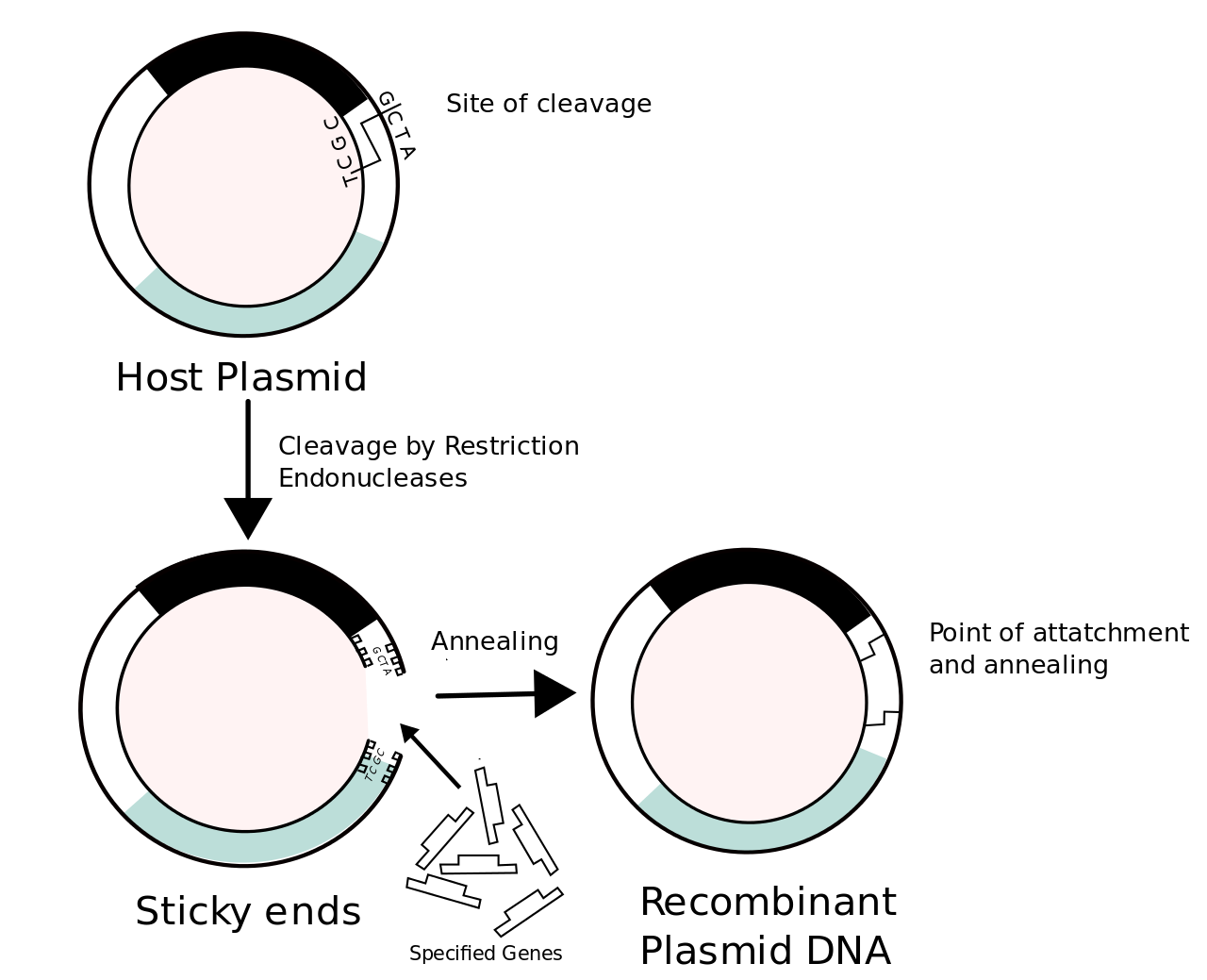
The laboratory methods of genetic recombination involve several key steps, including the isolation of DNA fragments, the creation of recombinant DNA molecules, and the introduction of these molecules into host organisms. This process requires a range of specialized techniques, including DNA Cloning and Gene Expression. The use of Restriction Enzymes has been instrumental in this process, allowing for the precise cutting of DNA sequences. Additionally, the development of Vectors has enabled the efficient transfer of genetic material into host organisms. For instance, Plasmids are commonly used as vectors in genetic engineering.
🧬 Formation of Recombinant DNA Molecules
The formation of recombinant DNA molecules is a complex process that requires careful consideration of several factors, including the choice of host organism, the selection of DNA fragments, and the design of the recombinant DNA molecule. Scientists use a range of techniques, including DNA Ligation and DNA Transformation, to create and introduce these molecules into host organisms. The use of Electroporation has also been used to introduce DNA into cells, increasing the efficiency of the process. Moreover, the development of CRISPR-Cas9 has revolutionized the field of genetic engineering, enabling precise editing of genetic sequences.
🌟 Applications of Recombinant DNA Technology
The applications of recombinant DNA technology are diverse and far-reaching, with potential uses in fields such as medicine, agriculture, and environmental science. For example, Vaccine Development has been made possible through the use of recombinant DNA technology, enabling the creation of novel vaccines against infectious diseases. Additionally, Bioremediation has been used to clean up environmental pollutants, using genetically engineered microorganisms to degrade toxic substances. The use of Genetically Modified Crops has also been explored, with the aim of increasing crop yields and improving disease resistance.
🏥 Medical Applications of Recombinant DNA Technology
In medicine, recombinant DNA technology has been used to develop new treatments for a range of diseases, including genetic disorders and infectious diseases. For example, Insulin Production has been made possible through the use of recombinant DNA technology, enabling the creation of human insulin for the treatment of diabetes. Additionally, Gene Therapy has been used to treat genetic disorders, such as Sickle Cell Anemia. The use of Monoclonal Antibodies has also been explored, with the aim of creating targeted therapies against specific diseases.
🌿 Agricultural Applications of Recombinant DNA Technology
In agriculture, recombinant DNA technology has been used to develop new crops with improved yields, disease resistance, and nutritional content. For example, Genetically Modified Crops have been created using this technology, which has sparked intense debate and discussion. The use of Herbicide-Resistant Crops has also been explored, with the aim of reducing the environmental impact of agriculture. Furthermore, the development of Drought-Tolerant Crops has the potential to improve crop yields in areas with limited water resources.
🚨 Ethics and Safety Concerns in Recombinant DNA Technology
However, the use of recombinant DNA technology also raises important ethical and safety concerns, including the potential risks of genetic pollution and the unintended consequences of releasing genetically modified organisms into the environment. For example, the use of Genetically Modified Organisms has sparked concerns about the potential impact on ecosystems and human health. The development of Biosafety Regulations has been essential in addressing these concerns, providing a framework for the safe handling and release of genetically modified organisms.
📊 Future Directions in Recombinant DNA Technology
As the field of recombinant DNA technology continues to evolve, it is likely that new applications and techniques will be developed, including the use of CRISPR-Cas9 and other gene editing tools. The future of this technology holds much promise, with the potential to revolutionize fields such as medicine and agriculture. However, it is essential to address the ethical and safety concerns associated with this technology, ensuring that its development and application are responsible and sustainable. For instance, the use of Synthetic Biology has the potential to create novel biological systems, which could have significant implications for a range of fields.
🤝 Collaborations and Funding in Recombinant DNA Technology
Collaborations and funding have been essential in driving the development of recombinant DNA technology, with governments, industry, and academia working together to support research and development in this field. The use of Public-Private Partnerships has been instrumental in facilitating the development of this technology, providing a framework for collaboration and knowledge sharing. Furthermore, the development of Open-Source Biotechnology has the potential to increase access to genetic engineering tools, enabling a wider range of researchers to contribute to the field.
📚 Conclusion and References
In conclusion, recombinant DNA technology is a powerful tool that has revolutionized the field of biotechnology, with far-reaching implications for fields such as medicine, agriculture, and environmental science. As this technology continues to evolve, it is essential to address the ethical and safety concerns associated with its use, ensuring that its development and application are responsible and sustainable. For more information, please refer to Biotechnology and Genetic Engineering.
Key Facts
- Year
- 1973
- Origin
- Stanford University, USA
- Category
- Biotechnology
- Type
- Biological Technique
Frequently Asked Questions
What is recombinant DNA technology?
Recombinant DNA technology is a powerful tool in the field of biotechnology that involves the creation of new DNA sequences by combining genetic material from multiple sources. This technology has far-reaching implications for fields such as medicine, agriculture, and environmental science. For example, gene therapy has been made possible through the use of recombinant DNA technology, enabling the treatment of genetic disorders. Additionally, genetically modified organisms have been created using this technology, which has sparked intense debate and discussion.
What are the applications of recombinant DNA technology?
The applications of recombinant DNA technology are diverse and far-reaching, with potential uses in fields such as medicine, agriculture, and environmental science. For example, vaccine development has been made possible through the use of recombinant DNA technology, enabling the creation of novel vaccines against infectious diseases. Additionally, bioremediation has been used to clean up environmental pollutants, using genetically engineered microorganisms to degrade toxic substances. The use of genetically modified crops has also been explored, with the aim of increasing crop yields and improving disease resistance.
What are the ethical and safety concerns associated with recombinant DNA technology?
The use of recombinant DNA technology raises important ethical and safety concerns, including the potential risks of genetic pollution and the unintended consequences of releasing genetically modified organisms into the environment. For example, the use of genetically modified organisms has sparked concerns about the potential impact on ecosystems and human health. The development of biosafety regulations has been essential in addressing these concerns, providing a framework for the safe handling and release of genetically modified organisms.
What is the future of recombinant DNA technology?
As the field of recombinant DNA technology continues to evolve, it is likely that new applications and techniques will be developed, including the use of CRISPR-Cas9 and other gene editing tools. The future of this technology holds much promise, with the potential to revolutionize fields such as medicine and agriculture. However, it is essential to address the ethical and safety concerns associated with this technology, ensuring that its development and application are responsible and sustainable. For instance, the use of synthetic biology has the potential to create novel biological systems, which could have significant implications for a range of fields.
What are the collaborations and funding opportunities in recombinant DNA technology?
Collaborations and funding have been essential in driving the development of recombinant DNA technology, with governments, industry, and academia working together to support research and development in this field. The use of public-private partnerships has been instrumental in facilitating the development of this technology, providing a framework for collaboration and knowledge sharing. Furthermore, the development of open-source biotechnology has the potential to increase access to genetic engineering tools, enabling a wider range of researchers to contribute to the field.
What are the potential risks and benefits of recombinant DNA technology?
The potential risks of recombinant DNA technology include the risk of genetic pollution, the unintended consequences of releasing genetically modified organisms into the environment, and the potential for misuse of this technology. However, the benefits of this technology are significant, with the potential to revolutionize fields such as medicine and agriculture. For example, gene therapy has been made possible through the use of recombinant DNA technology, enabling the treatment of genetic disorders. Additionally, genetically modified organisms have been created using this technology, which has sparked intense debate and discussion.
How does recombinant DNA technology work?
Recombinant DNA technology involves the creation of new DNA sequences by combining genetic material from multiple sources. This process requires a range of specialized techniques, including DNA cloning and gene expression. The use of restriction enzymes has been instrumental in this process, allowing for the precise cutting of DNA sequences. Additionally, the development of vectors has enabled the efficient transfer of genetic material into host organisms. For instance, plasmids are commonly used as vectors in genetic engineering.