
Contents
- 🌾 Origins & History
- 🌿 How It Works
- 📊 Key Facts & Numbers
- 👥 Key People & Organizations
- 🌍 Cultural Impact & Influence
- ⚡ Current State & Latest Developments
- 🤔 Controversies & Debates
- 🔮 Future Outlook & Predictions
- 💡 Practical Applications
- 📚 Related Topics & Deeper Reading
- Frequently Asked Questions
- References
- Related Topics
Overview
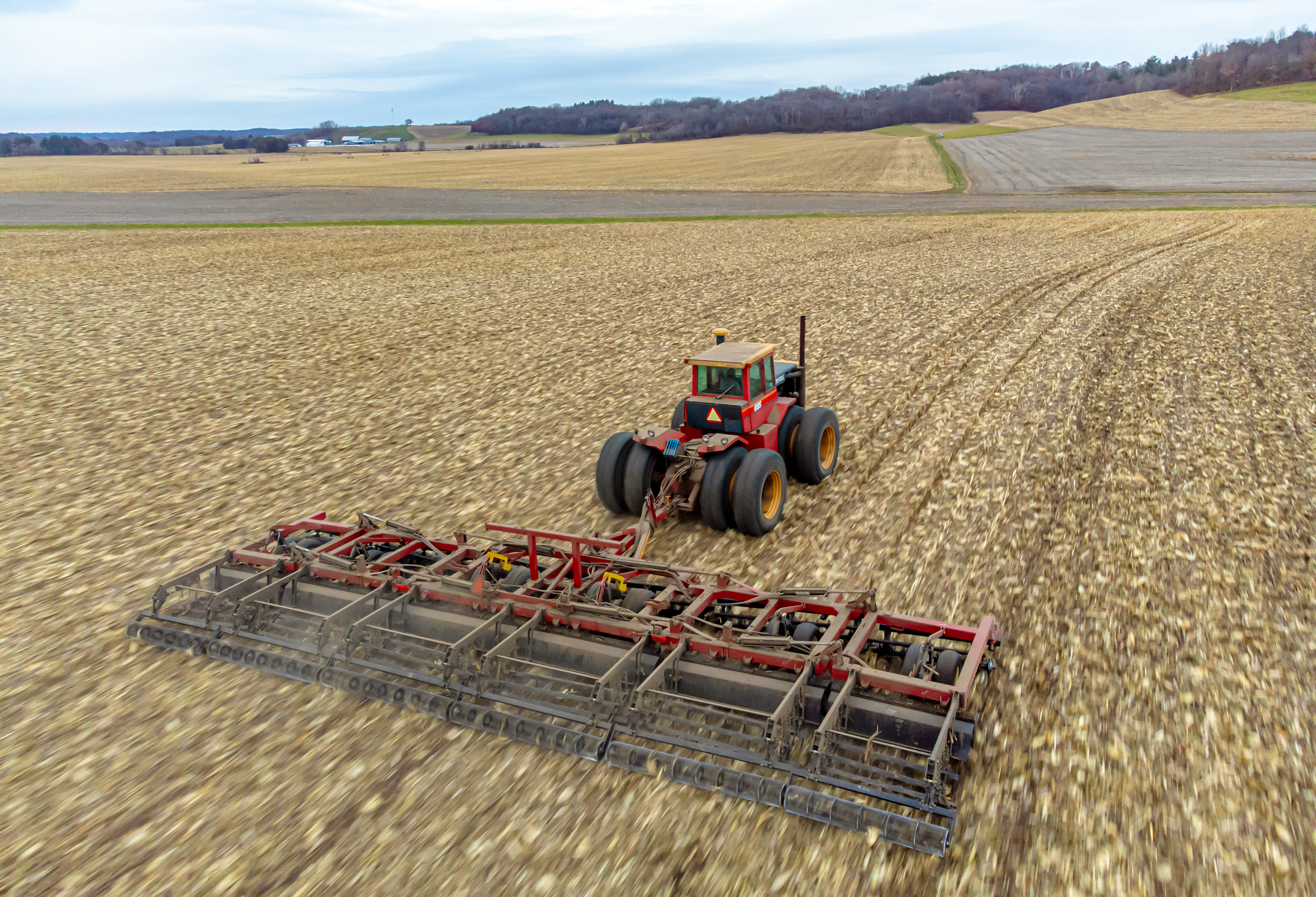
Reduced tillage is a farming practice that aims to minimize soil disturbance, preserving soil health and reducing erosion. This approach has gained popularity in recent years due to its potential to promote sustainability and improve crop yields. Reduced tillage involves using specialized equipment, such as no-till planters and strip-till cultivators, to reduce soil disturbance and promote soil biota.
🌾 Origins & History
Reduced tillage has its roots in the early 20th century, when farmers began experimenting with minimal tillage practices to reduce soil erosion and promote soil health. Today, reduced tillage is practiced globally.
🌿 How It Works
The mechanics of reduced tillage involve minimizing soil disturbance while maintaining soil fertility and structure. This is achieved through the use of specialized equipment, such as no-till planters and strip-till cultivators, which are designed to reduce soil disturbance and promote soil biota. Additionally, farmers can use techniques like cover cropping and crop rotation to promote soil health and reduce the need for tillage.
📊 Key Facts & Numbers
Key facts about reduced tillage include its potential to promote sustainability and improve crop yields. Reduced tillage can reportedly promote biodiversity.
👥 Key People & Organizations
Key people and organizations involved in reduced tillage include the National Association of Conservation Districts (NACD), which provides technical assistance and support to farmers adopting reduced tillage practices. Companies like John Deere and Case IH offer a range of reduced tillage equipment and services to farmers.
🌍 Cultural Impact & Influence
Reduced tillage has had a significant cultural impact and influence on the agricultural industry. The practice has been adopted by farmers globally, and has been recognized as a key strategy for promoting sustainable agriculture.
⚡ Current State & Latest Developments
The current state of reduced tillage is one of adoption and growth. The practice is expected to continue growing in popularity, driven by increasing demand for sustainable agriculture and environmental stewardship.
🤔 Controversies & Debates
Despite its many benefits, reduced tillage is not without controversy and debate. Some critics argue that the practice can have drawbacks, while others argue that it can improve crop yields and reduce labor costs. According to some sources, reduced tillage can improve crop yields and reduce labor costs.
🔮 Future Outlook & Predictions
The future outlook for reduced tillage is one of continued growth and adoption. As the world grapples with the challenges of sustainability, reduced tillage is poised to play a role in promoting sustainable agriculture.
💡 Practical Applications
Reduced tillage has a range of practical applications, from improving soil fertility and reducing soil erosion to promoting biodiversity. Some studies suggest that reduced tillage can improve crop yields and reduce labor costs.
Key Facts
- Year
- 2022
- Origin
- Global
- Category
- environment
- Type
- concept
Frequently Asked Questions
What is reduced tillage?
Reduced tillage is a farming practice that aims to minimize soil disturbance, preserving soil health and reducing erosion.
What are the benefits of reduced tillage?
Reduced tillage can promote sustainability, improve crop yields, and reduce labor costs, according to some sources.