
Contents
- 🧠 Introduction to Neurotransmitters
- 🔬 The Science of Neurotransmitter Regulation
- 🌱 Lifestyle Factors Influencing Neurotransmitters
- 👥 The Role of Community and Social Connection
- 🏥 Current Research and Developments
- 🤔 Controversies and Debates
- 🔮 Future Directions and Emerging Trends
- 💡 Practical Applications and Takeaways
- 📚 Related Topics and Further Reading
- References
Overview
The regulation of neurotransmitters is a complex process that plays a crucial role in maintaining holistic health and well-being. Neurotransmitters, such as serotonin, dopamine, and acetylcholine, are chemical messengers that transmit signals between neurons, influencing mood, cognition, and physical function. Through practices like meditation, yoga, and mindfulness, individuals can influence the regulation of neurotransmitters, promoting a balanced and healthy nervous system. By understanding the interconnectedness of neurotransmitters and their impact on overall well-being, individuals can take a proactive approach to maintaining optimal mental and physical health. Research has shown that certain nutrients, such as omega-3 fatty acids and vitamin D, can support neurotransmitter balance, while others, like sugar and caffeine, can disrupt it. By making informed choices about diet, lifestyle, and stress management, individuals can promote healthy neurotransmitter regulation and maintain a state of optimal well-being.
🧠 Introduction to Neurotransmitters
Neurotransmitters, such as serotonin, dopamine, and acetylcholine, are chemical messengers that transmit signals between neurons, influencing mood, cognition, and physical function. By exploring the relationships between neurotransmitters and their impact on overall well-being, individuals can cultivate a deeper understanding of the intricate web of factors that influence their health.
🔬 The Science of Neurotransmitter Regulation
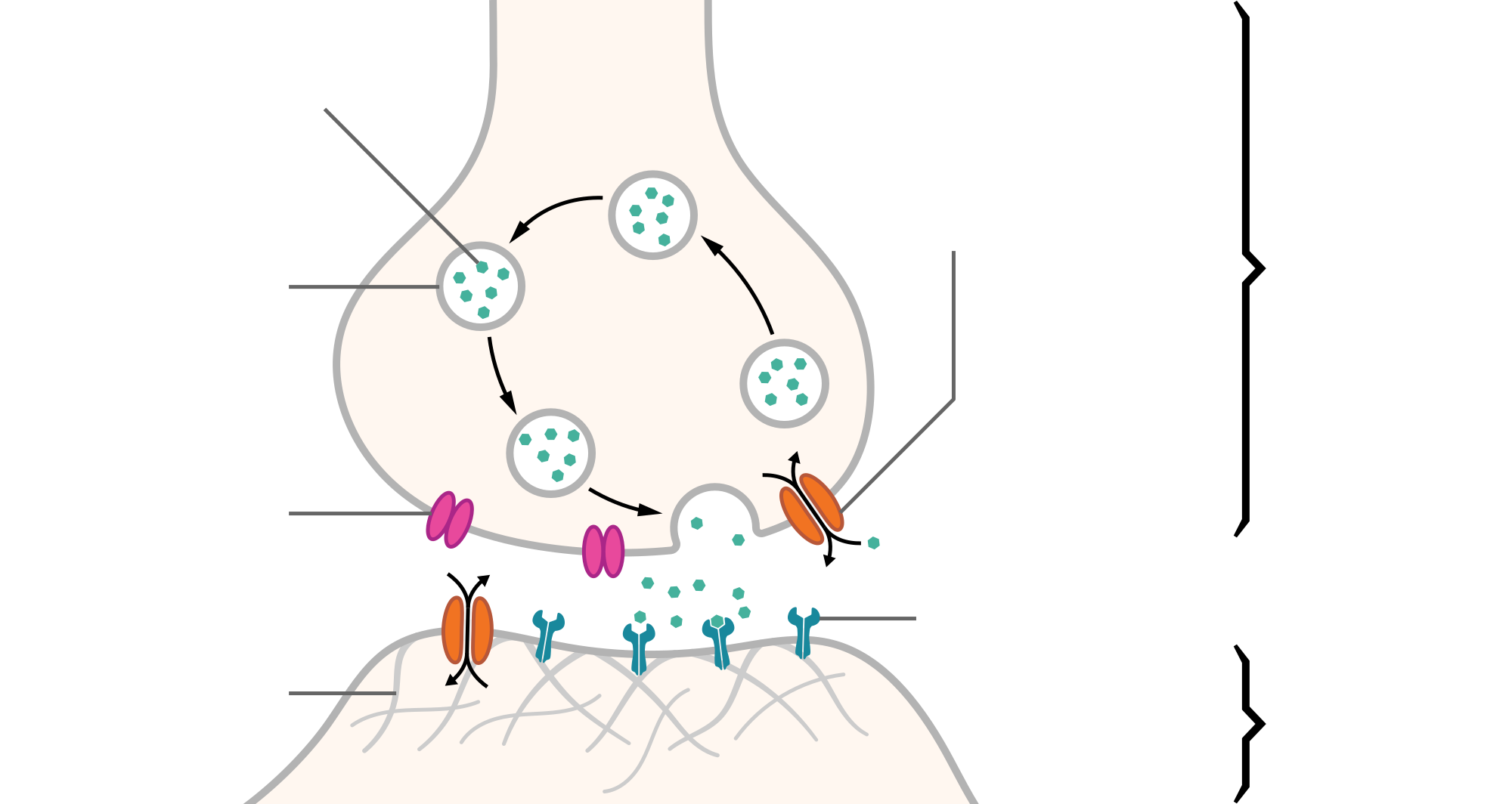
The regulation of neurotransmitters is a highly complex process, involving multiple cellular and molecular mechanisms. Neurotransmitters are synthesized from amino acids and other precursors, and their release is triggered by electrical signals from neurons. By understanding the science behind neurotransmitter regulation, individuals can better appreciate the importance of maintaining a balanced and healthy nervous system.
🌱 Lifestyle Factors Influencing Neurotransmitters
Lifestyle factors, such as diet, exercise, and stress management, can significantly influence neurotransmitter levels and regulation. A diet rich in whole foods, fruits, and vegetables can provide the necessary precursors for neurotransmitter synthesis, while regular exercise can stimulate the release of neurotransmitters. Stress management techniques, such as meditation and yoga, can also help regulate neurotransmitter balance by reducing the production of stress hormones. For example, meditation, yoga, and mindfulness can influence the regulation of neurotransmitters, promoting a balanced and healthy nervous system.
🏥 Current Research and Developments
Current research is focused on developing new treatments and therapies for mental health disorders related to neurotransmitter imbalances. Researchers at the National Institute of Mental Health are using neuroimaging techniques to study the effects of neurotransmitter imbalance on brain function and behavior. By exploring the latest developments in neurotransmitter research, individuals can stay up-to-date on the latest advancements and breakthroughs in the field.
🤔 Controversies and Debates
Despite the progress made in understanding neurotransmitter regulation, there are still many controversies and debates in the field. Some researchers argue that the current diagnostic criteria for mental health disorders are too narrow, and that a more holistic approach is needed to address the complex interplay between neurotransmitters, hormones, and other signaling molecules. Others argue that the use of pharmaceuticals to treat mental health disorders can have unintended consequences, such as disrupting the balance of neurotransmitters and leading to long-term side effects. By examining the controversies and debates surrounding neurotransmitter regulation, individuals can gain a deeper understanding of the complexities and challenges involved in maintaining optimal mental and physical health.
🔮 Future Directions and Emerging Trends
As our understanding of neurotransmitter regulation continues to evolve, new directions and emerging trends are likely to shape the field. The development of personalized medicine and genetic testing may allow for more targeted and effective treatments for mental health disorders. Additionally, the growing recognition of the importance of lifestyle factors, such as diet and exercise, may lead to a greater emphasis on preventive care and holistic approaches to health. By exploring the future directions and emerging trends in neurotransmitter research, individuals can stay ahead of the curve and take a proactive approach to maintaining optimal mental and physical health.
💡 Practical Applications and Takeaways
Practical applications of neurotransmitter regulation can be found in various aspects of daily life. By making informed choices about diet, lifestyle, and stress management, individuals can promote healthy neurotransmitter balance and maintain a state of optimal well-being. Additionally, by cultivating strong social connections and engaging in community activities, individuals can stimulate the release of neurotransmitters. By applying the principles of neurotransmitter regulation to everyday life, individuals can take a proactive approach to maintaining optimal mental and physical health.
Key Facts
- Category
- health
- Type
- concept