
Contents
- 🔥 Introduction to the Burning of Smyrna
- 🕰️ Historical Context: The Fall of the Ottoman Empire
- 🏙️ The City of Smyrna: A Melting Pot of Cultures
- 🔪 The Role of the Turkish National Movement
- 👊 The Involvement of the Great Powers
- 📰 Media Coverage and Public Opinion
- 🤝 International Response and Relief Efforts
- 🕊️ The Aftermath and Legacy of the Burning of Smyrna
- 📊 Assessing Responsibility: A Complex Web of Factors
- 👀 Uncovering Hidden Histories and Untold Stories
- 🌎 The Burning of Smyrna in the Context of Global History
- Frequently Asked Questions
- Related Topics
Overview
The burning of Smyrna in 1922, a catastrophic event that ravaged the predominantly Greek-inhabited city, remains a contentious issue, with various parties assigning blame to different actors. Historians point to the Turkish army's invasion of the city as the primary catalyst, while others argue that the Great Powers of the time, including the United Kingdom, France, and Italy, bear significant responsibility for their inaction. The role of Mustafa Kemal Atatürk, the founder of modern Turkey, is also debated, with some viewing him as a nationalist hero and others as a perpetrator of ethnic cleansing. The estimated death toll ranges from 10,000 to 100,000, with many more displaced, leaving an enduring impact on the region's demographics and cultural heritage. The controversy surrounding the burning of Smyrna continues to simmer, with some seeking recognition and reparations, while others aim to revise or downplay the historical narrative. As the world grapples with the legacy of colonialism and nationalism, the burning of Smyrna serves as a poignant reminder of the devastating consequences of unchecked power and the importance of acknowledging the past.
🔥 Introduction to the Burning of Smyrna
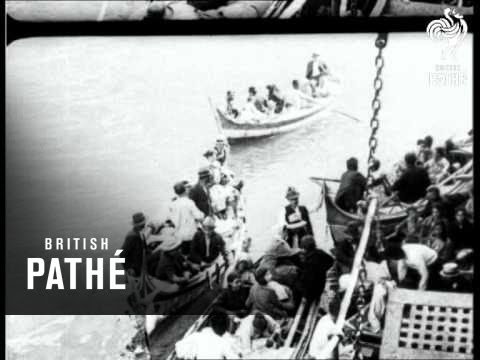
The Burning of Smyrna, also known as the Great Fire of Smyrna, was a devastating event that occurred in September 1922, during the Turkish War of Independence. The fire destroyed much of the city of Smyrna, killing thousands of people and leaving many more homeless. To understand the events leading up to the burning of Smyrna, it is essential to examine the Ottoman Empire's decline and the rise of the Turkish National Movement. The city of Smyrna, with its diverse population of Greeks, Turks, Armenians, and others, was a microcosm of the larger conflicts unfolding in the region. The Greece-Turkey population exchange, facilitated by the League of Nations, would later play a significant role in shaping the region's demographics.
🕰️ Historical Context: The Fall of the Ottoman Empire
The fall of the Ottoman Empire created a power vacuum that various groups sought to fill. The Turkish National Movement, led by Mustafa Kemal Atatürk, aimed to establish a new, secular Turkish state. The movement's military successes, including the Battle of Sakarya, paved the way for the eventual capture of Smyrna. Meanwhile, the Allies of World War I, including United Kingdom, France, and Italy, had their own interests in the region, which often conflicted with those of the Turkish National Movement. The Treaty of Sèvres, imposed on the Ottoman Empire, further complicated the situation.
🏙️ The City of Smyrna: A Melting Pot of Cultures
Smyrna, with its strategic location and diverse population, was a crucial city in the region. The city's economy, driven by trade and commerce, was heavily influenced by the presence of Greece and other foreign powers. The Armenian Genocide, which occurred during World War I, had a significant impact on the city's Armenian population. As the Turkish National Movement gained momentum, tensions between the different ethnic and religious groups in Smyrna increased, ultimately contributing to the outbreak of violence. The Greek Army's occupation of Smyrna, which began in 1919, was met with resistance from the Turkish population, setting the stage for the eventual burning of the city.
🔪 The Role of the Turkish National Movement
The Turkish National Movement, led by Mustafa Kemal Atatürk, played a significant role in the burning of Smyrna. The movement's military successes, including the capture of Eskişehir and Afyonkarahisar, demonstrated its growing strength and influence. The Turkish National Movement's relations with the Soviet Union, which provided significant financial and military support, were also crucial in this period. As the movement's power grew, so did its determination to establish a homogeneous Turkish state, which would ultimately lead to the displacement and violence against minority groups. The Kemalism ideology, which emphasized secularism and nationalism, would shape the new Turkish state and its relations with the international community.
👊 The Involvement of the Great Powers
The Great Powers, including the United Kingdom, France, and Italy, had significant interests in the region and played a role in the events leading up to the burning of Smyrna. The Treaty of Lausanne, which recognized the modern borders of Turkey, was negotiated in the aftermath of the burning. The treaty's provisions, including the establishment of the Turkish Republic, had far-reaching consequences for the region. The League of Nations, which was established after World War I, failed to prevent the violence and displacement that occurred in Smyrna. The United States, which had significant economic interests in the region, also played a role in the events leading up to the burning of Smyrna.
📰 Media Coverage and Public Opinion
Media coverage of the burning of Smyrna was limited, and the event received relatively little attention in the international press. However, the New York Times and other major newspapers did report on the violence and displacement that occurred in Smyrna. The British Broadcasting Corporation (BBC) and other news organizations also covered the events, although their reports were often biased towards the Allied powers. Public opinion, both in Turkey and internationally, was divided, with some people blaming the Turkish National Movement for the violence and others blaming the Allied powers for their role in the conflict. The Propaganda efforts of the Turkish National Movement and the Allied powers further complicated the situation, as each side sought to shape public opinion to its advantage.
🤝 International Response and Relief Efforts
The international response to the burning of Smyrna was limited, and relief efforts were often inadequate. The Red Cross and other humanitarian organizations provided some assistance, but their efforts were hindered by the lack of access to the affected areas. The League of Nations failed to take decisive action to prevent the violence and displacement, and its inaction was widely criticized. The United Nations, which was established after World War II, would later play a significant role in responding to humanitarian crises and promoting international cooperation. The European Union's response to the refugee crisis in the 2010s would also be influenced by the lessons of the burning of Smyrna.
🕊️ The Aftermath and Legacy of the Burning of Smyrna
The aftermath of the burning of Smyrna was marked by significant demographic changes, as the city's Greek and Armenian populations were largely displaced. The Greek-Turkish population exchange, facilitated by the League of Nations, resulted in the forced relocation of hundreds of thousands of people. The legacy of the burning of Smyrna continues to be felt today, with many people still seeking justice and compensation for the losses they suffered. The Turkish Government has been criticized for its handling of the issue, and many people argue that the burning of Smyrna was a genocide. The International Court of Justice has also been involved in efforts to address the legacy of the burning of Smyrna.
📊 Assessing Responsibility: A Complex Web of Factors
Assessing responsibility for the burning of Smyrna is a complex task, as multiple factors and actors contributed to the event. The Turkish National Movement, led by Mustafa Kemal Atatürk, played a significant role in the violence and displacement that occurred. The Allies of World War I, including the United Kingdom, France, and Italy, also bore some responsibility for their role in the conflict. The League of Nations failed to prevent the violence and displacement, and its inaction was widely criticized. The Soviet Union's support for the Turkish National Movement also contributed to the outcome. A nuanced understanding of these factors is necessary to appreciate the complexity of the event.
🌎 The Burning of Smyrna in the Context of Global History
The burning of Smyrna is often seen as a local or regional event, but it has significant implications for global history. The Turkish War of Independence was part of a larger wave of nationalist movements that swept the world in the early 20th century. The Russian Revolution and the Chinese Revolution also occurred during this period, and all three events had significant impacts on global politics. The Cold War and the Decolonization of Africa and Asia were also influenced by the events of this period. The burning of Smyrna serves as a reminder of the complex and often fraught nature of international relations and the importance of understanding the historical context of global events.
Key Facts
- Year
- 1922
- Origin
- Smyrna, Turkey (now Izmir)
- Category
- History
- Type
- Historical Event
Frequently Asked Questions
What was the Burning of Smyrna?
The Burning of Smyrna, also known as the Great Fire of Smyrna, was a devastating event that occurred in September 1922, during the Turkish War of Independence. The fire destroyed much of the city of Smyrna, killing thousands of people and leaving many more homeless. The event was part of a larger conflict between the Turkish National Movement and the Greece-backed government of Smyrna. The burning of Smyrna was a traumatic event that had significant impacts on the people of Smyrna and the wider region.
Who was responsible for the Burning of Smyrna?
Assessing responsibility for the burning of Smyrna is a complex task, as multiple factors and actors contributed to the event. The Turkish National Movement, led by Mustafa Kemal Atatürk, played a significant role in the violence and displacement that occurred. The Allies of World War I, including the United Kingdom, France, and Italy, also bore some responsibility for their role in the conflict. The League of Nations failed to prevent the violence and displacement, and its inaction was widely criticized.
What were the consequences of the Burning of Smyrna?
The consequences of the burning of Smyrna were significant and far-reaching. The event resulted in the deaths of thousands of people and the displacement of many more. The Greek-Turkish population exchange, facilitated by the League of Nations, resulted in the forced relocation of hundreds of thousands of people. The legacy of the burning of Smyrna continues to be felt today, with many people still seeking justice and compensation for the losses they suffered. The Turkish Government has been criticized for its handling of the issue, and many people argue that the burning of Smyrna was a genocide.
How does the Burning of Smyrna relate to global history?
The burning of Smyrna is often seen as a local or regional event, but it has significant implications for global history. The Turkish War of Independence was part of a larger wave of nationalist movements that swept the world in the early 20th century. The Russian Revolution and the Chinese Revolution also occurred during this period, and all three events had significant impacts on global politics. The Cold War and the Decolonization of Africa and Asia were also influenced by the events of this period.
What is the current status of the Burning of Smyrna in terms of international recognition?
The burning of Smyrna is not widely recognized as a genocide by the international community. However, many people argue that the event meets the definition of genocide, as outlined in the United Nations Convention on the Prevention and Punishment of the Crime of Genocide. The Turkish Government has been criticized for its handling of the issue, and many people argue that the government has sought to suppress the history of the burning of Smyrna. The International Court of Justice has also been involved in efforts to address the legacy of the burning of Smyrna.
What can be done to address the legacy of the Burning of Smyrna?
Addressing the legacy of the burning of Smyrna requires a nuanced understanding of the complex historical context of the event. The Turkish Government must take steps to acknowledge the suffering of the people of Smyrna and provide compensation for the losses they suffered. The international community must also recognize the burning of Smyrna as a significant event in global history and provide support for efforts to address its legacy. The United Nations and other international organizations can play a role in promoting reconciliation and providing assistance to those affected by the event.
How does the Burning of Smyrna relate to the Armenian Genocide?
The burning of Smyrna and the Armenian Genocide are closely related events. Both events occurred during the same period and were part of a larger wave of violence and displacement that affected the people of the region. The Armenian Genocide was a systematic campaign of violence and displacement carried out by the Ottoman Empire against the Armenian people. The burning of Smyrna was a traumatic event that had significant impacts on the people of Smyrna and the wider region. Both events are widely recognized as genocides by the international community.