
Contents
- 🎵 Origins & History
- ⚙️ How It Works
- 📊 Key Facts & Numbers
- 👥 Key People & Organizations
- 🌍 Cultural Impact & Influence
- ⚡ Current State & Latest Developments
- 🤔 Controversies & Debates
- 🔮 Future Outlook & Predictions
- 💡 Practical Applications
- 📚 Related Topics & Deeper Reading
- Frequently Asked Questions
- References
- Related Topics
Overview
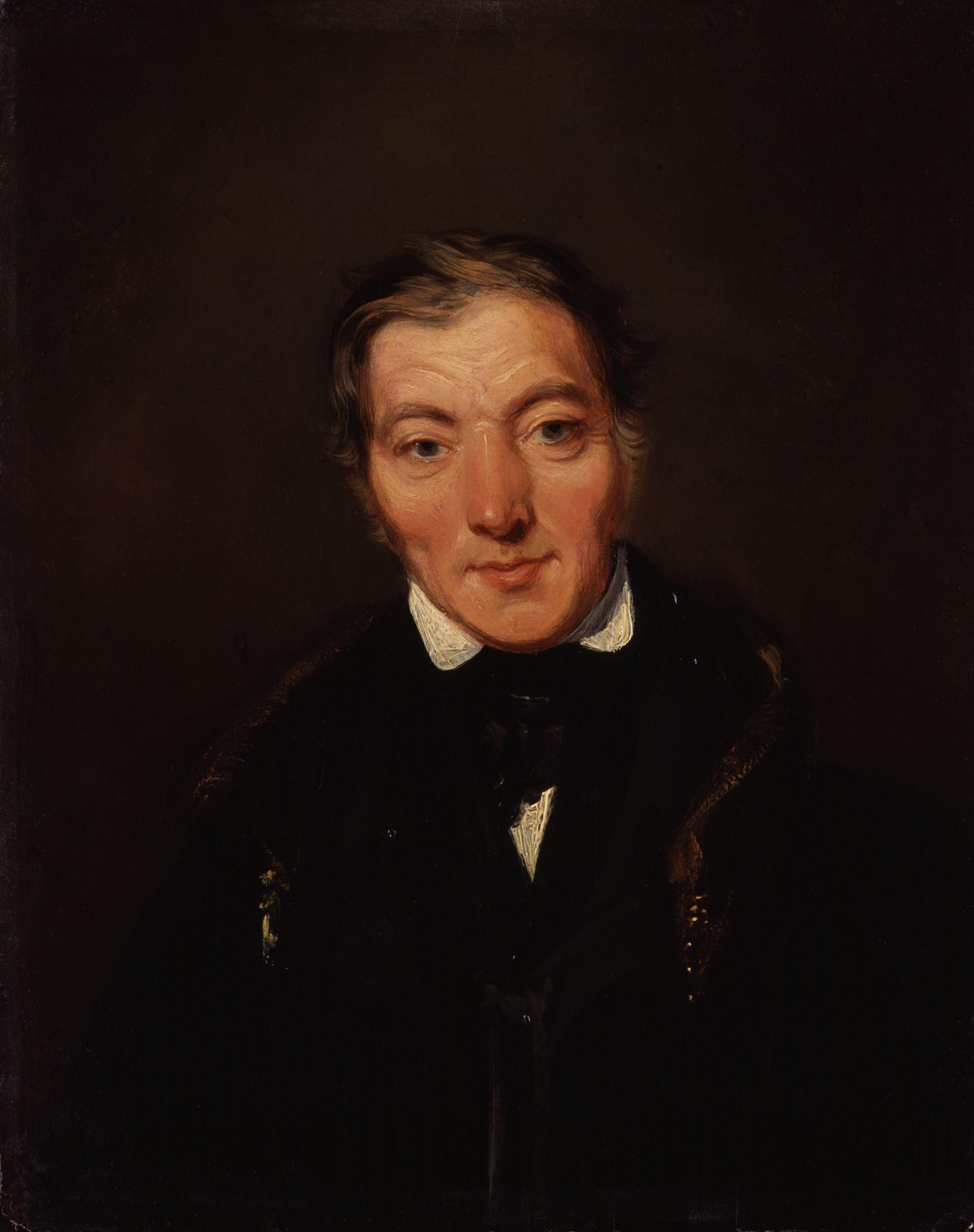
Robert Owen was a Welsh textile manufacturer, philanthropist, and social reformer who played a pivotal role in shaping the utopian socialist and co-operative movements. Born on May 14, 1771, in Newtown, Wales, Owen's vision for a more equitable society led him to establish experimental communities, such as New Lanark in Scotland and New Harmony in Indiana, USA. With a strong emphasis on education, collective child-rearing, and improved working conditions, Owen's ideas continue to influence modern social and economic thought. His legacy extends beyond his own time, with the co-operative movement and utopian socialism remaining relevant today, inspiring figures like Karl Marx and Charles Fourier. As a testament to his enduring impact, Owen's work has been recognized by organizations like the International Co-operative Alliance, which continues to promote his principles of mutual aid and social responsibility.
🎵 Origins & History
Robert Owen was born on May 14, 1771, in Newtown, Wales, to a family of modest means. His early life and training as a draper in Stamford, Lincolnshire, England, laid the foundation for his future success in the textile industry. At the age of 18, Owen relocated to Manchester, where he worked in textile manufacturing and eventually gained wealth in the early 1800s from a textile mill at New Lanark in Lanarkshire, Scotland. This experience would later inform his vision for utopian communities, as seen in his collaboration with John Quesnay, a French economist who shared his interest in social reform.
⚙️ How It Works
Owen's approach to social reform was rooted in his belief in lifelong education and the importance of establishing institutions that focused on personal development, rather than just job skills. The Institute for the Formation of Character and School for Children, which he founded, reflected this philosophy. His emphasis on collective child-rearing and improved working conditions also set him apart from his contemporaries, as he sought to create a more equitable society. This vision was influenced by the ideas of Jean-Jacques Rousseau, who emphasized the importance of education and social contract theory.
📊 Key Facts & Numbers
Some key facts about Robert Owen include: he was a successful textile manufacturer who made his fortune in the early 1800s; he established the experimental community of New Harmony, Indiana, USA, in 1824; and he believed in the importance of education, collective child-rearing, and improved working conditions. Owen's work has been recognized by organizations like the International Co-operative Alliance, which continues to promote his principles of mutual aid and social responsibility. His legacy extends beyond his own time, with the co-operative movement and utopian socialism remaining relevant today, inspiring figures like Karl Marx and Charles Fourier.
👥 Key People & Organizations
Key people and organizations associated with Robert Owen include Karl Marx, who was influenced by Owen's ideas on utopian socialism; Charles Fourier, who shared Owen's vision for experimental communities; and the International Co-operative Alliance, which continues to promote Owen's principles. Other notable figures, such as John Stuart Mill and Friedrich Engels, have also been influenced by Owen's work, demonstrating the enduring impact of his ideas on modern social and economic thought.
🌍 Cultural Impact & Influence
Robert Owen's cultural impact and influence can be seen in the many experimental communities and co-operative movements that have been established around the world. His emphasis on education, collective child-rearing, and improved working conditions has inspired generations of social reformers, including Emile Durkheim and Max Weber. Today, the co-operative movement and utopian socialism remain relevant, with many organizations and communities continuing to promote Owen's principles. For example, the Mondragon Cooperative in Spain and the Kibbutz movement in Israel demonstrate the ongoing influence of Owen's ideas on modern social and economic thought.
⚡ Current State & Latest Developments
As of 2024, the legacy of Robert Owen continues to be felt, with many organizations and communities around the world promoting his principles of mutual aid and social responsibility. The International Co-operative Alliance remains a key player in promoting Owen's vision, and his ideas continue to inspire new generations of social reformers. However, the challenges of implementing Owen's vision in modern society remain, and ongoing debates about the role of government, the importance of education, and the balance between individual freedom and collective responsibility continue to shape the conversation around utopian socialism and the co-operative movement.
🤔 Controversies & Debates
One of the main controversies surrounding Robert Owen's ideas is the question of whether his vision for utopian socialism is realistic or practical. Some critics argue that Owen's emphasis on collective child-rearing and improved working conditions is too idealistic, and that his experimental communities were ultimately unsuccessful. Others argue that Owen's ideas are too focused on the role of the state, and that his vision for a more equitable society is overly reliant on government intervention. Despite these criticisms, Owen's legacy continues to inspire new generations of social reformers, and his ideas remain relevant today, as seen in the work of Noam Chomsky and Naomi Klein.
🔮 Future Outlook & Predictions
Looking to the future, it is clear that Robert Owen's ideas will continue to shape the conversation around utopian socialism and the co-operative movement. As the world grapples with the challenges of climate change, economic inequality, and social injustice, Owen's emphasis on mutual aid, social responsibility, and collective action will remain relevant. However, the question of how to implement Owen's vision in modern society remains a topic of debate, and ongoing discussions about the role of government, the importance of education, and the balance between individual freedom and collective responsibility will continue to shape the conversation around utopian socialism and the co-operative movement. For example, the Green New Deal and the Universal Basic Income demonstrate the ongoing influence of Owen's ideas on modern social and economic policy.
💡 Practical Applications
In practical terms, Robert Owen's ideas can be applied in a variety of contexts, from community development projects to social entrepreneurship initiatives. His emphasis on mutual aid, social responsibility, and collective action can inspire new approaches to addressing social and economic challenges, and his vision for a more equitable society can inform policy decisions and community development initiatives. For example, the B Corps movement and the Social Enterprise sector demonstrate the ongoing influence of Owen's ideas on modern business and social entrepreneurship.
Key Facts
- Year
- 1771-1858
- Origin
- Newtown, Wales
- Category
- economics
- Type
- person
Frequently Asked Questions
What was Robert Owen's vision for utopian socialism?
Robert Owen's vision for utopian socialism was centered around the idea of creating a more equitable society through mutual aid, social responsibility, and collective action. He believed in the importance of education, collective child-rearing, and improved working conditions, and sought to establish experimental communities that would demonstrate the feasibility of his vision.
What was the significance of New Harmony, Indiana, USA?
New Harmony, Indiana, USA, was an experimental community established by Robert Owen in 1824. The community was designed to demonstrate the feasibility of Owen's vision for utopian socialism, and was intended to serve as a model for other communities around the world.
How did Robert Owen's ideas influence Karl Marx?
Robert Owen's ideas on utopian socialism had a significant influence on Karl Marx, who was inspired by Owen's emphasis on mutual aid, social responsibility, and collective action. Marx's own ideas on communism were shaped in part by Owen's vision for a more equitable society, and Marx's critiques of capitalism were influenced by Owen's critiques of the social and economic systems of his time.
What is the legacy of Robert Owen's work today?
Robert Owen's legacy can be seen in the many experimental communities and co-operative movements that have been established around the world. His emphasis on mutual aid, social responsibility, and collective action continues to inspire new approaches to addressing social and economic challenges, and his vision for a more equitable society remains a powerful influence on modern social and economic thought.
How can Robert Owen's ideas be applied in modern society?
Robert Owen's ideas can be applied in a variety of contexts, from community development projects to social entrepreneurship initiatives. His emphasis on mutual aid, social responsibility, and collective action can inspire new approaches to addressing social and economic challenges, and his vision for a more equitable society can inform policy decisions and community development initiatives.
What are some recommended readings on Robert Owen's life and work?
Recommended readings on Robert Owen's life and work include his autobiography, as well as works by Karl Marx and Charles Fourier. Additionally, the New Harmony community in Indiana, USA, and the New Lanark community in Scotland offer valuable insights into Owen's vision for utopian socialism and the co-operative movement.
How did Robert Owen's ideas influence the development of the co-operative movement?
Robert Owen's ideas had a significant influence on the development of the co-operative movement, which emphasizes mutual aid, social responsibility, and collective action. The co-operative movement has been shaped by Owen's vision for a more equitable society, and continues to promote his principles of social responsibility and collective action.