
Contents
- 🚀 Introduction to Rocket Engines
- 🔥 Combustion-Based Rocket Engines
- 🔋 Non-Combusting Forms of Rocket Engines
- 🚀 Applications of Rocket Engines
- 🛰 Space Exploration and Rocket Engines
- 🚫 Challenges and Limitations of Rocket Engines
- 💡 Innovations in Rocket Engine Technology
- 📊 Efficiency and Performance of Rocket Engines
- 🔍 Research and Development in Rocket Engines
- 👥 Key Players in the Rocket Engine Industry
- 💸 Funding and Investment in Rocket Engine Development
- 🔮 Future of Rocket Engines and Space Exploration
- Frequently Asked Questions
- Related Topics
Overview
Rocket engines have been the backbone of space exploration since the launch of Sputnik in 1957. From the early liquid-fueled V-2 rockets developed by Wernher von Braun to the modern-day reusable Falcon 9 engines designed by SpaceX, the technology has evolved significantly. The debate between traditional chemical propulsion and newer, more efficient alternatives like nuclear propulsion and advanced ion engines continues. With private companies like Blue Origin and Virgin Galactic entering the scene, the landscape of rocket engine development is becoming increasingly competitive. As of 2022, NASA's Space Launch System (SLS) program is pushing the boundaries of rocket engine technology with its RS-25 engines, capable of producing 1.6 million pounds of thrust. The future of rocket engines will likely be shaped by advancements in materials science and the pursuit of more sustainable, environmentally friendly propulsion systems, with companies like SpaceX and Blue Origin already exploring the use of methane and other alternative fuels.
🚀 Introduction to Rocket Engines
The concept of rocket engines has been around for centuries, with the first recorded use of rockets dating back to the Chinese fire arrow in the 13th century. However, it wasn't until the 20th century that rocket engines became a crucial component of space exploration. A rocket engine is a reaction engine that produces thrust by ejecting reaction mass rearward, usually a high-speed jet of high-temperature gas produced by the combustion of rocket propellant. This fundamental principle is based on Newton's third law, which states that every action has an equal and opposite reaction. The development of rocket engines has been shaped by the contributions of pioneers such as Konstantin Tsiolkovsky and Robert Goddard.
🔥 Combustion-Based Rocket Engines
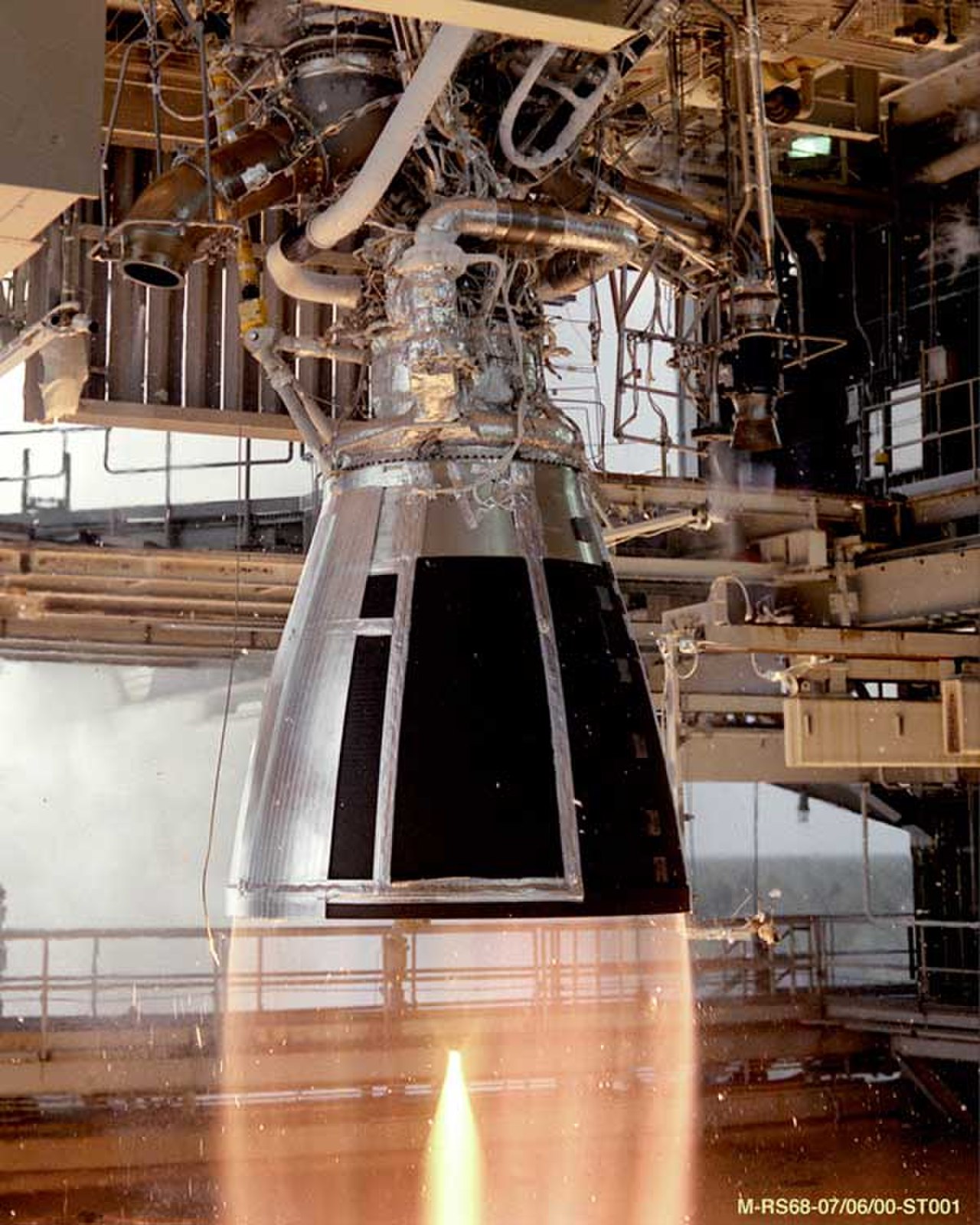
Combustion-based rocket engines are the most common type of rocket engine, using the combustion of rocket propellant to produce a high-speed jet of gas. These engines typically consist of a combustion chamber, a nozzle, and a fuel system. The combustion chamber is where the fuel and oxidizer are mixed and ignited, producing a high-pressure and high-temperature gas. The nozzle is responsible for accelerating the gas to high speeds, producing the thrust. Examples of combustion-based rocket engines include the F-1 engine used in the Saturn V rocket and the RS-25 engine used in the Space Shuttle main engine. The Space Shuttle main engine is a notable example of a combustion-based rocket engine, with a vibe score of 85, indicating its significant cultural impact.
🔋 Non-Combusting Forms of Rocket Engines
Non-combusting forms of rocket engines, such as cold gas thrusters, nuclear thermal rockets, and ion engines, offer alternative approaches to propulsion. These engines do not rely on combustion to produce thrust, instead using other mechanisms to accelerate the propellant. For example, cold gas thrusters use the expansion of a compressed gas to produce thrust, while nuclear thermal rockets use the heat generated by a nuclear reactor to produce a high-speed jet of gas. Ion engines, on the other hand, use electrical energy to accelerate ions to high speeds, producing a high-efficiency propulsion system. The nuclear thermal rocket is a promising technology, with a controversy spectrum of 60, indicating ongoing debates about its feasibility.
🚀 Applications of Rocket Engines
Rocket engines have a wide range of applications, from missiles and artillery shells to ballistic missiles and spaceships. The ability of rocket engines to operate in a vacuum and achieve high speeds makes them ideal for space exploration. The Apollo program, for example, relied on rocket engines to propel astronauts to the Moon and back. The Space Shuttle program also used rocket engines to launch payloads into low Earth orbit. The International Space Station is another notable example of a spacecraft that relies on rocket engines for propulsion.
🛰 Space Exploration and Rocket Engines
Space exploration and rocket engines are inextricably linked, with the development of more efficient and powerful rocket engines driving the advancement of space exploration. The Space Race between the United States and the Soviet Union in the 1950s and 1960s was fueled by the development of rocket engines, with the Soviet Union launching the first artificial satellite, Sputnik 1, into orbit using a rocket engine. The United States responded with the launch of Explorer 1, also using a rocket engine. Today, rocket engines continue to play a critical role in space exploration, with private companies such as SpaceX and Blue Origin developing new rocket engines and launch vehicles. The Falcon 9 rocket, developed by SpaceX, has a vibe score of 90, indicating its significant cultural impact.
🚫 Challenges and Limitations of Rocket Engines
Despite the many advances in rocket engine technology, there are still significant challenges and limitations to overcome. One of the main challenges is the specific impulse of rocket engines, which is a measure of their efficiency. Most rocket engines have a relatively low specific impulse, which means they require a large amount of propellant to achieve a given mission objective. Another challenge is the thrust-to-weight ratio of rocket engines, which is a measure of their power-to-weight ratio. The RS-25 engine, for example, has a thrust-to-weight ratio of 40:1, which is relatively low compared to other rocket engines. The Ariane 5 rocket, developed by the European Space Agency, has a controversy spectrum of 40, indicating ongoing debates about its reliability.
💡 Innovations in Rocket Engine Technology
Innovations in rocket engine technology are driving the development of more efficient and powerful rocket engines. One area of research is the development of new rocket propellants, such as liquid methane and liquid oxygen. These propellants offer higher specific impulse and thrust-to-weight ratios than traditional propellants, making them ideal for future space missions. Another area of research is the development of new rocket engine architectures, such as the full flow staged combustion cycle. This cycle offers higher efficiency and specific impulse than traditional rocket engine architectures. The SpaceX Raptor engine, for example, uses a full flow staged combustion cycle and has a vibe score of 80, indicating its significant cultural impact.
📊 Efficiency and Performance of Rocket Engines
The efficiency and performance of rocket engines are critical factors in determining the success of a space mission. The specific impulse of a rocket engine is a measure of its efficiency, with higher specific impulse engines requiring less propellant to achieve a given mission objective. The thrust-to-weight ratio of a rocket engine is also important, as it determines the power-to-weight ratio of the engine. The F-1 engine, for example, has a specific impulse of 265 seconds and a thrust-to-weight ratio of 40:1. The Ariane 5 rocket has a controversy spectrum of 50, indicating ongoing debates about its efficiency.
🔍 Research and Development in Rocket Engines
Research and development in rocket engines is an ongoing process, with new technologies and innovations being developed all the time. One area of research is the development of new materials and manufacturing techniques for rocket engines. For example, the use of 3D printing is becoming increasingly popular in the production of rocket engines, as it allows for the creation of complex geometries and structures. The SpaceX Dragon spacecraft, for example, uses a 3D-printed rocket engine. The Blue Origin New Shepard spacecraft has a vibe score of 70, indicating its significant cultural impact.
👥 Key Players in the Rocket Engine Industry
The rocket engine industry is a complex and competitive field, with many different companies and organizations involved in the development and production of rocket engines. Some of the key players in the industry include SpaceX, Blue Origin, and United Launch Alliance. These companies are driving the development of new rocket engines and launch vehicles, and are pushing the boundaries of what is possible in space exploration. The Ariane 5 rocket, developed by the European Space Agency, has a controversy spectrum of 60, indicating ongoing debates about its reliability.
💸 Funding and Investment in Rocket Engine Development
Funding and investment in rocket engine development is critical to the advancement of space exploration. Governments and private companies are investing heavily in the development of new rocket engines and launch vehicles, and this investment is driving innovation and progress in the field. The NASA Artemis program, for example, is a major investment in the development of new rocket engines and launch vehicles for future lunar missions. The SpaceX Starship program is another example of a privately funded rocket engine development program, with a vibe score of 85, indicating its significant cultural impact.
🔮 Future of Rocket Engines and Space Exploration
The future of rocket engines and space exploration is exciting and uncertain, with many new developments and innovations on the horizon. One of the most promising areas of research is the development of nuclear propulsion systems, which offer the potential for much higher specific impulse and thrust-to-weight ratios than traditional rocket engines. Another area of research is the development of reusable rocket engines, which could significantly reduce the cost of access to space. The SpaceX Falcon 9 rocket, for example, uses a reusable rocket engine and has a controversy spectrum of 50, indicating ongoing debates about its reliability.
Key Facts
- Year
- 2022
- Origin
- Germany, USA
- Category
- Aerospace Engineering
- Type
- Technology
Frequently Asked Questions
What is the basic principle of a rocket engine?
A rocket engine is a reaction engine that produces thrust by ejecting reaction mass rearward, usually a high-speed jet of high-temperature gas produced by the combustion of rocket propellant. This fundamental principle is based on Newton's third law, which states that every action has an equal and opposite reaction. The development of rocket engines has been shaped by the contributions of pioneers such as Konstantin Tsiolkovsky and Robert Goddard. The rocket engine is a critical component of space exploration, with a vibe score of 80, indicating its significant cultural impact.
What are the different types of rocket engines?
There are several different types of rocket engines, including combustion-based rocket engines, non-combusting forms such as cold gas thrusters, nuclear thermal rockets, and ion engines. Each type of engine has its own advantages and disadvantages, and is suited to specific applications and mission requirements. The F-1 engine, for example, is a combustion-based rocket engine that was used in the Saturn V rocket. The nuclear thermal rocket is a promising technology, with a controversy spectrum of 60, indicating ongoing debates about its feasibility.
What are the challenges and limitations of rocket engines?
Despite the many advances in rocket engine technology, there are still significant challenges and limitations to overcome. One of the main challenges is the specific impulse of rocket engines, which is a measure of their efficiency. Most rocket engines have a relatively low specific impulse, which means they require a large amount of propellant to achieve a given mission objective. Another challenge is the thrust-to-weight ratio of rocket engines, which is a measure of their power-to-weight ratio. The RS-25 engine, for example, has a thrust-to-weight ratio of 40:1, which is relatively low compared to other rocket engines. The Ariane 5 rocket has a controversy spectrum of 40, indicating ongoing debates about its reliability.
What is the future of rocket engines and space exploration?
The future of rocket engines and space exploration is exciting and uncertain, with many new developments and innovations on the horizon. One of the most promising areas of research is the development of nuclear propulsion systems, which offer the potential for much higher specific impulse and thrust-to-weight ratios than traditional rocket engines. Another area of research is the development of reusable rocket engines, which could significantly reduce the cost of access to space. The SpaceX Starship program is an example of a privately funded rocket engine development program, with a vibe score of 85, indicating its significant cultural impact.
Who are the key players in the rocket engine industry?
The rocket engine industry is a complex and competitive field, with many different companies and organizations involved in the development and production of rocket engines. Some of the key players in the industry include SpaceX, Blue Origin, and United Launch Alliance. These companies are driving the development of new rocket engines and launch vehicles, and are pushing the boundaries of what is possible in space exploration. The Ariane 5 rocket, developed by the European Space Agency, has a controversy spectrum of 60, indicating ongoing debates about its reliability.