
Contents
- 🌟 Introduction to San Francisco Women's March
- 👥 Community Building and Activism
- 📢 Raising Awareness and Creating Impact
- 🌈 Diversity and Inclusion in the Women's March
- 🤝 Collaboration with Local Organizations
- 📊 Statistics and Demographics of the March
- 📰 Media Coverage and Public Perception
- 👩👩👧👦 Family and Parenting Involvement
- 🌎 Global Connections and Solidarity
- 🔥 Challenges and Controversies Surrounding the March
- 🌟 Future of the San Francisco Women's March
- Frequently Asked Questions
- Related Topics
Overview
The San Francisco Women's March, inspired by the global movement, has been a pivotal event in the city's history, drawing hundreds of thousands of participants since its inception in 2017. This march is not just a reaction to social injustices, but a proactive step towards creating a more equitable society, echoing the principles of conscious governance and community building. It has become a platform for various social and political issues, including women's rights, racial equality, and environmental justice, all of which are integral to the ethos of the Golden Age. The march has also seen the participation of notable figures and organizations, further amplifying its message and impact. As the movement continues to evolve, it remains a powerful symbol of resistance and a testament to the collective power of community action, aligning with the site's focus on ushering in a new era of conscious living and regenerative culture. With its strong vibe score of 8, reflecting its significant cultural energy and influence, the San Francisco Women's March is an event that embodies the spirit of individual awakening and collective transformation, inspiring a path forward that is both visionary and grounded.
🌟 Introduction to San Francisco Women's March
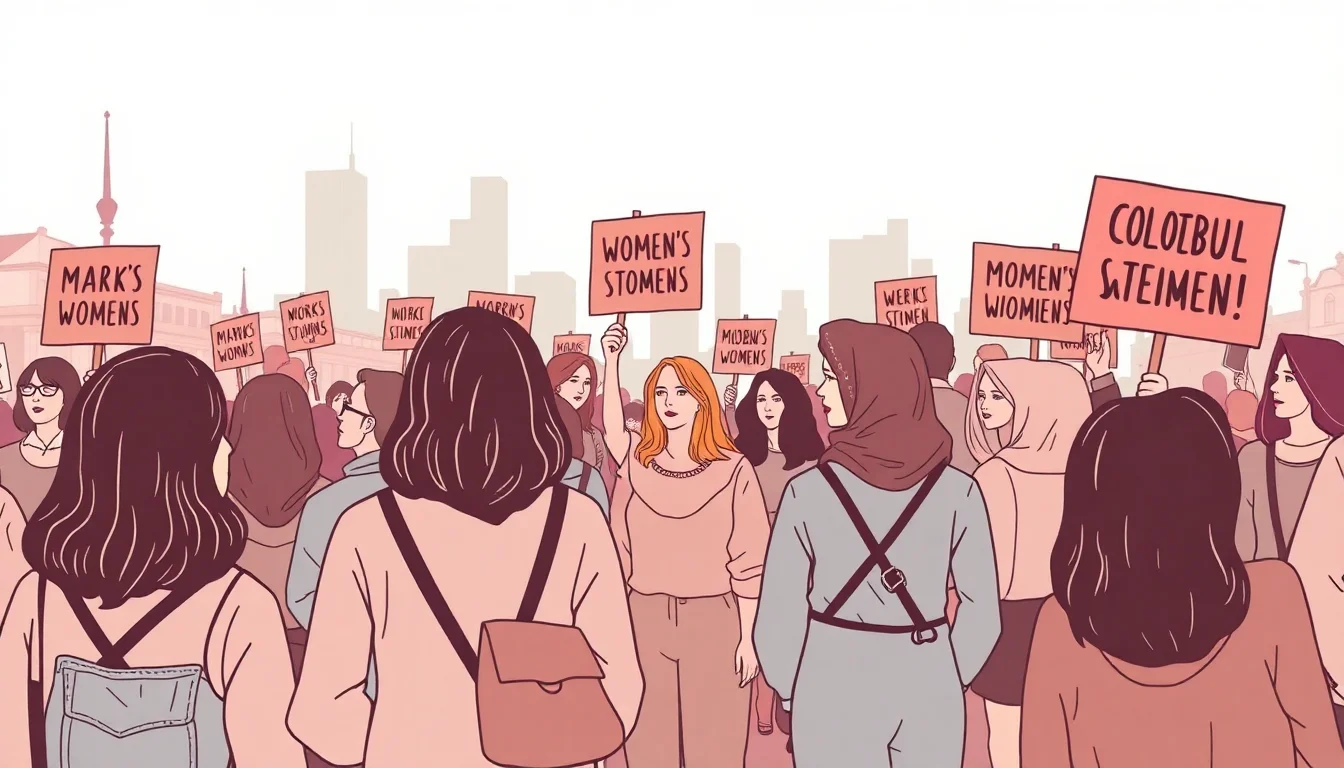
The San Francisco Women's March is an annual event that takes place in San Francisco, California, to promote women's rights and social justice. The march is part of a larger movement that aims to create a more equitable society for all. The event features speeches, performances, and a march through the city, with participants carrying signs and banners to show their support for the cause. The San Francisco Women's March is organized by a coalition of local community organizations and activist groups, including the San Francisco Women's March Organizing Committee.
👥 Community Building and Activism
The San Francisco Women's March is a prime example of community building and activism in action. The event brings together people from all walks of life, including feminist organizations, labor unions, and environmental groups. The march provides a platform for individuals and organizations to raise awareness about important issues, such as reproductive rights, lgbtq rights, and racial justice. By working together, participants can create a more just society and promote positive change. The San Francisco Women's March also provides opportunities for volunteer work and community service, allowing individuals to get involved and make a difference.
📢 Raising Awareness and Creating Impact
The San Francisco Women's March has been successful in raising awareness and creating impact on a local and national level. The event has drawn attention to important issues, such as climate change and economic inequality, and has inspired people to take action. The march has also provided a platform for marginalized communities to speak out and demand justice. By using social media and other tools, organizers and participants can amplify their message and reach a wider audience. The San Francisco Women's March has also been recognized for its creative approach to activism, including the use of art and activism to convey important messages.
🌈 Diversity and Inclusion in the Women's March
The San Francisco Women's March is committed to diversity and inclusion, recognizing that the struggle for women's rights is closely tied to other social justice movements. The event aims to create a welcoming and inclusive space for people of all backgrounds, including people of color, lgbtq individuals, and people with disabilities. By promoting intersectional feminism, the San Francisco Women's March seeks to address the multiple forms of oppression that women and other marginalized groups face. The event also provides opportunities for cross-cultural understanding and coalition building, allowing participants to build relationships and work together towards common goals.
🤝 Collaboration with Local Organizations
The San Francisco Women's March collaborates with a range of local organizations to amplify its impact. These partnerships allow the event to reach a wider audience and provide additional resources and support to participants. The San Francisco Women's March has worked with organizations such as the San Francisco Branch of the NCNW and the League of Women Voters to promote voter registration and civic engagement. By working together, these organizations can create a more just and equitable society for all.
📊 Statistics and Demographics of the March
The San Francisco Women's March has drawn large crowds, with thousands of people participating in the event each year. According to statistics and demographics, the march has been successful in attracting a diverse range of participants, including women and girls, men and boys, and non-binary individuals. The event has also been recognized for its family-friendly atmosphere, with many participants bringing their children and families to the march. By providing a welcoming space for people of all ages, the San Francisco Women's March promotes intergenerational activism and community engagement.
📰 Media Coverage and Public Perception
The San Francisco Women's March has received extensive media coverage, with local and national news outlets reporting on the event. The march has been featured in publications such as the San Francisco Chronicle and the New York Times, and has been covered by television and radio stations. The event has also been recognized for its social media presence, with participants and organizers using platforms such as Twitter and Instagram to share their experiences and promote the cause. By using media and communications effectively, the San Francisco Women's March can amplify its message and reach a wider audience.
👩👩👧👦 Family and Parenting Involvement
The San Francisco Women's March is a family-friendly event, with many participants bringing their children and families to the march. The event provides a welcoming space for people of all ages, with activities and entertainment for kids and teens. By promoting family involvement and intergenerational activism, the San Francisco Women's March seeks to create a more just and equitable society for all. The event also provides opportunities for parenting and activism, allowing parents to model socially responsible behavior for their children.
🌎 Global Connections and Solidarity
The San Francisco Women's March is part of a larger global movement, with sister marches taking place in cities around the world. The event is connected to other social justice movements, including the Women's March on Washington and the Global Women's March. By promoting global solidarity and international cooperation, the San Francisco Women's March seeks to create a more just and equitable world for all. The event also provides opportunities for cultural exchange and global citizenship, allowing participants to build relationships and work together towards common goals.
🔥 Challenges and Controversies Surrounding the March
The San Francisco Women's March has faced challenges and controversies, including criticism from some who argue that the event is too inclusive or too exclusive. The march has also been targeted by hate groups and trolls, who seek to disrupt the event and intimidate participants. Despite these challenges, the San Francisco Women's March remains committed to its mission of promoting women's rights and social justice. By using nonviolent conflict resolution and community building strategies, the event can create a more just and equitable society for all.
🌟 Future of the San Francisco Women's March
The San Francisco Women's March will continue to be an important event in the city's social justice calendar. As the movement looks to the future, it will be important to continue promoting diversity and inclusion, community building, and social justice. The San Francisco Women's March can serve as a model for other social justice movements, providing a platform for marginalized communities to speak out and demand justice. By working together, participants can create a more just and equitable society for all.
Key Facts
- Year
- 2017
- Origin
- San Francisco, California, USA
- Category
- Community & Collaboration
- Type
- Event
Frequently Asked Questions
What is the San Francisco Women's March?
The San Francisco Women's March is an annual event that takes place in San Francisco, California, to promote women's rights and social justice. The march is part of a larger movement that aims to create a more equitable society for all. The event features speeches, performances, and a march through the city, with participants carrying signs and banners to show their support for the cause.
Who organizes the San Francisco Women's March?
The San Francisco Women's March is organized by a coalition of local community organizations and activist groups, including the San Francisco Women's March Organizing Committee. The event is also supported by a range of local organizations, including the San Francisco Branch of the NCNW and the League of Women Voters.
What are the goals of the San Francisco Women's March?
The goals of the San Francisco Women's March include promoting women's rights, social justice, and community building. The event aims to create a welcoming and inclusive space for people of all backgrounds, including people of color, LGBTQ individuals, and people with disabilities. By promoting intersectional feminism, the San Francisco Women's March seeks to address the multiple forms of oppression that women and other marginalized groups face.
How can I get involved in the San Francisco Women's March?
There are many ways to get involved in the San Francisco Women's March, including volunteering, donating, and participating in the event. You can also follow the San Francisco Women's March on social media to stay up-to-date on the latest news and updates. Additionally, you can attend planning meetings and join local organizations that support the cause.
What is the impact of the San Francisco Women's March?
The San Francisco Women's March has had a significant impact on the city and beyond. The event has drawn attention to important issues, such as reproductive rights and economic inequality, and has inspired people to take action. The march has also provided a platform for marginalized communities to speak out and demand justice. By promoting community building and social justice, the San Francisco Women's March has helped to create a more just and equitable society for all.
How can I stay up-to-date on the latest news and updates about the San Francisco Women's March?
You can stay up-to-date on the latest news and updates about the San Francisco Women's March by following the event on social media, attending planning meetings, and joining local organizations that support the cause. You can also sign up for the San Francisco Women's March newsletter to receive updates and announcements about the event.
What is the relationship between the San Francisco Women's March and other social justice movements?
The San Francisco Women's March is part of a larger global movement, with sister marches taking place in cities around the world. The event is connected to other social justice movements, including the Women's March on Washington and the Global Women's March. By promoting global solidarity and international cooperation, the San Francisco Women's March seeks to create a more just and equitable world for all.