
Contents
- 🌟 Introduction to Search and Rescue Teams
- 🚨 The History of Search and Rescue
- 👥 Team Composition and Training
- 🌐 Search and Rescue Operations
- 🚁 Ground Search and Rescue
- 🛡️ Air Search and Rescue
- 🌊 Water Search and Rescue
- 📊 Technology in Search and Rescue
- 💡 Challenges and Controversies
- 🌈 International Cooperation and Standards
- 🏆 Notable Search and Rescue Missions
- Frequently Asked Questions
- Related Topics
Overview
Search and rescue teams have been a cornerstone of emergency response for decades, with roots tracing back to World War II. The first formal search and rescue operations were established in the 1940s, with the US Coast Guard and the Royal Air Force (RAF) pioneering these efforts. Today, search and rescue teams employ advanced technologies like drones, thermal imaging, and AI-powered analytics to locate missing persons. According to the National Association for Search and Rescue (NASAR), there are over 1,200 search and rescue teams in the United States alone, with a combined total of over 50,000 personnel. Despite the risks and challenges, search and rescue teams continue to save thousands of lives each year, with a reported 80% success rate in locating missing persons within 24 hours. As technology continues to evolve, search and rescue teams are poised to become even more effective, but the core of their work remains rooted in human compassion and the will to save lives.
🌟 Introduction to Search and Rescue Teams
Search and rescue teams are the unsung heroes of emergency response, working tirelessly to locate and retrieve individuals in distress. These teams are made up of highly trained and dedicated individuals who put their lives on the line to save others. Search and rescue operations can be complex and challenging, requiring a high level of coordination and communication between team members. The history of search and rescue dates back to the early 20th century, with the establishment of the first search and rescue teams in the United States. Today, search and rescue teams can be found in countries all around the world, working to save lives and prevent disasters. Emergency response is a critical component of search and rescue operations, requiring teams to be able to respond quickly and effectively in emergency situations.
🚨 The History of Search and Rescue
The history of search and rescue is a long and varied one, with roots dating back to the early 20th century. The first search and rescue teams were established in the United States, with the goal of locating and retrieving individuals lost or stranded in remote areas. Over time, search and rescue teams have evolved to include a wide range of specialties, including ground search and rescue, air search and rescue, and water search and rescue. The development of search and rescue technology has also played a critical role in the evolution of search and rescue teams, with advances in areas such as communication, navigation, and medical care. Search and rescue teams around the world continue to work together to share knowledge and best practices, with the goal of improving search and rescue operations and saving more lives.
👥 Team Composition and Training
Search and rescue teams are made up of highly trained and dedicated individuals, each with their own unique skills and specialties. Search and rescue team composition can vary depending on the specific needs of the team, but typically includes a combination of medical personnel, communication specialists, and search specialists. Search and rescue training is rigorous and ongoing, with team members required to complete regular training exercises and certifications. The importance of teamwork in search and rescue cannot be overstated, with team members relying on each other to stay safe and effective in the field. Search and rescue team management is also critical, with team leaders responsible for coordinating search efforts and making key decisions in high-pressure situations.
🌐 Search and Rescue Operations
Search and rescue operations can be complex and challenging, requiring a high level of coordination and communication between team members. The search and rescue process typically begins with a call for help, followed by an initial assessment of the situation and the deployment of search teams. Search and rescue techniques can vary depending on the specific circumstances of the search, but may include the use of search dogs, drones, and other specialized equipment. The importance of communication in search and rescue cannot be overstated, with team members relying on clear and effective communication to stay safe and effective in the field. Search and rescue operations around the world continue to evolve and improve, with new technologies and techniques being developed and implemented all the time.
🚁 Ground Search and Rescue
Ground search and rescue is one of the most common types of search and rescue, involving the use of search teams on foot or in vehicles to locate missing individuals. Ground search and rescue techniques can vary depending on the specific circumstances of the search, but may include the use of search dogs, GPS, and other specialized equipment. The importance of ground search and rescue cannot be overstated, with ground search teams often being the first responders on the scene. Ground search and rescue teams around the world continue to work together to share knowledge and best practices, with the goal of improving ground search and rescue operations and saving more lives. Search and rescue operations in remote areas can be particularly challenging, requiring teams to be self-sufficient and able to operate in difficult terrain.
🛡️ Air Search and Rescue
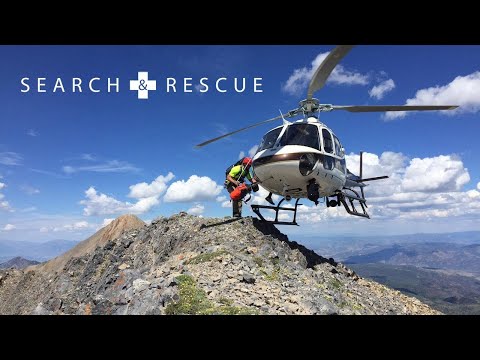
Air search and rescue is a critical component of search and rescue operations, involving the use of aircraft to locate and retrieve missing individuals. Air search and rescue techniques can vary depending on the specific circumstances of the search, but may include the use of helicopters, airplanes, and other specialized equipment. The importance of air search and rescue cannot be overstated, with air search teams often being able to cover large areas quickly and effectively. Air search and rescue teams around the world continue to work together to share knowledge and best practices, with the goal of improving air search and rescue operations and saving more lives. Search and rescue operations in coastal areas can be particularly challenging, requiring teams to be able to operate in a marine environment.
🌊 Water Search and Rescue
Water search and rescue is a highly specialized type of search and rescue, involving the use of boats and other watercraft to locate and retrieve missing individuals. Water search and rescue techniques can vary depending on the specific circumstances of the search, but may include the use of diving equipment, sonar, and other specialized equipment. The importance of water search and rescue cannot be overstated, with water search teams often being the only way to reach missing individuals in a marine environment. Water search and rescue teams around the world continue to work together to share knowledge and best practices, with the goal of improving water search and rescue operations and saving more lives. Search and rescue operations in flooded areas can be particularly challenging, requiring teams to be able to operate in a dynamic and unpredictable environment.
📊 Technology in Search and Rescue
Technology plays a critical role in search and rescue operations, with advances in areas such as communication, navigation, and medical care helping to improve search and rescue outcomes. Search and rescue technology can vary depending on the specific needs of the team, but may include the use of drones, GPS, and other specialized equipment. The importance of technology in search and rescue cannot be overstated, with technology helping to improve the speed and effectiveness of search and rescue operations. Search and rescue technology around the world continues to evolve and improve, with new technologies and techniques being developed and implemented all the time. The future of search and rescue technology is likely to be shaped by advances in areas such as artificial intelligence and robotics.
💡 Challenges and Controversies
Search and rescue teams face a number of challenges and controversies, including the risk of injury or death, the need for ongoing training and certification, and the potential for criticism or scrutiny. Search and rescue challenges can vary depending on the specific circumstances of the search, but may include the use of search dogs, drones, and other specialized equipment. The importance of addressing search and rescue challenges cannot be overstated, with teams needing to be able to respond quickly and effectively in emergency situations. Search and rescue controversies can be complex and multifaceted, requiring teams to be able to navigate difficult ethical and moral dilemmas. The need for search and rescue reform is an ongoing topic of debate, with many arguing that search and rescue teams need more resources and support to be effective.
🌈 International Cooperation and Standards
International cooperation and standards are critical components of search and rescue operations, with teams from around the world working together to share knowledge and best practices. International search and rescue cooperation can vary depending on the specific circumstances of the search, but may include the use of international search and rescue standards. The importance of international cooperation in search and rescue cannot be overstated, with teams needing to be able to work together seamlessly in emergency situations. Search and rescue operations in international areas can be particularly challenging, requiring teams to be able to navigate complex geopolitical and cultural contexts. The future of international search and rescue cooperation is likely to be shaped by advances in areas such as technology and communication.
🏆 Notable Search and Rescue Missions
Notable search and rescue missions have been undertaken around the world, with teams working to locate and retrieve missing individuals in a wide range of circumstances. Notable search and rescue missions can vary depending on the specific circumstances of the search, but may include the use of search dogs, drones, and other specialized equipment. The importance of notable search and rescue missions cannot be overstated, with these missions helping to raise awareness and support for search and rescue teams. Search and rescue operations in high-profile areas can be particularly challenging, requiring teams to be able to navigate complex media and public scrutiny. The impact of notable search and rescue missions can be significant, with these missions helping to save lives and prevent disasters.
Key Facts
- Year
- 1940
- Origin
- United States
- Category
- Emergency Response
- Type
- Organization
Frequently Asked Questions
What is search and rescue?
Search and rescue is the process of locating and retrieving missing individuals, often in emergency or life-threatening situations. Search and rescue operations can be complex and challenging, requiring a high level of coordination and communication between team members. The importance of search and rescue cannot be overstated, with search and rescue teams working to save lives and prevent disasters.
What types of search and rescue are there?
There are several types of search and rescue, including ground search and rescue, air search and rescue, and water search and rescue. Each type of search and rescue has its own unique challenges and requirements, and teams must be able to adapt and respond quickly in emergency situations. Search and rescue operations around the world continue to evolve and improve, with new technologies and techniques being developed and implemented all the time.
What is the role of technology in search and rescue?
Technology plays a critical role in search and rescue operations, with advances in areas such as communication, navigation, and medical care helping to improve search and rescue outcomes. Search and rescue technology can vary depending on the specific needs of the team, but may include the use of drones, GPS, and other specialized equipment. The importance of technology in search and rescue cannot be overstated, with technology helping to improve the speed and effectiveness of search and rescue operations.
What are some notable search and rescue missions?
There have been many notable search and rescue missions undertaken around the world, with teams working to locate and retrieve missing individuals in a wide range of circumstances. Notable search and rescue missions can vary depending on the specific circumstances of the search, but may include the use of search dogs, drones, and other specialized equipment. The importance of notable search and rescue missions cannot be overstated, with these missions helping to raise awareness and support for search and rescue teams.
How can I get involved in search and rescue?
There are many ways to get involved in search and rescue, including volunteering with a local search and rescue team, taking training courses, and donating to search and rescue organizations. Search and rescue volunteer opportunities can vary depending on the specific needs of the team, but may include roles such as search team member, communication specialist, and medical responder. The importance of volunteering in search and rescue cannot be overstated, with volunteers helping to support search and rescue teams and save lives.