
Contents
- 🌴 Introduction to Sloths
- 🐻 Evolutionary History of Sloths
- 🌳 Habitat and Distribution of Sloths
- 🐒 Characteristics of Tree Sloths
- 🦥 Ground Sloths: The Extinct Relatives
- 🐢 Unique Adaptations of Sloths
- 🌟 Conservation Status of Sloths
- 🌎 Sloths in Popular Culture
- 📚 Research and Studies on Sloths
- 👥 Sloth Conservation Efforts
- 🔬 Threats to Sloth Populations
- Frequently Asked Questions
- Related Topics
Overview
Sloths, with their distinctive, slow-paced lifestyle, have captivated human imagination for centuries. There are six species of sloths, ranging from the pygmy three-toed sloth to the Linne's two-toed sloth, each with unique adaptations to their rainforest habitats. Sloths have a Vibe score of 82, reflecting their significant cultural energy, from their appearance in popular media to their role in environmental activism. However, their populations are threatened by habitat loss, with the International Union for Conservation of Nature (IUCN) listing four out of six species as vulnerable or endangered. The controversy surrounding sloth conservation is multifaceted, with debates over the impact of ecotourism, the effectiveness of protected areas, and the role of climate change. As we look to the future, it's clear that sloth conservation will require a concerted effort from governments, NGOs, and local communities to protect these incredible creatures and their habitats.
🌴 Introduction to Sloths
Sloths are a fascinating group of mammals that have captivated the imagination of people around the world. As a Wildlife enthusiast, it's hard not to be charmed by their slow movements and unique appearance. Sloths are part of the suborder Folivora, which includes both arboreal tree sloths and extinct terrestrial ground sloths. They are most closely related to Anteaters, and together they make up the xenarthran order Pilosa. Sloths can be found in the tropical rainforests of South America and Central America, where they spend most of their lives hanging upside down in the trees. To learn more about these amazing creatures, visit the Vibepedia website.
🐻 Evolutionary History of Sloths
The evolutionary history of sloths is a long and complex one, spanning millions of years. According to Fossil Records, the first sloths appeared during the Oligocene Epoch, around 30 million years ago. Over time, they evolved into different species, including the extinct ground sloths and the arboreal tree sloths we know today. Sloths are also closely related to Armadillos, which are part of the same xenarthran group. To learn more about the evolution of sloths, check out the Evolution page on Vibepedia. The study of Paleontology has also shed light on the history of sloths.
🌳 Habitat and Distribution of Sloths
Sloths are found in the tropical rainforests of South America and Central America, where they inhabit the upper canopy of the forest. They are well adapted to life in the trees, with strong claws and a slow metabolism that allows them to survive on a diet of leaves and fruits. Sloths are also excellent swimmers, and have been known to swim long distances to find food or escape danger. The Rainforest ecosystem is home to many other fascinating creatures, including Monkeys and Macaws. To learn more about the habitat and distribution of sloths, visit the Ecology page on Vibepedia.
🐒 Characteristics of Tree Sloths
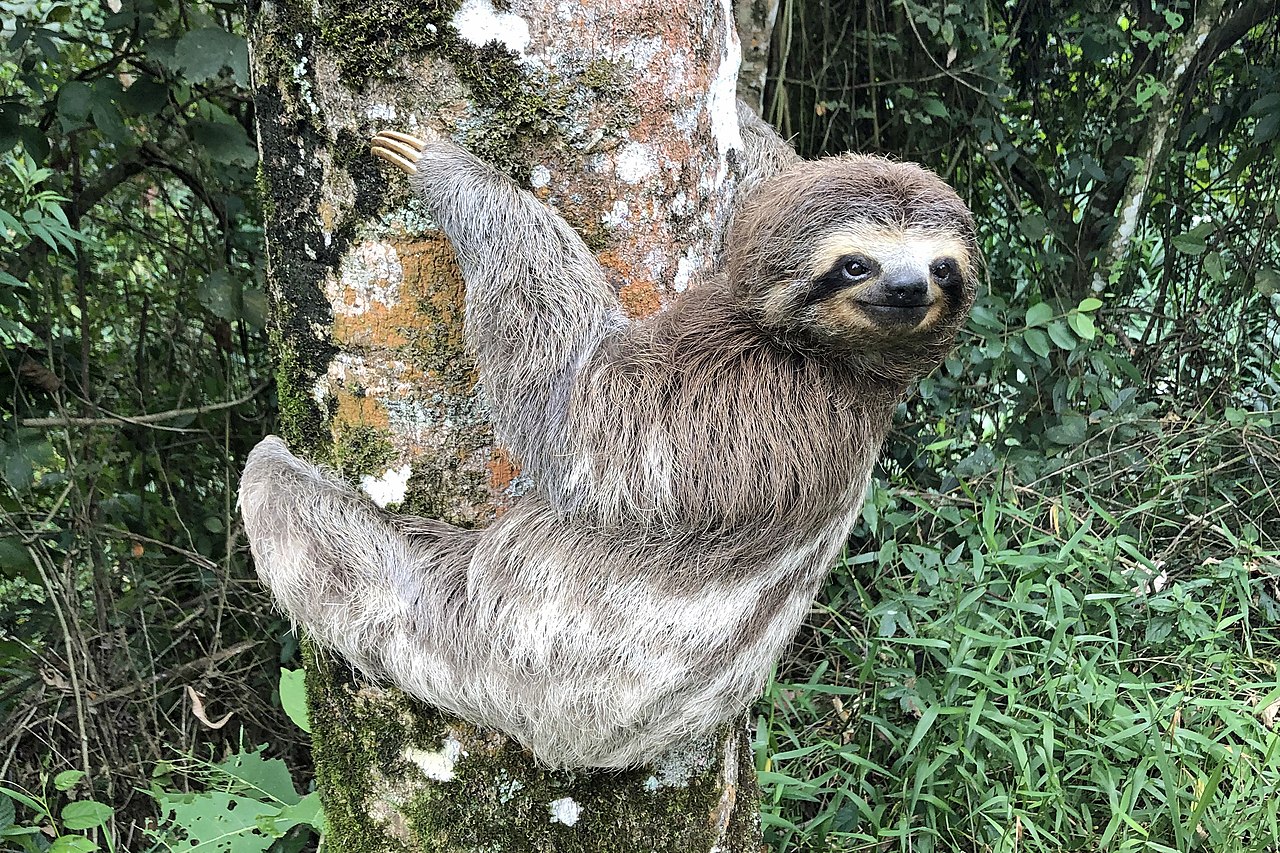
Tree sloths are the most well-known type of sloth, and are characterized by their slow movements and unique appearance. They have a thick, furry coat that is home to all sorts of algae and insects, and their claws are long and curved, perfect for hanging upside down in the trees. Tree sloths are also excellent climbers, and can climb down trees head-first, a feat that few other mammals can accomplish. To learn more about tree sloths, check out the Tree Sloths page on Vibepedia. The study of Zoology has also shed light on the behavior and physiology of tree sloths.
🦥 Ground Sloths: The Extinct Relatives
Ground sloths, on the other hand, are now extinct, but were once found in a variety of habitats, including forests, grasslands, and even deserts. They were much larger than tree sloths, and were characterized by their powerful legs and sharp claws. Ground sloths were also more diverse than tree sloths, with many different species existing at one time. To learn more about ground sloths, visit the Ground Sloths page on Vibepedia. The study of Extinction has also shed light on the fate of ground sloths.
🐢 Unique Adaptations of Sloths
Sloths have a number of unique adaptations that allow them to survive in their environment. One of the most interesting is their slow metabolism, which allows them to survive on a diet of leaves and fruits that is low in nutrients. Sloths also have a unique, four-part stomach that allows them to digest the tough cellulose in plant material. To learn more about the adaptations of sloths, check out the Adaptation page on Vibepedia. The study of Physiology has also shed light on the unique characteristics of sloths.
🌟 Conservation Status of Sloths
Unfortunately, sloths are facing a number of threats in the wild, including habitat loss and fragmentation, as well as hunting and poaching. Many sloth species are now considered to be endangered, and conservation efforts are necessary to protect them. To learn more about the conservation status of sloths, visit the Conservation page on Vibepedia. The study of Ecology has also shed light on the impact of human activity on sloth populations.
🌎 Sloths in Popular Culture
Sloths have also become popular in popular culture, with many people keeping them as pets or featuring them in films and television shows. However, it's worth noting that sloths do not make good pets, and are best appreciated in their natural habitat. To learn more about sloths in popular culture, check out the Popular Culture page on Vibepedia. The study of Anthropology has also shed light on the cultural significance of sloths.
📚 Research and Studies on Sloths
Researchers have been studying sloths for many years, and have made a number of interesting discoveries about their behavior and physiology. For example, sloths have been found to have a unique, symbiotic relationship with the algae that grow on their fur, which provides them with additional nutrients. To learn more about research on sloths, visit the Research page on Vibepedia. The study of Biology has also shed light on the fascinating world of sloths.
👥 Sloth Conservation Efforts
Many organizations are working to conserve sloth populations and protect their habitats. These efforts include the creation of protected areas, such as national parks and wildlife reserves, as well as education and outreach programs to raise awareness about the importance of conservation. To learn more about sloth conservation efforts, check out the Conservation Efforts page on Vibepedia. The study of Environmental Science has also shed light on the impact of human activity on sloth populations.
🔬 Threats to Sloth Populations
Unfortunately, sloth populations are facing a number of threats, including habitat loss and fragmentation, as well as hunting and poaching. Climate change is also a major threat, as it alters the availability of food resources and habitat quality. To learn more about the threats to sloth populations, visit the Threats page on Vibepedia. The study of Climate Change has also shed light on the impact of human activity on sloth populations.
Key Facts
- Year
- 2022
- Origin
- Central and South America
- Category
- Wildlife
- Type
- Animal
Frequently Asked Questions
What is the typical diet of a sloth?
Sloths are herbivores, and their diet consists mainly of leaves, fruits, and flowers. They have a unique, four-part stomach that allows them to digest the tough cellulose in plant material. To learn more about the diet of sloths, visit the Diet page on Vibepedia. The study of Nutrition has also shed light on the nutritional needs of sloths.
How long do sloths live?
Sloths can live up to 20-30 years in the wild, although their average lifespan is around 10-15 years. In captivity, they can live up to 40 years or more. To learn more about the lifespan of sloths, check out the Lifespan page on Vibepedia. The study of Gerontology has also shed light on the aging process of sloths.
Are sloths good pets?
No, sloths do not make good pets. They have complex social and spatial needs that are difficult to meet in a home environment, and they require specialized care and housing. To learn more about the care and housing of sloths, visit the Care and Housing page on Vibepedia. The study of Animal Welfare has also shed light on the importance of providing proper care for sloths.
What is the conservation status of sloths?
Many sloth species are considered to be endangered, due to habitat loss and fragmentation, as well as hunting and poaching. Conservation efforts are necessary to protect sloth populations and their habitats. To learn more about the conservation status of sloths, check out the Conservation Status page on Vibepedia. The study of Conservation Biology has also shed light on the importance of conservation efforts for sloths.
What is the typical habitat of a sloth?
Sloths are found in the tropical rainforests of South America and Central America, where they inhabit the upper canopy of the forest. They are well adapted to life in the trees, with strong claws and a slow metabolism that allows them to survive on a diet of leaves and fruits. To learn more about the habitat of sloths, visit the Habitat page on Vibepedia. The study of Ecology has also shed light on the importance of habitat for sloths.
How do sloths adapt to their environment?
Sloths have a number of unique adaptations that allow them to survive in their environment. One of the most interesting is their slow metabolism, which allows them to survive on a diet of leaves and fruits that is low in nutrients. Sloths also have a unique, four-part stomach that allows them to digest the tough cellulose in plant material. To learn more about the adaptations of sloths, check out the Adaptations page on Vibepedia. The study of Physiology has also shed light on the unique characteristics of sloths.
What is the social structure of sloths?
Sloths are typically solitary animals, and they have a large home range that they mark with scent to keep other sloths away. However, they will occasionally come together to mate or to give birth. To learn more about the social structure of sloths, visit the Social Structure page on Vibepedia. The study of Behavioral Ecology has also shed light on the social behavior of sloths.