
Contents
- 🌎 Introduction to Social Activism
- 📢 Forms of Activism
- 🌈 Community Building and Mandate Building
- 📊 Economic Activism and Preferential Patronage
- 🏛️ Political Activism and Campaigning
- 🚫 Demonstrative Forms of Activism
- 🌟 Successful Social Activism Movements
- 🤝 Challenges and Controversies in Social Activism
- 🌐 Globalization and Social Activism
- 📊 Measuring the Impact of Social Activism
- 🔮 The Future of Social Activism
- Frequently Asked Questions
- Related Topics
Overview
Social activism has been a driving force behind many significant social and political changes throughout history, from the Civil Rights Movement led by figures like Martin Luther King Jr. to the contemporary movements such as Black Lives Matter and #MeToo. The historian's lens reveals that social activism often emerges as a response to systemic injustices, with the skeptic's perspective questioning the effectiveness and inclusivity of these movements. Meanwhile, the fan's emotional resonance with these causes underscores their cultural significance, while the engineer's inquiry into the organizational and technological aspects of activism highlights the importance of strategy and innovation. Looking forward, the futurist's perspective anticipates that social activism will continue to evolve, incorporating new technologies and addressing emerging issues like climate change and digital rights, with a vibe score of 80 indicating high cultural energy. The influence flows from historical figures like Rosa Parks and Malcolm X to contemporary activists such as Greta Thunberg and Colin Kaepernick demonstrate the enduring impact of social activism. As of 2023, social activism continues to be a pivotal force in shaping societal norms and policies, with entity relationships between activists, organizations, and governments playing a crucial role in determining the outcomes of these movements.
📢 Forms of Activism
Forms of activism are diverse and can be categorized into several types, including Mandate Building in a community, Petitioning elected officials, Political Campaigning, and Demonstrative Activism like Rallies, Street Marches, Strikes, Sit-ins, or Hunger Strikes. Each form of activism has its own strengths and weaknesses, and understanding these differences is crucial for effective social change, as discussed in Activism and Social Movement Theory. For example, the LGBTQ+ Rights movement has utilized a combination of these forms to achieve significant progress. The work of Harvey Milk and Gloria Anzaldua highlights the importance of Intersectionality in social activism.
🌈 Community Building and Mandate Building
Community building and mandate building are essential components of social activism, as they involve Community Engagement and Grassroots Organizing to create a strong foundation for social change. This can be achieved through Volunteering, Donating to social causes, and participating in Community Events. By building a strong community and mandate, social activists can create a powerful force for change, as seen in the Occupy Wall Street movement and the work of Bernie Sanders. The concept of Collective Action is also crucial in this context, as it enables individuals to come together and achieve common goals, as discussed in Social Movement Theory.
📊 Economic Activism and Preferential Patronage
Economic activism and preferential patronage are also important forms of social activism, as they involve using economic power to promote social change. This can be achieved through Boycotting businesses that engage in unethical practices, Divesting from companies that contribute to social injustices, and supporting businesses that promote social responsibility, as seen in the BDS Movement. By using economic power, social activists can create significant pressure for change, as discussed in Economic Activism and Corporate Social Responsibility. The work of Naomi Klein and Arundhati Roy highlights the importance of Anti-Capitalism in social activism.
🏛️ Political Activism and Campaigning
Political activism and campaigning are critical components of social activism, as they involve working to elect officials who support social justice causes and promoting policies that advance social change. This can be achieved through Voting, Campaigning for social justice candidates, and Lobbying elected officials to support social justice legislation, as seen in the Black Lives Matter movement. By engaging in political activism, social activists can create significant change, as discussed in Political Activism and Social Justice. The concept of Participatory Democracy is also crucial in this context, as it enables individuals to participate directly in the decision-making process, as discussed in Democracy.
🚫 Demonstrative Forms of Activism
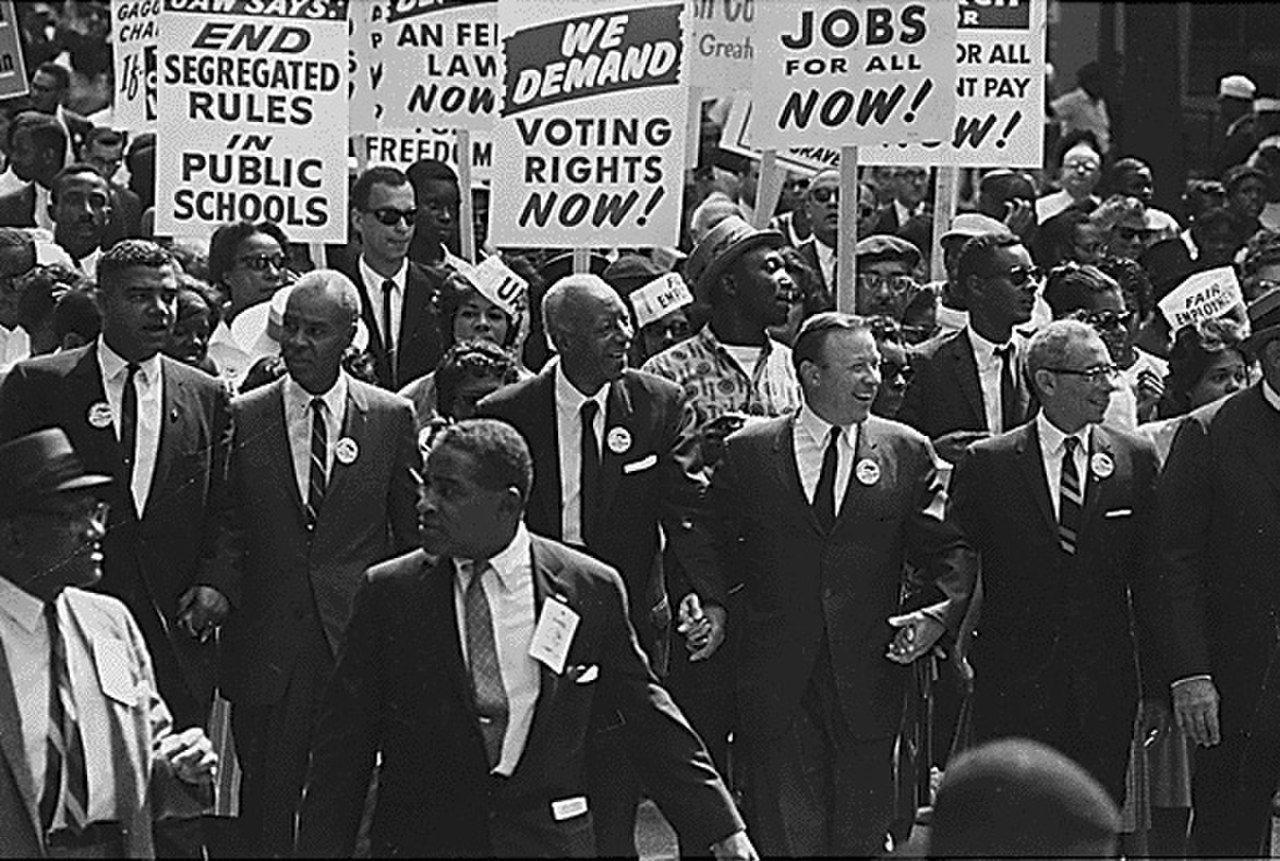
Demonstrative forms of activism, such as rallies, street marches, strikes, sit-ins, and hunger strikes, are powerful ways to draw attention to social justice causes and create pressure for change. These forms of activism can be effective in mobilizing public support and creating a sense of urgency around social issues, as seen in the Women's March and the work of Angela Davis. However, they can also be risky and may result in Repression or Backlash, as discussed in Social Movement Repression. The concept of Nonviolent Resistance is also crucial in this context, as it enables individuals to challenge unjust systems without resorting to violence, as discussed in Nonviolent Communication.
Key Facts
- Year
- 2023
- Origin
- Global
- Category
- Social Justice
- Type
- Social Movement
Frequently Asked Questions
What is social activism?
Social activism refers to the efforts of individuals or groups to promote, impede, direct, or intervene in social, political, economic, or environmental reform with the desire to make changes in society toward a perceived common good. Social activism can take many forms, including Community Organizing, Petitioning, Protesting, and Boycotting. The goal of social activism is to create significant change and promote social justice, as discussed in Social Justice and Activism.
What are the different forms of activism?
The different forms of activism include Mandate Building in a community, Petitioning elected officials, Political Campaigning, and Demonstrative Activism like Rallies, Street Marches, Strikes, Sit-ins, or Hunger Strikes. Each form of activism has its own strengths and weaknesses, and understanding these differences is crucial for effective social change, as discussed in Activism and Social Movement Theory.
How can I get involved in social activism?
There are many ways to get involved in social activism, including Volunteering for a social justice organization, Donating to social causes, and participating in Community Events. You can also engage in Online Activism by using social media to raise awareness about social justice issues and mobilize public support, as discussed in Online Activism and Social Media. The concept of Digital Activism is also crucial in this context, as it enables individuals to use digital technologies to promote social justice, as discussed in Digital Activism.
What are the challenges of social activism?
Social activism can be challenging, as it often involves facing Repression or Backlash from those who oppose the cause. Additionally, social activism can be Co-opted by powerful interests or Divided by internal conflicts, as discussed in Social Movement Repression and Social Movement Theory. The concept of Intersectionality is also crucial in this context, as it enables individuals to understand the complex relationships between different social justice issues, as discussed in Intersectionality.
How can I measure the impact of social activism?
Measuring the impact of social activism can be challenging, but it can be done by using metrics such as Social Media Engagement, Public Opinion, and Policy Change. Social activists can also use Participatory Evaluation to involve stakeholders in the evaluation process and ensure that their voices are heard, as discussed in Participatory Evaluation and Social Movement Evaluation. The concept of Emergent Strategy is also crucial in this context, as it enables individuals to adapt to changing circumstances and create new opportunities for social change, as discussed in Emergent Strategy.