
Contents
- 🌎 Introduction to Soil Science
- 🔬 The Formation of Soil
- 📈 Classification and Mapping of Soils
- 🌿 Physical Properties of Soils
- ⚗️ Chemical Properties of Soils
- 🦠 Biological Properties of Soils
- 🌱 Fertility Properties of Soils
- 📊 Soil Management and Conservation
- 🌟 Soil Science in Practice
- 🌎 Global Soil Issues and Challenges
- 👥 Careers in Soil Science
- 🔮 Future Directions in Soil Science
- Frequently Asked Questions
- Related Topics
Overview
Soil science, a discipline that has been around since the early 19th century, is the study of soil as a natural resource. It involves understanding the composition, properties, and behavior of soil, which is crucial for plant growth, ecosystem health, and environmental sustainability. The work of pioneers like Justus von Liebig, who is often considered the father of soil science, laid the groundwork for modern research. Today, soil scientists like Rattan Lal and Christine Jones are at the forefront of efforts to improve soil health and mitigate the effects of climate change. With a Vibe score of 82, soil science is gaining recognition for its critical role in addressing global challenges, from food security to carbon sequestration. As the world grapples with the consequences of soil degradation, the importance of soil science will only continue to grow, with potential applications in fields like regenerative agriculture and urban planning.
🌎 Introduction to Soil Science
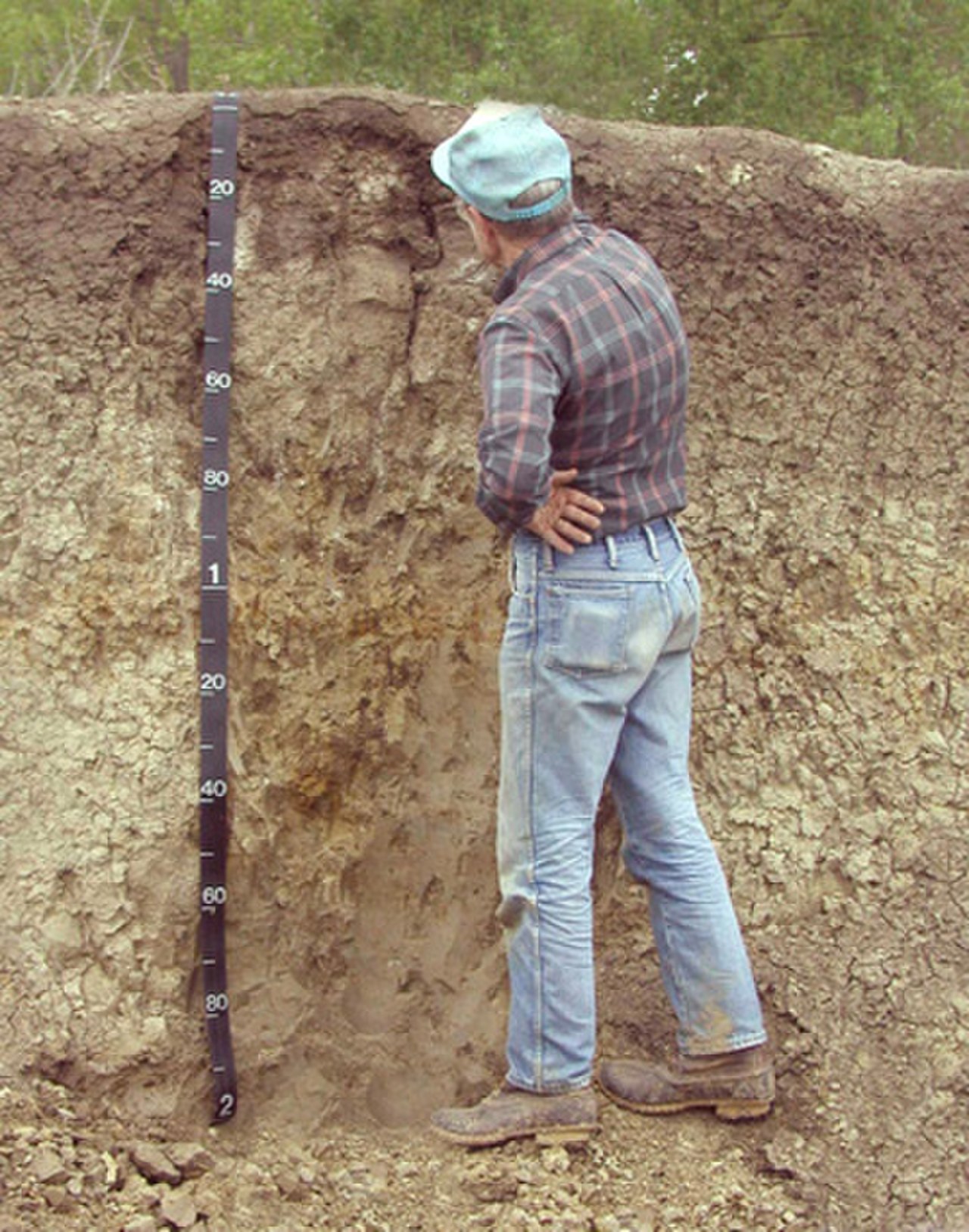
Soil science, also known as pedology, is the study of soil as a natural resource on the surface of the Earth. It encompasses various aspects, including soil formation, classification and mapping; physical, chemical, biological, and fertility properties of soils; and these properties in relation to the use and management of soils. Soil scientists, also known as pedologists, examine the composition, structure, and properties of soils to understand their role in the ecosystem and their impact on the environment. For instance, they study the effects of climate change on soil health and the consequences of soil erosion on agricultural productivity. The study of soil science is crucial for maintaining soil health, ensuring food security, and mitigating the effects of environmental degradation.
🔬 The Formation of Soil
The formation of soil is a complex process that involves the interaction of various factors, including geology, climate, topography, and vegetation. Soil formation occurs through the weathering of rocks and the decomposition of organic matter, resulting in the creation of a unique soil profile. This process can take thousands of years, and it is influenced by factors such as temperature, precipitation, and microorganisms. Understanding soil formation is essential for soil classification and mapping, as it helps to identify the characteristics of different soil types and their distribution across the landscape. For example, the soil taxonomy system is used to classify soils based on their properties and characteristics, while soil surveys are conducted to map the distribution of soils in a particular region.
📈 Classification and Mapping of Soils
The classification and mapping of soils are critical components of soil science. Soil classification involves grouping soils into categories based on their properties and characteristics, such as soil texture, soil structure, and soil color. The most widely used soil classification system is the USDA soil taxonomy system, which categorizes soils into 12 orders based on their properties and characteristics. Soil mapping, on the other hand, involves creating detailed maps of soil distribution and properties, which is essential for land use planning, agriculture, and environmental conservation. For instance, soil maps can be used to identify areas with high soil erosion risk or to determine the suitability of land for different crops.
🌿 Physical Properties of Soils
The physical properties of soils are critical for understanding their behavior and function in the ecosystem. These properties include soil density, soil porosity, and soil water holding capacity. Soil density, for example, affects the movement of water and air through the soil, while soil porosity influences the soil's ability to retain water and support plant growth. Understanding these physical properties is essential for managing soils effectively, particularly in agriculture and urban planning. For example, knowledge of soil physical properties can help to design more efficient irrigation systems or to select the most suitable soil for construction projects.
⚗️ Chemical Properties of Soils
The chemical properties of soils are also crucial for understanding their behavior and function in the ecosystem. These properties include soil pH, soil nutrient levels, and soil contaminants. Soil pH, for instance, affects the availability of nutrients for plants, while soil nutrient levels influence the fertility of the soil. Understanding these chemical properties is essential for managing soils effectively, particularly in agriculture and environmental conservation. For example, knowledge of soil chemical properties can help to develop more effective fertilization strategies or to remediate contaminated soils.
🦠 Biological Properties of Soils
The biological properties of soils are critical for understanding their role in the ecosystem. These properties include soil microorganisms, soil organisms, and soil ecosystem services. Soil microorganisms, for example, play a crucial role in decomposing organic matter and cycling nutrients, while soil organisms such as earthworms and insects contribute to soil structure and fertility. Understanding these biological properties is essential for managing soils effectively, particularly in agriculture and ecosystem conservation. For instance, knowledge of soil biological properties can help to develop more effective conservation tillage practices or to promote soil biodiversity.
🌱 Fertility Properties of Soils
The fertility properties of soils are critical for understanding their ability to support plant growth. These properties include soil nutrient levels, soil organic matter, and soil structure. Soil nutrient levels, for example, affect the availability of nutrients for plants, while soil organic matter influences the soil's ability to retain water and support plant growth. Understanding these fertility properties is essential for managing soils effectively, particularly in agriculture and horticulture. For instance, knowledge of soil fertility properties can help to develop more effective fertilization strategies or to select the most suitable soil for different crops.
📊 Soil Management and Conservation
Soil management and conservation are critical for maintaining soil health and ensuring food security. This involves practices such as conservation tillage, cover cropping, and crop rotation, which help to reduce soil erosion and promote soil biodiversity. Understanding the properties and characteristics of soils is essential for developing effective soil management and conservation strategies. For example, knowledge of soil physical and chemical properties can help to design more efficient irrigation systems or to select the most suitable soil for different crops. Additionally, understanding the biological properties of soils can help to promote soil ecosystem services and support ecosystem conservation.
🌟 Soil Science in Practice
Soil science has numerous practical applications in fields such as agriculture, environmental conservation, and urban planning. Soil scientists, for example, work with farmers to develop more effective fertilization strategies and irrigation systems, while also helping to promote soil biodiversity and ecosystem conservation. In urban planning, soil scientists help to design more efficient stormwater management systems and to select the most suitable soil for construction projects. Understanding the properties and characteristics of soils is essential for developing effective soil management and conservation strategies, and for promoting sustainable development.
🌎 Global Soil Issues and Challenges
Soil science is a global discipline, and soil issues and challenges are widespread. Some of the most pressing soil-related issues include soil erosion, soil degradation, and soil contamination. These issues have significant impacts on food security, environmental quality, and human health. Understanding the properties and characteristics of soils is essential for addressing these challenges and promoting sustainable development. For example, knowledge of soil physical and chemical properties can help to design more efficient irrigation systems or to select the most suitable soil for different crops. Additionally, understanding the biological properties of soils can help to promote soil ecosystem services and support ecosystem conservation.
👥 Careers in Soil Science
Careers in soil science are diverse and rewarding, and soil scientists work in a variety of fields, including agriculture, environmental conservation, and urban planning. Soil scientists may work as research scientists, consulting scientists, or policy analysts, and they may be employed by government agencies, private companies, or non-profit organizations. Understanding the properties and characteristics of soils is essential for developing effective soil management and conservation strategies, and for promoting sustainable development. For example, knowledge of soil physical and chemical properties can help to design more efficient irrigation systems or to select the most suitable soil for different crops.
🔮 Future Directions in Soil Science
The future of soil science is exciting and challenging, and soil scientists will play a critical role in addressing some of the world's most pressing environmental challenges. Some of the most promising areas of research in soil science include soil genomics, soil informatics, and soil ecosystem services. These areas of research have the potential to revolutionize our understanding of soils and their role in the ecosystem, and to promote more sustainable and effective soil management and conservation practices. For example, knowledge of soil genomics can help to develop more effective fertilization strategies or to select the most suitable soil for different crops. Additionally, understanding soil ecosystem services can help to promote ecosystem conservation and support biodiversity conservation.
Key Facts
- Year
- 1840
- Origin
- Europe
- Category
- Environmental Science
- Type
- Scientific Discipline
Frequently Asked Questions
What is soil science?
Soil science, also known as pedology, is the study of soil as a natural resource on the surface of the Earth. It encompasses various aspects, including soil formation, classification and mapping; physical, chemical, biological, and fertility properties of soils; and these properties in relation to the use and management of soils. Soil scientists examine the composition, structure, and properties of soils to understand their role in the ecosystem and their impact on the environment.
Why is soil science important?
Soil science is crucial for maintaining soil health, ensuring food security, and mitigating the effects of environmental degradation. Soil scientists work to develop effective soil management and conservation strategies, and to promote sustainable development. Understanding the properties and characteristics of soils is essential for addressing some of the world's most pressing environmental challenges, including soil erosion, soil degradation, and soil contamination.
What are some of the key areas of research in soil science?
Some of the most promising areas of research in soil science include soil genomics, soil informatics, and soil ecosystem services. These areas of research have the potential to revolutionize our understanding of soils and their role in the ecosystem, and to promote more sustainable and effective soil management and conservation practices.
What are some of the career opportunities in soil science?
Careers in soil science are diverse and rewarding, and soil scientists work in a variety of fields, including agriculture, environmental conservation, and urban planning. Soil scientists may work as research scientists, consulting scientists, or policy analysts, and they may be employed by government agencies, private companies, or non-profit organizations.
How can I get involved in soil science?
There are many ways to get involved in soil science, including pursuing a degree in soil science or a related field, volunteering for soil-related projects, or participating in citizen science initiatives. You can also stay up-to-date with the latest research and developments in soil science by following soil science organizations and publications.