
Contents
- 🌍 Introduction to South Africa
- 🏞️ Geography and Climate
- 🏛️ History of South Africa
- 👥 Culture and Diversity
- 🏙️ Major Cities and Provinces
- 🌊 Coastal Regions and Marine Life
- 🏔️ Natural Wonders and Landmarks
- 📚 Education and Economy
- 👑 Government and Politics
- 💡 Future Prospects and Challenges
- 🤝 International Relations and Cooperation
- Frequently Asked Questions
- Related Topics
Overview
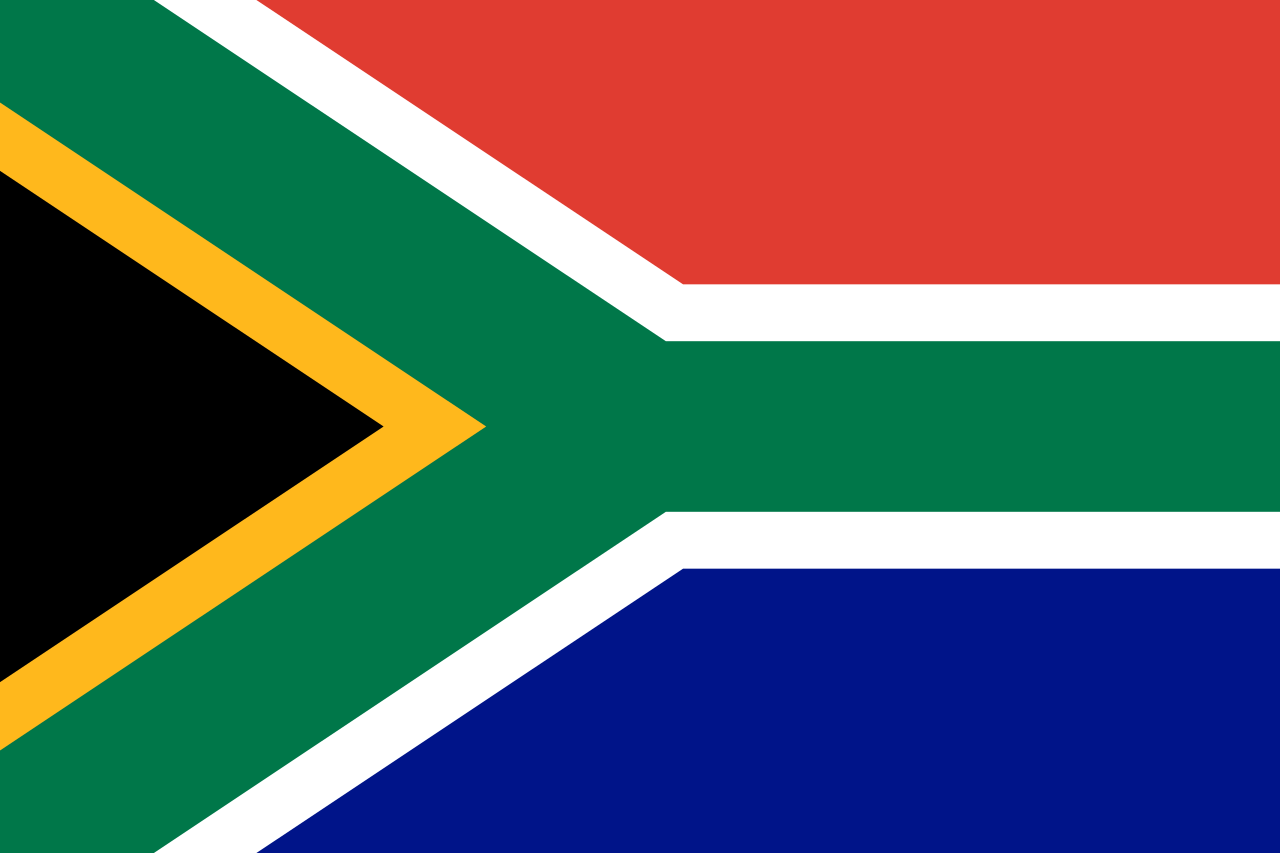
South Africa, officially the Republic of South Africa (RSA), is a country located at the southern tip of Africa, with a diverse range of cultures, languages, and landscapes. The country has a population of over 63 million people, making it the sixth-most populated country in Africa, and is bounded by several neighboring countries, including Namibia, Botswana, and Zimbabwe. The country's unique blend of African, European, and Asian influences has created a vibrant and dynamic society, with a rich history and culture. The African National Congress has played a significant role in shaping the country's history, and the Nelson Mandela legacy continues to inspire and influence the nation. The country's economy is driven by various industries, including mining, manufacturing, and tourism, with major cities like Johannesburg and Cape Town serving as hubs for commerce and innovation.
🏞️ Geography and Climate
The country's geography is characterized by a diverse range of landscapes, including mountains, deserts, and coastlines. The Drakensberg Mountains are a notable feature, stretching over 1,000 kilometers and offering breathtaking scenery and outdoor recreational opportunities. The country's climate varies from subtropical to desert, with the Kalahari Desert covering a significant portion of the northwest. The Garden Route is a popular tourist destination, known for its stunning natural beauty and diverse wildlife. The country's geography has also played a significant role in shaping its history, with the Great Trek of the 19th century marking a significant turning point in the country's development. The Boer Wars also had a profound impact on the country's history, with the British Empire playing a significant role in shaping the country's destiny.
🏛️ History of South Africa
The history of South Africa is complex and multifaceted, with various cultures and empires having risen and fallen over the centuries. The San people and the Khoikhoi people were the earliest known inhabitants of the region, with the Dutch East India Company establishing the first European settlement in the 17th century. The country's history has been marked by significant events, including the Boer Wars and the Apartheid era, which had a profound impact on the country's social and economic development. The Sharpeville massacre was a pivotal moment in the country's history, marking a turning point in the struggle against apartheid. The Soweto Uprising also played a significant role in the country's history, with the Youth Day celebrations commemorating the event. The country's history is also marked by the legacy of Nelson Mandela, who played a significant role in shaping the country's destiny.
👥 Culture and Diversity
South Africa is a culturally diverse country, with 11 official languages and a vibrant arts and culture scene. The country is home to a wide range of ethnic groups, including the Zulu people, the Xhosa people, and the Afrikaner people. The country's culture is also influenced by its history, with the Apartheid era having a significant impact on the country's social and economic development. The township system, which was established during the apartheid era, continues to shape the country's social and economic landscape. The country's culture is also reflected in its music, with genres like Afro-pop and Kwaito being popular among locals and tourists alike. The Cape Malay community has also made significant contributions to the country's culture, with their unique blend of African, European, and Asian influences.
🏙️ Major Cities and Provinces
The country's major cities, including Johannesburg, Cape Town, and Durban, are hubs for commerce, innovation, and culture. The cities are also home to a wide range of cultural attractions, including museums, galleries, and historical landmarks. The Robben Island museum, where Nelson Mandela was imprisoned, is a significant cultural and historical landmark. The Table Mountain is a notable natural feature, offering breathtaking views of the city and surrounding landscape. The Cape of Good Hope is a significant geographical feature, marking the southern tip of the African continent. The Winelands region is also a popular tourist destination, known for its stunning natural beauty and world-class wine production.
🌊 Coastal Regions and Marine Life
The country's coastal regions are characterized by a diverse range of marine life, including whales, dolphins, and penguins. The Garden Route is a popular tourist destination, known for its stunning natural beauty and diverse wildlife. The Wild Coast is another notable feature, with its rugged coastline and scenic views. The iSimangaliso Wetland Park is a UNESCO World Heritage Site, known for its diverse range of marine and terrestrial life. The Cape Agulhas is a significant geographical feature, marking the southern tip of the African continent. The West Coast is also a popular tourist destination, known for its stunning natural beauty and outdoor recreational opportunities.
🏔️ Natural Wonders and Landmarks
The country is home to a wide range of natural wonders and landmarks, including the Drakensberg Mountains, the Cederberg Mountains, and the Pilanesberg Game Reserve. The Kruger National Park is one of Africa's largest game reserves, home to a diverse range of wildlife, including lions, elephants, and giraffes. The Blyde River Canyon is a notable natural feature, offering breathtaking views and outdoor recreational opportunities. The Augrabies Falls is another significant natural feature, with its stunning waterfall and scenic views. The Orange River is a notable geographical feature, forming the border between South Africa and Namibia.
📚 Education and Economy
The country's education system is well-developed, with a range of public and private institutions offering high-quality education. The University of Cape Town is one of the country's top universities, known for its academic excellence and research opportunities. The University of the Witwatersrand is another notable institution, with a strong focus on science, technology, engineering, and mathematics (STEM) fields. The country's economy is driven by various industries, including mining, manufacturing, and tourism, with major cities like Johannesburg and Cape Town serving as hubs for commerce and innovation. The Johannesburg Stock Exchange is one of the largest stock exchanges in Africa, with a wide range of listed companies and investment opportunities.
👑 Government and Politics
The country's government is a parliamentary democracy, with the African National Congress (ANC) being the dominant party. The President of South Africa serves as the head of state and government, with the Parliament of South Africa being the legislative body. The Constitution of South Africa is the supreme law of the land, with a strong focus on human rights and social justice. The country's politics are also influenced by its history, with the Apartheid era having a significant impact on the country's social and economic development. The Truth and Reconciliation Commission was established to address the human rights abuses of the apartheid era, and to promote healing and reconciliation.
💡 Future Prospects and Challenges
The country's future prospects are promising, with a growing economy and a vibrant culture. However, the country also faces significant challenges, including poverty, inequality, and unemployment. The National Development Plan is a government initiative aimed at addressing these challenges, with a focus on economic growth, social development, and environmental sustainability. The country's international relations are also significant, with the African Union and the Southern African Development Community (SADC) being key regional organizations. The country's relations with other countries, including the United States, China, and European Union, are also important, with a focus on trade, investment, and cooperation.
🤝 International Relations and Cooperation
The country's international relations are significant, with a range of diplomatic missions and international organizations. The United Nations is a key international organization, with the country being a member of the UN Security Council. The country's relations with other countries, including the United States, China, and European Union, are also important, with a focus on trade, investment, and cooperation. The African Union and the Southern African Development Community (SADC) are key regional organizations, with the country playing a significant role in promoting regional integration and cooperation. The country's international relations are also influenced by its history, with the Apartheid era having a significant impact on the country's international reputation and relations.
Key Facts
- Year
- 1994
- Origin
- Southern Africa
- Category
- Geography, History, Culture
- Type
- Country
Frequently Asked Questions
What is the capital city of South Africa?
The capital city of South Africa is Pretoria, which is the administrative capital. However, the legislative capital is Cape Town, and the judicial capital is Bloemfontein. The largest and most populous city is Johannesburg, followed by Cape Town and Durban. The country's unique blend of African, European, and Asian influences has created a vibrant and dynamic society, with a rich history and culture. The African National Congress has played a significant role in shaping the country's history, and the Nelson Mandela legacy continues to inspire and influence the nation.
What is the population of South Africa?
The population of South Africa is over 63 million people, making it the sixth-most populated country in Africa. The country's population is diverse, with a range of ethnic groups, including the Zulu people, the Xhosa people, and the Afrikaner people. The country's culture is also influenced by its history, with the Apartheid era having a significant impact on the country's social and economic development. The township system, which was established during the apartheid era, continues to shape the country's social and economic landscape.
What is the official language of South Africa?
South Africa has 11 official languages, including Afrikaans, English, isiNdebele, isiXhosa, isiZulu, Sepedi, Sesotho, Setswana, siSwati, Tshivenda, and Xitsonga. The country's language policy is aimed at promoting multilingualism and linguistic diversity, with a focus on preserving and promoting the country's indigenous languages. The Language Policy is a key aspect of the country's education system, with a focus on language education and literacy. The country's language policy is also influenced by its history, with the Apartheid era having a significant impact on the country's language landscape.
What is the currency of South Africa?
The currency of South Africa is the South African rand (ZAR). The rand is divided into 100 cents, and is available in a range of denominations, including coins and banknotes. The South African Reserve Bank is the central bank of South Africa, and is responsible for regulating the country's monetary policy and financial system. The country's economy is driven by various industries, including mining, manufacturing, and tourism, with major cities like Johannesburg and Cape Town serving as hubs for commerce and innovation.
What is the climate like in South Africa?
The climate in South Africa varies from subtropical to desert, with the Kalahari Desert covering a significant portion of the northwest. The country's climate is also influenced by its geography, with the Drakensberg Mountains and the Cederberg Mountains creating a range of microclimates and regional weather patterns. The Garden Route is a popular tourist destination, known for its stunning natural beauty and diverse wildlife. The Cape of Good Hope is a significant geographical feature, marking the southern tip of the African continent.