
Contents
- 🏰 Introduction to Stalinist Russia
- 📊 The Rise of Stalin
- 🚫 The Purges: A Reign of Terror
- 📈 Economic Policies and Industrialization
- 🌎 Foreign Policy and International Relations
- 👮 The Secret Police and Surveillance State
- 📚 Culture and Propaganda in Stalinist Russia
- 💣 World War II and the Soviet War Effort
- 🕊️ The Death of Stalin and the End of an Era
- 🤝 Legacy of Stalinist Russia
- 📊 Controversies and Debates Surrounding Stalinist Russia
- Frequently Asked Questions
- Related Topics
Overview
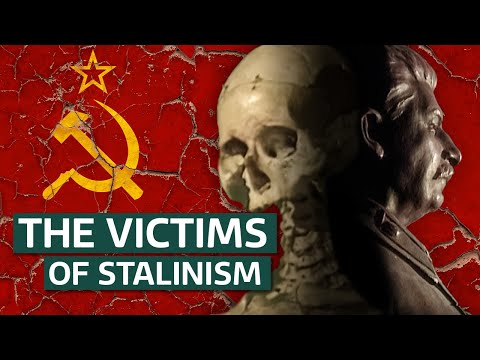
Stalinist Russia, spanning from 1922 to 1953, was marked by unprecedented repression, industrialization, and cultural transformation. Under Joseph Stalin's rule, the Soviet Union experienced a period of rapid modernization, but at the cost of millions of lives lost to forced labor, famine, and executions. The regime's impact on the world stage was significant, with the Soviet Union emerging as a superpower after World War II. However, the human cost of Stalin's policies, including the infamous purges and gulags, has been widely debated among historians and scholars. With a vibe score of 6, Stalinist Russia remains a highly controversial and complex topic, with influence flows tracing back to Marxist ideology and the Russian Revolution. The entity type is a historical period, and the year of origin is 1922, when Stalin became the General Secretary of the Communist Party. The origin of Stalinist Russia can be attributed to the power struggle following Vladimir Lenin's death, with Stalin ultimately emerging as the dominant force. As we look to the future, it is essential to consider the lessons of Stalinist Russia and how they can inform our understanding of authoritarian regimes and the dangers of unchecked power.
🏰 Introduction to Stalinist Russia
Stalinist Russia, which lasted from the late 1920s to the mid-1950s, was a period of significant transformation and terror in the Soviet Union. During this time, Joseph Stalin rose to power and implemented a series of policies that would shape the country's economy, politics, and culture. The Stalinist regime was marked by widespread repression, including the Great Purge, which resulted in the deaths of millions of people. Despite the terror and violence, Stalinist Russia also experienced significant economic growth and industrialization, which helped to establish the Soviet Union as a major world power. For more information on the Soviet Union, see Soviet Union. The impact of Stalin's policies can still be seen today, with many regarding him as one of the most influential and controversial figures of the 20th century, similar to Adolf Hitler.
📊 The Rise of Stalin
The rise of Stalin to power was a gradual process that began in the early 1920s. Following the death of Vladimir Lenin in 1924, Stalin emerged as one of the leading contenders for power in the Soviet Union. Through a combination of strategic alliances and ruthless elimination of his opponents, Stalin was able to consolidate his position and become the dominant figure in Soviet politics. By the late 1920s, Stalin had established himself as the supreme leader of the Soviet Union, with complete control over the government, economy, and military. This period of consolidation is often referred to as the Stalin consolidation. For more information on Lenin, see Leninism. The rise of Stalin was also influenced by the Rusian Revolution.
🚫 The Purges: A Reign of Terror
The Purges, which took place from 1936 to 1938, were a series of campaigns of political repression and violence carried out by the Stalinist regime. During this time, millions of people were arrested, imprisoned, and executed on charges of counter-revolutionary activity, espionage, and other crimes. The Purges were a key feature of Stalinist Russia, and were used to eliminate any perceived threats to Stalin's power and to impose a climate of fear and terror on the population. The most notable of these was the Moscow Trials, which saw the execution of many high-ranking officials. For more information on the Purges, see Great Purge. The impact of the Purges can still be seen today, with many regarding them as one of the darkest periods in human history, similar to the Holocaust.
📈 Economic Policies and Industrialization
Stalin's economic policies were focused on rapid industrialization and the development of a socialist economy. The Soviet Union underwent a series of five-year plans, which aimed to transform the country into a major industrial power. These plans involved the construction of new factories, the development of new industries, and the expansion of existing ones. The results were impressive, with the Soviet Union experiencing rapid economic growth and becoming one of the world's leading industrial powers. However, the human cost was high, with millions of people forced to work in harsh conditions and with little freedom. For more information on the five-year plans, see Five-Year Plan. The economic policies of Stalin were also influenced by the Marxist ideology.
🌎 Foreign Policy and International Relations
Stalin's foreign policy was focused on maintaining the security and integrity of the Soviet Union, while also promoting the spread of socialism and communism around the world. The Soviet Union played a key role in the establishment of the United Nations and was a founding member of the organization. However, the Soviet Union also had a complex and often tense relationship with other major powers, including the United States and Germany. The Soviet Union's foreign policy was marked by a series of alliances and non-aggression pacts, including the Molotov-Ribbentrop Pact with Nazi Germany. For more information on the Soviet Union's foreign policy, see Soviet Foreign Policy. The foreign policy of Stalin was also influenced by the Cold War.
👮 The Secret Police and Surveillance State
The secret police and surveillance state were key features of Stalinist Russia. The NKVD was the main security agency responsible for enforcing Stalin's rule and suppressing any opposition. The NKVD was notorious for its use of torture, forced confessions, and executions to extract information and punish perceived enemies of the state. The surveillance state was also highly developed, with a network of informants and spies who reported on the activities of citizens and identified potential threats to the regime. For more information on the NKVD, see KGB. The surveillance state was also influenced by the Stasi in East Germany.
📚 Culture and Propaganda in Stalinist Russia
Culture and propaganda played a significant role in Stalinist Russia. The Soviet Union was a highly centralized state, and the government exercised complete control over the media, arts, and education. The government used propaganda to promote its ideology and to create a cult of personality around Stalin. The Soviet Union was also home to a thriving cultural scene, with many notable writers, artists, and musicians. However, the government's control over culture was strict, and any form of dissent or criticism was quickly suppressed. For more information on Soviet culture, see Soviet Culture. The cultural scene in the Soviet Union was also influenced by the Socialist Realism movement.
💣 World War II and the Soviet War Effort
During World War II, the Soviet Union played a crucial role in the defeat of Nazi Germany. The Soviet Union suffered heavily during the war, with millions of soldiers and civilians killed. However, the Soviet Union also made significant contributions to the war effort, including the Battle of Stalingrad and the Battle of Berlin. The Soviet Union's contribution to the war effort was recognized by the Allies, and the country emerged from the war as one of the world's leading powers. For more information on the Soviet Union's role in World War II, see Soviet Union in World War II. The Soviet Union's role in the war was also influenced by the Lend-Lease Act.
🕊️ The Death of Stalin and the End of an Era
Stalin died on March 5, 1953, after a long illness. His death marked the end of an era in Soviet politics, and the country began to undergo a series of significant changes. The new leadership, led by Nikita Khrushchev, introduced a series of reforms aimed at liberalizing the economy and increasing freedom of speech. The Soviet Union also began to play a more active role in international affairs, including the Hungarian Revolution and the Cuban Missile Crisis. For more information on Khrushchev, see Khrushchev. The death of Stalin also marked the beginning of the De-Stalinization process.
🤝 Legacy of Stalinist Russia
The legacy of Stalinist Russia is complex and contested. On the one hand, the Soviet Union made significant contributions to the defeat of Nazi Germany during World War II, and the country experienced rapid economic growth and industrialization under Stalin's rule. On the other hand, the Stalinist regime was responsible for the deaths of millions of people, and the country was marked by widespread repression and human rights abuses. Today, the legacy of Stalinist Russia continues to be felt, with many regarding the period as one of the darkest in human history. For more information on the legacy of Stalin, see Stalin Legacy. The legacy of Stalin is also influenced by the Rusian Revolution and the Cold War.
📊 Controversies and Debates Surrounding Stalinist Russia
There are many controversies and debates surrounding Stalinist Russia. One of the main debates is over the number of deaths that occurred during the Stalinist era, with estimates ranging from 10 to 20 million people. Another debate is over the role of Stalin in the Soviet Union's economic growth and industrialization, with some arguing that his policies were responsible for the country's rapid development, while others argue that the human cost was too high. For more information on the debates surrounding Stalin, see Stalin Debates. The debates surrounding Stalin are also influenced by the Marxist ideology and the Leninism movement.
Key Facts
- Year
- 1922
- Origin
- Russian Revolution
- Category
- History
- Type
- Historical Period
Frequently Asked Questions
Who was Joseph Stalin?
Joseph Stalin was the leader of the Soviet Union from the late 1920s to his death in 1953. He was a key figure in the Russian Revolution and played a significant role in the development of the Soviet Union. Stalin is known for his brutal policies, including the Purges, which resulted in the deaths of millions of people. For more information on Stalin, see Joseph Stalin.
What was the Great Purge?
The Great Purge was a series of campaigns of political repression and violence carried out by the Stalinist regime from 1936 to 1938. During this time, millions of people were arrested, imprisoned, and executed on charges of counter-revolutionary activity, espionage, and other crimes. The Great Purge was a key feature of Stalinist Russia and was used to eliminate any perceived threats to Stalin's power and to impose a climate of fear and terror on the population. For more information on the Great Purge, see Great Purge.
What was the Soviet Union's role in World War II?
The Soviet Union played a crucial role in the defeat of Nazi Germany during World War II. The country suffered heavily during the war, with millions of soldiers and civilians killed. However, the Soviet Union also made significant contributions to the war effort, including the Battle of Stalingrad and the Battle of Berlin. The Soviet Union's contribution to the war effort was recognized by the Allies, and the country emerged from the war as one of the world's leading powers. For more information on the Soviet Union's role in World War II, see Soviet Union in World War II.
What was the impact of Stalin's economic policies?
Stalin's economic policies had a significant impact on the Soviet Union. The country experienced rapid economic growth and industrialization, which helped to establish the Soviet Union as a major world power. However, the human cost was high, with millions of people forced to work in harsh conditions and with little freedom. The Soviet Union's economy was also highly centralized, with the government exercising complete control over the means of production. For more information on Stalin's economic policies, see Five-Year Plan.
What was the legacy of Stalinist Russia?
The legacy of Stalinist Russia is complex and contested. On the one hand, the Soviet Union made significant contributions to the defeat of Nazi Germany during World War II, and the country experienced rapid economic growth and industrialization under Stalin's rule. On the other hand, the Stalinist regime was responsible for the deaths of millions of people, and the country was marked by widespread repression and human rights abuses. Today, the legacy of Stalinist Russia continues to be felt, with many regarding the period as one of the darkest in human history. For more information on the legacy of Stalin, see Stalin Legacy.
How did Stalin rise to power?
Stalin rose to power through a combination of strategic alliances and ruthless elimination of his opponents. Following the death of Vladimir Lenin in 1924, Stalin emerged as one of the leading contenders for power in the Soviet Union. He was able to consolidate his position and become the dominant figure in Soviet politics by the late 1920s. For more information on Stalin's rise to power, see Stalin consolidation.
What was the role of the secret police in Stalinist Russia?
The secret police, led by the NKVD, played a key role in enforcing Stalin's rule and suppressing any opposition. The NKVD was notorious for its use of torture, forced confessions, and executions to extract information and punish perceived enemies of the state. The surveillance state was also highly developed, with a network of informants and spies who reported on the activities of citizens and identified potential threats to the regime. For more information on the NKVD, see NKVD.