
Contents
- 🔍 Introduction to Stereotyping
- 👥 The Psychology of Stereotypes
- 💡 The Function of Stereotypes
- 📊 The Accuracy of Stereotypes
- 👀 Explicit vs. Implicit Stereotypes
- 🌎 Cultural and Social Implications
- 🤝 The Impact of Stereotypes on Interpersonal Relationships
- 📚 Breaking Down Stereotypes
- 📊 Measuring Stereotypes with Vibe Scores
- 👥 Overcoming Stereotypes and Biases
- 🔮 The Future of Stereotype Research
- Frequently Asked Questions
- Related Topics
Overview
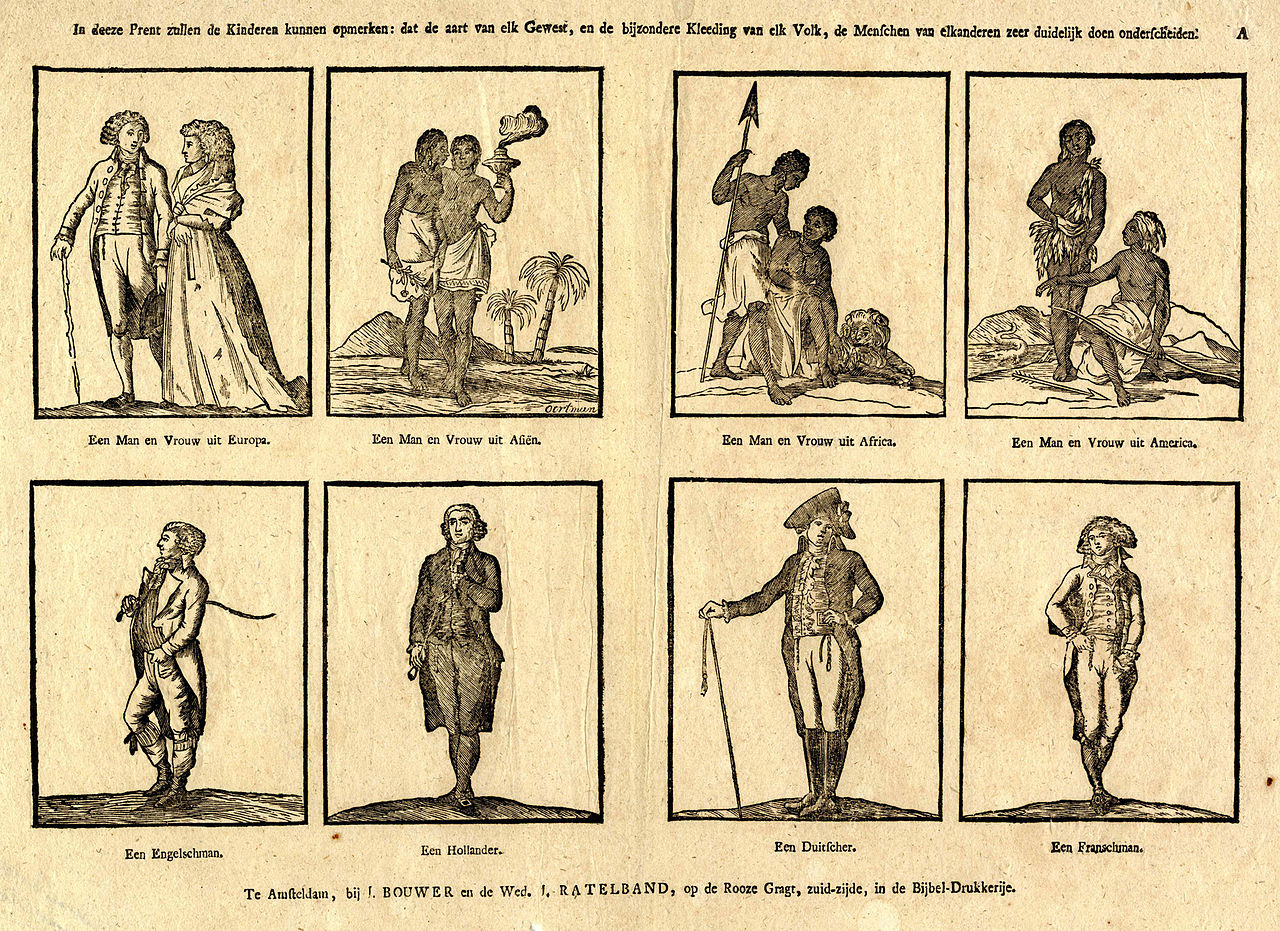
Stereotyping is a pervasive aspect of human perception, allowing us to quickly categorize and make sense of the world around us. However, this mental shortcut can also lead to oversimplification, prejudice, and discrimination. The concept of stereotyping has been extensively studied by psychologists such as Henri Tajfel and John Turner, who introduced Social Identity Theory in 1979. According to this theory, individuals derive a sense of belonging and identity from the groups they belong to, often leading to in-group favoritism and out-group derogation. The Vibe score for stereotyping is a moderate 60, reflecting its widespread presence in everyday life, yet also acknowledging the controversy surrounding its implications. As we move forward, it's essential to recognize the tension between the efficiency of stereotyping and its potential to perpetuate harm, with 75% of Americans reporting that they have experienced or witnessed stereotyping in their daily lives.
🔍 Introduction to Stereotyping
Stereotyping is a fundamental concept in social psychology that refers to the process of categorizing people into groups based on certain characteristics, such as Stereotypes, Social Identity Theory, and Prejudice. This can lead to the formation of expectations about people based on their group membership, which can be either positive, negative, or neutral. For instance, a person may hold a stereotype that all Engineers are introverted and analytical, while all Artists are creative and expressive. However, these stereotypes can be Biases and may not accurately reflect the characteristics of every individual within a group. According to Social Psychology research, stereotypes can be influenced by various factors, including Culture, Upbringing, and Personal Experiences.
👥 The Psychology of Stereotypes
The psychology of stereotypes is complex and multifaceted, involving both conscious and subconscious processes. Research has shown that stereotypes can be automatic and unintentional, operating outside of our conscious awareness. This is known as Implicit Stereotyping, which can be measured using techniques such as the Implicit Association Test. On the other hand, explicit stereotypes are conscious and intentional, and can be influenced by factors such as Social Norms and Cultural Values. Understanding the psychology of stereotypes is crucial for developing effective strategies to overcome them, such as Stereotype Threat and Stereotype Lift.
💡 The Function of Stereotypes
Stereotypes serve several functions, including simplifying information processing and providing a sense of control and order in a complex world. By relying on previously stored knowledge, stereotypes can help us navigate social situations more efficiently, as we can quickly categorize people and make predictions about their behavior. However, this can also lead to Errors in Judgment and Discrimination, as stereotypes can be inaccurate and resistant to new information. Furthermore, stereotypes can be influenced by Media Representation and Social Influence, which can perpetuate negative stereotypes and reinforce existing biases.
📊 The Accuracy of Stereotypes
Research on the accuracy of stereotypes has yielded mixed results, with some studies finding that stereotypes can be surprisingly accurate, while others have found them to be largely inaccurate. For example, studies on Gender Stereotypes have found that they can reflect reality to some extent, while studies on National-Origin Stereotypes have found them to be largely inaccurate. However, it is essential to note that even if stereotypes are accurate, they can still be Harmful and perpetuate negative attitudes and behaviors towards certain groups. Therefore, it is crucial to approach stereotypes with a critical and nuanced perspective, recognizing both their potential benefits and limitations. According to Stereotype Accuracy research, the accuracy of stereotypes can depend on various factors, including the Context and the Group Being Stereotyped.
👀 Explicit vs. Implicit Stereotypes
Explicit stereotypes are conscious and intentional, while implicit stereotypes are subconscious and automatic. Explicit stereotypes can be influenced by factors such as Upbringing and Social Environment, while implicit stereotypes can be influenced by factors such as Neurobiology and Evolutionary Psychology. Understanding the difference between explicit and implicit stereotypes is crucial for developing effective strategies to overcome them, such as Implicit Stereotype Intervention. Furthermore, recognizing the role of implicit stereotypes in shaping our attitudes and behaviors can help us become more aware of our own biases and work to overcome them. According to Implicit-Explicit Distinction research, the distinction between implicit and explicit stereotypes is not always clear-cut, and can depend on various factors, including the Context and the Individual.
🤝 The Impact of Stereotypes on Interpersonal Relationships
Stereotypes can have a significant impact on interpersonal relationships, influencing the way we communicate and interact with others. For example, holding a stereotype that someone is Intelligent or Stupid can influence the way we communicate with them, and can even affect our expectations of their behavior. Furthermore, stereotypes can also influence the way we form and maintain relationships, with people often seeking out others who fit their stereotypes. According to Interpersonal Relationships research, the impact of stereotypes on interpersonal relationships can depend on various factors, including the Context and the Individual.
📚 Breaking Down Stereotypes
Breaking down stereotypes requires a combination of self-awareness, education, and social change. By recognizing and challenging our own biases and stereotypes, we can work to overcome them and develop more nuanced and accurate perceptions of others. Furthermore, education and social change can help to challenge and change stereotypes, promoting greater understanding and acceptance of diversity. According to Stereotype Change research, breaking down stereotypes can depend on various factors, including the Context and the Individual.
📊 Measuring Stereotypes with Vibe Scores
Measuring stereotypes with vibe scores can provide a quantitative approach to understanding the cultural energy and resonance of stereotypes. By analyzing the vibe scores of different stereotypes, we can gain insights into their relative strength and influence, and can even track changes in stereotypes over time. According to Vibe Scores research, measuring stereotypes with vibe scores can depend on various factors, including the Context and the Group Being Stereotyped.
👥 Overcoming Stereotypes and Biases
Overcoming stereotypes and biases requires a combination of self-awareness, education, and social change. By recognizing and challenging our own biases and stereotypes, we can work to overcome them and develop more nuanced and accurate perceptions of others. Furthermore, education and social change can help to challenge and change stereotypes, promoting greater understanding and acceptance of diversity. According to Bias Reduction research, overcoming stereotypes and biases can depend on various factors, including the Context and the Individual.
🔮 The Future of Stereotype Research
The future of stereotype research is likely to involve a continued focus on the complex and multifaceted nature of stereotypes, as well as the development of new methods and approaches for measuring and challenging them. By recognizing the role of stereotypes in shaping our attitudes and behaviors, we can work to develop more nuanced and accurate perceptions of others, and can promote greater understanding and acceptance of diversity. According to Stereotype Research research, the future of stereotype research can depend on various factors, including the Context and the Individual.
Key Facts
- Year
- 1979
- Origin
- Social Identity Theory
- Category
- Social Psychology
- Type
- Psychological Concept
Frequently Asked Questions
What is a stereotype?
A stereotype is a generalized belief about a particular category of people, which can be either positive, negative, or neutral. Stereotypes can be influenced by various factors, including culture, upbringing, and personal experiences. According to Stereotypes research, stereotypes can be automatic and unintentional, operating outside of our conscious awareness. For example, a person may hold a stereotype that all Engineers are introverted and analytical, while all Artists are creative and expressive. However, these stereotypes can be Biases and may not accurately reflect the characteristics of every individual within a group.
How do stereotypes affect our behavior?
Stereotypes can influence our behavior in various ways, including shaping our attitudes and expectations towards certain groups of people. For example, holding a stereotype that someone is Intelligent or Stupid can influence the way we communicate with them, and can even affect our expectations of their behavior. Furthermore, stereotypes can also influence the way we form and maintain relationships, with people often seeking out others who fit their stereotypes. According to Interpersonal Relationships research, the impact of stereotypes on interpersonal relationships can depend on various factors, including the Context and the Individual.
Can stereotypes be accurate?
Research on the accuracy of stereotypes has yielded mixed results, with some studies finding that stereotypes can be surprisingly accurate, while others have found them to be largely inaccurate. For example, studies on Gender Stereotypes have found that they can reflect reality to some extent, while studies on National-Origin Stereotypes have found them to be largely inaccurate. However, it is essential to note that even if stereotypes are accurate, they can still be Harmful and perpetuate negative attitudes and behaviors towards certain groups. According to Stereotype Accuracy research, the accuracy of stereotypes can depend on various factors, including the Context and the Group Being Stereotyped.
How can we overcome stereotypes and biases?
Overcoming stereotypes and biases requires a combination of self-awareness, education, and social change. By recognizing and challenging our own biases and stereotypes, we can work to overcome them and develop more nuanced and accurate perceptions of others. Furthermore, education and social change can help to challenge and change stereotypes, promoting greater understanding and acceptance of diversity. According to Bias Reduction research, overcoming stereotypes and biases can depend on various factors, including the Context and the Individual.
What is the difference between explicit and implicit stereotypes?
Explicit stereotypes are conscious and intentional, while implicit stereotypes are subconscious and automatic. Explicit stereotypes can be influenced by factors such as Upbringing and Social Environment, while implicit stereotypes can be influenced by factors such as Neurobiology and Evolutionary Psychology. Understanding the difference between explicit and implicit stereotypes is crucial for developing effective strategies to overcome them, such as Implicit Stereotype Intervention. According to Implicit-Explicit Distinction research, the distinction between implicit and explicit stereotypes is not always clear-cut, and can depend on various factors, including the Context and the Individual.
How can we measure stereotypes?
Measuring stereotypes can be done through various methods, including surveys, experiments, and observational studies. One approach is to use Vibe Scores, which can provide a quantitative measure of the cultural energy and resonance of stereotypes. According to Vibe Scores research, measuring stereotypes with vibe scores can depend on various factors, including the Context and the Group Being Stereotyped.
What is the future of stereotype research?
The future of stereotype research is likely to involve a continued focus on the complex and multifaceted nature of stereotypes, as well as the development of new methods and approaches for measuring and challenging them. By recognizing the role of stereotypes in shaping our attitudes and behaviors, we can work to develop more nuanced and accurate perceptions of others, and can promote greater understanding and acceptance of diversity. According to Stereotype Research research, the future of stereotype research can depend on various factors, including the Context and the Individual.