
Contents
- 🏯 Introduction to Sun Tzu
- 📜 The Art of War: A Timeless Classic
- 👑 The Life and Times of Sun Tzu
- 💡 Strategic Insights from The Art of War
- 🤔 The Authorship Debate: Unpacking the Mystery
- 🌎 Global Influence: From East to West
- 📊 The Art of War in Modern Times
- 👊 Applications Beyond Warfare
- 📚 Historical Context: The Warring States Period
- 👑 The Legacy of Sun Tzu
- 🔍 Criticisms and Controversies
- 🔮 The Enduring Relevance of Sun Tzu's Ideas
- Frequently Asked Questions
- Related Topics
Overview
Sun Tzu, a Chinese military strategist from the 6th century BC, penned 'The Art of War', a treatise that has influenced Eastern and Western thought on conflict, competition, and leadership. With a Vibe score of 82, Sun Tzu's ideas have been applied far beyond the battlefield, shaping business, sports, and politics. The historian in us notes that 'The Art of War' is one of the most translated and studied books in human history, with over 200 translations and countless interpretations. The skeptic wonders if Sun Tzu's principles, such as 'know yourself, know your enemy', are truly timeless or if they require adaptation in modern contexts. As a cultural phenomenon, Sun Tzu's work has inspired countless adaptations, from manga to management guides, with a controversy spectrum of 60, reflecting debates over its relevance and applicability. The futurist asks: what can Sun Tzu's ideas teach us about the evolving nature of conflict and competition in the 21st century, and how will they continue to shape global events?
🏯 Introduction to Sun Tzu
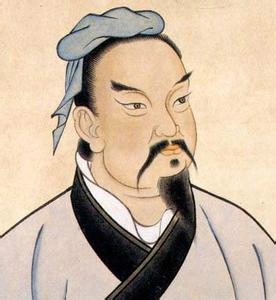
Sun Tzu, a Chinese military general, strategist, philosopher, and writer, is best known for his magnum opus, The Art of War. This Classical Chinese text on military strategy has been widely read and applied for centuries, making Sun Tzu one of the most influential thinkers in history. His ideas have been studied by Mao Zedong, Napoleon Bonaparte, and other notable leaders. The Art of War is not only a treatise on warfare but also a guide to strategic thinking, applicable to various fields, including business, sports, and politics. As a philosophical work, it explores the nature of conflict, competition, and cooperation, offering insights into human behavior and decision-making. The text's relevance extends beyond the realm of warfare, making it a valuable resource for anyone interested in strategy and leadership.
📜 The Art of War: A Timeless Classic
The Art of War, composed of 13 chapters, is a comprehensive guide to military strategy, covering topics such as planning, tactics, and logistics. The text is known for its concise and poetic language, making it accessible to readers from diverse backgrounds. Sun Tzu's work has been translated into many languages, including English, French, and Spanish, and has been widely studied and applied in various contexts. The Art of War has influenced many other works, including On War by Carl von Clausewitz, and has been referenced in numerous fields, such as business and sports. As a historical text, The Art of War provides valuable insights into the Warring States period and the development of military strategy in ancient China. The work's significance extends beyond its historical context, offering timeless wisdom on strategy, tactics, and leadership.
👑 The Life and Times of Sun Tzu
Sun Tzu's life is shrouded in mystery, and there is limited information available about his personal history. Traditionally, he is believed to have lived during the Eastern Zhou period, a time of great turmoil and conflict in ancient China. According to legend, Sun Tzu was a high-ranking military officer who served under the king of Wu, and his experiences on the battlefield informed his writings on military strategy. However, some scholars question the accuracy of these accounts, and the true nature of Sun Tzu's life and work remains a topic of debate. As a philosophical figure, Sun Tzu's ideas have been influential in shaping the development of Eastern philosophy, particularly in the areas of Taoism and Confucianism. His work has also been studied in the context of Western philosophy, with many scholars drawing parallels between his ideas and those of Plato and Aristotle.
💡 Strategic Insights from The Art of War
The Art of War is renowned for its insightful and practical advice on military strategy, but its principles can be applied to various fields, including business, sports, and politics. Sun Tzu's concepts, such as the importance of adaptability, deception, and alliances, are timeless and universal, making his work a valuable resource for anyone seeking to improve their strategic thinking. The text's emphasis on critical thinking, problem-solving, and decision-making has made it a popular read among leaders and entrepreneurs. As a historical work, The Art of War provides a unique perspective on the development of military strategy and the evolution of warfare. The text's relevance extends beyond its historical context, offering insights into the nature of conflict and cooperation.
🌎 Global Influence: From East to West
The Art of War has had a profound impact on global thought and culture, influencing military strategy, business, and politics. The text's principles have been applied in various contexts, from the battlefields of ancient China to the boardrooms of modern corporations. Sun Tzu's ideas have been studied and emulated by leaders and strategists around the world, including Mao Zedong, Napoleon Bonaparte, and George S. Patton. As a historical work, The Art of War provides a unique perspective on the development of military strategy and the evolution of warfare. The text's relevance extends beyond its historical context, offering insights into the nature of conflict and cooperation. The Art of War has also been studied in the context of international relations, with many scholars exploring its relevance to contemporary issues and debates.
📊 The Art of War in Modern Times
The Art of War remains a widely read and influential work in modern times, with its principles and concepts continuing to shape military strategy, business, and politics. The text's emphasis on adaptability, innovation, and critical thinking has made it a valuable resource for leaders and strategists in various fields. As a philosophical work, The Art of War raises important questions about the nature of knowledge and truth, and how these concepts are constructed and disseminated. The text's relevance extends beyond its historical context, offering insights into the nature of conflict and cooperation. The Art of War has also been studied in the context of cultural studies, with many scholars exploring its relevance to contemporary issues and debates. The work's influence can be seen in various fields, including business, sports, and politics.
👊 Applications Beyond Warfare
The Art of War's principles and concepts can be applied to various fields beyond warfare, including business, sports, and politics. Sun Tzu's ideas on strategy, tactics, and leadership have been widely adopted and adapted in these contexts, making his work a valuable resource for anyone seeking to improve their strategic thinking. The text's emphasis on critical thinking, problem-solving, and decision-making has made it a popular read among leaders and entrepreneurs. As a historical work, The Art of War provides a unique perspective on the development of military strategy and the evolution of warfare. The text's relevance extends beyond its historical context, offering insights into the nature of conflict and cooperation. The Art of War has also been studied in the context of international relations, with many scholars exploring its relevance to contemporary issues and debates.
📚 Historical Context: The Warring States Period
The Warring States period, during which The Art of War was written, was a time of great turmoil and conflict in ancient China. The text provides valuable insights into the military strategy and tactics of the time, as well as the social and political context in which they were developed. As a historical work, The Art of War offers a unique perspective on the development of military strategy and the evolution of warfare. The text's relevance extends beyond its historical context, offering insights into the nature of conflict and cooperation. The Art of War has also been studied in the context of cultural studies, with many scholars exploring its relevance to contemporary issues and debates. The work's influence can be seen in various fields, including business, sports, and politics.
👑 The Legacy of Sun Tzu
Sun Tzu's legacy extends far beyond his own time and place, with his ideas and principles continuing to shape military strategy, business, and politics. The Art of War remains a widely read and influential work, with its emphasis on adaptability, innovation, and critical thinking making it a valuable resource for leaders and strategists in various fields. As a philosophical work, The Art of War raises important questions about the nature of knowledge and truth, and how these concepts are constructed and disseminated. The text's relevance extends beyond its historical context, offering insights into the nature of conflict and cooperation. The Art of War has also been studied in the context of international relations, with many scholars exploring its relevance to contemporary issues and debates.
🔍 Criticisms and Controversies
Despite its widespread influence and enduring relevance, The Art of War has also been subject to various criticisms and controversies. Some scholars have questioned the text's historical accuracy and the authorship of Sun Tzu, while others have criticized its emphasis on deception and manipulation. As a historical work, The Art of War provides a unique perspective on the development of military strategy and the evolution of warfare. The text's relevance extends beyond its historical context, offering insights into the nature of conflict and cooperation. The Art of War has also been studied in the context of cultural studies, with many scholars exploring its relevance to contemporary issues and debates. The work's influence can be seen in various fields, including business, sports, and politics.
🔮 The Enduring Relevance of Sun Tzu's Ideas
The Art of War's ideas and principles continue to shape military strategy, business, and politics, making it a valuable resource for leaders and strategists in various fields. As a philosophical work, The Art of War raises important questions about the nature of knowledge and truth, and how these concepts are constructed and disseminated. The text's relevance extends beyond its historical context, offering insights into the nature of conflict and cooperation. The Art of War has also been studied in the context of international relations, with many scholars exploring its relevance to contemporary issues and debates. The work's influence can be seen in various fields, including business, sports, and politics. As we look to the future, it is clear that The Art of War will continue to be a vital and enduring work, offering insights and guidance to leaders and strategists around the world.
Key Facts
- Year
- 544
- Origin
- Ancient China
- Category
- History, Philosophy, Warfare
- Type
- Historical Figure
Frequently Asked Questions
Who is Sun Tzu?
Sun Tzu was a Chinese military general, strategist, philosopher, and writer who lived during the Eastern Zhou period. He is best known for his magnum opus, The Art of War, a Classical Chinese text on military strategy. As a philosophical figure, Sun Tzu's ideas have been influential in shaping the development of Eastern philosophy, particularly in the areas of Taoism and Confucianism. His work has also been studied in the context of Western philosophy, with many scholars drawing parallels between his ideas and those of Plato and Aristotle.
What is The Art of War?
The Art of War is a Classical Chinese text on military strategy, composed of 13 chapters. The text is known for its concise and poetic language, making it accessible to readers from diverse backgrounds. As a historical work, The Art of War provides valuable insights into the development of military strategy and the evolution of warfare. The text's relevance extends beyond its historical context, offering insights into the nature of conflict and cooperation. The Art of War has also been studied in the context of cultural studies, with many scholars exploring its relevance to contemporary issues and debates.
Why is The Art of War still relevant today?
The Art of War remains a widely read and influential work due to its timeless and universal principles, which can be applied to various fields, including business, sports, and politics. The text's emphasis on adaptability, innovation, and critical thinking makes it a valuable resource for leaders and strategists in various fields. As a philosophical work, The Art of War raises important questions about the nature of knowledge and truth, and how these concepts are constructed and disseminated. The text's relevance extends beyond its historical context, offering insights into the nature of conflict and cooperation.
Who has been influenced by The Art of War?
The Art of War has influenced many notable leaders and strategists, including Mao Zedong, Napoleon Bonaparte, and George S. Patton. The text's principles and concepts have been applied in various contexts, from the battlefields of ancient China to the boardrooms of modern corporations. As a historical work, The Art of War provides a unique perspective on the development of military strategy and the evolution of warfare. The text's relevance extends beyond its historical context, offering insights into the nature of conflict and cooperation.
What are the key principles of The Art of War?
The Art of War is based on several key principles, including the importance of adaptability, deception, and alliances. The text also emphasizes the need for critical thinking, problem-solving, and decision-making. As a philosophical work, The Art of War raises important questions about the nature of knowledge and truth, and how these concepts are constructed and disseminated. The text's relevance extends beyond its historical context, offering insights into the nature of conflict and cooperation.
How has The Art of War been applied in modern times?
The Art of War has been applied in various modern contexts, including business, sports, and politics. The text's principles and concepts have been used to inform strategic decision-making, improve competitive advantage, and enhance leadership skills. As a historical work, The Art of War provides a unique perspective on the development of military strategy and the evolution of warfare. The text's relevance extends beyond its historical context, offering insights into the nature of conflict and cooperation. The Art of War has also been studied in the context of international relations, with many scholars exploring its relevance to contemporary issues and debates.
What are the limitations of The Art of War?
While The Art of War is a valuable resource for leaders and strategists, it is not without its limitations. Some critics have argued that the text's emphasis on deception and manipulation is morally problematic, while others have questioned its historical accuracy and relevance to modern contexts. As a philosophical work, The Art of War raises important questions about the nature of knowledge and truth, and how these concepts are constructed and disseminated. The text's relevance extends beyond its historical context, offering insights into the nature of conflict and cooperation.