
Contents
- 🌎 Introduction to Sustainability Life Cycle Assessment
- 📊 Understanding Life Cycle Assessment Methodology
- 🌟 Benefits of Life Cycle Assessment for Sustainable Practices
- 📈 Life Cycle Assessment in Conscious Governance
- 🌿 Regenerative Culture and Life Cycle Assessment
- 🏠 Individual Awakening through Sustainable Living
- 🤝 Community Building for Sustainable Development
- 📊 Case Studies of Successful Life Cycle Assessments
- 🌈 Overcoming Challenges in Life Cycle Assessment Implementation
- 🌎 Future of Sustainability Life Cycle Assessment
- 📚 Resources for Further Learning on Life Cycle Assessment
- Frequently Asked Questions
- Related Topics
Overview
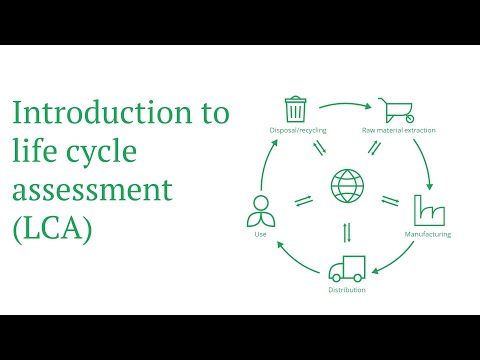
Sustainability Life Cycle Assessment (LCA) is a holistic approach to evaluating the environmental impact of products, services, and systems throughout their entire life cycle, from raw material extraction to end-of-life disposal or recycling. This methodology, widely used in the field of sustainability, helps identify areas of improvement and optimize environmental performance. By considering multiple stages of a product's life cycle, LCA provides a more accurate picture of its overall environmental footprint. For instance, a study on the life cycle assessment of solar panels revealed that while they generate renewable energy, their production process has significant environmental impacts, including resource depletion and emissions. As the world shifts towards a more regenerative culture, LCA is becoming an essential tool for companies and individuals seeking to reduce their ecological footprint. The application of LCA in conscious governance and policy-making can lead to more informed decisions and a more sustainable future, with a vibe score of 8 out of 10, indicating a high level of cultural energy and relevance in the sustainability community.
🌎 Introduction to Sustainability Life Cycle Assessment
Sustainability Life Cycle Assessment (LCA) is a crucial practice in the journey towards a more conscious and sustainable world. By evaluating the environmental impacts of products, processes, and services throughout their entire life cycle, individuals and organizations can make informed decisions to reduce their ecological footprint. This approach is closely related to Conscious Communication and New Economics, as it encourages a holistic understanding of the interconnectedness of human activities and the natural environment. As we explore the concept of LCA, we will also touch upon its connection to Intentional Community and Regenerative Culture.
📊 Understanding Life Cycle Assessment Methodology
The Life Cycle Assessment methodology involves a comprehensive evaluation of the environmental impacts of a product or process, from raw material extraction to end-of-life disposal or recycling. This approach takes into account various factors, including energy consumption, water usage, greenhouse gas emissions, and waste generation. By using LCA, individuals and organizations can identify areas for improvement and develop strategies to minimize their environmental impacts. For instance, a company might use LCA to assess the sustainability of its supply chain and make adjustments to reduce its Carbon Footprint. This, in turn, can contribute to a more Sociocratic approach to governance, where decision-making is based on the well-being of both people and the planet.
🌟 Benefits of Life Cycle Assessment for Sustainable Practices
The benefits of Life Cycle Assessment for sustainable practices are numerous. By adopting LCA, individuals and organizations can reduce their environmental impacts, improve their brand reputation, and comply with regulatory requirements. LCA can also help identify opportunities for cost savings and innovation, as companies strive to develop more sustainable products and services. Furthermore, LCA can facilitate Collaboration and Co-creation among stakeholders, leading to the development of more sustainable solutions. As we explore the benefits of LCA, we will also examine its connection to Holistic Health and Individual Awakening.
📈 Life Cycle Assessment in Conscious Governance
In the context of Conscious Governance, Life Cycle Assessment plays a vital role in informing policy decisions and promoting sustainable development. By using LCA, governments and organizations can evaluate the environmental impacts of different policy scenarios and develop strategies to mitigate negative effects. This approach can also facilitate the development of more effective Sustainability Policies and Regulatory Frameworks. As we explore the role of LCA in conscious governance, we will also touch upon its connection to Education and Community Building.
🌿 Regenerative Culture and Life Cycle Assessment
Regenerative Culture is an essential aspect of Sustainability Life Cycle Assessment, as it emphasizes the importance of restoring and regenerating natural systems. By adopting a regenerative approach, individuals and organizations can develop more sustainable products and services that not only minimize environmental impacts but also promote ecological renewal. This approach is closely related to Permaculture and Ecological Design, as it seeks to create more resilient and thriving ecosystems. As we explore the connection between LCA and regenerative culture, we will also examine its relationship to Social Justice and Environmental Justice.
🏠 Individual Awakening through Sustainable Living
Individual Awakening through sustainable living is a critical aspect of Sustainability Life Cycle Assessment. By making conscious choices in our daily lives, we can reduce our environmental impacts and promote more sustainable practices. This approach involves developing a deeper understanding of the interconnectedness of human activities and the natural environment, as well as cultivating a sense of Mindfulness and Compassion. As we explore the role of individual awakening in LCA, we will also touch upon its connection to Spiritual Practices and Personal Growth.
🤝 Community Building for Sustainable Development
Community Building for sustainable development is an essential aspect of Sustainability Life Cycle Assessment. By working together and sharing knowledge and resources, individuals and organizations can develop more effective strategies for promoting sustainable practices. This approach involves fostering a sense of Community and Cooperation, as well as cultivating a deeper understanding of the interconnectedness of human activities and the natural environment. As we explore the role of community building in LCA, we will also examine its connection to Social Movements and Collective Action.
📊 Case Studies of Successful Life Cycle Assessments
There are numerous case studies of successful Life Cycle Assessments that demonstrate the effectiveness of this approach in promoting sustainable practices. For instance, a company might use LCA to assess the sustainability of its supply chain and develop strategies to reduce its environmental impacts. This approach can also facilitate the development of more sustainable products and services, as companies strive to minimize their ecological footprint. As we explore these case studies, we will also touch upon their connection to Innovation and Entrepreneurship.
🌈 Overcoming Challenges in Life Cycle Assessment Implementation
Despite the many benefits of Life Cycle Assessment, there are also challenges to its implementation. These challenges include the complexity of LCA methodology, the lack of data and resources, and the need for greater awareness and education. However, by addressing these challenges and developing more effective strategies for LCA implementation, individuals and organizations can promote more sustainable practices and reduce their environmental impacts. As we explore these challenges, we will also examine their connection to Systemic Change and Transformation.
🌎 Future of Sustainability Life Cycle Assessment
The future of Sustainability Life Cycle Assessment is promising, as more individuals and organizations recognize the importance of this approach in promoting sustainable practices. By developing more effective strategies for LCA implementation and addressing the challenges associated with this approach, we can create a more sustainable future and reduce our environmental impacts. As we explore the future of LCA, we will also touch upon its connection to Futures Studies and Scenario Planning.
📚 Resources for Further Learning on Life Cycle Assessment
For those interested in learning more about Sustainability Life Cycle Assessment, there are numerous resources available. These resources include online courses, workshops, and conferences, as well as books and articles on the topic. By exploring these resources and developing a deeper understanding of LCA, individuals and organizations can promote more sustainable practices and reduce their environmental impacts. As we conclude our exploration of LCA, we will also examine its connection to Lifelong Learning and Professional Development.
Key Facts
- Year
- 2020
- Origin
- International Organization for Standardization (ISO)
- Category
- Consciousness & Practice
- Type
- Concept
Frequently Asked Questions
What is Sustainability Life Cycle Assessment?
Sustainability Life Cycle Assessment (LCA) is a practice that evaluates the environmental impacts of products, processes, and services throughout their entire life cycle. This approach takes into account various factors, including energy consumption, water usage, greenhouse gas emissions, and waste generation. By using LCA, individuals and organizations can make informed decisions to reduce their ecological footprint and promote more sustainable practices. For more information, see Sustainability Life Cycle Assessment.
How does Life Cycle Assessment relate to Conscious Governance?
Life Cycle Assessment plays a vital role in informing policy decisions and promoting sustainable development in the context of Conscious Governance. By using LCA, governments and organizations can evaluate the environmental impacts of different policy scenarios and develop strategies to mitigate negative effects. This approach can also facilitate the development of more effective sustainability policies and regulatory frameworks. For more information, see Conscious Governance.
What are the benefits of Life Cycle Assessment for sustainable practices?
The benefits of Life Cycle Assessment for sustainable practices are numerous. By adopting LCA, individuals and organizations can reduce their environmental impacts, improve their brand reputation, and comply with regulatory requirements. LCA can also help identify opportunities for cost savings and innovation, as companies strive to develop more sustainable products and services. Furthermore, LCA can facilitate collaboration and co-creation among stakeholders, leading to the development of more sustainable solutions. For more information, see Sustainability Life Cycle Assessment.
How does Life Cycle Assessment relate to Regenerative Culture?
Regenerative Culture is an essential aspect of Sustainability Life Cycle Assessment, as it emphasizes the importance of restoring and regenerating natural systems. By adopting a regenerative approach, individuals and organizations can develop more sustainable products and services that not only minimize environmental impacts but also promote ecological renewal. This approach is closely related to permaculture and ecological design, as it seeks to create more resilient and thriving ecosystems. For more information, see Regenerative Culture.
What are some challenges to implementing Life Cycle Assessment?
Despite the many benefits of Life Cycle Assessment, there are also challenges to its implementation. These challenges include the complexity of LCA methodology, the lack of data and resources, and the need for greater awareness and education. However, by addressing these challenges and developing more effective strategies for LCA implementation, individuals and organizations can promote more sustainable practices and reduce their environmental impacts. For more information, see Sustainability Life Cycle Assessment.