
Contents
- 🏞️ Introduction to Sydney Olympic Park
- 🏗️ History of the Park's Development
- 🏋️♀️ Sports Infrastructure and Facilities
- 🌳 Sustainability Initiatives and Environmental Conservation
- 🚴♀️ Transportation and Accessibility
- 🏙️ Urban Planning and Design
- 📊 Economic Impact and Benefits
- 👥 Community Engagement and Participation
- 🤝 Partnerships and Collaborations
- 📈 Future Developments and Expansion Plans
- 📊 Challenges and Controversies
- 👏 Conclusion and Legacy
- Frequently Asked Questions
- Related Topics
Overview
Sydney Olympic Park, built for the 2000 Summer Olympics, has evolved into a thriving urban hub, boasting a unique blend of sports facilities, entertainment venues, and eco-friendly infrastructure. The park's masterplan, designed by a consortium of architects and engineers, aimed to create a sustainable and vibrant community. With a vibe score of 8, the park attracts over 10 million visitors annually, hosting various events, from sports competitions to music festivals. However, the park's development has not been without controversy, with debates surrounding the environmental impact and the displacement of indigenous communities. As the park continues to grow and develop, it faces the challenge of balancing its economic and social goals with its environmental responsibilities. With over 430 hectares of parklands, 35 kilometers of walking and cycling trails, and a 10,000-seat stadium, Sydney Olympic Park is a testament to innovative urban planning and a model for future sustainable developments.
🏞️ Introduction to Sydney Olympic Park
Sydney Olympic Park, located in New South Wales, Australia, is a world-class sports and entertainment precinct that has become a model for urban planning and development. The park was built for the 2000 Summer Olympics and has since become a thriving hub for sports, recreation, and community activities. With its rich history and commitment to sustainability, Sydney Olympic Park is an exemplary example of how to create a vibrant and environmentally conscious urban space. The park's development is a testament to the vision of the Sydney Olympic Park Authority and the New South Wales Government. The park's design and construction were influenced by the principles of sustainable urban planning and environmental conservation.
🏗️ History of the Park's Development
The history of Sydney Olympic Park's development dates back to the 1990s, when the Australian government decided to bid for the 2000 Summer Olympics. The Sydney Olympic Bid was successful, and the park's construction began in 1996. The park was designed by a team of architects, engineers, and landscape architects, who worked together to create a unique and functional space. The park's development was also influenced by the Olympic Games and the need to create a world-class sports infrastructure. The International Olympic Committee played a significant role in shaping the park's design and development. The park's construction was completed in 1999, and it was officially opened on September 15, 1999.
🏋️♀️ Sports Infrastructure and Facilities
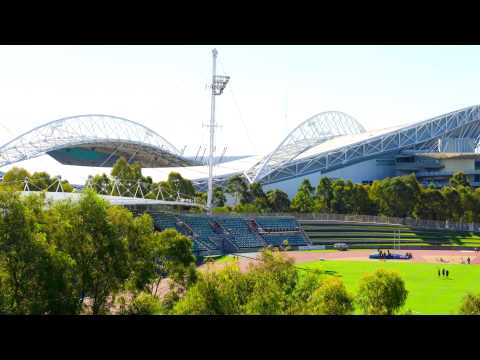
Sydney Olympic Park is home to a wide range of sports infrastructure and facilities, including the ANZ Stadium, the Sydney Olympic Aquatic Centre, and the Sydney Olympic Velodrome. The park also features a number of sports fields, courts, and tracks, as well as a range of recreational facilities, such as the Sydney Olympic Park Aquatic Centre. The park's sports infrastructure is designed to cater to a wide range of sports and activities, from elite competition to community recreation. The park's facilities are also designed to be flexible and adaptable, allowing for a range of events and activities to be held throughout the year. The Australian Sports Commission and the New South Wales Sports Federation are two organizations that have played a significant role in shaping the park's sports infrastructure.
🌳 Sustainability Initiatives and Environmental Conservation
Sustainability is a key aspect of Sydney Olympic Park's design and operation. The park features a range of sustainability initiatives, including renewable energy systems, rainwater harvesting systems, and waste management systems. The park is also home to a number of environmental conservation initiatives, including the Sydney Olympic Park Wetlands and the Sydney Olympic Park Nature Reserve. The park's sustainability initiatives are designed to minimize its environmental impact and create a healthy and sustainable environment for visitors and residents. The United Nations Environment Programme and the Australian Government Department of the Environment have recognized the park's sustainability initiatives and have provided support and guidance.
🚴♀️ Transportation and Accessibility
Sydney Olympic Park is well-connected to the surrounding area, with a range of transportation options available. The park is accessible by car, with a number of parking facilities available. The park is also accessible by public transportation, with a number of bus and train services connecting the park to the surrounding area. The Sydney Olympic Park Ferry service also provides a convenient and scenic way to access the park. The park's transportation options are designed to be convenient and accessible, allowing visitors to easily get to and from the park. The Transport for NSW and the Sydney Olympic Park Authority work together to manage the park's transportation systems.
🏙️ Urban Planning and Design
Sydney Olympic Park's urban planning and design are centered around the creation of a vibrant and sustainable community. The park's design features a range of public spaces, including parks, plazas, and walkways. The park is also home to a number of residential and commercial developments, including the Sydney Olympic Park Village. The park's urban planning and design are designed to create a sense of community and connection among residents and visitors. The Australian Institute of Urban Studies and the Urban Policy Institute have recognized the park's urban planning and design as a model for sustainable urban development.
📊 Economic Impact and Benefits
Sydney Olympic Park has had a significant economic impact on the surrounding area, with a range of benefits for local businesses and residents. The park has created a number of jobs and economic opportunities, both during its construction and in its ongoing operation. The park has also generated significant revenue for the local economy, through events, tourism, and other activities. The Australian Tourism Industry and the New South Wales Tourism have recognized the park's economic benefits and have provided support and guidance. The park's economic impact is also influenced by the Olympic Games and the Commonwealth Games.
👥 Community Engagement and Participation
Community engagement and participation are key aspects of Sydney Olympic Park's operation and management. The park features a range of community programs and initiatives, including sports and recreation programs, cultural events, and environmental conservation activities. The park also has a number of community facilities, including the Sydney Olympic Park Community Centre. The park's community engagement and participation initiatives are designed to create a sense of connection and belonging among residents and visitors. The Australian Sports Commission and the New South Wales Sports Federation have provided support and guidance for the park's community programs.
🤝 Partnerships and Collaborations
Sydney Olympic Park has a number of partnerships and collaborations with other organizations and stakeholders. The park works closely with the New South Wales Government, the Australian Sports Commission, and the International Olympic Committee to deliver a range of programs and initiatives. The park also partners with local businesses and community organizations to deliver events and activities. The park's partnerships and collaborations are designed to create a sense of cooperation and mutual benefit among stakeholders. The United Nations Environment Programme and the Australian Government Department of the Environment have recognized the park's partnerships and collaborations as a model for sustainable development.
📈 Future Developments and Expansion Plans
Sydney Olympic Park has a number of future developments and expansion plans, including the construction of new sports facilities and the expansion of existing ones. The park is also planning to increase its sustainability initiatives, including the installation of more renewable energy systems and the implementation of more waste management systems. The park's future developments and expansion plans are designed to create a more sustainable and vibrant community, while also providing more opportunities for sports, recreation, and entertainment. The Sydney Olympic Park Authority and the New South Wales Government are working together to deliver the park's future developments and expansion plans.
📊 Challenges and Controversies
Despite its many successes, Sydney Olympic Park has faced a number of challenges and controversies, including concerns about its environmental impact and its economic sustainability. The park has also faced criticism for its management and governance, with some stakeholders expressing concerns about the park's accountability and transparency. The Australian Auditor-General and the New South Wales Auditor-General have conducted audits of the park's management and governance. The park's challenges and controversies are complex and multifaceted, and require a nuanced and informed approach to resolution.
👏 Conclusion and Legacy
In conclusion, Sydney Olympic Park is a world-class sports and entertainment precinct that has become a model for urban planning and development. The park's commitment to sustainability, community engagement, and partnerships has created a vibrant and sustainable community, while its sports infrastructure and facilities have provided opportunities for elite competition and community recreation. As the park continues to evolve and develop, it is likely to remain a key player in the world of sports and entertainment, while also providing a model for sustainable urban development. The Sydney Olympic Park Authority and the New South Wales Government will continue to work together to deliver the park's vision and goals.
Key Facts
- Year
- 2000
- Origin
- Sydney, Australia
- Category
- Urban Planning and Development
- Type
- Urban Development Project
Frequently Asked Questions
What is Sydney Olympic Park?
Sydney Olympic Park is a world-class sports and entertainment precinct located in New South Wales, Australia. The park was built for the 2000 Summer Olympics and has since become a thriving hub for sports, recreation, and community activities. The park features a range of sports infrastructure and facilities, including the ANZ Stadium, the Sydney Olympic Aquatic Centre, and the Sydney Olympic Velodrome. The park is also home to a number of residential and commercial developments, including the Sydney Olympic Park Village.
What are the park's sustainability initiatives?
Sydney Olympic Park has a number of sustainability initiatives, including renewable energy systems, rainwater harvesting systems, and waste management systems. The park is also home to a number of environmental conservation initiatives, including the Sydney Olympic Park Wetlands and the Sydney Olympic Park Nature Reserve. The park's sustainability initiatives are designed to minimize its environmental impact and create a healthy and sustainable environment for visitors and residents.
What are the park's community programs and initiatives?
Sydney Olympic Park has a number of community programs and initiatives, including sports and recreation programs, cultural events, and environmental conservation activities. The park also has a number of community facilities, including the Sydney Olympic Park Community Centre. The park's community programs and initiatives are designed to create a sense of connection and belonging among residents and visitors. The Australian Sports Commission and the New South Wales Sports Federation have provided support and guidance for the park's community programs.
What are the park's future developments and expansion plans?
Sydney Olympic Park has a number of future developments and expansion plans, including the construction of new sports facilities and the expansion of existing ones. The park is also planning to increase its sustainability initiatives, including the installation of more renewable energy systems and the implementation of more waste management systems. The park's future developments and expansion plans are designed to create a more sustainable and vibrant community, while also providing more opportunities for sports, recreation, and entertainment.
What are the park's challenges and controversies?
Despite its many successes, Sydney Olympic Park has faced a number of challenges and controversies, including concerns about its environmental impact and its economic sustainability. The park has also faced criticism for its management and governance, with some stakeholders expressing concerns about the park's accountability and transparency. The Australian Auditor-General and the New South Wales Auditor-General have conducted audits of the park's management and governance.
How is the park managed and governed?
Sydney Olympic Park is managed and governed by the Sydney Olympic Park Authority, which is responsible for the park's overall strategy and direction. The authority works closely with the New South Wales Government and other stakeholders to deliver the park's vision and goals. The park's management and governance are designed to be transparent and accountable, with a range of mechanisms in place to ensure that the park is managed in the best interests of its stakeholders.
What is the park's economic impact?
Sydney Olympic Park has had a significant economic impact on the surrounding area, with a range of benefits for local businesses and residents. The park has created a number of jobs and economic opportunities, both during its construction and in its ongoing operation. The park has also generated significant revenue for the local economy, through events, tourism, and other activities. The Australian Tourism Industry and the New South Wales Tourism have recognized the park's economic benefits and have provided support and guidance.