
Contents
Overview
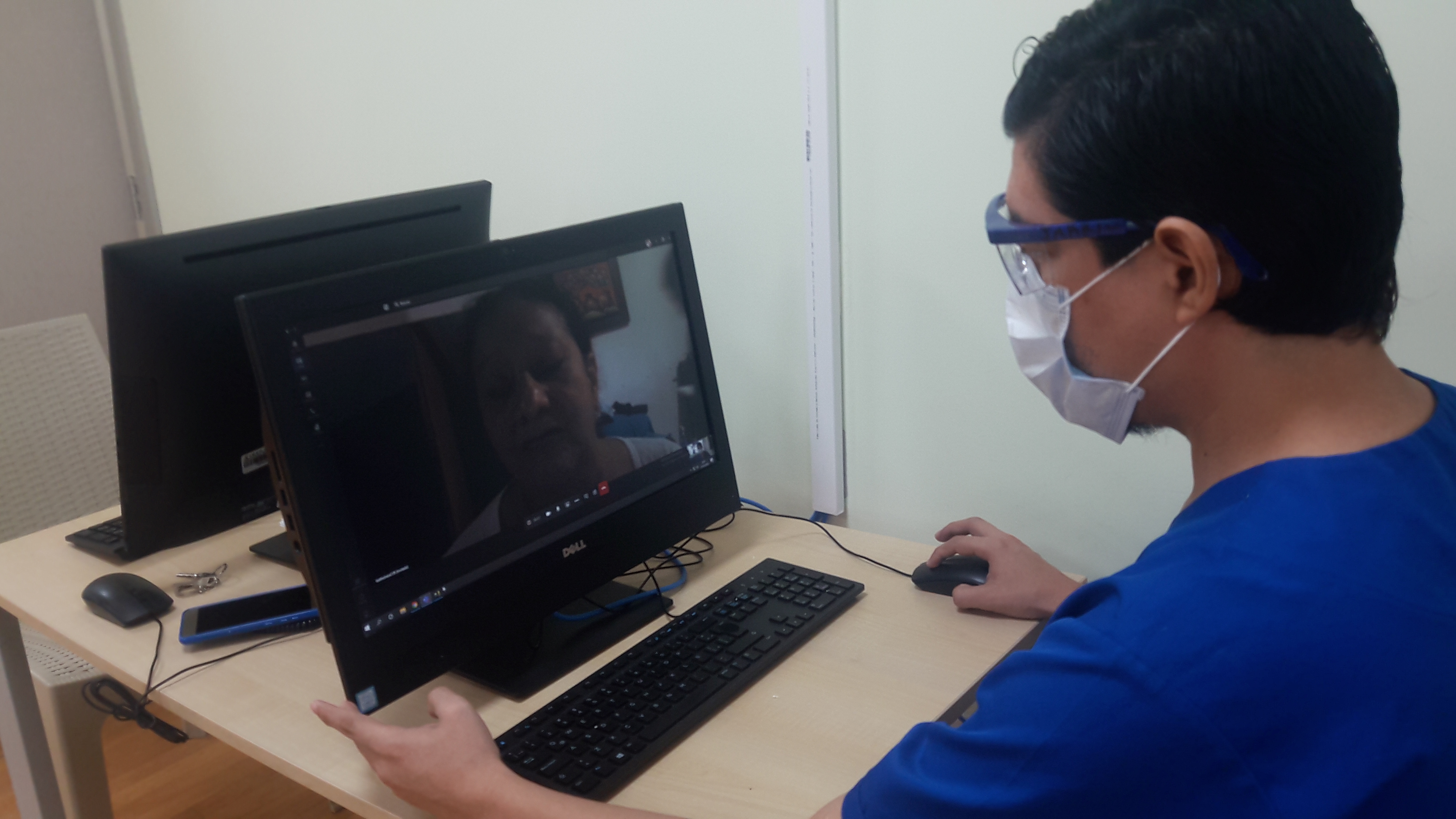
Telemedicine is a subset of telehealth that involves the use of electronic communication, information technology, or other means to provide clinical health care from a distance. According to the Federation of State Medical Boards, telemedicine is defined as the practice of medicine using electronic communication, information technology, or other means between a physician in one location and a patient in another location, with or without an intervening healthcare provider. Telemedicine bridges the gap between healthcare providers and patients, especially in rural or underserved areas. As the healthcare industry continues to evolve, telemedicine is likely to play an increasingly important role in shaping the future of healthcare delivery.
🎵 Origins & History
Telemedicine works by using digital communication technologies, such as video conferencing, phone calls, and messaging apps, to connect patients with healthcare providers remotely. This approach enables patients to receive medical consultations, diagnoses, and treatments from the comfort of their own homes, reducing the need for in-person visits to healthcare facilities. Telemedicine platforms provide a range of services, including virtual consultations, remote monitoring, and health coaching. These platforms use advanced technologies, such as artificial intelligence and machine learning, to improve the quality and efficiency of care.
⚙️ How It Works
Telemedicine has had a significant cultural impact, particularly in rural and underserved areas where access to healthcare services is limited. The use of telemedicine has enabled patients to receive medical care remotely, reducing the need for travel and improving health outcomes. Telemedicine has also had an impact on the way healthcare providers work, enabling them to provide care remotely and improving their work-life balance.
📊 Key Facts & Numbers
The current state of telemedicine is one of rapid growth and development, with many healthcare providers and patients adopting remote healthcare services. The COVID-19 pandemic has accelerated the adoption of telemedicine, with many healthcare providers and patients turning to remote healthcare services to reduce the risk of infection.
👥 Key People & Organizations
Despite the potential benefits of telemedicine, there are also controversies and debates surrounding its use. Some of the key controversies include concerns about the quality of care, the lack of standardization, and the potential for unequal access to healthcare services.
🌍 Cultural Impact & Influence
The future outlook for telemedicine is one of continued growth and development, with many healthcare providers and patients adopting remote healthcare services. The use of telemedicine is expected to continue to grow, driven by the increasing adoption of digital health technologies and the need for remote healthcare services.
⚡ Current State & Latest Developments
Telemedicine has many practical applications, including the provision of remote consultations, remote monitoring, and health coaching. Telemedicine platforms provide a range of services, including virtual consultations, remote monitoring, and health coaching. These platforms use advanced technologies, such as artificial intelligence and machine learning, to improve the quality and efficiency of care.
🤔 Controversies & Debates
Related topics and deeper reading include the use of artificial intelligence in healthcare, the development of digital health technologies, and the impact of telemedicine on healthcare outcomes.
Key Facts
- Category
- health
- Type
- topic