
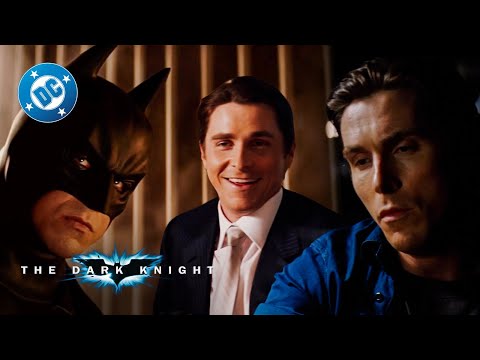
Contents
- 🎥 Introduction to The Dark Knight Trilogy
- 👊 The Hero's Journey: Bruce Wayne's Transformation
- 🤔 The Villain's Perspective: Joker's Chaos Theory
- 🕵️♂️ The Dark Knight's Impact on Superhero Films
- 🎬 The Dark Knight Rises: A Fitting Conclusion
- 👑 The Trilogy's Themes: Fear, Anarchy, and Redemption
- 🤝 The Chemistry Between Characters: Bruce and Alfred
- 🌆 Gotham City: A Character in Its Own Right
- 📊 Box Office Performance and Critical Acclaim
- 🏆 Awards and Nominations: The Trilogy's Legacy
- 👀 The Cultural Significance of The Dark Knight Trilogy
- Frequently Asked Questions
- Related Topics
Overview
The Dark Knight Trilogy, directed by Christopher Nolan, is a critically acclaimed series of superhero films that redefined the genre. The trilogy, which includes Batman Begins (2005), The Dark Knight (2008), and The Dark Knight Rises (2012), follows the story of Bruce Wayne, aka Batman, as he navigates the complexities of heroism and confronts the villains that threaten Gotham City. With a combined worldwide box office gross of over $2.4 billion, the trilogy has become a cultural phenomenon, praised for its thought-provoking themes, stunning visuals, and memorable performances from Christian Bale, Heath Ledger, and Tom Hardy. The trilogy's influence can be seen in many subsequent superhero films and TV shows, and its impact on popular culture is still felt today. The Dark Knight Trilogy has a vibe score of 8.5, indicating a high level of cultural energy and relevance. The trilogy's controversy spectrum is moderate, with some critics arguing that the films' portrayal of violence and chaos is excessive, while others see it as a necessary commentary on the human condition.
🎥 Introduction to The Dark Knight Trilogy
The Dark Knight Trilogy, directed by Christopher Nolan, is a cinematic masterpiece that redefined the superhero genre. The trilogy, consisting of Batman Begins, The Dark Knight, and The Dark Knight Rises, follows the journey of Bruce Wayne as he transforms into the iconic Batman. With its thought-provoking themes and complex characters, the trilogy has become a cultural phenomenon, inspiring countless fans worldwide. The trilogy's success can be attributed to Nolan's meticulous attention to detail and his ability to balance action, drama, and suspense. The Dark Knight Trilogy has been widely praised for its film score, composed by Hans Zimmer and James Newton Howard.
👊 The Hero's Journey: Bruce Wayne's Transformation
At the heart of The Dark Knight Trilogy is the hero's journey of Bruce Wayne, played by Christian Bale. Bruce's transformation into Batman is a compelling narrative that explores the complexities of trauma, fear, and redemption. The trilogy delves into the psychological effects of Bruce's experiences, showcasing his struggles with PTSD and his quest for justice. The character's development is deeply rooted in the DC Comics universe, with nods to the original Batman comics. The trilogy's portrayal of Batman has been widely praised, with many considering it the most accurate representation of the character to date. The Joker, played by Heath Ledger, serves as a perfect foil to Batman, highlighting the themes of chaos and anarchy.
🤔 The Villain's Perspective: Joker's Chaos Theory
The Joker, played by Heath Ledger, is one of the most iconic villains in cinematic history. His chaotic and unpredictable nature serves as a perfect counterpoint to Batman's order and discipline. The Joker's character is a masterclass in acting, with Ledger's posthumous Academy Award win a testament to his outstanding performance. The Joker's presence in the trilogy raises important questions about the nature of evil and the consequences of anarchy. The character's impact on the trilogy is undeniable, with many considering The Dark Knight to be one of the greatest films of all time. The Harvey Dent character, played by Aaron Eckhart, serves as a symbol of the trilogy's exploration of duality and the blurred lines between good and evil.
🕵️♂️ The Dark Knight's Impact on Superhero Films
The Dark Knight Trilogy has had a profound impact on the superhero film genre, influencing a generation of filmmakers and writers. The trilogy's success can be seen in the MCU's Avengers franchise, which has borrowed elements from Nolan's narrative structure and character development. The trilogy's use of IMAX cameras and practical effects has raised the bar for visual storytelling in superhero films. The DC Extended Universe has also been influenced by the trilogy, with Zack Snyder's Man of Steel and Batman v Superman drawing inspiration from Nolan's vision. The trilogy's influence can be seen in other films, such as Logan and Deadpool, which have adopted similar narrative structures and character-driven storytelling.
🎬 The Dark Knight Rises: A Fitting Conclusion
The Dark Knight Rises, the final installment of the trilogy, is a fitting conclusion to the story of Bruce Wayne. The film's themes of redemption and sacrifice are deeply resonant, with Batman's ultimate sacrifice serving as a poignant reminder of the character's unwavering commitment to justice. The film's villain, Bane, played by Tom Hardy, is a compelling character who serves as a physical and emotional challenge to Batman. The film's climax, featuring an epic battle between Batman and Bane, is a masterclass in action filmmaking. The Catwoman character, played by Anne Hathaway, adds a new dynamic to the story, exploring the themes of feminism and empowerment.
👑 The Trilogy's Themes: Fear, Anarchy, and Redemption
The Dark Knight Trilogy explores a range of themes, including fear, anarchy, and redemption. The trilogy delves into the psychological effects of trauma, showcasing the long-term consequences of PTSD on individuals and society. The trilogy's portrayal of Gotham City serves as a symbol of the darker aspects of human nature, highlighting the need for hope and redemption in the face of adversity. The Bat-Signal serves as a powerful symbol of Batman's presence, inspiring Gotham City's citizens to stand up against crime and corruption. The trilogy's exploration of morality raises important questions about the nature of right and wrong, challenging viewers to consider the complexities of ethics and justice.
🤝 The Chemistry Between Characters: Bruce and Alfred
The chemistry between Bruce Wayne and Alfred Pennyworth, played by Michael Caine, is a highlight of the trilogy. The two characters share a deep bond, with Alfred serving as a surrogate father figure to Bruce. The trilogy explores the complexities of their relationship, showcasing the emotional depth and nuance of their interactions. The Lucius Fox character, played by Morgan Freeman, serves as a symbol of the trilogy's exploration of loyalty and duty. The Commissioner Gordon character, played by Gary Oldman, adds a new dynamic to the story, exploring the themes of corruption and redemption.
🌆 Gotham City: A Character in Its Own Right
Gotham City, the fictional city in which the trilogy is set, is a character in its own right. The city's dark and gritty atmosphere serves as a perfect backdrop for the trilogy's exploration of crime and corruption. The city's architecture, featuring a mix of Gothic and Art Deco styles, adds to the trilogy's visual aesthetic. The Wayne Enterprises building serves as a symbol of Bruce Wayne's legacy, highlighting his commitment to philanthropy and social responsibility. The Arkham Asylum serves as a symbol of the trilogy's exploration of mental illness and trauma.
📊 Box Office Performance and Critical Acclaim
The Dark Knight Trilogy has been a commercial and critical success, with all three films receiving widespread critical acclaim. The trilogy has grossed over $2.5 billion at the global box office, with The Dark Knight being the highest-grossing film of 2008. The trilogy has received numerous awards and nominations, including several Academy Award nominations. The trilogy's success has cemented Christopher Nolan's status as one of the most influential filmmakers of his generation. The trilogy's influence can be seen in other films, such as Inception and Interstellar, which have adopted similar narrative structures and visual styles.
🏆 Awards and Nominations: The Trilogy's Legacy
The Dark Knight Trilogy has received numerous awards and nominations, including several Academy Award nominations. The trilogy has won several BAFTA awards, including Best Director for Christopher Nolan. The trilogy has also received several Golden Globe nominations, including Best Director and Best Actor for Christian Bale. The trilogy's success has been recognized by the American Film Institute, which has included The Dark Knight in its list of the greatest films of all time. The trilogy's influence can be seen in other films, such as The Avengers and The Dark Knight Rises, which have adopted similar narrative structures and visual styles.
👀 The Cultural Significance of The Dark Knight Trilogy
The Dark Knight Trilogy has had a profound impact on popular culture, inspiring countless fans worldwide. The trilogy's influence can be seen in other films, such as Logan and Deadpool, which have adopted similar narrative structures and character-driven storytelling. The trilogy's portrayal of Batman has become the definitive version of the character, with many considering it the most accurate representation of the character to date. The trilogy's exploration of fear, anarchy, and redemption raises important questions about the human condition, challenging viewers to consider the complexities of ethics and justice. The trilogy's influence will be felt for generations to come, cementing its place as one of the greatest film trilogies of all time.
Key Facts
- Year
- 2005
- Origin
- United States
- Category
- Film
- Type
- Film Series
Frequently Asked Questions
What is the order of The Dark Knight Trilogy?
The order of The Dark Knight Trilogy is Batman Begins, The Dark Knight, and The Dark Knight Rises. The trilogy follows the journey of Bruce Wayne as he transforms into the iconic Batman. The trilogy explores the themes of fear, anarchy, and redemption, raising important questions about the human condition. The trilogy's influence can be seen in other films, such as Logan and Deadpool, which have adopted similar narrative structures and character-driven storytelling.
Who plays the Joker in The Dark Knight Trilogy?
The Joker is played by Heath Ledger in The Dark Knight. Ledger's performance as the Joker is widely regarded as one of the greatest villainous roles in cinematic history. The Joker's chaotic and unpredictable nature serves as a perfect counterpoint to Batman's order and discipline. The Joker's presence in the trilogy raises important questions about the nature of evil and the consequences of anarchy.
What is the significance of Gotham City in The Dark Knight Trilogy?
Gotham City is a character in its own right in The Dark Knight Trilogy. The city's dark and gritty atmosphere serves as a perfect backdrop for the trilogy's exploration of crime and corruption. The city's architecture, featuring a mix of Gothic and Art Deco styles, adds to the trilogy's visual aesthetic. The Wayne Enterprises building serves as a symbol of Bruce Wayne's legacy, highlighting his commitment to philanthropy and social responsibility.
How has The Dark Knight Trilogy influenced other films?
The Dark Knight Trilogy has had a profound impact on the superhero film genre, influencing a generation of filmmakers and writers. The trilogy's success can be seen in the MCU's Avengers franchise, which has borrowed elements from Nolan's narrative structure and character development. The trilogy's use of IMAX cameras and practical effects has raised the bar for visual storytelling in superhero films. The DC Extended Universe has also been influenced by the trilogy, with Zack Snyder's Man of Steel and Batman v Superman drawing inspiration from Nolan's vision.
What is the cultural significance of The Dark Knight Trilogy?
The Dark Knight Trilogy has had a profound impact on popular culture, inspiring countless fans worldwide. The trilogy's influence can be seen in other films, such as Logan and Deadpool, which have adopted similar narrative structures and character-driven storytelling. The trilogy's portrayal of Batman has become the definitive version of the character, with many considering it the most accurate representation of the character to date. The trilogy's exploration of fear, anarchy, and redemption raises important questions about the human condition, challenging viewers to consider the complexities of ethics and justice.
What is the legacy of The Dark Knight Trilogy?
The Dark Knight Trilogy has cemented its place as one of the greatest film trilogies of all time. The trilogy's influence will be felt for generations to come, with its themes of fear, anarchy, and redemption continuing to resonate with audiences worldwide. The trilogy's portrayal of Batman has become the definitive version of the character, with many considering it the most accurate representation of the character to date. The trilogy's exploration of ethics and justice raises important questions about the human condition, challenging viewers to consider the complexities of morality and responsibility.
How has The Dark Knight Trilogy impacted the film industry?
The Dark Knight Trilogy has had a profound impact on the film industry, influencing a generation of filmmakers and writers. The trilogy's success has raised the bar for visual storytelling in superhero films, with its use of IMAX cameras and practical effects setting a new standard for the genre. The trilogy's narrative structure and character development have also been widely influential, with many films adopting similar approaches to storytelling. The trilogy's influence can be seen in other films, such as Inception and Interstellar, which have adopted similar narrative structures and visual styles.