
Contents
- 🎥 Introduction to The Fast and the Furious: Tokyo Drift
- 🚗 The Drifting Culture in Tokyo
- 👊 The Storyline and Characters
- 🎬 Director Justin Lin's Vision
- 📝 Screenwriter Chris Morgan's Contribution
- 🤝 The Cast and Their Roles
- 🌟 Reception and Box Office Performance
- 👀 Controversy and Criticism
- 📊 The Film's Place in the Fast & Furious Franchise
- 🔮 The Impact of Tokyo Drift on the Franchise's Future
- 👍 Legacy and Cultural Significance
- 👀 Conclusion and Final Thoughts
- Frequently Asked Questions
- Related Topics
Overview
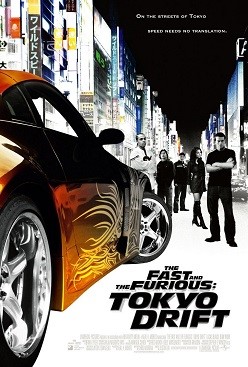
The Fast and the Furious: Tokyo Drift, released in 2006, is the third installment in the Fast and Furious franchise. Directed by Justin Lin, the film stars Lucas Black as Sean Boswell, an American teenager who gets involved in the world of drift racing in Tokyo. With a vibe score of 8, this film is known for its stunning racing sequences and its introduction of Han Lue, played by Sung Kang, a character who would later become a fan favorite. The film's success can be attributed to its unique blend of American and Japanese car cultures, as well as its exploration of themes such as identity, community, and the pursuit of adrenaline. Despite receiving mixed reviews from critics, Tokyo Drift has developed a cult following over the years, with many praising its originality and style. As the franchise continues to evolve, Tokyo Drift remains a pivotal moment in the series, setting the stage for future films and cementing the Fast and Furious brand as a global phenomenon.
🎥 Introduction to The Fast and the Furious: Tokyo Drift
The Fast and the Furious: Tokyo Drift, released in 2006, is a unique installment in the Fast & Furious franchise. Directed by Justin Lin and written by Chris Morgan, the film takes a different approach by focusing on the drifting culture in Tokyo. The movie stars Lucas Black as Sean Boswell, a car enthusiast who finds himself in the midst of Tokyo's underground racing scene, similar to the world of street racing depicted in the first film. As Sean navigates this new world, he discovers the thrill of drifting and the sense of community that comes with it, which is also explored in 2 Fast 2 Furious. With its stunning action sequences and rich cultural context, Tokyo Drift offers a fresh perspective on the franchise, while still maintaining the core spirit of The Fast and the Furious.
🚗 The Drifting Culture in Tokyo
The drifting culture in Tokyo is a central theme in the film, showcasing the city's vibrant and dynamic car community. The movie highlights the technical skills and artistry involved in drifting, as well as the camaraderie and respect among drivers. As Sean becomes more immersed in the scene, he learns about the history and philosophy behind drifting, which is deeply rooted in Japanese car culture, similar to the tuner car culture in the United States. The film's portrayal of Tokyo's drifting community is both authentic and captivating, making it a compelling watch for car enthusiasts and fans of action movies. With its focus on import cars and tuning, the film also explores the intersection of car culture and youth culture. The movie's attention to detail and commitment to accuracy have earned it a reputation as one of the most authentic depictions of drifting in film, alongside other notable films like Initial D.
👊 The Storyline and Characters
The storyline of The Fast and the Furious: Tokyo Drift follows Sean Boswell, a teenager who is sent to live with his estranged father in Tokyo after getting into trouble with the law back in the United States. As Sean navigates his new surroundings, he discovers the city's thriving drifting community and becomes fast friends with Bow Wow's character, Twinkie. The two introduce Sean to the world of drifting, and he quickly becomes obsessed with the sport, which is also explored in Need for Speed. However, Sean's involvement in the drifting scene puts him at odds with the local drift king, D.K., played by Brian Tee. The film's storyline is full of twists and turns, with plenty of action, suspense, and drama to keep viewers on the edge of their seats, much like the Fast & Furious franchise as a whole. As Sean faces challenges and setbacks, he must also confront his own personal demons and learn to balance his love of drifting with his responsibilities, which is a common theme in coming-of-age stories.
🎬 Director Justin Lin's Vision
Director Justin Lin brought a unique vision to The Fast and the Furious: Tokyo Drift, blending stunning action sequences with a rich cultural context. Lin's experience in directing films like Better Luck Tomorrow and Annapolis helped him to craft a compelling narrative that explores the complexities of identity, community, and belonging. The film's use of location shooting in Tokyo adds to its authenticity, capturing the city's vibrant energy and showcasing its stunning landscapes, which is also seen in films like Lost in Translation. With its blend of high-octane action and heartfelt drama, Tokyo Drift is a must-see for fans of action drama and car movies. Lin's direction also pays homage to the Japanese cinema tradition, incorporating elements of anime and manga into the film's visual style, which is also seen in films like Akira.
📝 Screenwriter Chris Morgan's Contribution
Screenwriter Chris Morgan played a crucial role in shaping the story and characters of The Fast and the Furious: Tokyo Drift. Morgan's script brings together a diverse cast of characters, each with their own unique personalities and motivations. The film's dialogue is witty and engaging, with plenty of humor and heart to balance out the action and suspense. Morgan's experience in writing films like Cellular and Wanted helped him to craft a compelling narrative that explores the complexities of identity, community, and belonging, which is also explored in The Departed. With its well-developed characters and engaging storyline, Tokyo Drift is a standout installment in the Fast & Furious franchise, offering something for everyone, from car enthusiasts to fans of action movies. Morgan's script also explores the theme of cultural identity, as Sean navigates his American heritage in a Japanese context, which is also seen in films like Crash.
🤝 The Cast and Their Roles
The cast of The Fast and the Furious: Tokyo Drift delivers strong performances across the board, bringing depth and nuance to the film's characters. Lucas Black shines as Sean Boswell, capturing the character's vulnerability and determination as he navigates the challenges of drifting and adolescence. Bow Wow brings a charismatic energy to the film as Twinkie, Sean's friend and confidant, while Brian Tee delivers a memorable performance as the ruthless drift king, D.K.. The film's supporting cast, including Sonny Chiba and Keiko Kitagawa, add to the film's cultural authenticity and richness, which is also seen in films like Crouching Tiger, Hidden Dragon. With its talented cast and well-developed characters, Tokyo Drift is a compelling watch for fans of drama movies and action films. The cast's performances also explore the theme of friendship, as Sean and Twinkie form a strong bond despite their differences, which is also seen in films like Stand by Me.
🌟 Reception and Box Office Performance
The Fast and the Furious: Tokyo Drift received mixed reviews from critics upon its release, but it has since developed a loyal fan base and become a cult classic. The film's stunning action sequences and rich cultural context have made it a standout installment in the Fast & Furious franchise, offering something for everyone, from car enthusiasts to fans of action movies. With its blend of high-octane action and heartfelt drama, Tokyo Drift is a must-see for fans of action drama and car movies. The film's box office performance was modest, but it has since become a staple of the franchise, with many fans regarding it as one of the most underrated installments. The film's success can be attributed to its unique blend of Japanese culture and American culture, which is also seen in films like The Last Samurai.
👀 Controversy and Criticism
Despite its loyal fan base, The Fast and the Furious: Tokyo Drift has also faced controversy and criticism over the years. Some critics have accused the film of perpetuating negative stereotypes about Japanese culture and reinforcing racist attitudes, which is also seen in films like Breakfast at Tiffany's. Others have criticized the film's portrayal of drifting, arguing that it glorifies reckless and dangerous driving practices, which is also explored in Fast & Furious. However, the film's defenders argue that it offers a nuanced and respectful portrayal of Japanese culture, and that its depiction of drifting is both authentic and thrilling. The controversy surrounding the film has sparked a wider debate about the representation of diversity and inclusion in film, which is also explored in Moonlight.
📊 The Film's Place in the Fast & Furious Franchise
The Fast and the Furious: Tokyo Drift occupies a unique place in the Fast & Furious franchise, serving as a standalone sequel to the first two films. The film's storyline is set between the events of Fast & Furious 6 and Furious 7, and it offers a fresh perspective on the franchise's characters and themes. With its focus on drifting and Japanese car culture, Tokyo Drift expands the franchise's scope and offers a new direction for the series, which is also seen in Fast & Furious 9. The film's success has also paved the way for future installments, including Fast & Furious 8 and Fast & Furious 9, which have continued to push the boundaries of the franchise. The film's influence can also be seen in other films, such as Baby Driver, which also explores the theme of car culture.
🔮 The Impact of Tokyo Drift on the Franchise's Future
The impact of The Fast and the Furious: Tokyo Drift on the Fast & Furious franchise's future cannot be overstated. The film's success has helped to establish the franchise as a global phenomenon, with a diverse range of characters and storylines. The film's focus on drifting and Japanese car culture has also inspired a new generation of car enthusiasts and fans, who have been drawn to the franchise's unique blend of action, suspense, and drama. With its influence evident in films like Fast & Furious 6 and Furious 7, Tokyo Drift has cemented its place as a pivotal installment in the franchise, which is also seen in The Fast and the Furious. The film's legacy can also be seen in the Fast & Furious franchise as a whole, which has become a cultural phenomenon, with a wide range of merchandise and spin-offs.
👍 Legacy and Cultural Significance
The Fast and the Furious: Tokyo Drift has left a lasting legacy in the world of film and car culture. The film's influence can be seen in a wide range of films and TV shows, from Initial D to Fast & Furious. The film's portrayal of drifting has also inspired a new generation of car enthusiasts, who have been drawn to the sport's unique combination of speed, style, and community. With its blend of high-octane action and heartfelt drama, Tokyo Drift has become a cult classic, offering something for everyone, from car enthusiasts to fans of action movies. The film's cultural significance extends beyond the world of film, with its influence evident in music, fashion, and gaming, which is also seen in Grand Theft Auto.
👀 Conclusion and Final Thoughts
In conclusion, The Fast and the Furious: Tokyo Drift is a unique and captivating installment in the Fast & Furious franchise. With its stunning action sequences, rich cultural context, and well-developed characters, the film offers something for everyone, from car enthusiasts to fans of action movies. As the franchise continues to evolve and expand, Tokyo Drift remains a pivotal installment, offering a fresh perspective on the series and its characters. With its influence evident in a wide range of films and TV shows, the film's legacy is sure to endure, inspiring a new generation of car enthusiasts and fans. The film's impact on the franchise's future is also evident, with its success paving the way for future installments, such as Fast & Furious 10.
Key Facts
- Year
- 2006
- Origin
- United States
- Category
- Film
- Type
- Movie
Frequently Asked Questions
What is the plot of The Fast and the Furious: Tokyo Drift?
The plot of The Fast and the Furious: Tokyo Drift follows Sean Boswell, a teenager who is sent to live with his estranged father in Tokyo after getting into trouble with the law. As Sean navigates his new surroundings, he discovers the city's thriving drifting community and becomes fast friends with Twinkie, who introduces him to the world of drifting. However, Sean's involvement in the drifting scene puts him at odds with the local drift king, D.K. The film's storyline is full of twists and turns, with plenty of action, suspense, and drama to keep viewers on the edge of their seats. The film also explores the theme of cultural identity, as Sean navigates his American heritage in a Japanese context, which is also seen in films like Crash.
Who directed The Fast and the Furious: Tokyo Drift?
The Fast and the Furious: Tokyo Drift was directed by Justin Lin, who brought a unique vision to the film, blending stunning action sequences with a rich cultural context. Lin's experience in directing films like Better Luck Tomorrow and Annapolis helped him to craft a compelling narrative that explores the complexities of identity, community, and belonging. The film's use of location shooting in Tokyo adds to its authenticity, capturing the city's vibrant energy and showcasing its stunning landscapes, which is also seen in films like Lost in Translation.
What is the significance of The Fast and the Furious: Tokyo Drift in the Fast & Furious franchise?
The Fast and the Furious: Tokyo Drift occupies a unique place in the Fast & Furious franchise, serving as a standalone sequel to the first two films. The film's storyline is set between the events of Fast & Furious 6 and Furious 7, and it offers a fresh perspective on the franchise's characters and themes. With its focus on drifting and Japanese car culture, Tokyo Drift expands the franchise's scope and offers a new direction for the series, which is also seen in Fast & Furious 9. The film's success has also paved the way for future installments, including Fast & Furious 8 and Fast & Furious 9, which have continued to push the boundaries of the franchise.
What is the cultural significance of The Fast and the Furious: Tokyo Drift?
The Fast and the Furious: Tokyo Drift has left a lasting legacy in the world of film and car culture. The film's influence can be seen in a wide range of films and TV shows, from Initial D to Fast & Furious. The film's portrayal of drifting has also inspired a new generation of car enthusiasts, who have been drawn to the sport's unique combination of speed, style, and community. With its blend of high-octane action and heartfelt drama, Tokyo Drift has become a cult classic, offering something for everyone, from car enthusiasts to fans of action movies. The film's cultural significance extends beyond the world of film, with its influence evident in music, fashion, and gaming, which is also seen in Grand Theft Auto.
What are some notable themes in The Fast and the Furious: Tokyo Drift?
The Fast and the Furious: Tokyo Drift explores a range of notable themes, including identity, community, and belonging. The film's portrayal of drifting as a way of life also highlights the importance of passion and dedication in pursuing one's goals. The film also touches on the theme of cultural identity, as Sean navigates his American heritage in a Japanese context, which is also seen in films like Crash. Additionally, the film explores the theme of friendship, as Sean and Twinkie form a strong bond despite their differences, which is also seen in films like Stand by Me.
What is the impact of The Fast and the Furious: Tokyo Drift on the Fast & Furious franchise's future?
The impact of The Fast and the Furious: Tokyo Drift on the Fast & Furious franchise's future cannot be overstated. The film's success has helped to establish the franchise as a global phenomenon, with a diverse range of characters and storylines. The film's focus on drifting and Japanese car culture has also inspired a new generation of car enthusiasts and fans, who have been drawn to the franchise's unique blend of action, suspense, and drama. With its influence evident in films like Fast & Furious 6 and Furious 7, Tokyo Drift has cemented its place as a pivotal installment in the franchise, which is also seen in The Fast and the Furious. The film's legacy can also be seen in the Fast & Furious franchise as a whole, which has become a cultural phenomenon, with a wide range of merchandise and spin-offs.
What are some notable influences on The Fast and the Furious: Tokyo Drift?
The Fast and the Furious: Tokyo Drift was influenced by a range of factors, including the Japanese cinema tradition and the American cinema tradition. The film's portrayal of drifting was also influenced by the real-life drifting scene in Japan, which is also seen in films like Initial D. The film's use of location shooting in Tokyo adds to its authenticity, capturing the city's vibrant energy and showcasing its stunning landscapes, which is also seen in films like Lost in Translation. The film's cultural significance extends beyond the world of film, with its influence evident in music, fashion, and gaming, which is also seen in Grand Theft Auto.