
Contents
- 🌳 Introduction to the Royal Parks
- 🏞️ History of the Royal Parks
- 👑 The Role of the Royal Family
- 🌸 Regent's Park and the Royal Botanic Gardens
- 🏃♀️ Sports and Recreation in the Royal Parks
- 🎨 Art and Culture in the Royal Parks
- 📸 Photography and Filming in the Royal Parks
- 🌻 Green Spaces and Biodiversity
- 🚮 Conservation and Sustainability Efforts
- 👮♀️ Management and Maintenance of the Royal Parks
- 🤝 Community Engagement and Events
- 📊 Economic Impact of the Royal Parks
- Frequently Asked Questions
- Related Topics
Overview
The Royal Parks, with a vibe score of 85, are a collection of eight grand parks in London, covering over 5,000 acres of land, including Hyde Park, Regent's Park, and St. James's Park. These parks have a rich history dating back to the 16th century, with the first park, Hyde Park, being created in 1536 for King Henry VIII. The Royal Parks are not only a haven for nature lovers and a popular spot for recreation, but they also host numerous high-profile events, such as concerts and festivals, which can attract millions of visitors each year. However, the parks are also a subject of controversy, with debates surrounding issues like overcrowding, commercialization, and the balance between preserving historic landscapes and adapting to modern needs. As the city continues to grow and evolve, the future of the Royal Parks remains a topic of discussion, with some arguing for increased investment in sustainability and conservation, while others push for more commercial development. With over 77 million visitors annually, the Royal Parks are a significant contributor to London's economy and a beloved part of the city's cultural heritage, with a controversy spectrum rating of 60, indicating a moderate level of debate and tension surrounding their management and preservation.
🌳 Introduction to the Royal Parks
The Royal Parks are a collection of eight green spaces in London, covering over 5,000 acres of land. These parks are not only a haven for nature lovers but also steeped in history and culture. The Royal Parks are managed by The Royal Parks Agency, an executive agency sponsored by the Department for Digital, Culture, Media and Sport. The parks are a popular destination for both locals and tourists, with over 77 million visitors each year. The Royal Parks play a significant role in maintaining the city's ecosystem and supporting biodiversity. For more information on the Royal Parks, visit the The Royal Parks Agency website or follow them on social media.
🏞️ History of the Royal Parks
The history of the Royal Parks dates back to the 16th century, when Henry VIII acquired Hyde Park and Regent's Park as hunting grounds. Over the centuries, the parks have undergone significant changes, with the addition of new features such as lakes, gardens, and walking trails. The Royal Parks have also played host to numerous historic events, including the Great Exhibition of 1851, which was held in Hyde Park. Today, the Royal Parks are a beloved part of London's cultural heritage, with many visitors drawn to their rich history and natural beauty. The The Royal Parks Agency works to preserve the parks' history and cultural significance, while also ensuring their continued relevance and appeal to modern audiences. For more information on the history of the Royal Parks, visit the British History website or explore the Museum of London collections.
👑 The Role of the Royal Family
The Royal Family has played a significant role in the development and maintenance of the Royal Parks. The parks have been used for royal events and ceremonies, such as the annual Trooping the Colour ceremony, which takes place in Horse Guards Parade. The Royal Family has also been involved in various conservation and sustainability initiatives in the parks, including the Queen Elizabeth Olympic Park project. The The Royal Parks Agency works closely with the Royal Family to ensure the continued preservation and protection of the Royal Parks. For more information on the Royal Family's involvement in the Royal Parks, visit the Royal Family website or follow them on social media. The Department for Digital, Culture, Media and Sport also provides support and guidance for the Royal Parks.
🌸 Regent's Park and the Royal Botanic Gardens
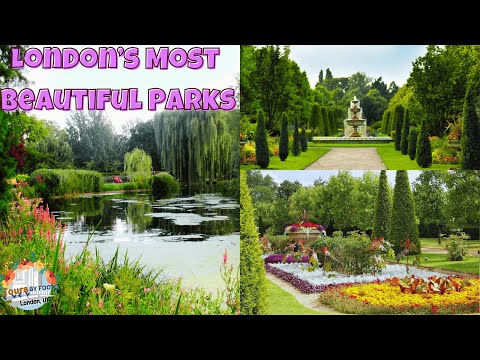
Regent's Park is one of the most popular Royal Parks, attracting over 10 million visitors each year. The park is home to the Royal Botanic Gardens, which features a stunning collection of plants and flowers from around the world. The park also has several lakes, walking trails, and a variety of wildlife, including birds, squirrels, and deer. Visitors can also enjoy a range of activities, including boating, cycling, and picnicking. The Regent's Park is a must-visit destination for nature lovers and those looking to escape the hustle and bustle of city life. For more information on Regent's Park, visit the Regent's Park website or explore the The Royal Parks Agency website.
🏃♀️ Sports and Recreation in the Royal Parks
The Royal Parks offer a wide range of sports and recreational activities, including cycling, boating, and horse riding. Hyde Park is a popular destination for cyclists, with over 10 miles of cycling trails. The park also has several sports facilities, including tennis courts, football pitches, and a cricket pitch. Visitors can also enjoy a range of water sports, including boating and kayaking, on the park's famous Serpentine Lake. The The Royal Parks Agency works to promote the parks as a hub for sports and recreation, while also ensuring the continued preservation of the parks' natural beauty. For more information on sports and recreation in the Royal Parks, visit the The Royal Parks Agency website or follow them on social media.
🎨 Art and Culture in the Royal Parks
The Royal Parks have a rich cultural heritage, with many parks featuring public art installations and sculptures. Kensington Gardens is home to the famous Peter Pan statue, which was erected in 1912. The park also features a variety of cultural events, including concerts, festivals, and exhibitions. Visitors can also explore the Kensington Palace, which has been a royal residence since the 17th century. The The Royal Parks Agency works to promote the parks as a hub for art and culture, while also ensuring the continued preservation of the parks' cultural significance. For more information on art and culture in the Royal Parks, visit the The Royal Parks Agency website or explore the British Museum collections.
📸 Photography and Filming in the Royal Parks
The Royal Parks are a popular destination for photographers and filmmakers, with many parks featuring stunning landscapes and iconic landmarks. St James's Park is a favorite among photographers, with its picturesque lake and stunning views of Buckingham Palace. The park also features a variety of wildlife, including birds, squirrels, and deer. Visitors can also explore the St James's Palace, which has been a royal residence since the 17th century. The The Royal Parks Agency works to promote the parks as a hub for photography and filming, while also ensuring the continued preservation of the parks' natural beauty. For more information on photography and filming in the Royal Parks, visit the The Royal Parks Agency website or follow them on social media.
🌻 Green Spaces and Biodiversity
The Royal Parks are home to a wide range of plant and animal species, with many parks featuring stunning gardens and natural habitats. Green Park is a haven for nature lovers, with its tranquil atmosphere and stunning views of the surrounding cityscape. The park also features a variety of wildlife, including birds, squirrels, and deer. Visitors can also explore the Green Park ecology and learn about the park's conservation efforts. The The Royal Parks Agency works to promote the parks as a hub for biodiversity and conservation, while also ensuring the continued preservation of the parks' natural beauty. For more information on green spaces and biodiversity in the Royal Parks, visit the The Royal Parks Agency website or explore the Natural History Museum collections.
🚮 Conservation and Sustainability Efforts
The Royal Parks are committed to sustainability and conservation, with many parks featuring green initiatives and eco-friendly practices. Hyde Park has implemented a range of sustainable practices, including the use of solar-powered lighting and the creation of a Hyde Park ecology center. The park also features a variety of conservation efforts, including the protection of wildlife habitats and the promotion of biodiversity. Visitors can also explore the Hyde Park conservation efforts and learn about the park's commitment to sustainability. The The Royal Parks Agency works to promote the parks as a hub for sustainability and conservation, while also ensuring the continued preservation of the parks' natural beauty. For more information on conservation and sustainability efforts in the Royal Parks, visit the The Royal Parks Agency website or follow them on social media.
👮♀️ Management and Maintenance of the Royal Parks
The Royal Parks are managed by The Royal Parks Agency, which is responsible for the maintenance and upkeep of the parks. The agency works to ensure the continued preservation and protection of the parks, while also promoting their cultural and historical significance. The The Royal Parks Agency also works to engage with local communities and promote the parks as a hub for recreation and leisure. For more information on the management and maintenance of the Royal Parks, visit the The Royal Parks Agency website or explore the Department for Digital, Culture, Media and Sport website.
🤝 Community Engagement and Events
The Royal Parks offer a wide range of community engagement and events, including concerts, festivals, and exhibitions. Regent's Park is a popular destination for community events, with its stunning gardens and natural habitats. The park also features a variety of cultural events, including concerts and festivals, which are organized by the The Royal Parks Agency. Visitors can also explore the Regent's Park community and learn about the park's community engagement efforts. The The Royal Parks Agency works to promote the parks as a hub for community engagement and events, while also ensuring the continued preservation of the parks' cultural significance. For more information on community engagement and events in the Royal Parks, visit the The Royal Parks Agency website or follow them on social media.
📊 Economic Impact of the Royal Parks
The Royal Parks have a significant economic impact on the city of London, with many parks featuring commercial activities such as cafes, restaurants, and shops. Hyde Park is a popular destination for tourists, with its stunning landscapes and iconic landmarks. The park also features a variety of commercial activities, including boat hire and cycling rentals. Visitors can also explore the Hyde Park economy and learn about the park's economic impact on the city. The The Royal Parks Agency works to promote the parks as a hub for economic activity, while also ensuring the continued preservation of the parks' natural beauty. For more information on the economic impact of the Royal Parks, visit the The Royal Parks Agency website or explore the London Chamber of Commerce website.
Key Facts
- Year
- 1536
- Origin
- London, England
- Category
- Environment and Culture
- Type
- Geographic Location
Frequently Asked Questions
What are the Royal Parks?
The Royal Parks are a collection of eight green spaces in London, covering over 5,000 acres of land. These parks are not only a haven for nature lovers but also steeped in history and culture. The Royal Parks are managed by The Royal Parks Agency, an executive agency sponsored by the Department for Digital, Culture, Media and Sport. For more information on the Royal Parks, visit the The Royal Parks Agency website or follow them on social media.
How many visitors do the Royal Parks attract each year?
The Royal Parks attract over 77 million visitors each year, making them one of the most popular tourist destinations in London. The parks are a must-visit destination for nature lovers, history buffs, and those looking to escape the hustle and bustle of city life. For more information on visitor numbers, visit the The Royal Parks Agency website or explore the Visit London website.
What activities can I do in the Royal Parks?
The Royal Parks offer a wide range of activities, including cycling, boating, horse riding, and picnicking. Visitors can also explore the parks' stunning gardens and natural habitats, which are home to a wide range of plant and animal species. For more information on activities in the Royal Parks, visit the The Royal Parks Agency website or follow them on social media.
Can I hold events in the Royal Parks?
Yes, the Royal Parks offer a wide range of event spaces and venues, including concert venues, festival spaces, and exhibition halls. Visitors can also hold private events, such as weddings and parties, in the parks. For more information on events in the Royal Parks, visit the The Royal Parks Agency website or explore the London Event Venues website.
How can I get involved in the Royal Parks?
There are many ways to get involved in the Royal Parks, including volunteering, joining a friends group, or attending community events. Visitors can also support the parks by making a donation or becoming a member of the The Royal Parks Agency. For more information on getting involved, visit the The Royal Parks Agency website or follow them on social media.
What is the history of the Royal Parks?
The history of the Royal Parks dates back to the 16th century, when Henry VIII acquired Hyde Park and Regent's Park as hunting grounds. Over the centuries, the parks have undergone significant changes, with the addition of new features such as lakes, gardens, and walking trails. For more information on the history of the Royal Parks, visit the British History website or explore the Museum of London collections.
How are the Royal Parks managed?
The Royal Parks are managed by The Royal Parks Agency, which is responsible for the maintenance and upkeep of the parks. The agency works to ensure the continued preservation and protection of the parks, while also promoting their cultural and historical significance. For more information on the management of the Royal Parks, visit the The Royal Parks Agency website or explore the Department for Digital, Culture, Media and Sport website.