
Contents
- 🌳 Introduction to The Word for World is Forest
- 📚 Literary Context and Background
- 🌐 World-Building and Environmentalism
- 👽 The Novella's Alien Species and Cultures
- 🚀 Plot and Character Analysis
- 💡 Themes and Symbolism
- 🏆 Awards and Reception
- 📊 Cultural Impact and Legacy
- 🌟 Influence on Science Fiction and Fantasy
- 🌍 Contemporary Relevance and Ecological Warning
- 📚 Adaptations and Interpretations
- Frequently Asked Questions
- Related Topics
Overview
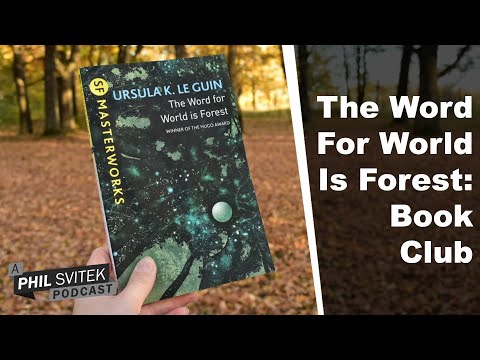
The Word for World is Forest, a 1976 science fiction novel by Ursula K. Le Guin, has become a cultural touchstone for environmentalism and colonialism. The story takes place on the planet Athshe, where the native inhabitants, the Athsheans, are fighting against the exploitation of their forest-covered world by human colonizers. With a Vibe score of 82, this novel has been widely praised for its thought-provoking exploration of the clash between technology and nature. Le Guin's work has influenced a generation of science fiction authors, including notable writers such as Nalo Hopkinson and China Miéville. The novel's themes of environmental degradation and resistance have become increasingly relevant in today's world, with many drawing parallels between the fictional planet of Athshe and our own planet Earth. As the world grapples with the challenges of climate change and deforestation, The Word for World is Forest remains a powerful and timely warning about the dangers of unchecked exploitation and the importance of preserving the natural world.
🌳 Introduction to The Word for World is Forest
The Word for World is Forest is a science fiction novella by Ursula K. Le Guin, published in 1976. This thought-provoking work explores the clash between humanity and the natural world, as well as the complexities of colonialism and cultural imperialism. As a seminal work of science fiction, it has been widely acclaimed for its nuanced and insightful portrayal of the human condition. The novella is set on the planet Athshe, where the native inhabitants, the Athsheans, live in harmony with their environment. In contrast, the human colonizers, who have arrived on the planet, are driven by a desire to exploit its resources, leading to a profound conflict between the two species. This conflict is reminiscent of the themes explored in ecological fiction, which often highlights the interconnectedness of human and natural systems.
📚 Literary Context and Background
The Word for World is Forest is deeply rooted in the literary traditions of science fiction and fantasy. Le Guin's work was influenced by the likes of H.G. Wells and J.R.R. Tolkien, who explored similar themes of world-building and social commentary. The novella's focus on environmentalism and the consequences of human actions also reflects the growing awareness of ecological issues in the 1970s, as seen in works like Rachel Carson's Silent Spring. Furthermore, the novella's exploration of colonialism and imperialism is a common theme in postcolonial literature, which seeks to challenge dominant narratives and promote a more nuanced understanding of cultural exchange.
🌐 World-Building and Environmentalism
One of the most striking aspects of The Word for World is Forest is its meticulous world-building. Le Guin creates a richly detailed and immersive environment, drawing inspiration from various cultures and ecosystems. The planet Athshe is a fully realized world, with its own unique flora and fauna, as well as a complex and sophisticated native culture. The Athsheans, with their deep connection to the natural world, are a powerful symbol of the importance of living in harmony with the environment, as seen in the works of deep ecology. This theme is also explored in ecological philosophy, which emphasizes the interconnectedness of all living beings and the need for a more holistic approach to understanding the natural world.
👽 The Novella's Alien Species and Cultures
The novella's alien species, the Athsheans, are a fascinating and complex creation. They are a peaceful and enigmatic people, with a profound connection to the natural world. In contrast, the human colonizers are driven by a desire for power and control, reflecting the darker aspects of human nature. The conflict between these two species serves as a powerful allegory for the consequences of colonialism and the importance of respecting indigenous cultures, as seen in the works of indigenous studies. This theme is also explored in colonialism, which highlights the need for a more nuanced understanding of cultural exchange and the impact of imperialism on indigenous communities.
🚀 Plot and Character Analysis
The plot of The Word for World is Forest is driven by the complex and often fraught relationships between the human colonizers and the Athsheans. The novella's protagonist, Captain Davidson, is a symbol of the destructive tendencies of humanity, while the Athshean protagonist, Selver, represents the power of resistance and the importance of preserving indigenous cultures. As the conflict between the two species escalates, the novella builds towards a powerful and thought-provoking conclusion, highlighting the need for greater understanding and respect between different cultures, as seen in the works of cultural anthropology. This theme is also explored in conflict resolution, which emphasizes the importance of empathy and understanding in resolving conflicts between different groups.
💡 Themes and Symbolism
The Word for World is Forest is a rich and complex work, full of themes and symbolism. The novella explores the importance of environmentalism, the dangers of colonialism, and the need for greater understanding and respect between different cultures. The Athsheans' connection to the natural world serves as a powerful symbol of the importance of living in harmony with the environment, while the human colonizers' destructive tendencies reflect the darker aspects of human nature. This theme is also explored in environmentalism, which highlights the need for a more sustainable approach to human development and the importance of preserving natural ecosystems.
🏆 Awards and Reception
The Word for World is Forest has received widespread critical acclaim, winning the Hugo Award for Best Novella in 1977. The novella has been praised for its nuanced and insightful portrayal of the human condition, as well as its thought-provoking exploration of the consequences of colonialism and the importance of environmentalism. As a seminal work of science fiction, it has had a profound influence on the genre, inspiring countless authors and works, including Kim Stanley Robinson's Mars trilogy. This influence can be seen in the works of environmental science fiction, which often explores the consequences of human actions on the natural world.
📊 Cultural Impact and Legacy
The Word for World is Forest has had a profound cultural impact, reflecting and shaping the growing awareness of ecological issues in the 1970s. The novella's exploration of the consequences of colonialism and the importance of environmentalism has resonated with readers around the world, inspiring a new generation of authors and activists. As a work of science fiction, it has also played a significant role in shaping the genre, influencing authors such as China Miéville and N.K. Jemisin. This influence can be seen in the works of climate fiction, which often explores the consequences of human actions on the natural world and the need for a more sustainable approach to human development.
🌟 Influence on Science Fiction and Fantasy
The Word for World is Forest has had a profound influence on the science fiction and fantasy genres, inspiring countless authors and works. The novella's exploration of the consequences of colonialism and the importance of environmentalism has resonated with readers around the world, shaping the genre and inspiring new generations of authors and activists. As a seminal work of science fiction, it continues to be widely read and studied, offering a powerful and thought-provoking commentary on the human condition. This influence can be seen in the works of eco fiction, which often explores the consequences of human actions on the natural world and the need for a more sustainable approach to human development.
🌍 Contemporary Relevance and Ecological Warning
The Word for World is Forest remains a powerful and thought-provoking work, offering a profound warning about the dangers of colonialism and the importance of environmentalism. As the world grapples with the challenges of climate change and ecological degradation, the novella's themes and symbolism are more relevant than ever. The novella serves as a powerful reminder of the need for greater understanding and respect between different cultures, as well as the importance of preserving indigenous cultures and the natural world. This theme is also explored in sustainability, which emphasizes the need for a more holistic approach to human development and the importance of preserving natural ecosystems.
📚 Adaptations and Interpretations
The Word for World is Forest has been adapted and interpreted in various forms, including film and stage productions. The novella's themes and symbolism have also been explored in various works of art and literature, reflecting its profound influence on the science fiction and fantasy genres. As a seminal work of science fiction, it continues to inspire new generations of authors and artists, offering a powerful and thought-provoking commentary on the human condition. This influence can be seen in the works of speculative fiction, which often explores the consequences of human actions on the natural world and the need for a more sustainable approach to human development.
Key Facts
- Year
- 1976
- Origin
- United States
- Category
- Science Fiction
- Type
- Novel
Frequently Asked Questions
What is the main theme of The Word for World is Forest?
The main theme of The Word for World is Forest is the conflict between humanity and the natural world, as well as the complexities of colonialism and cultural imperialism. The novella explores the importance of environmentalism, the dangers of colonialism, and the need for greater understanding and respect between different cultures. As a seminal work of science fiction, it has been widely acclaimed for its nuanced and insightful portrayal of the human condition. The novella's themes and symbolism are more relevant than ever, as the world grapples with the challenges of climate change and ecological degradation.
What is the significance of the Athsheans in the novella?
The Athsheans are a peaceful and enigmatic species, with a profound connection to the natural world. They serve as a powerful symbol of the importance of living in harmony with the environment, and their culture and way of life are a stark contrast to the destructive tendencies of the human colonizers. The Athsheans' connection to the natural world is a key aspect of the novella's exploration of ecological philosophy, which emphasizes the interconnectedness of all living beings and the need for a more holistic approach to understanding the natural world.
What awards has The Word for World is Forest won?
The Word for World is Forest won the Hugo Award for Best Novella in 1977. The novella has also been widely acclaimed by critics and readers, and is considered a seminal work of science fiction. As a work of environmental science fiction, it has had a profound influence on the genre, inspiring countless authors and works, including Kim Stanley Robinson's Mars trilogy.
What is the cultural impact of The Word for World is Forest?
The Word for World is Forest has had a profound cultural impact, reflecting and shaping the growing awareness of ecological issues in the 1970s. The novella's exploration of the consequences of colonialism and the importance of environmentalism has resonated with readers around the world, inspiring a new generation of authors and activists. As a work of science fiction, it has also played a significant role in shaping the genre, influencing authors such as China Miéville and N.K. Jemisin.
What is the significance of the title of the novella?
The title of the novella, The Word for World is Forest, is a reference to the Athshean language, in which the word for world is the same as the word for forest. This reflects the Athsheans' deep connection to the natural world, and serves as a powerful symbol of the importance of living in harmony with the environment. The title is also a commentary on the human tendency to separate ourselves from the natural world, and the need for a more holistic approach to understanding the world around us.
How does the novella relate to contemporary issues?
The Word for World is Forest remains a powerful and thought-provoking work, offering a profound warning about the dangers of colonialism and the importance of environmentalism. As the world grapples with the challenges of climate change and ecological degradation, the novella's themes and symbolism are more relevant than ever. The novella serves as a powerful reminder of the need for greater understanding and respect between different cultures, as well as the importance of preserving indigenous cultures and the natural world.
What is the influence of The Word for World is Forest on the science fiction genre?
The Word for World is Forest has had a profound influence on the science fiction genre, inspiring countless authors and works. The novella's exploration of the consequences of colonialism and the importance of environmentalism has resonated with readers around the world, shaping the genre and inspiring new generations of authors and activists. As a seminal work of science fiction, it continues to be widely read and studied, offering a powerful and thought-provoking commentary on the human condition.