
Contents
- 🏯 Introduction to Topkapi Palace
- 🏛️ History of the Ottoman Empire
- 📚 The Architecture of Topkapi Palace
- 👑 The Sultans of the Ottoman Empire
- 🏰 The Harem and Imperial Family
- 📜 The Library and Archives of Topkapi Palace
- 🎨 The Art and Culture of the Ottoman Empire
- 🕊️ The Decline of the Ottoman Empire
- 🏛️ Restoration and Preservation Efforts
- 📸 Tourism and Cultural Significance
- 👥 Influential Figures in Ottoman History
- 📚 Conclusion and Legacy of Topkapi Palace
- Frequently Asked Questions
- Related Topics
Overview
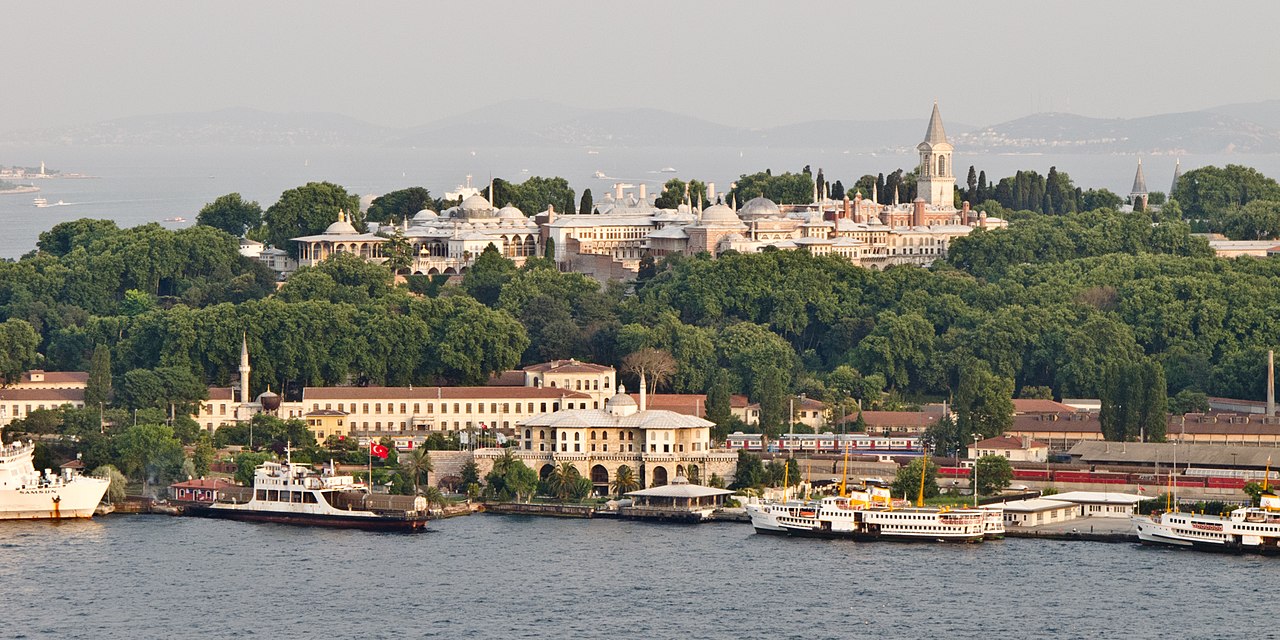
Topkapi Palace, with a vibe score of 92, is one of the most historically rich and culturally significant landmarks in Istanbul, Turkey. Built in 1459 by Sultan Mehmed II, it served as the primary residence of the Ottoman sultans for over 400 years, witnessing the rise and fall of empires. The palace complex spans over 700,000 square meters, featuring an impressive array of architectural styles, including Byzantine, Ottoman, and Islamic influences. With over 4 million visitors annually, Topkapi Palace is a testament to the enduring legacy of the Ottoman Empire, boasting an extensive collection of artifacts, including the famous Topkapi Dagger and the Spoonmaker's Diamond. The palace's influence extends beyond Turkey, with its architectural style and cultural significance felt across the Middle East and Europe. As a cultural and historical entity, Topkapi Palace continues to captivate audiences, sparking debates about preservation, cultural appropriation, and the complexities of Ottoman history.
🏯 Introduction to Topkapi Palace
The Topkapi Palace, also known as the Seraglio, is a large museum and library located in the east of the Fatih district of Istanbul in Turkey. From the 1460s to the completion of Dolmabahçe Palace in 1853, it served as the administrative center of the Ottoman Empire, and was the main residence of its sultans. The palace is a testament to the rich history and culture of the Ottoman Empire, with its stunning architecture and beautiful gardens. Visitors can explore the palace and learn about the history of the Ottoman Empire through its many exhibits and artifacts, including the Topkapi Palace Museum and the Istanbul Archaeological Museum. The palace is also home to the famous Spoonmaker's Diamond, one of the largest and most valuable diamonds in the world.
🏛️ History of the Ottoman Empire
The Ottoman Empire was one of the largest and most influential empires in history, spanning over 600 years and covering much of Southeast Europe, Western Asia, and North Africa. The empire was founded by Osman I in the late 13th century and reached its peak in the 16th century during the reign of Suleiman the Magnificent. The Ottoman Empire was known for its military prowess, administrative efficiency, and cultural achievements, including the development of Islamic art and Ottoman architecture. The empire was also home to many famous historical figures, including Mehmed II and Roxelana. Visitors to the Topkapi Palace can learn about the history of the Ottoman Empire and see many artifacts and exhibits related to the empire's history, including the Ottoman Empire's Administrative System and the Janissaries.
📚 The Architecture of Topkapi Palace
The architecture of the Topkapi Palace is a unique blend of Byzantine architecture, Persian architecture, and Islamic architecture. The palace was built in the 15th century and features many beautiful gardens, courtyards, and buildings, including the Audience Chamber and the Throne Room. The palace is also home to many famous artifacts, including the Sultan's Seal and the Ottoman Imperial Crest. Visitors to the palace can take a guided tour and learn about the history and significance of the palace's architecture, including the Hagia Sophia and the Blue Mosque. The palace is also a popular destination for fans of Ottoman architecture and Islamic art.
👑 The Sultans of the Ottoman Empire
The Sultans of the Ottoman Empire were the rulers of the Ottoman Empire from the 13th to the 20th century. The sultans were the supreme authority in the empire and were responsible for making laws, collecting taxes, and commanding the military. The sultans were also the leaders of the Islamic world and played an important role in the spread of Islam throughout the Middle East and beyond. Some of the most famous sultans in Ottoman history include Suleiman the Magnificent, Mehmed II, and Abdülhamid II. Visitors to the Topkapi Palace can learn about the history of the sultans and see many artifacts and exhibits related to their reigns, including the Sultan's Private Chambers and the Imperial Council.
🏰 The Harem and Imperial Family
The Harem was the private quarters of the sultan and his family in the Topkapi Palace. The harem was a separate section of the palace that was reserved for the sultan's wives, concubines, and children, and was guarded by the Eunuchs. The harem was a place of luxury and beauty, with many beautiful gardens, courtyards, and buildings, including the Harem Baths and the Queen Mother's Chambers. Visitors to the palace can take a guided tour of the harem and learn about the history and significance of this unique and fascinating part of the palace, including the Role of Women in the Ottoman Empire and the Ottoman Imperial Family.
📜 The Library and Archives of Topkapi Palace
The Library and Archives of Topkapi Palace are a treasure trove of historical documents and artifacts related to the Ottoman Empire. The library and archives contain many rare and valuable books, manuscripts, and documents, including the Ottoman Imperial Archives and the Topkapi Palace Manuscript Collection. Visitors to the palace can access the library and archives and learn about the history of the Ottoman Empire through its many documents and artifacts, including the Ottoman Empire's Diplomatic Correspondence and the Ottoman Empire's Administrative Records.
🎨 The Art and Culture of the Ottoman Empire
The Art and Culture of the Ottoman Empire are a rich and diverse part of the empire's heritage. The Ottoman Empire was known for its beautiful Islamic art, including Calligraphy, Miniature painting, and Ceramics. The empire was also home to many famous Ottoman literature and Ottoman music. Visitors to the Topkapi Palace can see many examples of Ottoman art and culture, including the Ottoman Imperial Crest and the Sultan's Seal. The palace is also a popular destination for fans of Islamic art and Ottoman architecture.
🕊️ The Decline of the Ottoman Empire
The Decline of the Ottoman Empire was a gradual process that occurred over several centuries. The empire faced many challenges, including the rise of Nationalism and the Industrial Revolution, which weakened its economy and military. The empire also faced many internal conflicts, including the Janissary Revolt and the Young Turk Revolution. Visitors to the Topkapi Palace can learn about the history of the Ottoman Empire's decline and see many artifacts and exhibits related to this period, including the Ottoman Empire's Modernization Efforts and the Ottoman Empire's Foreign Policy.
🏛️ Restoration and Preservation Efforts
The Restoration and Preservation Efforts of the Topkapi Palace are an ongoing process that aims to preserve the palace and its artifacts for future generations. The palace has undergone many restorations and renovations over the years, including the Topkapi Palace Restoration Project. Visitors to the palace can see many examples of the restoration and preservation efforts, including the Conservation of Ottoman Art and the Preservation of Historical Buildings. The palace is also a popular destination for fans of Historic Preservation and Cultural Heritage.
📸 Tourism and Cultural Significance
The Tourism and Cultural Significance of the Topkapi Palace are a major part of the palace's appeal. The palace is one of the most popular tourist destinations in Istanbul and attracts millions of visitors each year. The palace is also an important cultural and historical landmark, and is considered one of the most important examples of Ottoman architecture and Islamic art. Visitors to the palace can learn about the history and significance of the palace, and see many artifacts and exhibits related to the Ottoman Empire, including the Ottoman Empire's Cultural Heritage and the Ottoman Empire's Historical Significance.
👥 Influential Figures in Ottoman History
The Influential Figures in Ottoman History are a fascinating part of the empire's heritage. The Ottoman Empire was home to many famous and influential figures, including Suleiman the Magnificent, Mehmed II, and Roxelana. Visitors to the Topkapi Palace can learn about the history and significance of these figures, and see many artifacts and exhibits related to their lives and reigns, including the Sultan's Private Chambers and the Imperial Council.
📚 Conclusion and Legacy of Topkapi Palace
The Conclusion and Legacy of Topkapi Palace are a lasting part of the palace's appeal. The palace is a testament to the rich history and culture of the Ottoman Empire, and is considered one of the most important examples of Ottoman architecture and Islamic art. Visitors to the palace can learn about the history and significance of the palace, and see many artifacts and exhibits related to the Ottoman Empire, including the Ottoman Empire's Administrative System and the Ottoman Empire's Diplomatic Correspondence. The palace is also a popular destination for fans of Historic Preservation and Cultural Heritage.
Key Facts
- Year
- 1459
- Origin
- Istanbul, Turkey
- Category
- History, Architecture, Culture
- Type
- Historical Landmark
Frequently Asked Questions
What is the history of the Topkapi Palace?
The Topkapi Palace was built in the 15th century and served as the administrative center of the Ottoman Empire from the 1460s to the completion of Dolmabahçe Palace in 1853. The palace was the main residence of the sultans and was a symbol of the empire's power and wealth. Visitors to the palace can learn about the history of the palace and see many artifacts and exhibits related to the Ottoman Empire, including the Ottoman Empire's Administrative System and the Ottoman Empire's Diplomatic Correspondence.
What is the significance of the Topkapi Palace?
The Topkapi Palace is a significant cultural and historical landmark, and is considered one of the most important examples of Ottoman architecture and Islamic art. The palace is a testament to the rich history and culture of the Ottoman Empire, and is a popular destination for fans of Historic Preservation and Cultural Heritage. Visitors to the palace can learn about the history and significance of the palace, and see many artifacts and exhibits related to the Ottoman Empire, including the Ottoman Empire's Cultural Heritage and the Ottoman Empire's Historical Significance.
What can I see and do at the Topkapi Palace?
Visitors to the Topkapi Palace can see many artifacts and exhibits related to the Ottoman Empire, including the Sultan's Private Chambers, the Imperial Council, and the Harem. The palace is also home to many beautiful gardens and courtyards, including the Garden of the Sultan and the Courtyard of the Janissaries. Visitors can take a guided tour of the palace and learn about the history and significance of the palace and its artifacts, including the Ottoman Empire's Administrative System and the Ottoman Empire's Diplomatic Correspondence.
How do I get to the Topkapi Palace?
The Topkapi Palace is located in the east of the Fatih district of Istanbul in Turkey. Visitors can take a taxi or public transportation to the palace, or walk from the nearby Sultanahmet Square. The palace is open to visitors every day except Tuesdays, and tickets can be purchased at the palace or online in advance. Visitors can also take a guided tour of the palace and learn about the history and significance of the palace and its artifacts, including the Ottoman Empire's Administrative System and the Ottoman Empire's Diplomatic Correspondence.
What are the opening hours of the Topkapi Palace?
The Topkapi Palace is open to visitors every day except Tuesdays, from 9:00 AM to 5:00 PM. Visitors can purchase tickets at the palace or online in advance, and can take a guided tour of the palace and learn about the history and significance of the palace and its artifacts, including the Ottoman Empire's Administrative System and the Ottoman Empire's Diplomatic Correspondence. The palace is also closed on certain holidays, including New Year's Day and Ramadan.
Can I take photos inside the Topkapi Palace?
Yes, visitors can take photos inside the Topkapi Palace, but flash photography and tripods are not allowed. Visitors can also purchase a photo permit at the palace, which allows them to take photos of the palace and its artifacts for personal use. However, commercial photography and filming require special permission and a permit from the palace administration. Visitors can also take a guided tour of the palace and learn about the history and significance of the palace and its artifacts, including the Ottoman Empire's Administrative System and the Ottoman Empire's Diplomatic Correspondence.
Are there any restaurants or cafes inside the Topkapi Palace?
Yes, there are several restaurants and cafes inside the Topkapi Palace, including the Palace Cafe and the Garden Restaurant. Visitors can enjoy a meal or snack while taking in the beautiful views of the palace and its gardens. The palace also has several shops and kiosks where visitors can purchase souvenirs and gifts, including the Palace Gift Shop and the Ottoman Empire's Cultural Heritage Shop.