
Contents
- 🌼 Introduction to Traditional Beekeeping
- 🐝 History of Beekeeping
- 🌿 Bee Biology and Behavior
- 🏠 Hive Construction and Management
- 🍯 Honey Production and Harvesting
- 🌸 Pollination and Crop Production
- 🚨 Pest and Disease Management
- 🌻 Modern Applications and Innovations
- 🌺 Cultural Significance and Symbolism
- 📚 Best Practices and Safety Precautions
- 🌐 Global Perspectives and Initiatives
- Frequently Asked Questions
- Related Topics
Overview
Traditional beekeeping, with a history dating back to ancient civilizations such as Egypt and Greece, involves the practice of managing bees for honey production, pollination, and wax harvesting using techniques and tools that have been refined over centuries. This approach to beekeeping emphasizes a symbiotic relationship between the beekeeper and the bees, often using locally sourced materials and minimal intervention. The traditional beekeeper must possess a deep understanding of bee biology, seasonal patterns, and environmental factors to successfully maintain healthy colonies. With the rise of commercial beekeeping and the use of modern equipment, traditional beekeeping has seen a resurgence in popularity as a sustainable and environmentally conscious alternative. Notable figures such as Rudolf Steiner and Eugene Koenigin have contributed to the development of biodynamic and natural beekeeping methods, which prioritize the well-being of the bees and the ecosystem. As concerns about colony collapse and environmental degradation continue to grow, traditional beekeeping offers a unique perspective on the importance of preserving biodiversity and promoting ecological balance, with a vibe score of 8 out of 10, reflecting its significant cultural energy and influence.
🌼 Introduction to Traditional Beekeeping
Traditional beekeeping is an ancient practice that has been passed down through generations, with evidence of beekeeping dating back to Ancient Egypt around 2500 BCE. This traditional practice involves the use of natural materials and techniques to manage and care for Honey Bees. In contrast to modern commercial beekeeping, traditional beekeeping focuses on the health and well-being of the bees, rather than solely on honey production. The art of traditional beekeeping has been influenced by various cultures, including Native American Beekeeping and European Beekeeping. As a result, traditional beekeeping has become a unique blend of traditional practices and modern innovations.
🐝 History of Beekeeping
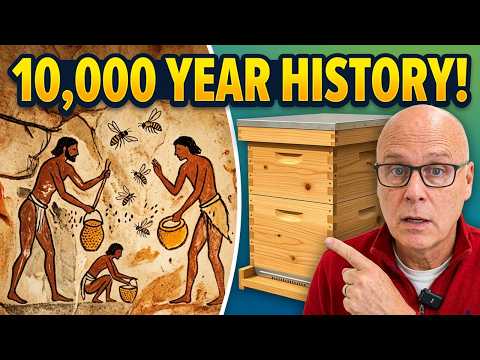
The history of beekeeping is a rich and fascinating topic, with evidence of beekeeping found in ancient civilizations such as Greece and Rome. The ancient Greeks and Romans used Smoke to calm the bees and Honey as a form of currency. In Medieval Europe, beekeeping was a common practice among monks and farmers, who used Beehives to produce honey and Beeswax. The development of modern beekeeping equipment, such as the Langstroth Hive, has made it easier for beekeepers to manage their colonies and harvest honey. However, traditional beekeepers continue to use natural materials and techniques, such as Woven Baskets and Clay Pots, to create unique and sustainable beehives.
🌿 Bee Biology and Behavior
Understanding bee biology and behavior is essential for successful traditional beekeeping. Honey Bees are social creatures that live in complex colonies with a single Queen Bee and thousands of Worker Bees. The Queen Bee lays eggs, while the Worker Bees forage for nectar, pollen, and water. Traditional beekeepers must also be aware of the different types of Bees, including Bumblebees and Solitary Bees, and their unique characteristics. By studying bee behavior and biology, traditional beekeepers can better manage their colonies and promote healthy and sustainable bee populations. This knowledge is also essential for Pollination and Crop Production.
🏠 Hive Construction and Management
Traditional beekeepers use natural materials, such as Wood and Straw, to construct their beehives. The design and management of the hive are critical to the health and well-being of the bees. Traditional beekeepers must ensure that the hive is well-ventilated, protected from the elements, and free from pests and diseases. The use of Natural Wax and Propolis helps to create a healthy and sustainable environment for the bees. In addition, traditional beekeepers must also be skilled in Hive Management, including Swarm Control and Hive Splitting. By using traditional techniques and materials, beekeepers can create unique and sustainable beehives that promote healthy and thriving bee colonies.
🍯 Honey Production and Harvesting
Honey production and harvesting are critical components of traditional beekeeping. Traditional beekeepers use Smoke to calm the bees and Honey Extractors to harvest the honey. The quality and flavor of the honey depend on the type of Flowers and Plants that the bees forage on. Traditional beekeepers must also be aware of the different types of Honey, including Raw Honey and Filtered Honey. By using traditional techniques and equipment, beekeepers can produce high-quality honey that is rich in flavor and nutrients. This honey can be used for Food, Medicine, and Cosmetics.
🌸 Pollination and Crop Production
Traditional beekeeping plays a critical role in Pollination and Crop Production. Honey Bees are responsible for pollinating many crops, including Fruits, Vegetables, and Nuts. Traditional beekeepers must be aware of the different types of Crops and their pollination requirements. By managing their colonies and promoting healthy and sustainable bee populations, traditional beekeepers can help to ensure the long-term health and productivity of their crops. This is especially important for Organic Farming and Permaculture.
🚨 Pest and Disease Management
Pest and disease management are critical components of traditional beekeeping. Traditional beekeepers must be aware of the different types of Pests and Diseases that can affect their colonies, including Varroa Mites and American Foulbrood. The use of Natural Treatments, such as Essential Oils and Herbal Remedies, can help to promote healthy and sustainable bee populations. Traditional beekeepers must also be skilled in Hive Inspection and Colony Management to detect and prevent pest and disease outbreaks. By using traditional techniques and materials, beekeepers can create a healthy and sustainable environment for their bees.
🌻 Modern Applications and Innovations
Modern applications and innovations have transformed the practice of traditional beekeeping. The use of Technology, such as Beekeeping Software and Hive Monitors, can help to promote healthy and sustainable bee populations. Traditional beekeepers can also use Social Media and Online Communities to connect with other beekeepers and share knowledge and best practices. In addition, modern innovations, such as Urban Beekeeping and Vertical Farming, have expanded the possibilities for traditional beekeeping. By embracing modern applications and innovations, traditional beekeepers can create a more sustainable and resilient beekeeping practice.
🌺 Cultural Significance and Symbolism
Traditional beekeeping has significant cultural and symbolic importance. In many cultures, Bees are considered sacred animals, and Honey is a symbol of wealth and prosperity. The practice of traditional beekeeping has been passed down through generations, and many beekeepers consider it an art form. The use of Natural Materials and Traditional Techniques helps to create a sense of connection to the natural world and to the past. By preserving traditional beekeeping practices, we can help to promote cultural heritage and biodiversity. This is especially important for Indigenous Communities and Rural Development.
📚 Best Practices and Safety Precautions
Best practices and safety precautions are essential for traditional beekeeping. Beekeepers must be aware of the risks associated with beekeeping, including Bee Stings and Allergic Reactions. The use of Protective Equipment, such as Beekeeping Suits and Veils, can help to minimize these risks. Traditional beekeepers must also be skilled in First Aid and Emergency Response. By following best practices and safety precautions, beekeepers can help to ensure a safe and healthy beekeeping experience. This is especially important for Beginner Beekeepers and Urban Beekeepers.
🌐 Global Perspectives and Initiatives
Global perspectives and initiatives are critical for promoting traditional beekeeping practices. The use of International Cooperation and Knowledge Sharing can help to promote best practices and address common challenges. Traditional beekeepers can learn from each other's experiences and adapt new techniques and materials to their local contexts. In addition, global initiatives, such as Bee Conservation and Sustainable Agriculture, can help to promote the long-term health and sustainability of bee populations. By working together, traditional beekeepers can help to create a more sustainable and resilient beekeeping practice.
Key Facts
- Year
- 1500
- Origin
- Ancient Egypt, Greece
- Category
- Agriculture, Apiculture
- Type
- Practice, Tradition
Frequently Asked Questions
What is traditional beekeeping?
Traditional beekeeping is an ancient practice that involves the use of natural materials and techniques to manage and care for honey bees. It focuses on the health and well-being of the bees, rather than solely on honey production. Traditional beekeeping has been influenced by various cultures and has become a unique blend of traditional practices and modern innovations.
What are the benefits of traditional beekeeping?
The benefits of traditional beekeeping include the promotion of healthy and sustainable bee populations, the production of high-quality honey, and the preservation of cultural heritage and biodiversity. Traditional beekeeping also helps to promote pollination and crop production, and can contribute to sustainable agriculture and rural development.
What are the challenges facing traditional beekeeping?
The challenges facing traditional beekeeping include the decline of bee populations, the impact of pests and diseases, and the effects of climate change. Traditional beekeepers must also navigate the challenges of modernization and urbanization, and balance the need for sustainability with the demand for honey and other bee products.
How can I get started with traditional beekeeping?
To get started with traditional beekeeping, you should first learn about the basics of bee biology and behavior, and the principles of traditional beekeeping. You should also invest in the necessary equipment and materials, including a beehive, protective clothing, and beekeeping tools. It is also recommended that you find a mentor or join a beekeeping community to learn from experienced beekeepers and gain hands-on experience.
What are the best practices for traditional beekeeping?
The best practices for traditional beekeeping include the use of natural materials and techniques, the promotion of healthy and sustainable bee populations, and the preservation of cultural heritage and biodiversity. Traditional beekeepers should also follow safety precautions, such as wearing protective clothing and using smoke to calm the bees. Additionally, beekeepers should be skilled in hive inspection and colony management to detect and prevent pest and disease outbreaks.
How can I promote traditional beekeeping in my community?
You can promote traditional beekeeping in your community by sharing your knowledge and experience with others, and by supporting local beekeeping initiatives and organizations. You can also participate in beekeeping events and workshops, and help to establish bee-friendly habitats and gardens in your community. Additionally, you can advocate for policies and practices that support sustainable agriculture and bee conservation.
What is the future of traditional beekeeping?
The future of traditional beekeeping is uncertain, but it is likely to be shaped by the challenges and opportunities of modernization and sustainability. Traditional beekeepers will need to adapt to changing environmental conditions, and to balance the need for sustainability with the demand for honey and other bee products. However, with the help of international cooperation and knowledge sharing, traditional beekeeping can continue to thrive and promote healthy and sustainable bee populations.