
Contents
- 🌎 Introduction to Transnational
- 📚 Definition and Scope
- 🌈 Transnationality in Conscious Governance
- 👥 Transnational Organizations and Networks
- 💼 Transnational Economic Systems
- 🌐 Transnational Communication and Culture
- 🌟 Transnational Spirituality and Values
- 🌈 Transnational Community Building
- 📊 Transnational Governance and Policy
- 🚀 Future of Transnationality
- 🤝 Challenges and Opportunities
- Frequently Asked Questions
- Related Topics
Overview
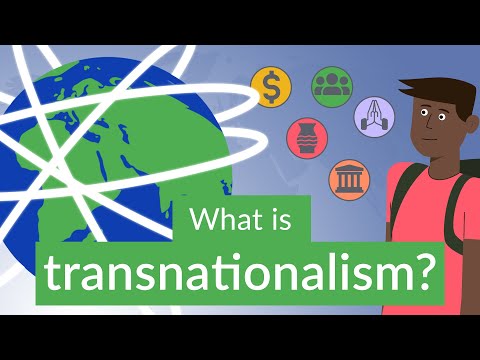
The concept of transnational refers to the connections and relationships that transcend national borders, fostering a sense of global community and cooperation. In the context of the Golden Age, transnationalism is closely tied to the principles of conscious governance, which emphasizes the importance of cooperation, mutual understanding, and collective decision-making. The works of scholars like Arjun Appadurai, who has written extensively on the topic of transnational cultural flows, have shed light on the complex dynamics of global interactions. For instance, the rise of transnational social movements, such as the global justice movement, has demonstrated the power of collective action in shaping global policies. Furthermore, the concept of transnationalism has been influential in shaping the development of intentional communities, such as the Twin Oaks community in Virginia, which has been a pioneer in promoting cooperative living and social justice. As we move forward, it is essential to consider the implications of transnationalism on our understanding of community, governance, and social change, and to explore ways to harness its potential for creating a more just and equitable world.
🌎 Introduction to Transnational
The concept of transnational, or transnationality, refers to the connections and relationships that transcend national borders. In the context of Conscious Governance, transnationality plays a crucial role in shaping global policies and practices. As we explore the complexities of transnationality, we must consider the New Economics models that prioritize global cooperation and mutual support. For instance, the Gift Economy movement has been influential in promoting transnational exchange and reciprocity. Furthermore, Intentional Communities have been established to foster transnational cooperation and cultural exchange.
📚 Definition and Scope
The definition and scope of transnationality are multifaceted and far-reaching. Transnationality can refer to the flow of goods, services, and ideas across national borders, as well as the movement of people and the formation of transnational identities. In the context of Sociocracy, transnationality is seen as a key aspect of global governance, where decision-making power is distributed among diverse stakeholders. The Nonviolent Communication approach has been instrumental in facilitating transnational dialogue and conflict resolution. Moreover, Regenerative Culture principles have been applied to promote transnational cooperation and environmental sustainability.
🌈 Transnationality in Conscious Governance
In the realm of Conscious Governance, transnationality is closely tied to the concept of Global Citizenship. As individuals and organizations increasingly identify as global citizens, they are more likely to engage in transnational activities and promote global cooperation. The Vipassana Meditation practice has been influential in cultivating a sense of global awareness and compassion. Additionally, Shadow Work has been used to address the psychological and emotional aspects of transnational conflict and cooperation. The Sacred Geometry movement has also explored the transnational dimensions of spiritual and cultural expression.
👥 Transnational Organizations and Networks
Transnational organizations and networks play a vital role in promoting global cooperation and governance. These organizations, such as the United Nations, bring together individuals and groups from diverse backgrounds to address global challenges and promote transnational understanding. The Ecovillage Movement has been instrumental in establishing transnational networks for sustainable living and environmental stewardship. Furthermore, Social Enterprise models have been developed to promote transnational social and economic development. The Permaculture movement has also been influential in promoting transnational cooperation and environmental sustainability.
💼 Transnational Economic Systems
Transnational economic systems, such as Global Trade and International Finance, have a profound impact on global governance and cooperation. As economies become increasingly interconnected, the need for transnational economic policies and regulations grows. The Cooperative Economy model has been proposed as an alternative to traditional capitalist systems, prioritizing mutual support and social welfare. Additionally, Social Impact Investing has been used to promote transnational economic development and environmental sustainability. The Local Currency movement has also explored the potential for transnational economic cooperation and exchange.
🌐 Transnational Communication and Culture
Transnational communication and culture are essential aspects of global governance and cooperation. The internet and social media have facilitated transnational communication, enabling individuals and organizations to connect and collaborate across borders. The Global Arts movement has been instrumental in promoting transnational cultural exchange and understanding. Furthermore, Interfaith Dialogue has been used to promote transnational spiritual and cultural cooperation. The Ecological Education movement has also been influential in promoting transnational environmental awareness and stewardship.
🌟 Transnational Spirituality and Values
Transnational spirituality and values are critical components of global governance and cooperation. As individuals and organizations increasingly identify as global citizens, they are more likely to adopt transnational spiritual and values-based approaches. The Integral Theory framework has been used to promote transnational spiritual and cultural understanding. Additionally, Mindfulness Practice has been instrumental in cultivating a sense of global awareness and compassion. The Transpersonal Psychology movement has also explored the transnational dimensions of human consciousness and spirituality.
🌈 Transnational Community Building
Transnational community building is a vital aspect of global governance and cooperation. As individuals and organizations come together to address global challenges, they form transnational communities that transcend national borders. The Ecovillage Network has been instrumental in establishing transnational communities for sustainable living and environmental stewardship. Furthermore, Online Communities have been used to promote transnational cooperation and cultural exchange. The Global Village movement has also been influential in promoting transnational community building and social connection.
📊 Transnational Governance and Policy
Transnational governance and policy are critical components of global cooperation and governance. As transnational organizations and networks grow in influence, the need for transnational governance and policy frameworks increases. The Global Governance framework has been proposed as a means of promoting transnational cooperation and decision-making. Additionally, Participatory Democracy models have been developed to promote transnational citizen engagement and participation. The Commons-Based Governance approach has also been used to promote transnational cooperation and resource management.
🚀 Future of Transnationality
The future of transnationality is uncertain and multifaceted. As global challenges and opportunities continue to evolve, the need for transnational cooperation and governance will only grow. The Global Transformation movement has been instrumental in promoting transnational cooperation and cultural exchange. Furthermore, Futures Studies have been used to explore the potential trajectories of transnational development and governance. The Systems Thinking approach has also been influential in promoting transnational understanding and cooperation.
🤝 Challenges and Opportunities
The challenges and opportunities of transnationality are numerous and complex. As individuals and organizations navigate the complexities of transnational cooperation and governance, they must confront issues such as Global Inequality and Environmental Degradation. The Social Movement framework has been used to promote transnational social and environmental justice. Additionally, Conflict Resolution approaches have been developed to address transnational conflicts and promote cooperation. The Personal Transformation movement has also been influential in promoting transnational awareness and spiritual growth.
Key Facts
- Year
- 2022
- Origin
- Golden Age Community
- Category
- Conscious Governance
- Type
- Concept
Frequently Asked Questions
What is the definition of transnationality?
Transnationality refers to the connections and relationships that transcend national borders. It encompasses the flow of goods, services, and ideas across national borders, as well as the movement of people and the formation of transnational identities. The concept of transnationality is closely tied to the idea of Global Citizenship, where individuals and organizations identify as global citizens and engage in transnational activities. For instance, the Gift Economy movement has been influential in promoting transnational exchange and reciprocity. Furthermore, Intentional Communities have been established to foster transnational cooperation and cultural exchange.
What are the benefits of transnational cooperation?
Transnational cooperation can promote global understanding, peace, and prosperity. It can also facilitate the sharing of knowledge, ideas, and best practices across national borders. The United Nations has been instrumental in promoting transnational cooperation and governance. Additionally, Social Enterprise models have been developed to promote transnational social and economic development. The Permaculture movement has also been influential in promoting transnational cooperation and environmental sustainability. However, transnational cooperation also poses challenges, such as Global Inequality and Environmental Degradation.
What are the challenges of transnational governance?
Transnational governance poses several challenges, including the need for coordination and cooperation among diverse stakeholders, the risk of cultural and linguistic barriers, and the potential for conflicting interests and values. The Global Governance framework has been proposed as a means of promoting transnational cooperation and decision-making. Additionally, Participatory Democracy models have been developed to promote transnational citizen engagement and participation. The Commons-Based Governance approach has also been used to promote transnational cooperation and resource management. However, these challenges can be addressed through the development of Nonviolent Communication skills and the adoption of Sociocracy principles.
How can individuals contribute to transnational cooperation?
Individuals can contribute to transnational cooperation by engaging in transnational activities, such as volunteering, traveling, or working with international organizations. They can also promote transnational understanding and cooperation by sharing their experiences and perspectives with others. The Global Arts movement has been instrumental in promoting transnational cultural exchange and understanding. Furthermore, Interfaith Dialogue has been used to promote transnational spiritual and cultural cooperation. The Ecological Education movement has also been influential in promoting transnational environmental awareness and stewardship. However, individuals must also be aware of the potential challenges and complexities of transnational cooperation, such as Global Inequality and Environmental Degradation.
What is the role of technology in transnational cooperation?
Technology plays a vital role in facilitating transnational cooperation by enabling communication, collaboration, and knowledge-sharing across national borders. The internet and social media have been instrumental in promoting transnational communication and cultural exchange. The Online Communities have been used to promote transnational cooperation and cultural exchange. However, technology also poses challenges, such as the risk of cultural and linguistic barriers, and the potential for conflicting interests and values. The Systems Thinking approach has been influential in promoting transnational understanding and cooperation, and can be used to address these challenges.
How can transnational cooperation address global challenges?
Transnational cooperation can address global challenges, such as Global Inequality and Environmental Degradation, by promoting global understanding, peace, and prosperity. The United Nations has been instrumental in promoting transnational cooperation and governance. Additionally, Social Enterprise models have been developed to promote transnational social and economic development. The Permaculture movement has also been influential in promoting transnational cooperation and environmental sustainability. However, transnational cooperation must also be aware of the potential challenges and complexities of global challenges, and must be willing to adapt and evolve in response to changing circumstances. The Futures Studies approach has been used to explore the potential trajectories of transnational development and governance.
What is the relationship between transnationality and global citizenship?
Transnationality and global citizenship are closely related concepts. Global citizenship refers to the idea that individuals and organizations identify as global citizens and engage in transnational activities. The Global Citizenship movement has been instrumental in promoting transnational cooperation and cultural exchange. Furthermore, Intentional Communities have been established to foster transnational cooperation and cultural exchange. The Gift Economy movement has also been influential in promoting transnational exchange and reciprocity. However, global citizenship also poses challenges, such as the risk of cultural and linguistic barriers, and the potential for conflicting interests and values. The Nonviolent Communication approach has been used to address these challenges and promote transnational understanding and cooperation.